
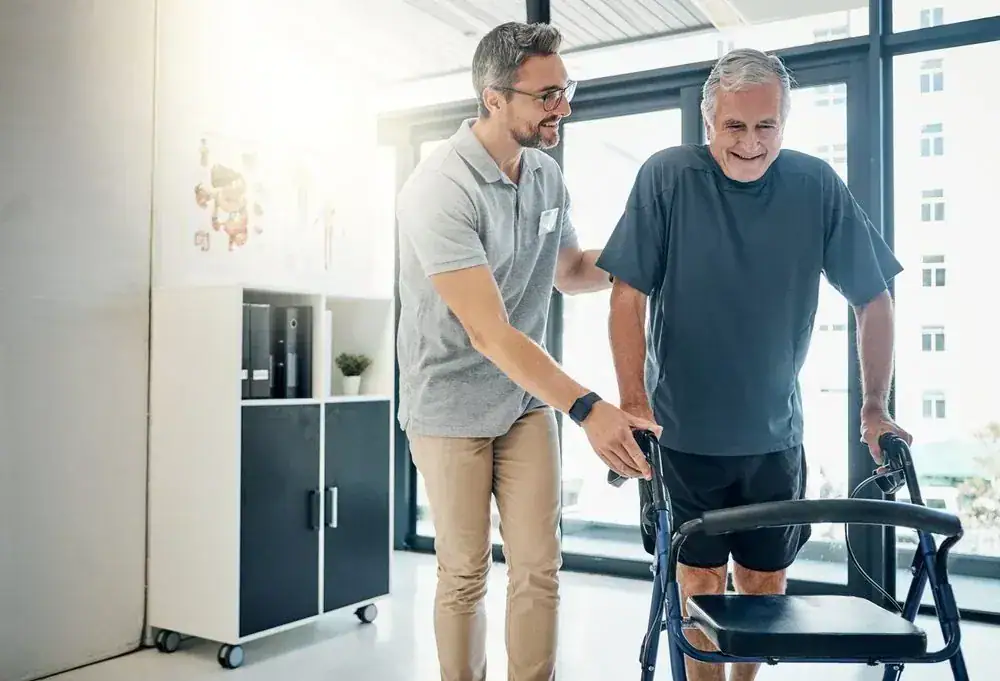
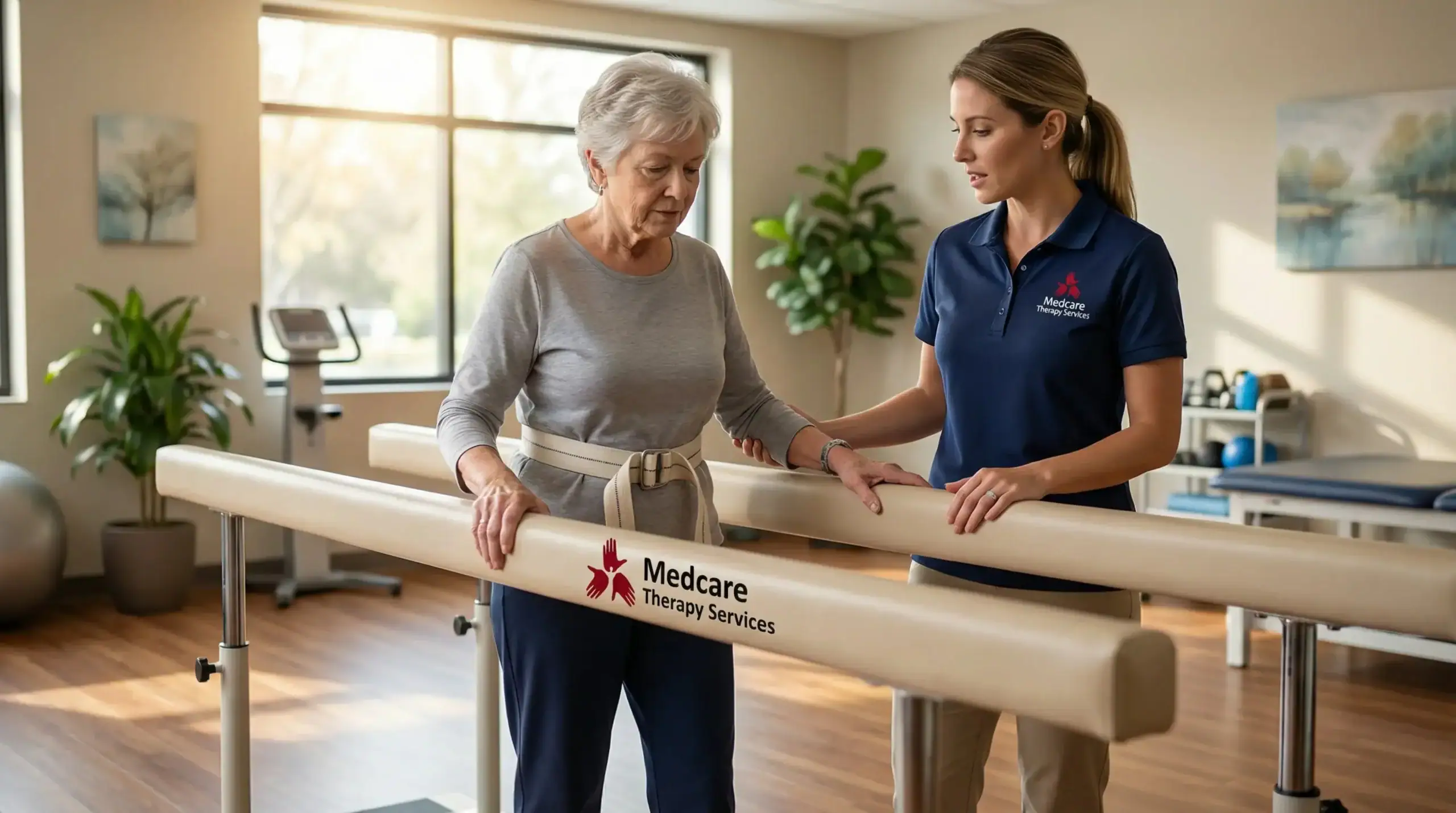
You’re not imagining it. Your balance isn’t what it used to be, and that changes everything about how you move through your day.
Getting up from a chair takes more thought. Walking to the mailbox feels riskier. Even reaching for something in the kitchen can make you pause and think twice.
The statistics are real. More than one out of four older adults falls each year, and falling once doubles your chances of falling again. But here’s what matters more: falls aren’t inevitable, and fear doesn’t have to run your life.
Physical therapy for balance works because it addresses what’s actually causing the instability. Weak muscles, slower reflexes, reduced flexibility, changes in how your body processes movement. These are all trainable. Regular exercise and targeted balance training can cut your fall risk in half.
That means fewer close calls. Less anxiety about stairs or uneven surfaces. More confidence doing the things you want to do in Noyack and around Long Island without constantly calculating risk.
We’ve been providing home-based physical and occupational therapy across Long Island for over 15 years. We’re a Medicare provider, and we accept nearly all commercial insurance plans.
Our therapists are licensed professionals who specialize in fall prevention and balance training for older adults. We come to your home in Noyack, so you don’t have to worry about transportation, weather, or getting to an office when you’re already dealing with mobility concerns.
Noyack’s quiet, residential streets and older housing stock mean many homes here have features that increase fall risk. Stairs without railings, uneven flooring, narrow doorways. We assess your specific environment and build a program around your real life, not a clinic setting.
You’re treated like family because that’s how small practices work. You’ll see the same therapist, get personalized attention, and have direct communication whenever you need it.

First, we come to your home for a full evaluation. Your therapist will assess your current balance, strength, flexibility, gait, and any specific risk factors like medication side effects or vision issues. We also look at your home environment to identify hazards.
From there, we build a personalized program. That includes static and dynamic balance exercises, strength training for your legs and core, flexibility work, and functional movements that mimic what you actually do every day. Getting in and out of the shower. Walking on different surfaces. Reaching overhead.
Sessions happen in your home on a schedule that works for you. Most people start with two to three visits per week. Each session lasts about 45 minutes to an hour, depending on your needs and tolerance.
You’ll also get exercises to do between visits. Consistency matters more than intensity when it comes to balance training. Small, regular efforts add up to measurable improvements in stability, strength, and confidence.
We track your progress and adjust the program as you improve. The goal isn’t just to reduce fall risk. It’s to give you back the freedom to move through your home and your life without fear.

Ready to get started?
Every program starts with a comprehensive fall risk assessment. We evaluate your balance, strength, coordination, posture, walking pattern, and reaction time. We also review your medications, health history, and any previous falls or close calls.
Your treatment plan includes exercises designed specifically for older adults. Balance exercises for seniors focus on improving stability in real-world situations, not just standing on one foot in a controlled environment. You’ll work on weight shifting, directional changes, dual-task training, and recovering from a stumble before it becomes a fall.
Strength training targets the muscle groups that matter most for preventing falls. Your legs, hips, ankles, and core. Stronger muscles mean better control and faster reactions when your balance is challenged.
We also address environmental risks. Long Island homes, especially in areas like Noyack, often have features that increase fall risk. Loose rugs, poor lighting, stairs without proper railings, clutter in walkways. We’ll help you identify what needs to change and how to make those changes practical.
You’ll receive education on footwear, vision, medication management, and other factors that contribute to falls. And because we accept Medicare and most commercial insurance, cost doesn’t have to be a barrier to getting the care you need.

Most people notice small changes within two to three weeks. You might feel steadier getting out of a chair or walking across a room. Measurable improvements in balance tests usually show up around the four to six week mark if you’re consistent with your exercises.
That said, everyone’s different. Your starting point, overall health, and how regularly you practice between sessions all affect your timeline. Someone who’s had multiple falls and significant muscle weakness will need more time than someone who’s dealing with mild instability.
The research is clear: balance training works at any age. Studies show that even adults over 80 see meaningful improvements in gait, posture, and stability with consistent exercise. The key is sticking with it long enough for your body to adapt and build new strength and coordination patterns.
Yes, if you meet Medicare’s criteria for homebound status and your doctor orders the therapy. Homebound doesn’t mean you never leave the house. It means leaving home takes considerable effort due to illness, injury, or mobility limitations.
Medicare Part B covers physical therapy when it’s medically necessary and provided by a licensed therapist. Fall prevention qualifies when there’s a documented risk and a skilled therapy plan to address it. You’ll typically have a copay after meeting your deductible, but the majority of the cost is covered.
We handle the insurance verification and billing process. Before starting treatment, we’ll confirm your coverage and let you know what your out-of-pocket costs will be. Most commercial insurance plans also cover home-based therapy, though specifics vary by plan. If you’re unsure about your coverage, we can check for you.
Home therapy lets us work with you in the environment where you actually live. We see the stairs you use every day, the bathroom layout, the flooring transitions, the lighting. That means we can address real risks and practice real movements, not generic exercises in a clinic gym.
There’s also no transportation barrier. If getting to appointments is difficult, stressful, or dependent on someone else’s schedule, you’re less likely to be consistent. We come to you, which removes that obstacle entirely.
For many older adults, especially those with mobility limitations, home therapy is safer. You’re not navigating parking lots, waiting rooms, or unfamiliar buildings. You’re in your own space, which reduces fall risk during the treatment process itself. And because we’re Medicare-certified and licensed, you’re getting the same quality of care you’d receive in any clinic—just with more convenience and personalization.
Falling is not a normal part of aging. It’s a sign that something’s changed with your strength, balance, reflexes, or environment. And those things are fixable.
The evidence is overwhelming. Regular balance and strength training can reduce fall risk by up to 50%. That’s not a small improvement. That’s the difference between living independently and ending up in the hospital with a hip fracture.
Here’s what happens: as you age, you lose muscle mass, your reflexes slow down, and your sensory systems don’t communicate as quickly. But your body still responds to training. When you challenge your balance, your brain builds new pathways. When you strengthen your legs, you improve your ability to catch yourself. When you practice weight shifting and directional changes, you get better at recovering from stumbles.
Every 11 seconds, an older adult is treated in the emergency room for a fall. Every 20 minutes, someone dies from a fall-related injury. Those aren’t inevitable statistics. They’re preventable with the right intervention, and that intervention is evidence-based exercise.
Your first visit is an evaluation. Your therapist will ask about your health history, medications, previous falls, current concerns, and what you want to be able to do more confidently. Then we’ll do a series of physical tests.
You’ll be asked to stand, walk, turn, reach, and move in different ways so we can assess your balance, strength, flexibility, and coordination. We’ll also look at how you get up from a chair, navigate stairs if you have them, and move through tight spaces. Everything is done at your own pace, and we’re right there to make sure you’re safe.
We’ll also walk through your home and identify environmental hazards. Rugs that could slip, lighting that’s too dim, clutter in pathways, anything that increases your risk. After the evaluation, we’ll explain what we found, what we recommend, and what your personalized treatment plan will look like. Then we’ll usually start with a few exercises right away so you leave the first session with something actionable.
Most fall prevention programs start with two to three sessions per week. That frequency gives you enough repetition to build strength and coordination while allowing time for recovery between sessions.
As you improve, we’ll often reduce frequency. You might drop to once a week, then move to a maintenance phase where you’re doing exercises on your own with occasional check-ins. The total length of treatment depends on your goals, your progress, and what your insurance covers.
Some people need a few weeks to regain confidence after a fall. Others benefit from several months of training to address long-standing weakness or balance issues. We’ll reassess regularly and adjust the plan based on how you’re doing. The goal is to get you strong and stable enough to maintain your progress independently, not to keep you in therapy longer than necessary.
Other Services we provide in Noyack