
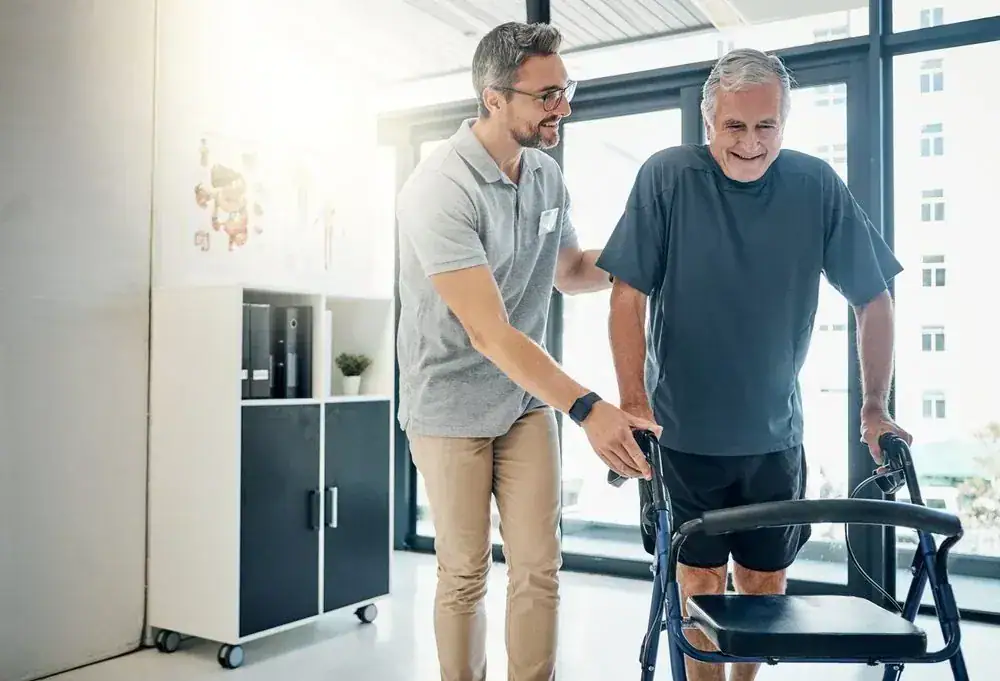
You stop planning your day around what feels safe. You walk to the mailbox without that knot in your stomach. You get up at night without holding your breath.
That’s what fall prevention actually does. It gives you back the movement you’ve been avoiding because you didn’t trust your legs anymore.
Every year, one in three adults over 65 falls. A lot of those falls happen at home—in the bathroom, on the stairs, getting out of bed. And most of them are preventable with the right training. Not just balance exercises for seniors, but real assessment of why you’re unsteady in the first place. Weak hips. Poor vision. Medications that make you dizzy. A rug that slides. We look at all of it.
The outcome isn’t just fewer falls. It’s fewer trips to the ER. Less fear. More confidence doing the things you’ve been putting off.
We’ve been providing home-based physical and occupational therapy across Suffolk and Nassau County for over 14 years. We work with people who can’t easily get to a clinic—or just don’t want to.
North Sea and the surrounding Hamptons communities have a growing population of older adults who want to age in place. That means staying in your own home, on your own terms. We help make that possible by coming to you.
Our therapists are licensed, experienced, and trained specifically in fall prevention. We don’t just hand you a sheet of exercises. We evaluate your home, your movement patterns, your medications, and your daily routine. Then we build a plan that actually fits your life.
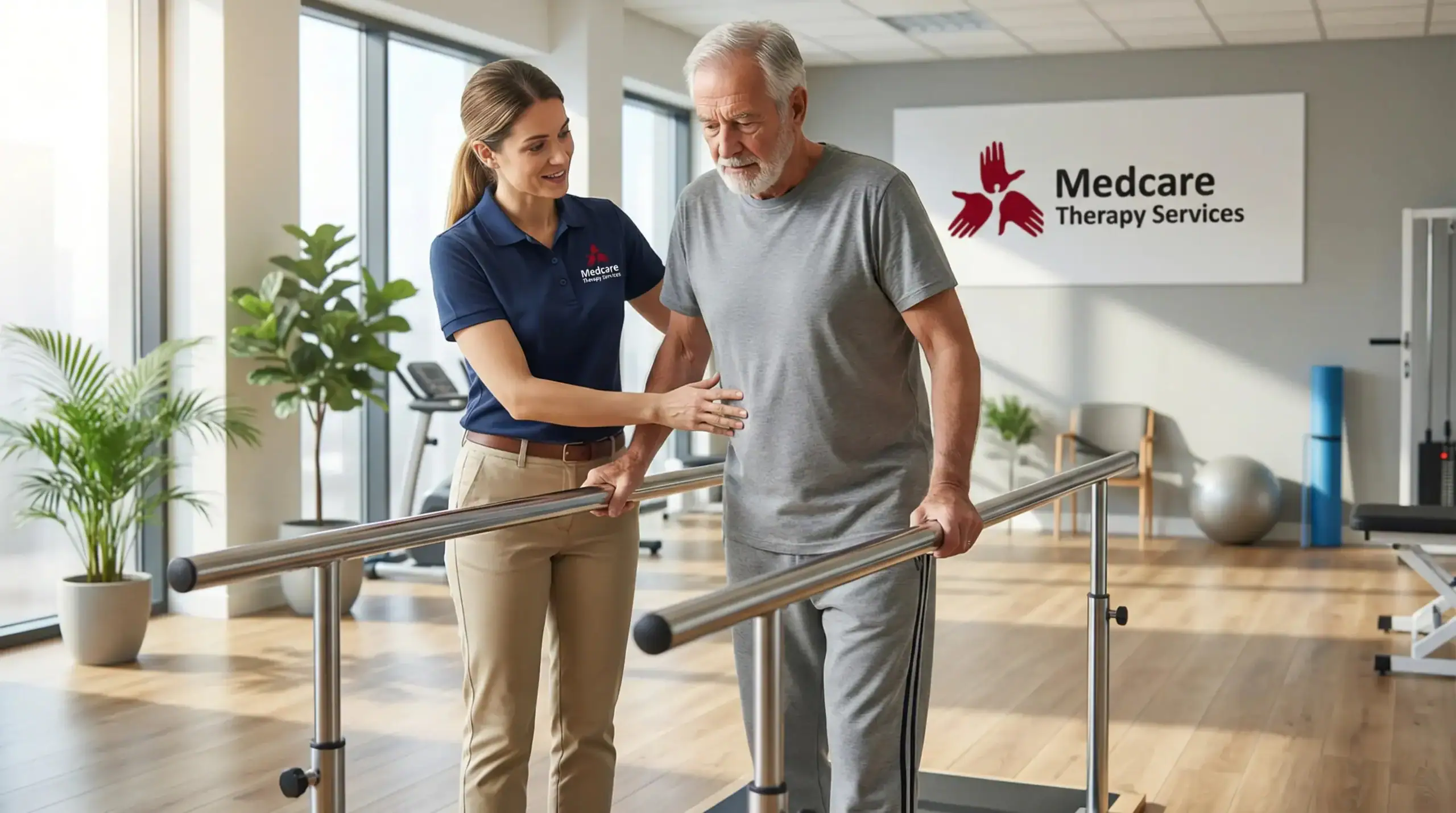
First, we schedule an in-home evaluation. A therapist comes to your house and spends time watching how you move—how you get out of a chair, walk down the hall, navigate stairs if you have them. We check your balance, your strength, your gait. We also look at your environment: lighting, rugs, bathroom setup, clutter.
Then we talk. About your health history. Medications. Any falls you’ve had. What you’re afraid of. What you want to be able to do again.
From there, we create a treatment plan. It usually includes strength training, balance exercises, and gait training. These aren’t generic senior balance exercises. They’re specific to what your body needs and what your home requires. If you’re unsteady turning around in the kitchen, we work on that. If getting out of the tub is scary, we address it.
Sessions happen in your home, on your schedule. You don’t need special equipment. Just space to move and a willingness to get stronger.
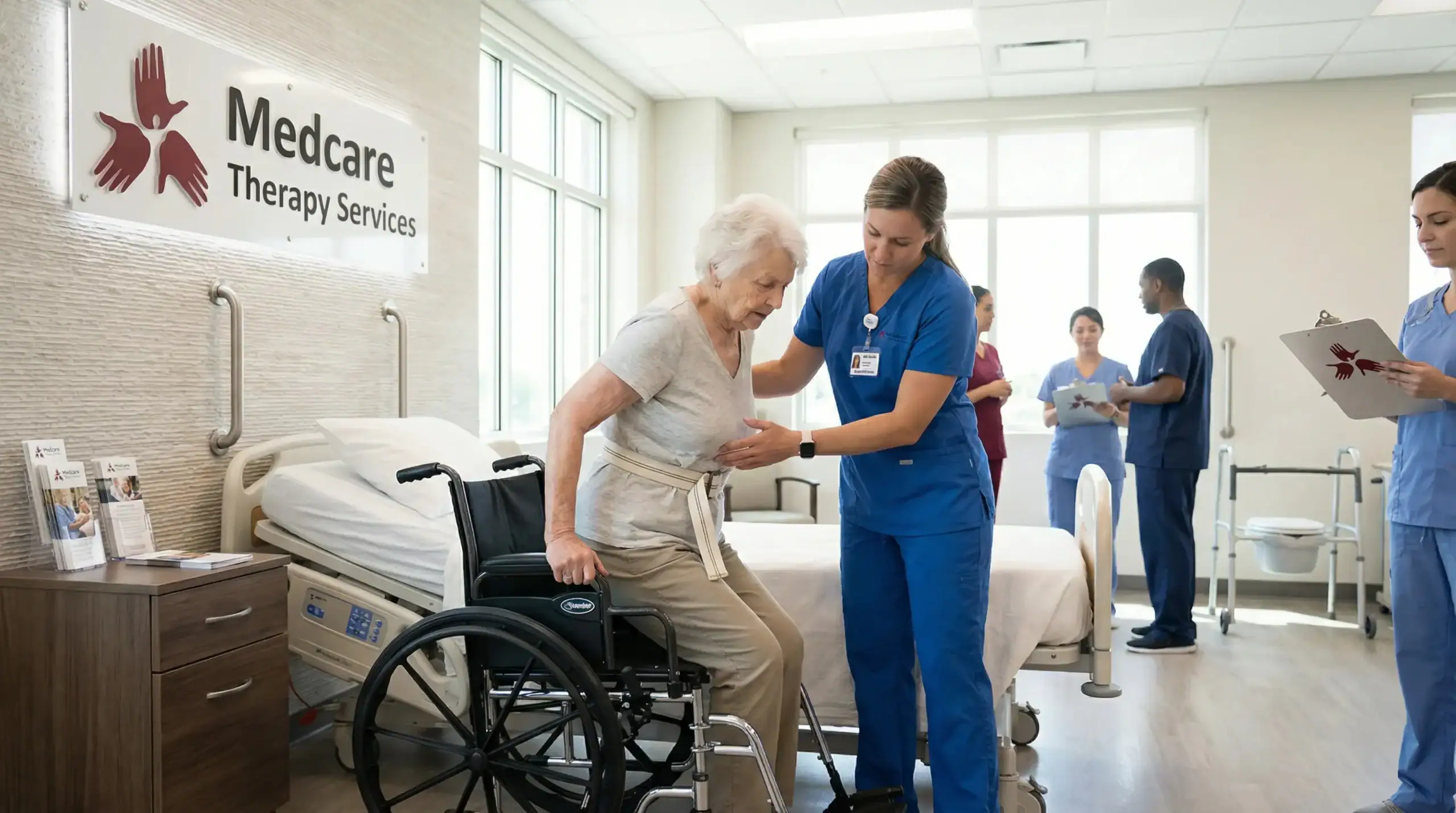
Ready to get started?
You get a full fall risk assessment. That means we measure your balance, test your strength, evaluate how you walk, and review any medical conditions or medications that might increase your risk. This isn’t a checklist. It’s a real look at what’s making you unsteady.
You also get a home safety evaluation. We identify hazards—loose rugs, poor lighting, missing grab bars, furniture placement. Then we recommend changes. Some are simple. Some require a little work. All of them matter.
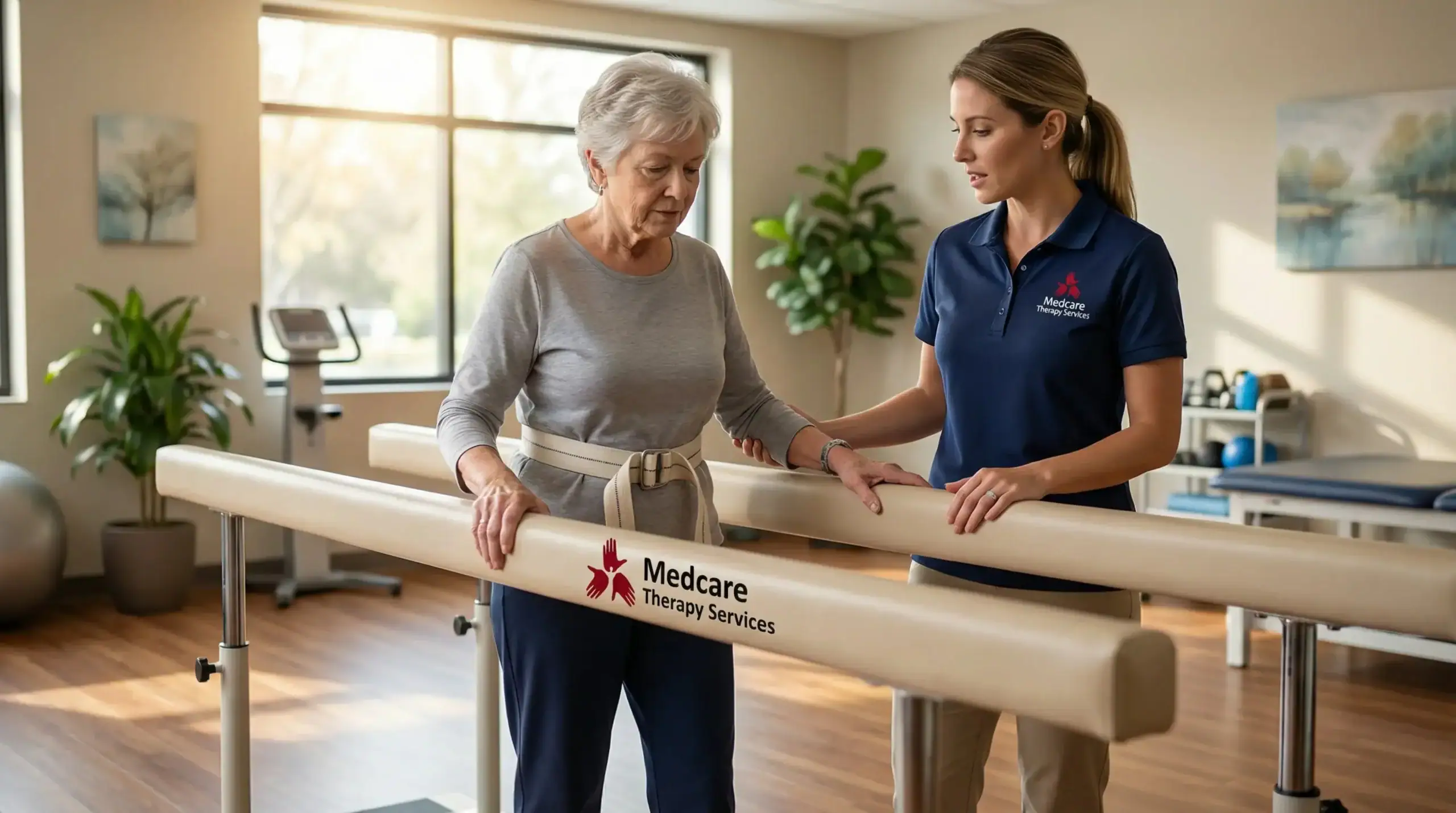
The therapy itself focuses on strength and balance. We work on your legs, your core, your posture. We practice movements that mimic real life—standing up from a low chair, reaching overhead, walking on uneven surfaces. We also teach you how to catch yourself if you start to lose your balance, and how to get up safely if you do fall.
On Long Island, where many homes have stairs, narrow hallways, and older layouts, this kind of site-specific training makes a huge difference. You’re not just doing exercises. You’re training for your actual environment.
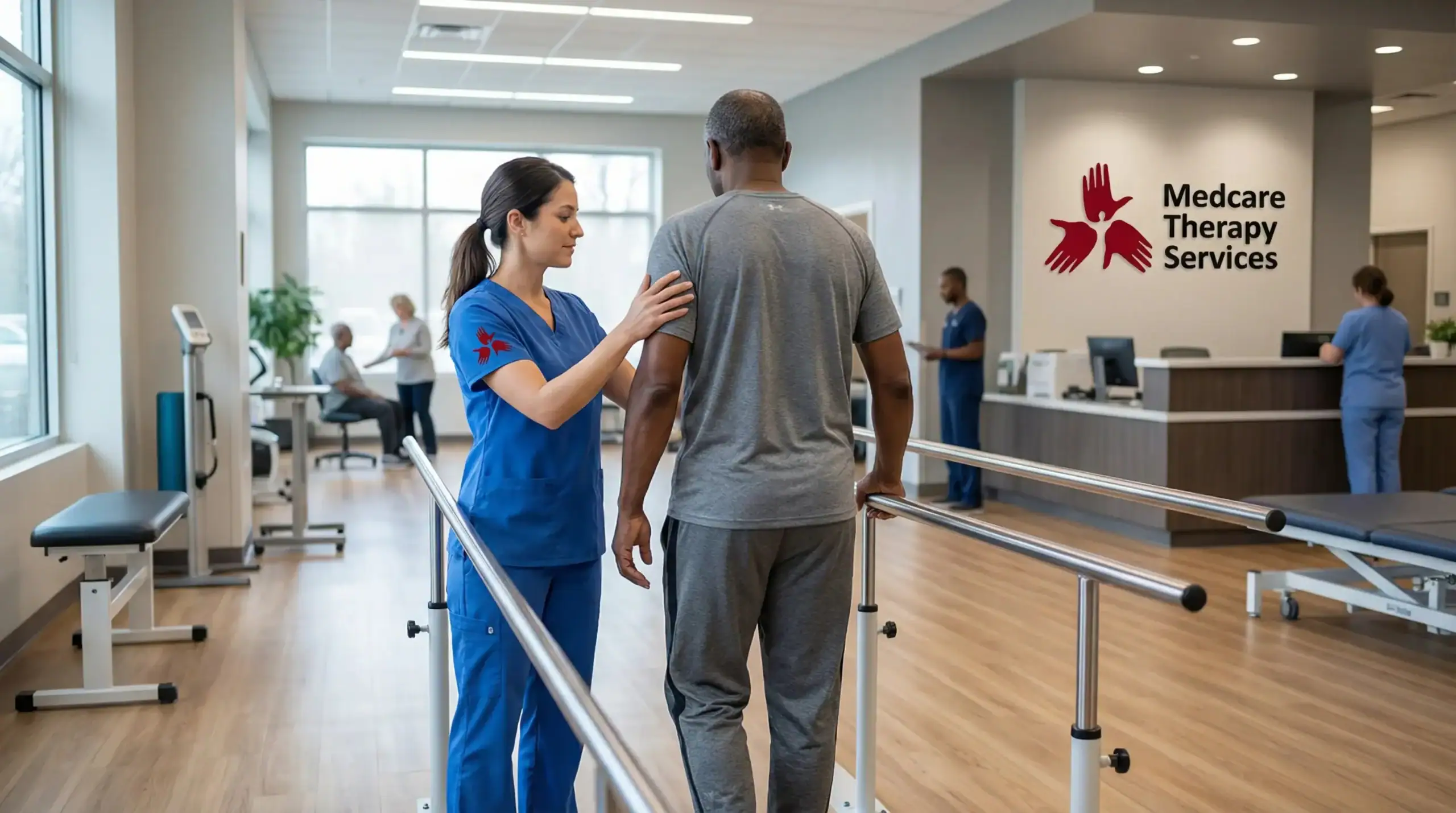
If you’ve fallen in the past year, you need it. If you feel unsteady when you walk, you need it. If you grab onto furniture or walls to get around your house, you need it.
A lot of people wait until after a fall to get help. But by then, you might be dealing with a broken hip or a head injury. The best time to start is when you first notice you’re not as steady as you used to be.
Other signs: you’ve stopped doing things because you’re afraid of falling. You avoid stairs. You don’t go outside as much. You’ve had a close call where you almost fell but caught yourself. These are all reasons to call.
Most Medicare and insurance plans cover home-based physical therapy if it’s medically necessary. That usually means you have a condition or injury that limits your ability to leave home safely, or your doctor has referred you for fall prevention after a fall or near-fall.
We handle the insurance verification and billing. You’ll want to check your specific plan for copays or deductibles, but in most cases, if your doctor orders it, it’s covered.
If you’re not sure, call us. We can check your benefits before the first visit so there are no surprises.
Online exercises are generic. Physical therapy is specific to you. A video can’t tell you why you’re unsteady. It can’t see that your right leg is weaker than your left, or that you’re compensating with your upper body, or that your hip flexors are too tight to lift your foot high enough to clear a threshold.
A therapist can. And that assessment is what makes the treatment work. We figure out what’s actually causing the problem, then design exercises that fix it.
We also progress the exercises as you get stronger. What you do in week one won’t be the same as week six. And we make sure you’re doing them correctly, which matters more than people think. Bad form doesn’t just waste your time—it can make things worse.
It depends on where you’re starting and what your goals are. Most people see improvement in 6 to 8 weeks with consistent sessions—usually two to three times a week.
Some people need less time. Some need more. If you’ve had a recent fall or surgery, it might take longer. If you’re just starting to feel unsteady and want to get ahead of it, you might progress faster.
The goal isn’t to keep you in therapy forever. It’s to get you strong and stable enough to maintain it on your own. We’ll teach you exercises you can keep doing after therapy ends.
Yes. Even if you’ve fallen more than once, therapy can reduce your risk going forward. Falling doesn’t mean you’re destined to keep falling.
What it does mean is that something isn’t working—your strength, your balance, your environment, or some combination. Therapy helps you identify and fix those things.
We’ve worked with plenty of people who’ve had multiple falls. Some had fractures. Some had surgery. Some just lost confidence and stopped moving. In almost every case, they got stronger and steadier with the right program. It’s not too late.
We cover North Sea and the surrounding areas across Suffolk and Nassau County. That includes the Hamptons, the North Fork, and towns throughout Long Island—places like Amagansett, Bridgehampton, East Hampton, Southampton, Riverhead, and dozens of others.
If you’re not sure whether we cover your area, just ask. We’ve been serving Long Island for over a decade, and our therapists travel throughout the region.
Our goal is to make therapy accessible, especially for people who have a hard time getting to appointments. If you’re in our service area and you need help, we’ll come to you.
Other Services we provide in North Sea