
You stop planning your day around what feels safe. The bathroom at night, the stairs to the basement, walking on uneven pavement—these stop being calculated risks and start being normal again.
Your confidence comes back first. Then your activity level. Then the things you’ve been avoiding—visiting friends, going to the store alone, taking a walk around the neighborhood.
One in four adults over 65 will fall this year. But falls aren’t inevitable, and they’re not just part of getting older. Your balance can improve whether you’re 65 or 95. Consistent training improves gait, posture, and stability even in adults over 80. The difference is having a program that’s built for you—not a generic exercise sheet, but an assessment of your specific risk factors and a plan that addresses them.
We’ve been helping Long Island residents stay active and independent across multiple locations for years. We’re not a corporate chain. We’re local physical therapists who understand what it’s like to age in Suffolk County—the homes, the weather, the lifestyle.
North Patchogue and the surrounding areas have seen a significant increase in older adults over the past decade. Suffolk County alone now has 36.9% of households with residents 65 and older. That means more people are looking for care that respects their independence while addressing real safety concerns.
We take fall prevention seriously because the stakes are serious. More than 3 million older adults end up in the emergency room each year due to fall-related injuries. We’d rather see you here than there.

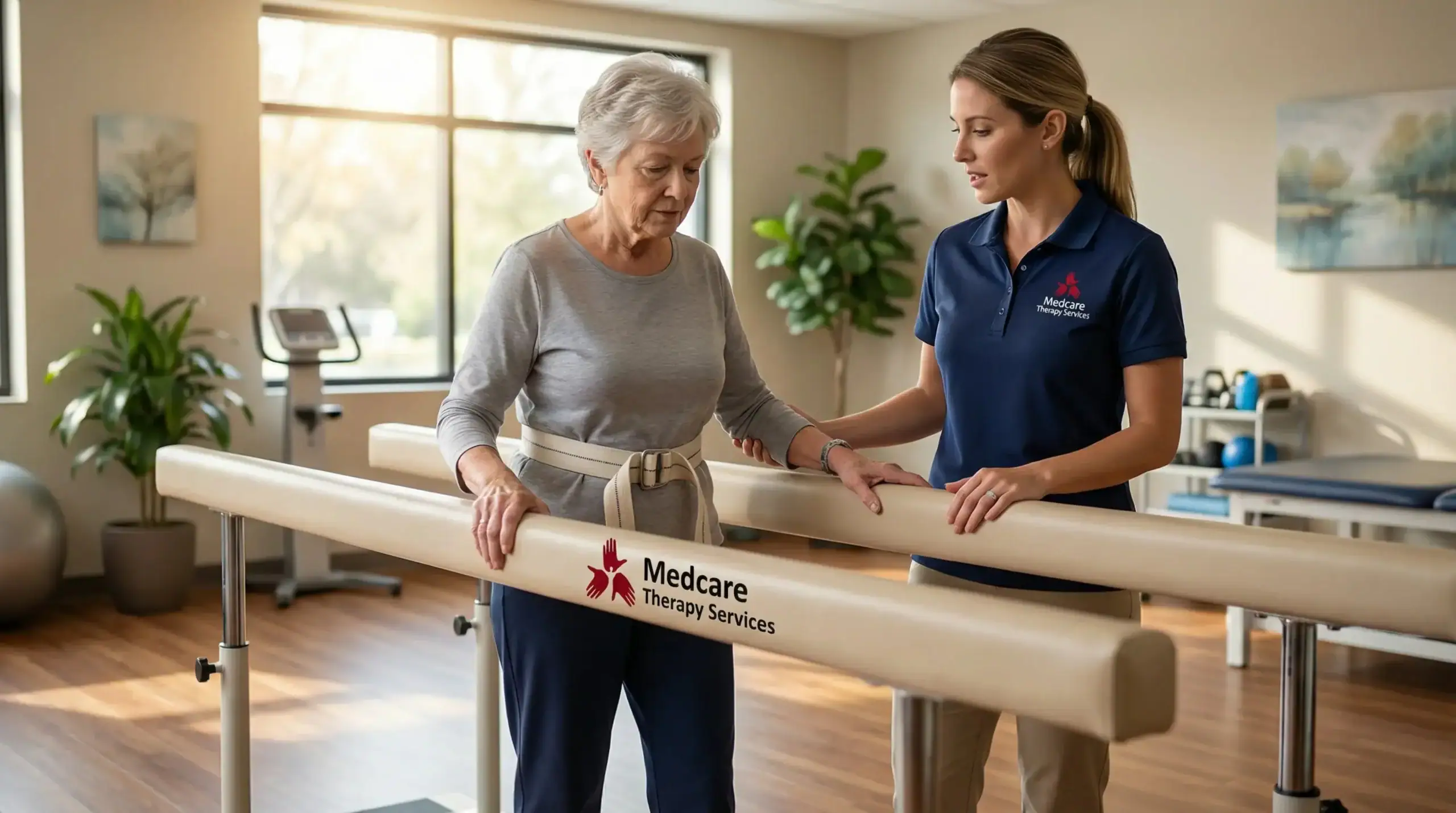
You start with an evaluation. We assess your gait, balance, strength, flexibility, and any medications that might affect stability. We also talk about your home environment and where falls are most likely to happen.
From there, we build a program. That usually includes balance exercises for seniors that challenge your stability in controlled ways, strength training to support your joints and muscles, and specific movements that mimic real-life scenarios—stepping over objects, reaching for items, turning quickly.
Sessions are typically twice a week to start. You’ll also get exercises to do at home because consistency matters more than intensity. We adjust as you improve, and we keep your physician in the loop if there are any medical factors we need to coordinate around.
The goal isn’t just to prevent falls. It’s to give you back the freedom to move without second-guessing every step.

Ready to get started?
Every program includes a personalized balance assessment, a structured exercise plan, and education on reducing fall hazards at home. You’ll work on exercises that improve your reaction time, strengthen your core and lower body, and train your body to recover if you do start to lose your balance.
We also address the fear of falling, which is a risk factor in itself. Fear leads to reduced activity, which leads to weaker muscles and worse balance. It’s a cycle, and we help you break it.
For North Patchogue residents, we also consider the specifics of Long Island living. Many homes here have stairs, basements, and older layouts that weren’t designed with aging in place in mind. We give you practical recommendations that don’t require a full renovation—better lighting, grab bars in key spots, removing tripping hazards like loose rugs.
If you’ve already had a fall, we work with you on regaining confidence and rebuilding strength. If you haven’t but you’re noticing balance issues, we help you get ahead of it. Either way, the program is based on evidence, not guesswork. Research shows that exercise and activity can reduce fall risk by up to 50%.

If you’ve fallen in the past year, you need an evaluation. If you feel unsteady when walking, avoid certain activities because you’re worried about falling, or if you’ve noticed your balance isn’t what it used to be, those are all signs.
Other red flags include difficulty getting up from a chair without using your hands, feeling dizzy or lightheaded when you stand, or taking medications that list dizziness as a side effect. Even if you haven’t fallen yet, these factors increase your risk.
A lot of people wait until after a fall to get help. But by then, you’re recovering from an injury and dealing with the fear that comes with it. It’s much easier to prevent a fall than to recover from one. If you’re asking the question, that’s usually reason enough to get assessed.
You’ll do exercises that challenge your balance in safe, progressive ways. That might include standing on one leg, walking heel-to-toe in a straight line, or practicing weight shifts from side to side. We also use exercises that train your body to react—like reaching for objects while standing or stepping over obstacles.
Strength training is part of it too. Weak hips, knees, and ankles make it harder to catch yourself if you start to fall. So we’ll work on exercises that build strength in your lower body and core.
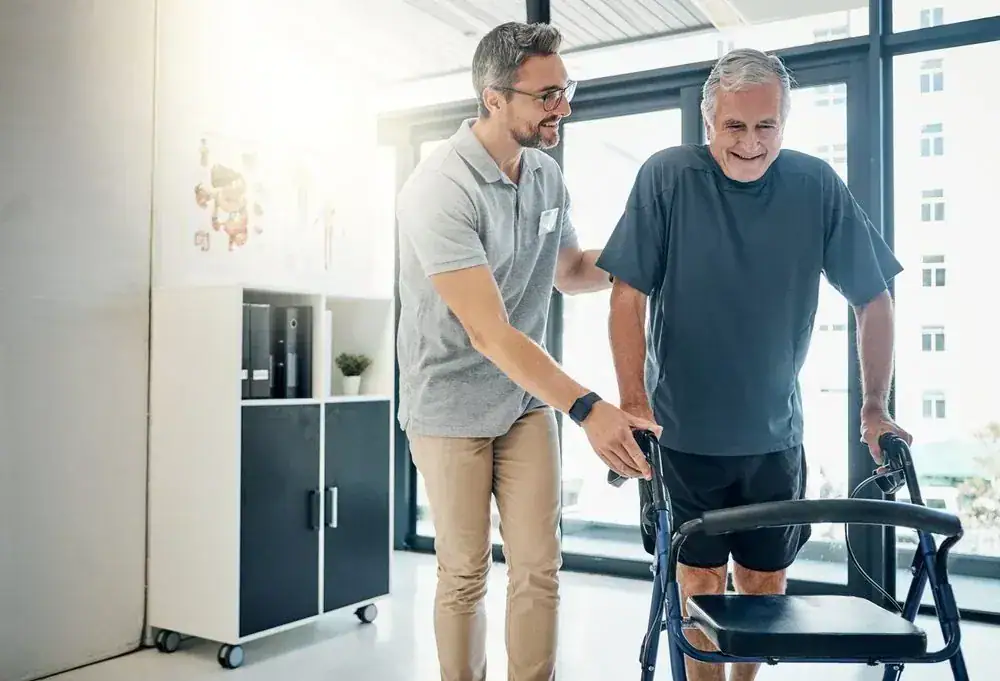
Everything is tailored to your current ability. If you’re using a walker, we work with that. If you have arthritis or joint pain, we modify around it. The exercises might feel challenging, but they shouldn’t feel dangerous. The whole point is to improve your confidence, not shake it.
Most Medicare plans and major insurance providers cover physical therapy for fall prevention, especially if you’ve had a fall or your doctor has noted balance issues. Coverage depends on your specific plan and whether therapy is deemed medically necessary.
We work with insurance companies regularly and can verify your benefits before you start. If you have a referral from your physician noting balance problems, gait issues, or a history of falls, that strengthens the case for coverage.
Even if you’re paying out of pocket, the cost of a fall—both financially and physically—is much higher than the cost of prevention. Hip fractures alone can lead to surgery, rehab, and long-term care needs. We’d rather help you avoid that scenario altogether. Call us and we’ll walk you through what your plan covers and what your options are.
Most people see improvement within 6 to 8 weeks, but the timeline depends on where you’re starting from and how consistent you are with the exercises. If you’ve had a recent fall or surgery, it might take longer. If you’re just noticing minor balance changes, you might progress faster.
Sessions are usually twice a week to start, and each session lasts about 45 minutes to an hour. As you get stronger and more confident, we may reduce the frequency and shift more of the work to home exercises.
The program doesn’t end after 8 weeks if you still need support. Some people continue with maintenance sessions once a month to stay on track. Others graduate and just keep up with their home exercises. We adjust based on your goals and your progress. The point is to get you to a place where you feel stable and confident—not to keep you in therapy longer than necessary.
Yes. In fact, if you’ve fallen more than once, that’s a strong indicator that something needs to change—whether it’s your strength, your balance, your home environment, or a combination of factors. Repeat falls don’t just happen because of bad luck.
We’ll start by identifying why you’re falling. Is it muscle weakness? Poor balance? Medication side effects? Vision issues? Environmental hazards? Often it’s more than one thing. Once we know what’s contributing, we can build a plan that addresses the root causes.
You’ll work on rebuilding strength and stability, and we’ll also talk through what was happening right before your falls. Were you rushing? Reaching for something? Walking in low light? Those details help us create strategies that reduce risk in your actual daily life. People who’ve had multiple falls can absolutely regain their confidence and independence. It just takes a targeted approach and consistency.
Start with your environment. Remove loose rugs, clear clutter from walkways, and make sure your home is well-lit—especially hallways, stairs, and bathrooms. Add grab bars near the toilet and in the shower if you don’t have them already. Keep items you use frequently within easy reach so you’re not climbing on stools or chairs.
Wear shoes with non-slip soles, even indoors. Socks and slippers can be slippery, especially on hardwood or tile. If you wear glasses, make sure your prescription is up to date. Vision problems contribute to a lot of falls.
Stay active, even on days you’re not in therapy. Walk around your home, practice standing from a seated position, or do simple balance exercises we give you. The more you move, the better your body gets at stabilizing itself. And if you feel dizzy or unsteady, don’t push through it. Sit down, and let your therapist know at your next session. Those symptoms are important information.
Other Services we provide in North Patchogue