
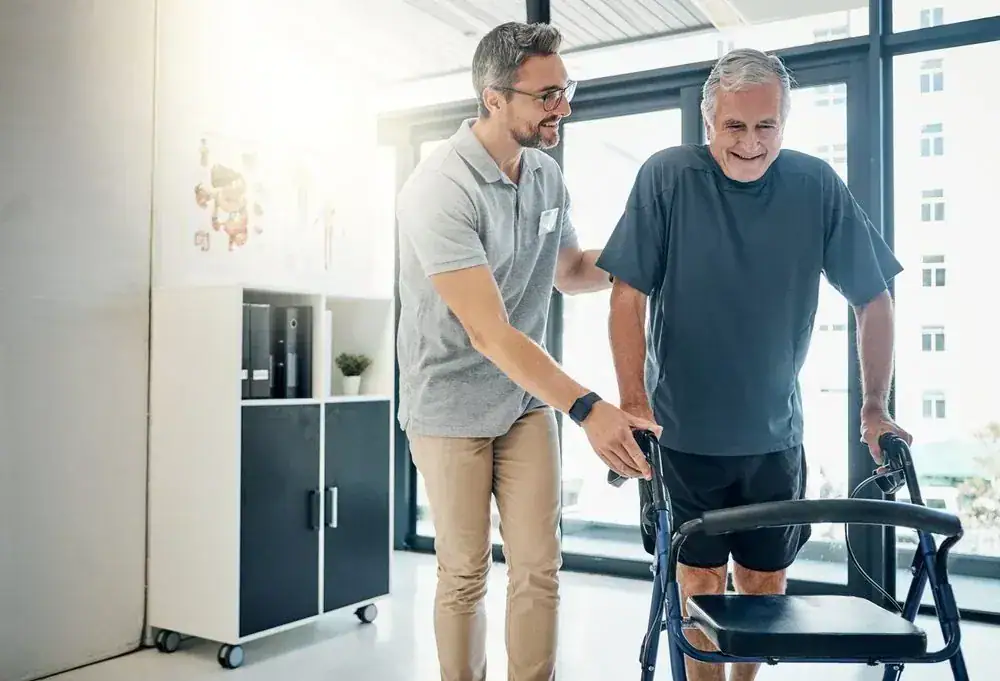
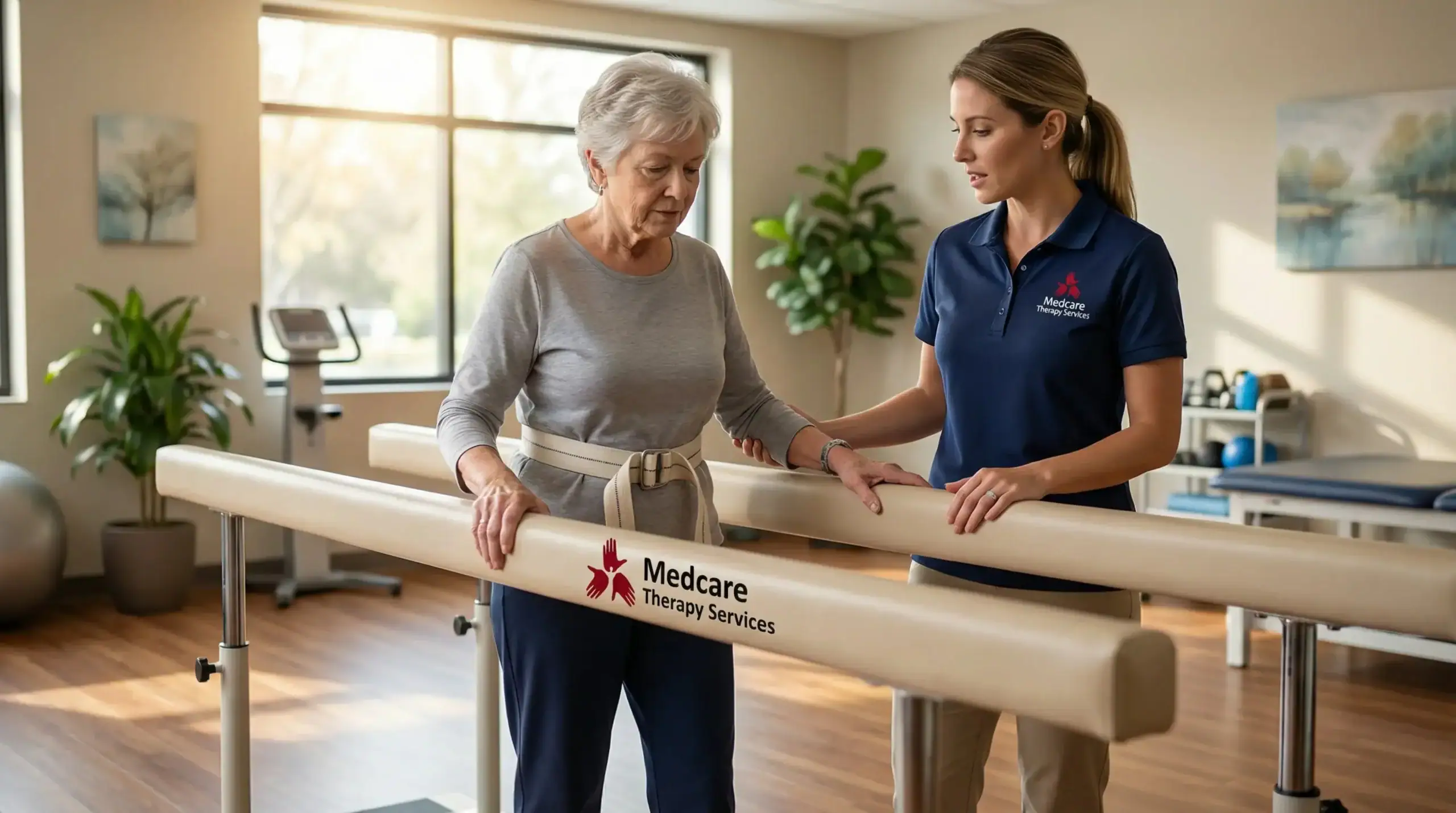
You stop planning your day around what feels safe. Stairs don’t require a mental pep talk anymore. Walking to the mailbox or getting out of the shower becomes automatic again, not something you brace for.
That shift happens when balance training addresses the actual problem, not just the fear. Physical therapy for balance works on strength, coordination, and the specific movements that feel unstable right now. You’re not just doing generic exercises—you’re retraining the systems that keep you upright.
Most people notice steadier movement within a few weeks. The bigger change is mental: you stop second-guessing every step. Your family stops watching you like you’re about to tip over. You get back to doing things without that constant low-level worry that’s been sitting in the background since your last fall or near-miss.
We work with older adults across Nassau County who want to stay independent without the constant fear of falling. Our licensed physical therapists understand how balance issues develop—and more importantly, how to reverse them through targeted treatment.
North Merrick and the surrounding communities have a large population of adults over 60, and we see the same patterns repeatedly: a fall or close call leads to reduced activity, which weakens balance further, which increases fall risk. We interrupt that cycle with personalized programs that rebuild strength and coordination where you actually need it.
We’re not a high-volume clinic rushing you through cookie-cutter exercises. Your treatment plan is based on your specific balance deficits, your home environment, and what you need to do confidently in your daily life.
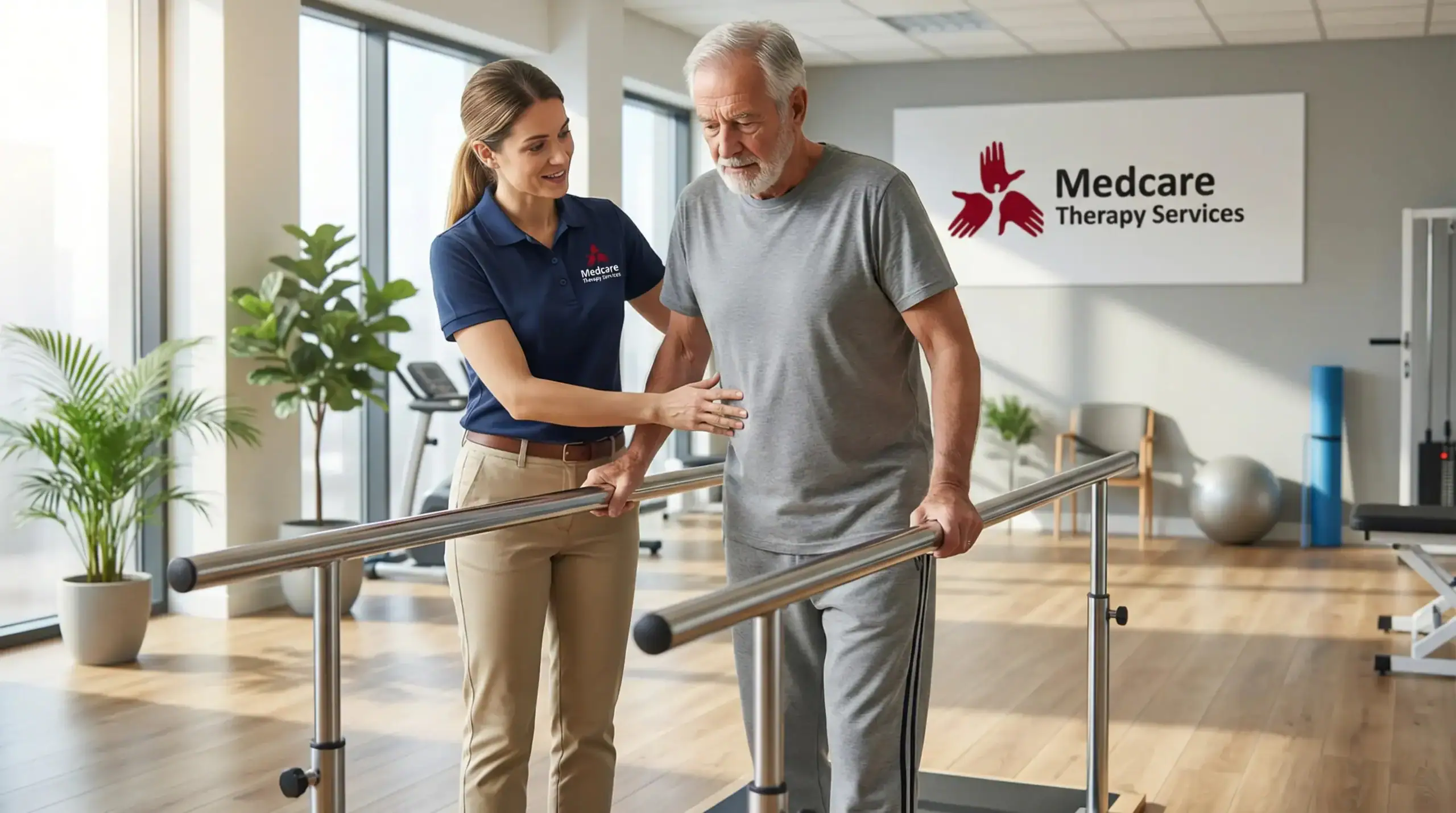
Your first session starts with a fall risk assessment. We test your balance, gait, strength, and reaction time to identify exactly where the instability is coming from. Some people have weak ankles. Others have inner ear issues affecting their vestibular system. Many have vision or medication factors contributing to unsteadiness. We figure out your specific situation before designing anything.
From there, you get a personalized treatment plan. That typically includes balance exercises for seniors tailored to your deficits—not just general stretches, but targeted movements that retrain your body’s balance responses. We also work on strength training for your legs and core, gait training to improve how you walk, and functional exercises that mimic real activities you do at home.
Sessions are one-on-one with your physical therapist. You’re not in a group class doing the same thing as everyone else. We adjust your program as you improve, adding challenge when you’re ready and modifying when something isn’t working. Most people come twice a week initially, then taper as they build confidence and capability.
We also talk through your home setup. A lot of falls happen on stairs or in bathrooms, and small changes to lighting, rugs, or grab bar placement can make a significant difference while you’re building physical stability.

Ready to get started?
You get a full evaluation that measures your current balance, strength, flexibility, and walking pattern. That assessment tells us where the risk is highest and what needs the most attention. From there, your program includes specific balancing exercises designed to challenge your stability in a controlled way—standing on uneven surfaces, weight shifting, reaction drills, and movements that retrain your body’s automatic balance responses.
Strength work focuses on your legs, hips, and core because those areas directly affect how well you stay upright. We’re not talking about heavy lifting—this is functional strength that supports the movements you do every day. Gait training improves how you walk, turn, and navigate obstacles, which is where a lot of falls actually happen.
In Nassau County, where many homes have stairs, steps, and older layouts, we also address environmental factors. You’ll learn what modifications reduce risk at home and how to move more safely in spaces that aren’t perfectly flat or well-lit. One-third of people over 65 fall each year, and many of those falls are preventable with the right combination of physical training and environmental awareness. That’s what this program is built to address.
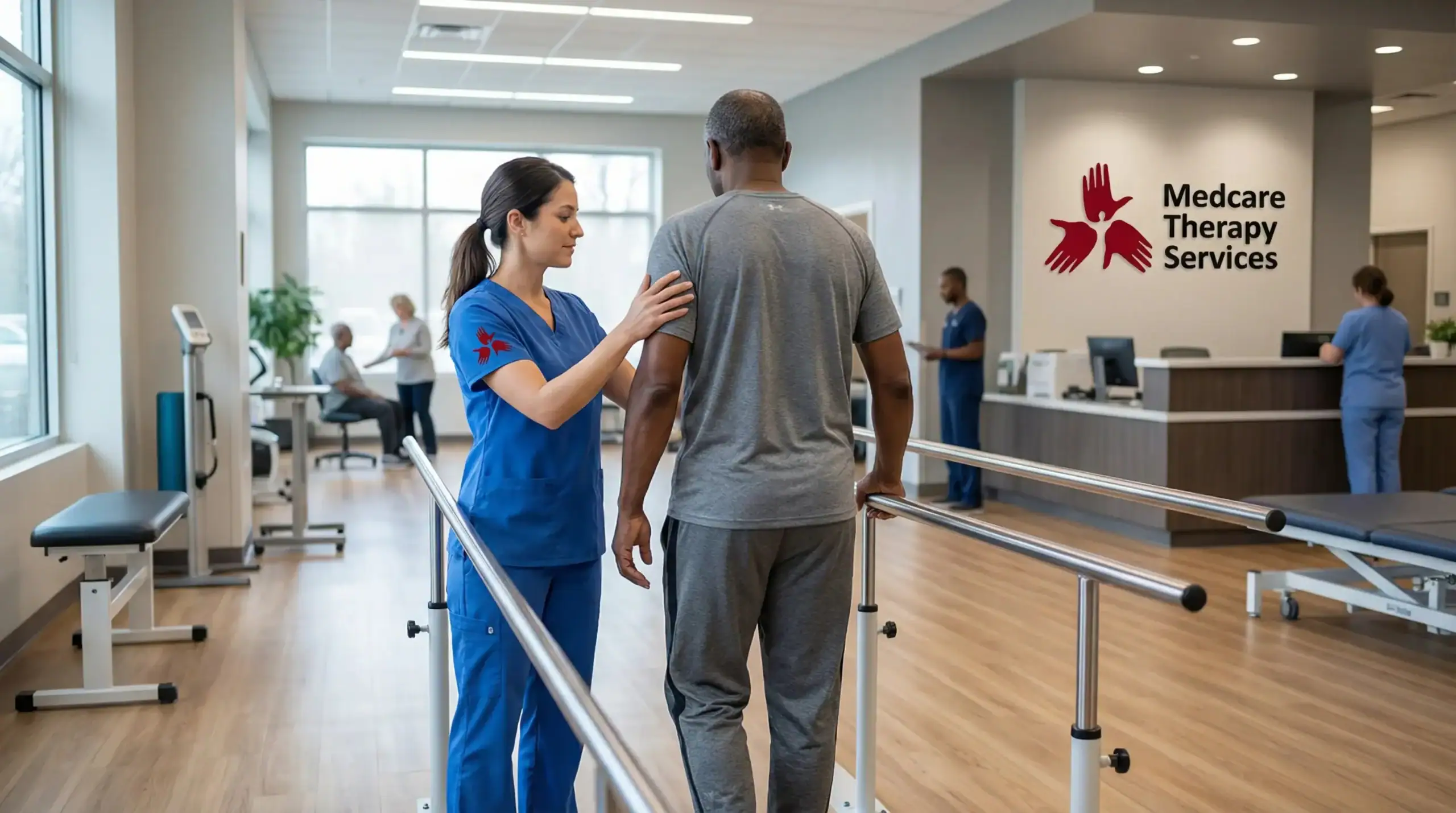
Most people notice steadier movement and more confidence within three to four weeks of consistent therapy. That doesn’t mean you’re done at that point—it means the initial improvements become noticeable in how you move through your day.
Full programs typically run eight to twelve weeks depending on your starting point and goals. Some people need less time if they’re coming in after a minor balance issue. Others need more if they’re recovering from a fall or dealing with multiple contributing factors like medication side effects or vestibular problems.
The timeline also depends on how often you come in and whether you’re doing your home exercises between sessions. Twice a week with consistent practice at home gets faster results than once a week with no follow-through. Your therapist will give you a realistic estimate after your initial assessment based on what they’re seeing.
Fall prevention therapy is specifically designed to address balance deficits and reduce fall risk. Regular physical therapy might focus on recovering from surgery, managing chronic pain, or improving mobility after an injury. Fall prevention zeroes in on the systems that keep you upright—your vestibular system, your proprioception, your leg strength, your gait pattern, and your reaction time.
The exercises are different too. You’re doing a lot of balance training on unstable surfaces, weight-shifting drills, and functional movements that mimic situations where falls happen—turning quickly, stepping over objects, walking on uneven ground. It’s not about general fitness. It’s about retraining your body to catch itself before you go down.
Your therapist will also spend time on fall risk assessment and education. You’ll learn what environmental factors increase your risk at home and how to modify your space. That’s not typically part of standard PT, but it’s critical for elderly fall prevention because physical ability is only part of the equation.
Most Medicare and private insurance plans cover physical therapy for balance disorders and fall prevention when it’s medically necessary. That usually means you’ve had a fall, you’ve had a near-fall, or your doctor has identified you as high-risk based on your age, medical history, or current balance issues.
We verify your coverage before you start and let you know what your out-of-pocket costs will be. Some plans require a referral from your primary care doctor. Others let you come in directly. Co-pays and deductibles vary depending on your specific plan, but we handle the billing and work with your insurance so you’re not dealing with paperwork confusion.
If you’re not sure whether you’re covered, call us. We can check your benefits and explain what’s covered under your plan before you commit to anything. Transparency on cost is part of how we operate—you shouldn’t have to guess what you’re paying for healthcare.
It’s not too late. Actually, having one fall makes fall prevention therapy more important, not less. After a fall, most people reduce their activity because they’re scared it’ll happen again. That inactivity weakens your muscles and worsens your balance, which increases the chance of another fall. It’s a cycle that gets harder to break the longer you wait.
Fall prevention therapy after a fall focuses on rebuilding the strength and stability you lost, addressing whatever caused the first fall, and retraining your confidence so you’re not moving tentatively. Tentative movement actually increases fall risk because you’re not using your full range of motion or engaging your muscles properly.
We see people all the time who come in after a fall and make significant progress. The key is starting before you lose too much ground. The longer you wait and the more you limit your activity out of fear, the harder it becomes to regain what you’ve lost. But even if it’s been months since your fall, targeted therapy can still make a real difference in your stability and independence.
No. Most of the exercises we give you for home practice use things you already have—a sturdy chair, a countertop, a wall for support. We design your home program around what’s practical and safe in your actual living space, not around equipment you’d have to buy or store.
Some people benefit from small additions like a balance pad or resistance band, and we’ll recommend those if they’d help. But they’re not required. The goal is to make your program sustainable, and that means keeping it simple enough that you’ll actually do it between sessions.
In the clinic, we have specialized equipment for balance training—force plates, balance boards, parallel bars, and other tools that let us measure your progress and challenge you in controlled ways. But your home exercises are built to fit into your daily routine without needing a home gym. Consistency matters more than equipment, and we’d rather you do simple exercises regularly than skip complicated ones because they’re too much hassle.
They actually prevent falls when done correctly and consistently. Research shows that structured balance training reduces fall risk by nearly 25% in older adults. That’s not a delay—that’s a measurable reduction in how often falls happen. The exercises work by improving the physical systems that keep you stable: leg strength, core strength, reaction time, and proprioception (your body’s sense of where it is in space).
Senior balance exercises also retrain your automatic responses. When you start to tip or lose your footing, your body has a split second to correct itself. Balance therapy improves that corrective response so your body catches you before you go down. That’s a skill that degrades with age and inactivity, but it’s also a skill you can rebuild with the right training.
The catch is that the exercises have to be challenging enough to create change. Doing the same basic movements week after week without progression won’t cut it. That’s why working with a physical therapist matters—we adjust your program as you improve so you’re always working at the edge of your current ability. That’s where real improvement happens, and that’s what actually reduces your fall risk instead of just maintaining where you are now.
Other Services we provide in North Merrick