
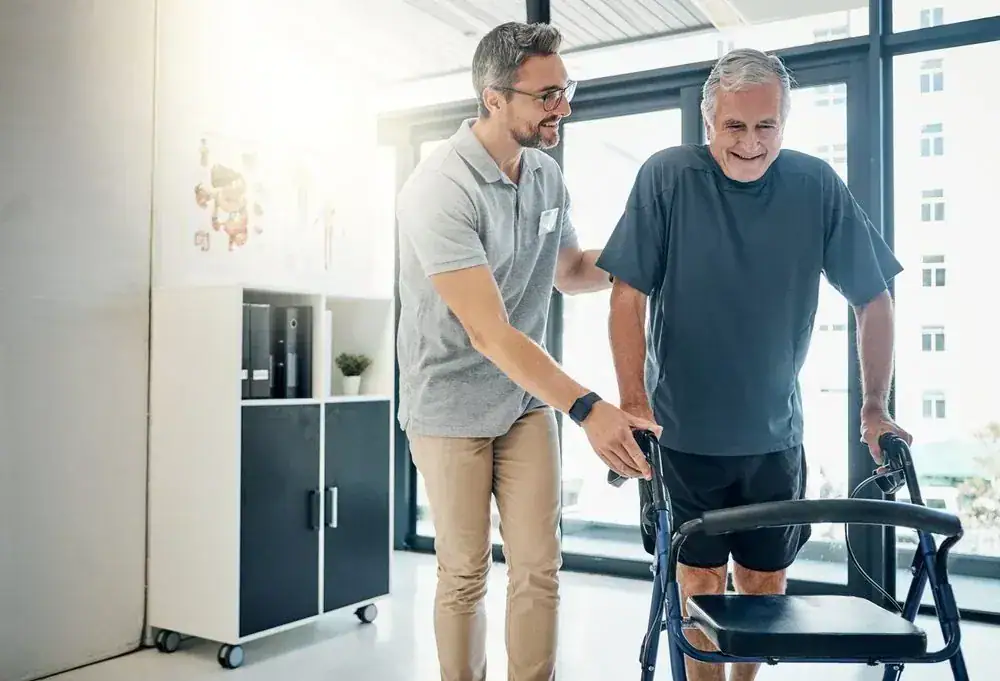
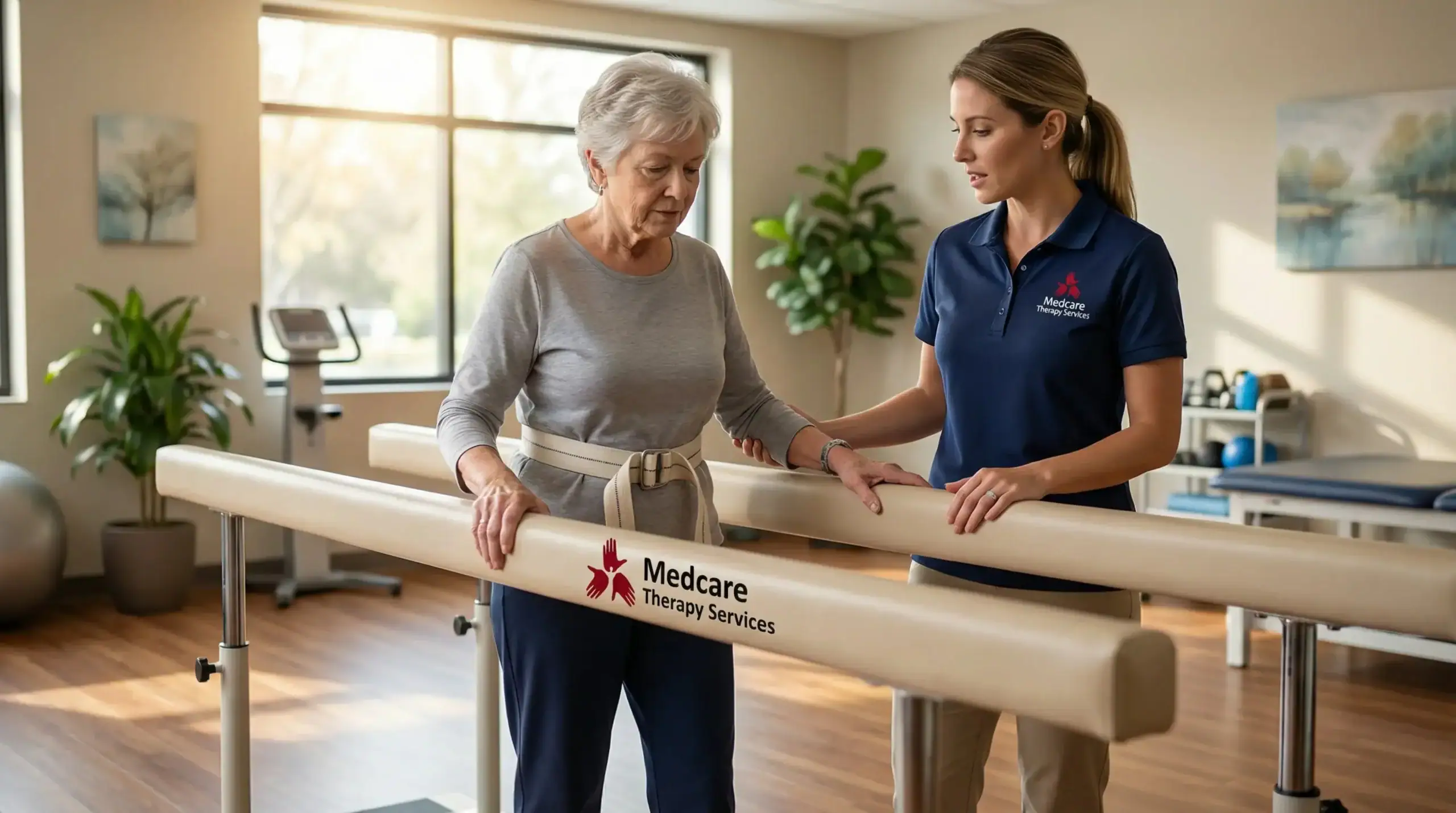
You stop planning your day around what’s safe and start doing what you want. Getting the mail doesn’t require a strategy. You’re not gripping the counter every time you reach for something.
Most people don’t realize how much they’ve pulled back until they start getting that freedom back. Walking on uneven pavement. Turning your head without losing your footing. Standing up from a chair without bracing yourself first.
That’s what happens when you work with someone who understands elderly fall prevention as a process, not a checklist. You get stronger in the areas that actually matter for your daily life. The exercises aren’t generic. They’re built around what you need to do, where you live, and what’s been holding you back.
And if you’ve already fallen, you know the stats don’t matter. What matters is making sure it doesn’t happen again. Falling once doubles your chance of falling again, but the right physical therapy for balance cuts that risk significantly.
We’ve been helping people across Long Island stay steady, strong, and independent for over two decades. We’re not new to this. We’ve worked with thousands of older adults who were afraid to walk to the bathroom at night or couldn’t trust their legs on the stairs.
Our New Hyde Park location serves the surrounding communities with the same approach we’ve used since day one: one-on-one care, real assessments, and treatment plans that reflect your actual life. Not a template. Not a handout. A plan that fits your goals, your home, and your body.
You’ll work with licensed physical therapists who specialize in geriatric care and balance disorders. Our facilities are designed with older adults in mind—accessible, equipped properly, and staffed by people who won’t rush you through an appointment.

First, we assess where you’re actually at. That means testing your balance, reviewing your medications, talking through any previous falls, and looking at strength, flexibility, and how your vestibular system is functioning. This isn’t a quick screening. It’s a full picture.
From there, we build a treatment plan. If your issue is inner ear related, we use vestibular therapy to retrain how your brain processes balance signals. If it’s strength, we focus on the muscle groups that keep you upright and stable. If it’s environmental, we talk through your home setup and what’s creating risk.
You’ll do balance exercises for seniors that are evidence-based and progressed at your pace. Some are simple. Some get harder as you improve. All of them are designed to carry over into real movement—not just performance in the clinic.
We also coordinate with your doctor if needed, especially if medications are contributing to dizziness or instability. And if a home safety evaluation makes sense, we’ll walk you through what to look for or adjust.

Ready to get started?
Fall prevention isn’t one thing. It’s a combination of assessment, treatment, education, and follow-through. You’ll receive a personalized program that includes senior balance exercises, gait training, strength work, and if applicable, vestibular rehabilitation.
We also look at the bigger picture. In New Hyde Park and across Nassau County, many homes were built decades ago. That means stairs without railings, narrow bathrooms, poor lighting, and flooring that’s slippery when wet. We help you identify those hazards because more than half of fall-related hospitalizations happen at home.
You’ll get guidance on footwear, assistive devices if needed, and how to manage fatigue or medication side effects that increase fall risk. If you’re taking four or more medications, that alone puts you at higher risk—and it’s something we flag and discuss.
Our goal isn’t to see you forever. It’s to get you stable, confident, and functional again so you can keep living in your own home on your terms. Most patients see measurable improvement within weeks, and many avoid the kind of serious fall that leads to a hospital stay or worse.
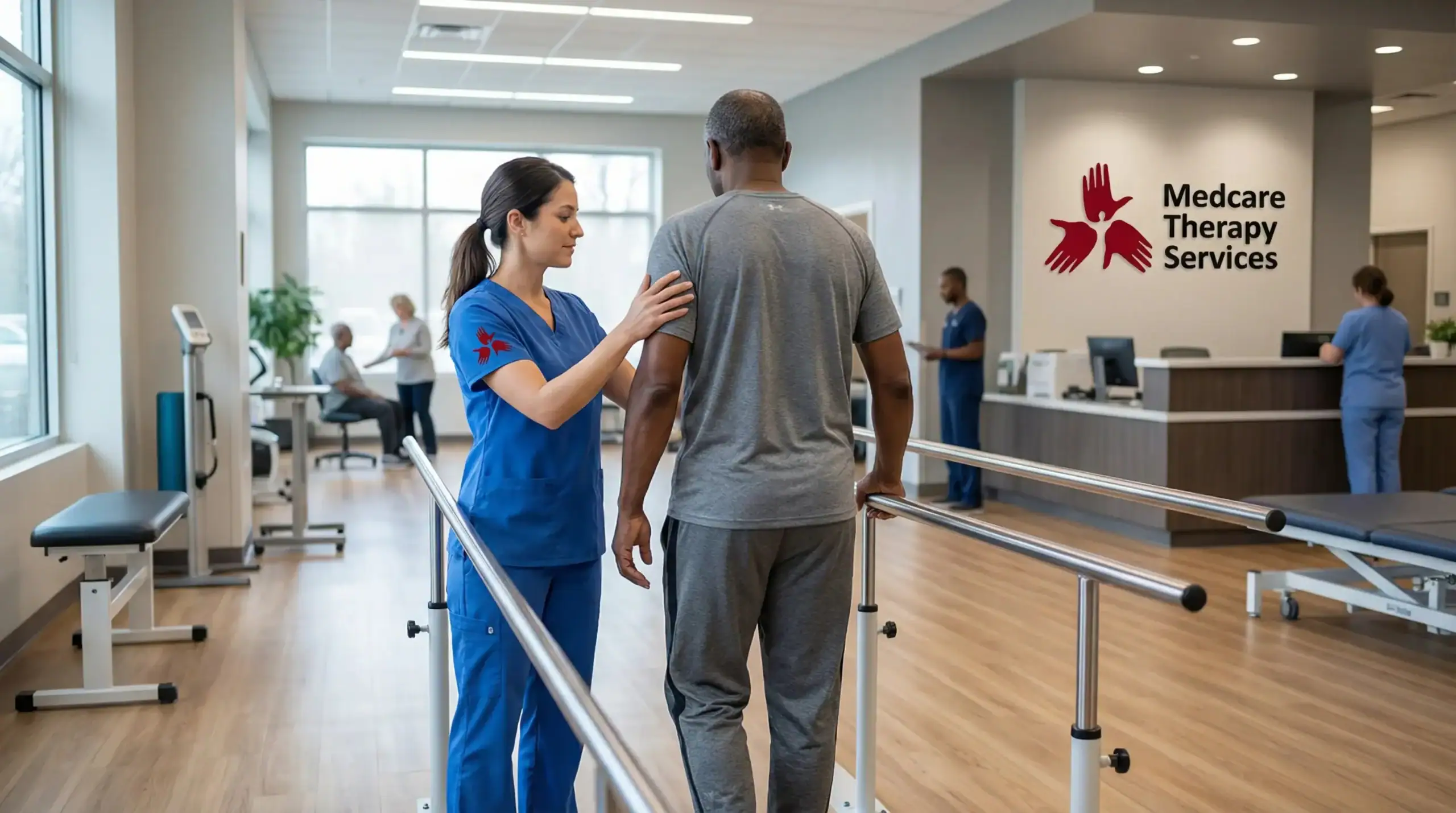
If you’ve fallen in the last year, you need it. If you’re afraid of falling and that fear is changing how you move or what you do, you need it. If you’ve noticed your balance isn’t what it used to be—feeling unsteady when you turn your head, struggling on uneven ground, needing to hold onto things more often—those are signs.
A lot of people wait until after a fall to get help. That’s too late. The best time to start is when you first notice something’s off, because that’s when we can prevent a serious injury instead of rehabbing from one.
Even if you haven’t fallen, a fall risk assessment can tell you where you’re vulnerable. We test balance, strength, gait, and reaction time. It’s objective. You’ll know exactly where you stand and what needs work.
It depends on what your assessment shows, but most people do a mix of static and dynamic exercises. Static means holding a position—like standing on one leg or maintaining your balance with your eyes closed. Dynamic means moving—like walking heel to toe, stepping over objects, or practicing weight shifts.
We also incorporate strength training for your legs and core, because weakness in those areas directly impacts your ability to catch yourself or stay upright. You might do sit-to-stand exercises, step-ups, or resistance work depending on your baseline.
If you have a vestibular issue, the exercises look different. We’ll work on head movements, eye tracking, and retraining your brain to process balance signals correctly. It can feel weird at first, but it works. The exercises progress as you improve, so you’re always working at the right level—not too easy, not too hard.
Most major insurance plans cover physical therapy for balance and fall prevention, especially if you’ve had a fall or your doctor has documented balance issues or a diagnosis like vertigo, neuropathy, or muscle weakness. Medicare typically covers it when it’s medically necessary.
We accept most insurance plans, and many don’t require a referral—but it’s worth checking with your specific plan to confirm. Our team can help verify your benefits before you start so there are no surprises.
If you’re paying out of pocket, we’ll talk through costs upfront. But in most cases, insurance handles the majority of it. The bigger cost is not getting treatment and ending up in the ER after a fall. That’s where the real expenses—and consequences—add up.
It varies based on your starting point and your goals, but most people attend therapy once or twice a week for six to eight weeks. Some need less. Some need more, especially if there’s a neurological condition or significant weakness involved.
You’ll start seeing improvements within the first few weeks—better stability, more confidence, less fear during daily activities. The goal is to get you strong and steady enough that you can maintain your progress on your own with a home exercise program.
We’re not trying to keep you in therapy forever. We’re trying to get you functional and independent again. Once you hit your goals and can safely manage your balance on your own, you’re done. Some people come back periodically for a tune-up, but that’s up to you.
Yes, if you’re consistent with it. Research shows that structured balance and strength programs reduce fall risk significantly, especially when combined with home safety changes and medication review. It’s not a guarantee—nothing is—but it’s the most effective non-surgical intervention available.
The key is addressing your specific risk factors. If your falls are happening because of weak legs, we strengthen them. If it’s dizziness from an inner ear problem, we treat that. If it’s tripping hazards at home, we help you identify and remove them.
Falling once doubles your risk of falling again, but that’s only if nothing changes. When you actively work on balance, strength, and awareness, you shift the odds back in your favor. Most of our patients who complete their program and stick with their home exercises don’t fall again—or if they do, they’re able to catch themselves before it becomes serious.
Bring a list of all your medications, including over-the-counter stuff and supplements. We need to see what you’re taking because some combinations increase dizziness or affect balance. If you’ve had any recent imaging, lab work, or reports from other doctors related to balance or falls, bring those too.
Wear comfortable clothes that let you move—nothing restrictive. Sneakers or supportive shoes are best. If you use a cane or walker, bring it. We want to see how you move with whatever you’re currently using.
If you’ve fallen before, be ready to talk about it. When it happened, where, what you were doing, whether you felt dizzy or just lost your footing. Those details help us figure out what’s going on and how to fix it. The more specific you can be, the better we can build a plan that actually works for your situation.
Other Services we provide in New Hyde Park