
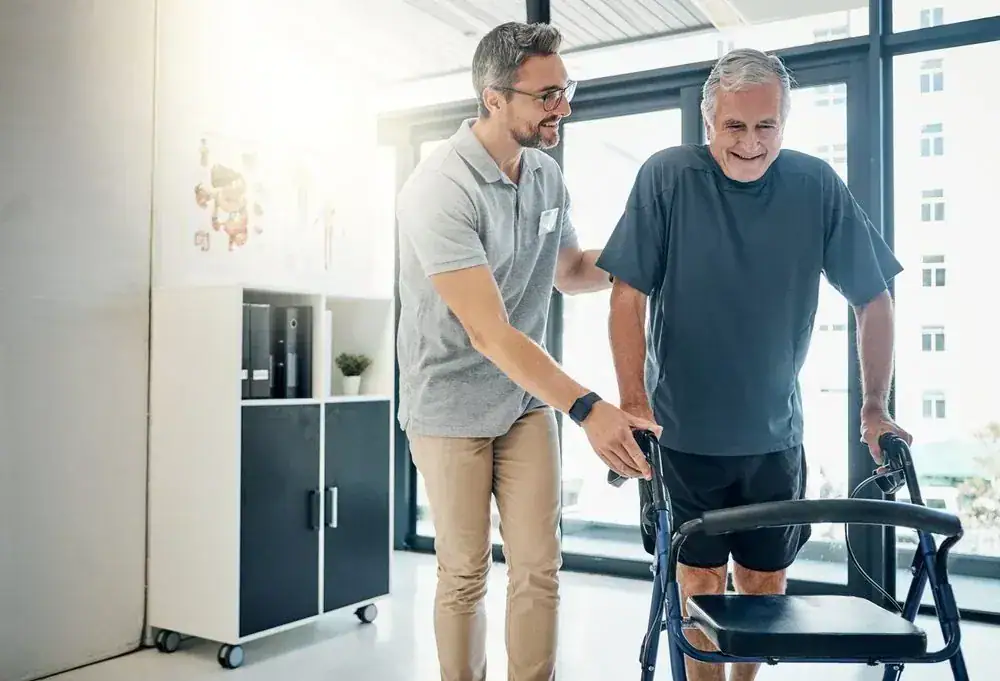
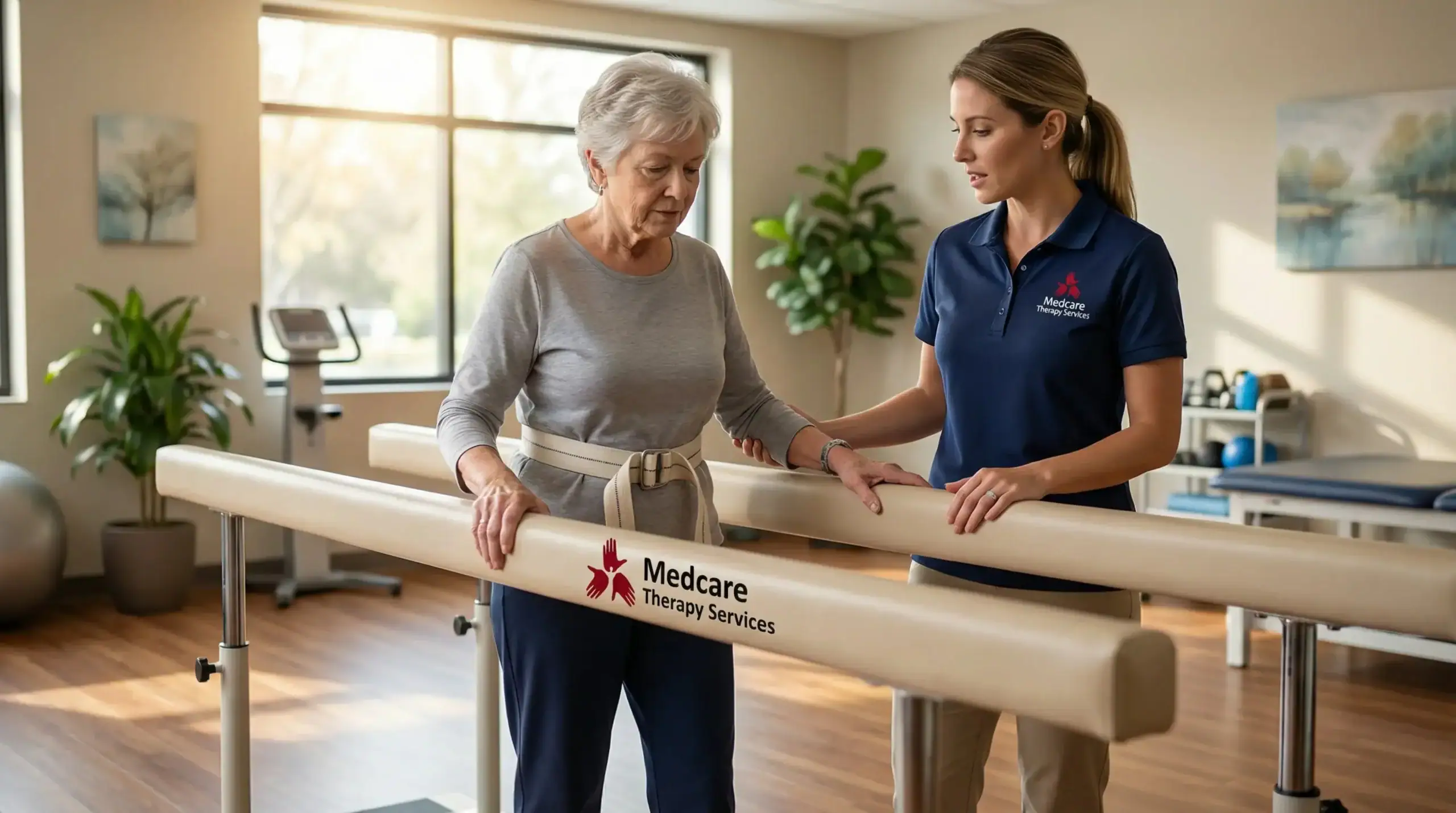
You’ve felt it. That split second where your balance falters. Maybe it happened getting out of the shower, or walking down your front steps. Maybe you’ve already fallen once, and now every movement feels like a risk.
Here’s what changes when you work with a physical therapist trained in fall prevention: your legs get stronger, your balance improves, and that constant worry starts to fade. You’re not guessing anymore about whether an exercise is safe or effective. You’re following a plan built specifically for your body, your home, and your goals.
The outcome isn’t just fewer falls. It’s getting back to your routine without second-guessing every step. It’s staying in your own home instead of worrying whether you’ll need more help than you want. Research shows structured balance training can reduce fall risk by 30% to 35%—but the real benefit is how you feel when you’re moving through your day.
We’ve been delivering home-based physical therapy across Nassau County for over a decade. That includes New Cassel and the surrounding communities where transportation can be a barrier and getting to a clinic isn’t always realistic.
Our therapists are licensed, Medicare-certified, and trained in evidence-based fall prevention programs like the Otago method. We come to you because we know balance issues and mobility challenges make leaving home harder than it should be. You’re treated like family here, not a case number.
New Cassel’s diverse, multigenerational community means we work with people from all backgrounds—many of whom are managing chronic conditions like arthritis, Parkinson’s, or recovery from stroke. We’ve seen what works, and we know how to adapt a program to fit your specific situation.

First, a licensed physical therapist comes to your home and completes a fall risk assessment. This isn’t a checklist—it’s a real evaluation of your strength, balance, gait, and the layout of your living space. We’re looking at how you move, where the risks are, and what’s realistic for you to improve.
From there, you get a personalized program. That usually means balance exercises for seniors, gait training to help you walk more steadily, and strengthening work tailored to your ability level. Sessions typically happen two to three times per week, and most programs run around 12 weeks. Everything is done in your home, with your schedule.
You’ll also get guidance on environmental changes—simple adjustments like lighting, grab bars, or removing tripping hazards. The goal is to reduce your fall risk from every angle: physical, environmental, and behavioral. Progress gets tracked, exercises get adjusted, and you stay in control of the process the whole way through.

Ready to get started?
Your program includes one-on-one sessions with a licensed physical therapist, a customized exercise plan, gait and balance training, and a home safety evaluation. If you’re Medicare-eligible, most services are covered under outpatient physical therapy benefits—no need to worry about whether this fits your budget.
In New Cassel and across Nassau County, falls are one of the leading causes of hospitalization for older adults. Approximately 60% of fall-related hospital visits happen at home. That’s why our approach focuses on your specific environment, not a generic gym setting. We train you where you actually live.
You’ll work on exercises that build strength in your legs and core, improve your reaction time, and help you feel stable on different surfaces. These aren’t complicated moves. They’re practical, progressive, and designed to fit into your daily routine. Many clients also work on confidence-building—because fear of falling can be just as limiting as the physical risk itself.
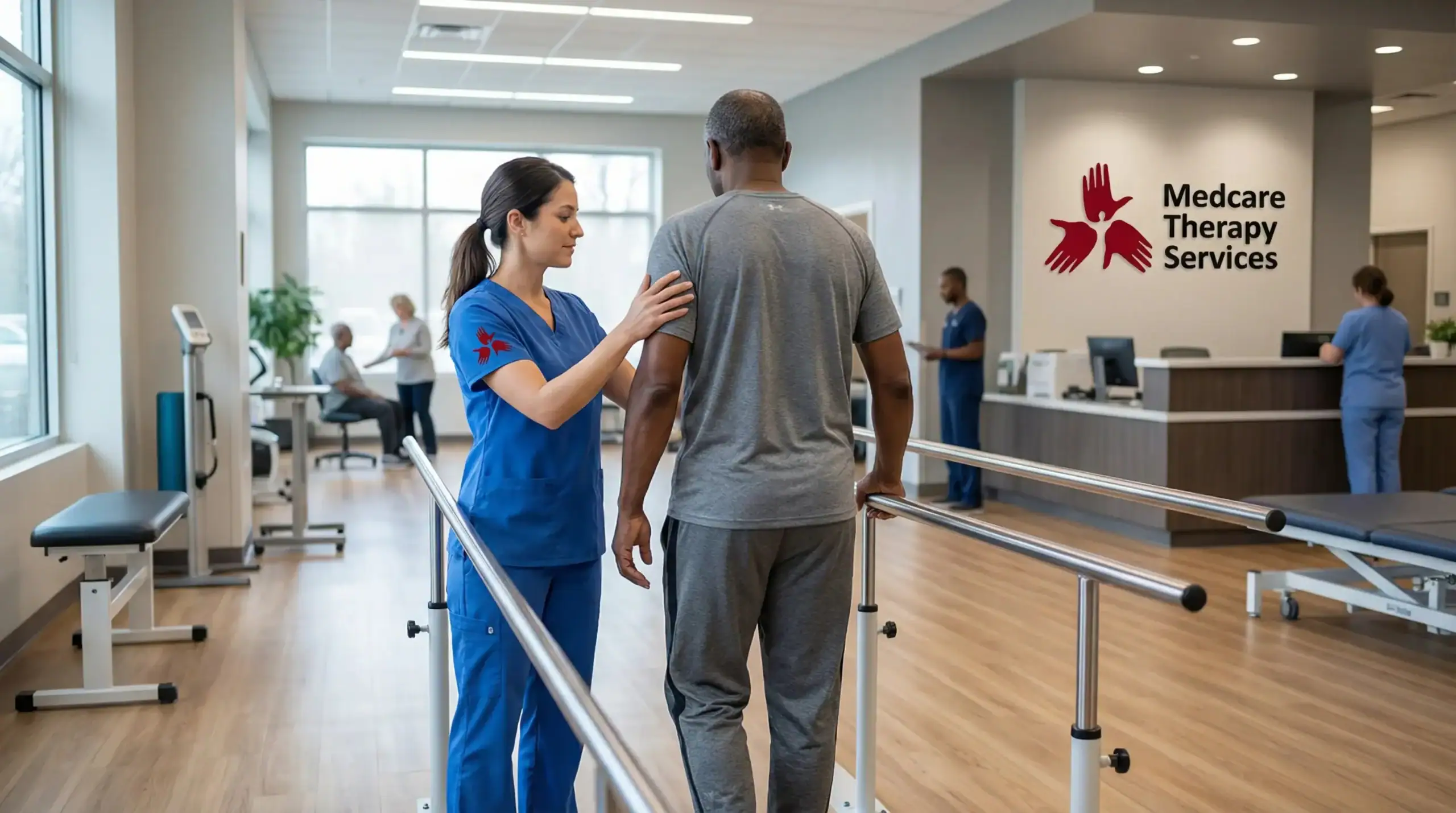
If you’ve fallen in the past year, feel unsteady when you walk, avoid certain activities because you’re worried about falling, or take four or more medications daily, you’re at higher risk. Other signs include dizziness, weakness in your legs, or difficulty getting up from a chair without using your arms.
You don’t need to wait until after a fall to start. In fact, starting sooner means you’re preventing the injury instead of recovering from it. A physical therapist can assess your risk level during a home visit and give you a clear picture of where you stand.
If your doctor has mentioned balance issues, or if family members have expressed concern about your stability, that’s usually a good indicator it’s time to get evaluated. Medicare covers fall prevention services when they’re medically necessary, so cost shouldn’t be the reason you wait.
Your home is where most falls happen—so that’s where you need to train. A clinic can’t replicate your bathroom layout, your stairs, or the specific obstacles in your daily environment. When a therapist works with you at home, they see the real risks and can address them directly.
There’s also the practical side. If you have trouble with transportation, or if leaving the house feels unsafe because of balance issues, home therapy removes that barrier. You’re not skipping appointments because you couldn’t arrange a ride or because the weather made travel risky.
Home-based care also tends to be more personalized. Your therapist isn’t splitting attention across multiple patients in a busy clinic. You get focused, one-on-one time in a setting where you’re comfortable and where the improvements actually matter.
Most programs run about 12 weeks, with sessions two to three times per week. That timeline is based on research showing how long it takes to build strength, improve balance, and reduce fall risk in a measurable way. Some people need more time depending on their baseline fitness and health conditions. Others progress faster.
Your therapist will reassess you regularly and adjust the plan as you improve. The goal isn’t to keep you in therapy forever—it’s to get you strong and stable enough to maintain your progress independently. By the end of the program, you should have a clear routine you can continue on your own.
If you have a chronic condition like Parkinson’s or arthritis, ongoing maintenance might make sense. But that’s a conversation you’ll have with your therapist based on your specific situation, not a one-size-fits-all answer.
Yes, if the services are medically necessary and provided by a licensed physical therapist. Medicare Part B covers outpatient physical therapy, which includes fall prevention and balance training when prescribed by your doctor. You’ll typically be responsible for your deductible and 20% coinsurance after that.
To qualify, you need a documented fall risk or a condition that affects your balance—like a history of falls, gait issues, dizziness, or neurological conditions. Your therapist will work with your physician to ensure the documentation supports coverage.
It’s worth noting that Medicare Advantage plans may have different rules or additional benefits, so it’s smart to confirm your specific coverage before starting. We handle Medicare billing directly, and we can walk you through what to expect during your initial consultation.
You’ll work on exercises that challenge your stability in controlled ways—things like standing on one leg, weight shifting, heel-to-toe walking, and stepping over obstacles. These might sound simple, but they’re specifically designed to retrain your body’s balance systems and build strength where you need it most.
Your program will also include functional movements: practicing how you get in and out of a chair, how you navigate stairs, or how you turn around safely. These aren’t abstract drills. They’re the exact motions you do every day, made safer and more controlled through repetition and guidance.
As you progress, exercises get harder. You might add resistance, change surfaces, or work on dual-tasking—like walking while carrying something or talking. The goal is to prepare you for real-world situations, not just perfect conditions. Your therapist adjusts intensity based on how you’re responding, so you’re always working at the right level.
Your first visit is an assessment. The therapist will ask about your medical history, any falls you’ve had, medications you’re taking, and activities that feel difficult or risky. Then they’ll evaluate your strength, balance, walking pattern, and how you move around your home.
They’ll also look at your environment—lighting, rugs, bathroom setup, stairs—to identify hazards you might not have noticed. This isn’t about judgment. It’s about making your space safer while you’re building physical strength and stability.
By the end of that first session, you’ll have a clear understanding of your fall risk level and a preliminary plan for what comes next. Most people leave feeling relieved because someone finally explained what’s happening and what can be done about it. From there, the real work begins, but you’ll know exactly what to expect.
Other Services we provide in New Cassel