
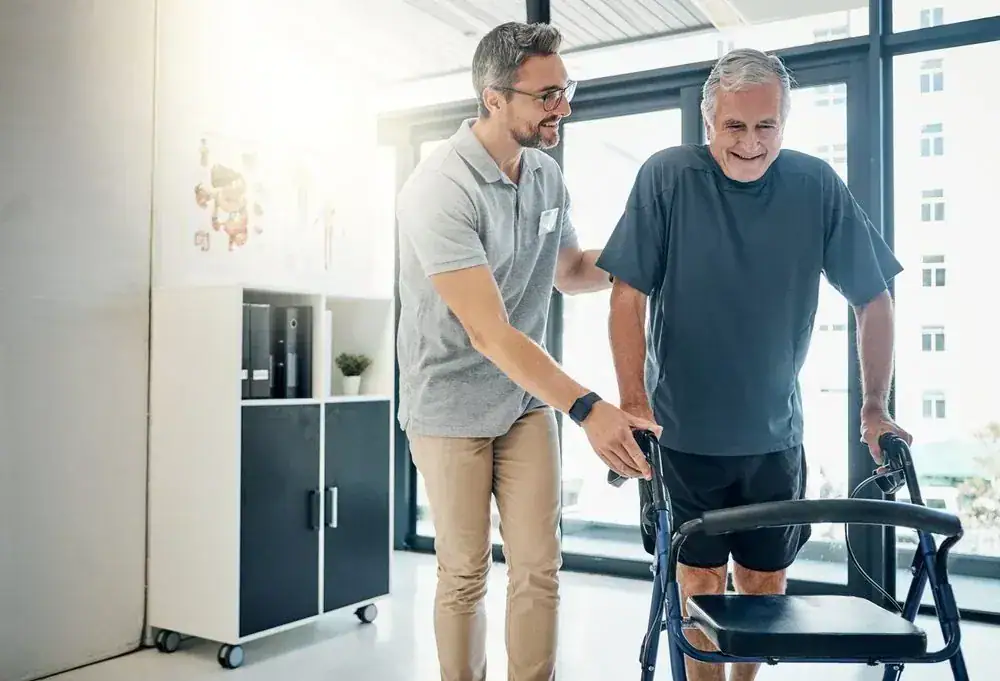
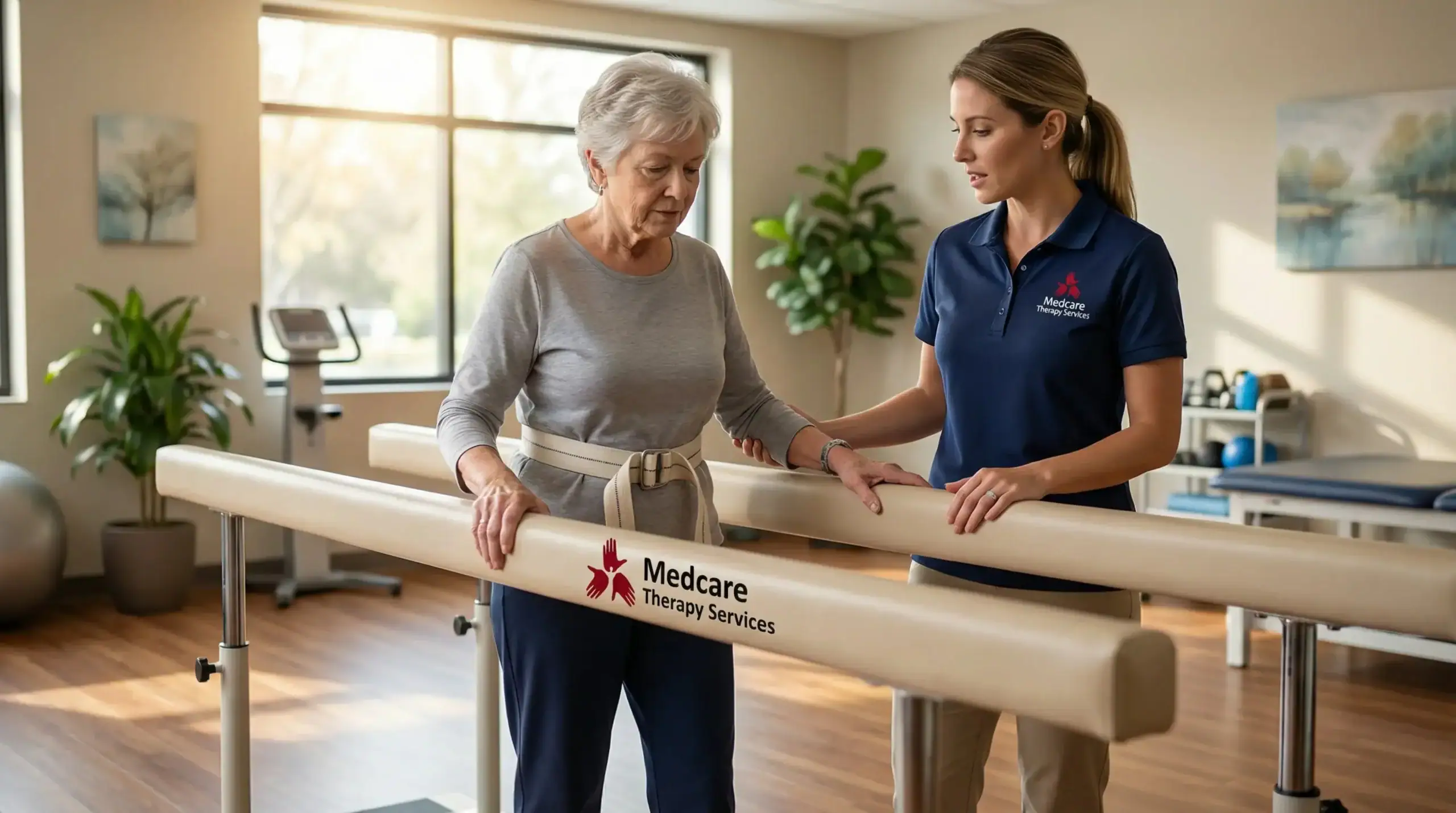
You shouldn’t have to think twice before getting up from a chair or walking to the mailbox. That hesitation you feel when stepping into the shower or reaching for something on a shelf—that’s what we address.
Falls don’t just happen. They build up over time through small changes in strength, balance, and confidence. The good news is that most falls can be prevented with the right approach.
Our physical therapy programs focus on rebuilding the stability and strength you need to move confidently again. You’ll work through exercises designed specifically for your body and your risk factors. Not generic routines, but targeted work that addresses why you feel unsteady in the first place.
The result is straightforward: you move better, feel more secure, and maintain the independence that matters to you. You keep doing the things you want to do without constantly worrying about falling.
Medcare Therapy Services has been serving the East End communities for years, including Napeague, Amagansett, East Hampton, and Montauk. We know the homes here—the older construction, the stairs, the layouts that weren’t designed with aging in place in mind.
Our licensed physical therapists specialize in geriatric care and fall prevention. We follow evidence-based protocols, including CDC-recommended approaches, but we also understand that every person’s situation is different. Your treatment plan reflects your specific risk factors, not a one-size-fits-all program.
We maintain secure, verified practices across all our locations. Your information stays protected, your appointments stay consistent, and your care stays focused on what actually helps you stay safe.

Your first visit starts with a thorough fall risk assessment. We look at your balance, strength, gait, and any medical conditions or medications that might increase your risk. We also talk about where and when you feel most unsteady—because that context matters.
From there, we build a personalized treatment plan. This typically includes balance exercises for seniors that challenge your stability in controlled ways, strength training to support your joints and muscles, and gait training to improve how you walk. Each exercise is chosen based on your specific needs and abilities.
You’ll come in for regular sessions where we guide you through these exercises and monitor your progress. We adjust the program as you improve. Between visits, you’ll have exercises to practice at home—simple movements that reinforce what we’re working on in therapy.
We also discuss practical changes you can make at home to reduce hazards. Sometimes it’s lighting, sometimes it’s removing tripping risks, sometimes it’s rearranging furniture. Small changes that make a real difference.

Ready to get started?
Your program includes one-on-one sessions with a licensed physical therapist who specializes in balance and mobility for older adults. These aren’t group classes where you’re doing the same thing as everyone else. This is individualized care.
You’ll receive a comprehensive evaluation that identifies your specific fall risk factors. We test your balance, measure your strength, assess how you walk, and review any health conditions that play a role. This evaluation gives us a clear starting point and helps us track your improvement over time.
The treatment itself combines several approaches. Balance training helps you recover when you start to lose stability. Strength exercises build the muscle support you need around your hips, knees, and ankles. Coordination work improves how your body responds to unexpected movements. Flexibility training keeps your joints mobile and reduces stiffness that can throw off your balance.
For Napeague residents and those in nearby communities like Amagansett and East Hampton, we also consider the local environment. Beach walks, uneven terrain, seasonal weather changes—these factors influence your fall risk, and we address them in your program. We help you prepare for the real conditions you face every day, not just controlled clinic environments.

If you’ve fallen in the past year, you need an evaluation. Falling once doubles your chance of falling again, even if you weren’t injured the first time.
Beyond that, pay attention to how you feel during daily activities. Do you grab onto furniture when you walk through your house? Do you avoid certain movements because you’re not sure you can do them safely? Have you stopped doing activities you used to enjoy because you’re worried about falling? These are signs that your balance or strength has changed enough to put you at risk.
Medical factors matter too. If you take medications that make you dizzy or sleepy, if you have vision problems, if you’ve noticed changes in how you walk, or if you have conditions like arthritis or neuropathy—these all increase your fall risk. We can assess how these factors affect your stability and create a plan to address them.
The assessment takes about an hour and covers several areas. First, we talk through your history—previous falls, near-misses, health conditions, medications, and daily activities. This conversation helps us understand your specific risk factors.
Then we move into physical testing. We assess your balance through different positions and movements, test your leg strength, watch how you walk, check your flexibility, and see how quickly you can react to changes in position. We might ask you to stand on one foot, walk in a straight line, get up from a chair without using your hands, or reach in different directions while maintaining your balance.
We also discuss your home environment and any concerns you have about specific activities. The goal is to build a complete picture of what’s contributing to your fall risk so we can address the actual problems, not just guess at what might help.
Most people start feeling more stable within four to six weeks of consistent therapy. You won’t transform overnight, but you should notice improvements in how you move and how confident you feel during daily activities.
The timeline depends on your starting point and how many risk factors we’re addressing. Someone who’s generally healthy but has minor balance issues might see results faster than someone managing multiple health conditions. The key is consistency—coming to your scheduled sessions and doing your home exercises between visits.
Research shows that fall prevention programs work best when you stick with them for at least eight to twelve weeks. That gives your body time to build strength, retrain balance responses, and develop new movement patterns. After that initial period, many people continue with maintenance exercises to keep their improvements. We’ll work with you to determine the right timeline based on your progress and goals.
Medicare Part B covers physical therapy when it’s medically necessary, which includes fall prevention if you have risk factors or a history of falls. You’ll need a referral from your doctor, but most primary care physicians readily provide them given how serious fall risks are for older adults.
Your coverage typically includes the evaluation and ongoing treatment sessions. You may have a copay or coinsurance depending on your specific plan and whether you’ve met your deductible. We help you understand your benefits before you start so there aren’t surprises.
If you have a Medicare Advantage plan or supplemental insurance, your coverage might differ slightly. We work with most insurance plans and can verify your benefits ahead of time. The important thing is not to skip therapy because you’re worried about cost—the expense of a fall, both financially and physically, is far greater than the cost of prevention.
Home exercises help, but they work best when a physical therapist has evaluated you first and designed a program for your specific needs. Generic balance exercises you find online might not address your particular risk factors, and some could actually be unsafe depending on your current stability level.
We identify exactly where your weaknesses are and create exercises that target those areas. We also make sure you’re doing the exercises correctly—small adjustments in form can make a big difference in whether an exercise helps or potentially causes problems. As you improve, we progress the exercises to keep challenging your balance in appropriate ways.
That said, home practice is essential. We give you exercises to do between sessions because consistency drives results. Think of it this way: therapy sessions teach you what to do and make sure you’re doing it safely and effectively. Home practice reinforces those improvements and helps your body adapt. You need both components for the best outcome.
Fall prevention therapy is specialized. It focuses specifically on the factors that cause falls in older adults—balance deficits, muscle weakness, gait problems, and reduced reaction time. General physical therapy might address some of these issues, but fall prevention programs target them directly and comprehensively.
Our therapists are trained in geriatric care and evidence-based fall prevention protocols. We use specific assessment tools designed to identify fall risk, not just general mobility problems. The exercises we prescribe are proven to reduce fall incidents, not just improve overall fitness.
We also take a broader view of your fall risk. That means looking at medications that might affect your balance, discussing vision or hearing issues that play a role, and helping you identify environmental hazards at home. Falls usually result from multiple factors combining at the wrong moment. Effective prevention addresses all of those factors, not just one or two. That comprehensive approach is what makes fall prevention therapy different from standard physical therapy.
Other Services we provide in Napeague