

You’re not imagining it. Your balance isn’t what it used to be, and that changes everything about how you move through your day.
Maybe you’re gripping the handrail tighter than you’d like. Or you’ve started avoiding certain rooms in your house because the lighting isn’t great or the floor feels uneven. You might have already had a close call, or you’re watching friends deal with the aftermath of a fall and thinking: I don’t want that to be me.
Falls aren’t just about the physical injury. They chip away at your confidence. They make you second-guess yourself. And before long, you’re doing less of what you love because the risk feels too high.
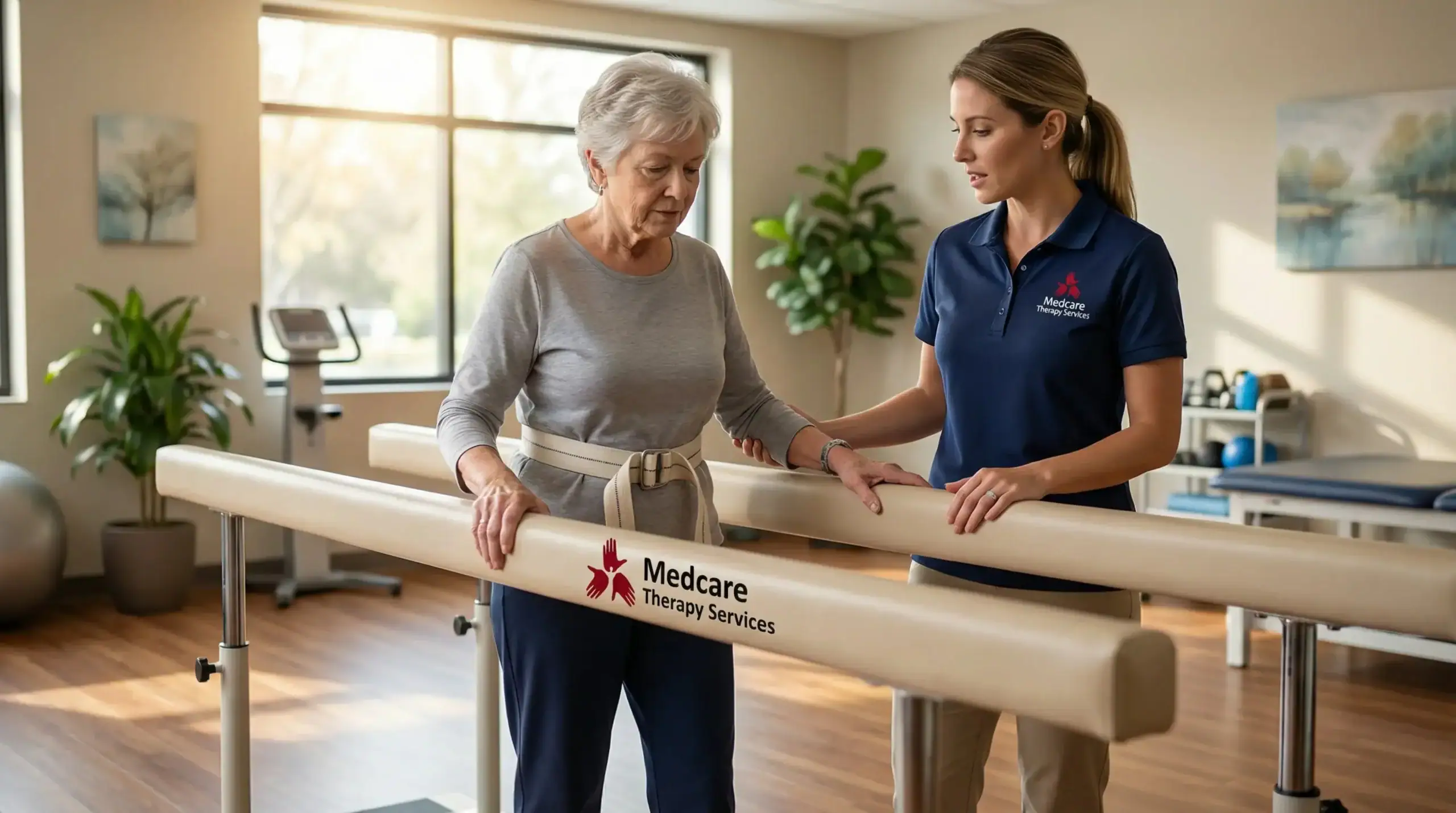
Physical therapy for balance changes that. You work with a licensed therapist who evaluates your specific risk factors—strength, gait, flexibility, vision, medication side effects—and builds a plan around what your body actually needs. The exercises are progressive, meaning you start where you are and build from there. And the goal isn’t just to prevent a fall. It’s to give you your confidence back so you can move through your home and your life without that constant background hum of worry.
We’ve been serving Montauk and the broader Long Island community for years. Our therapists are licensed, trained in evidence-based fall prevention programs, and focused on one thing: helping you stay safe and independent.
Long Island has some of the highest fall rates in New York State. Nassau and Suffolk counties rank 4th and 5th statewide for fall-related incidents, and in Nassau County alone, 88% of injury hospitalizations for adults over 65 are due to falls. That’s not a small problem. It’s a survival issue.
We treat fall prevention like the serious health concern it is. You’re not getting a generic handout of exercises. You’re getting a full assessment, a personalized program, and ongoing support from therapists who know how to reduce your risk by 30% to 35%—because that’s what the research shows is possible when the intervention is done right.

You start with a comprehensive fall risk assessment. Your therapist evaluates your strength, balance, gait, flexibility, and any environmental or medical factors that might be contributing to your risk. This isn’t a quick screening. It’s a detailed look at what’s actually going on.
From there, you get a personalized exercise program. These aren’t random stretches. They’re evidence-based movements designed to improve the specific areas where you’re vulnerable—whether that’s leg strength, core stability, reaction time, or coordination. Many of our programs include elements of the Otago Exercise Program, which consists of 17 strength and balance exercises proven to work for older adults who’ve fallen or feel unsteady.
Treatment typically involves 8 to 20+ sessions, each lasting 60 to 90 minutes. You’ll also get a home exercise plan so the work continues between visits. If you’re more comfortable at home, in-home therapy is available—and it has the added benefit of letting your therapist assess your actual living environment and recommend modifications that make your space safer.
Your therapist will also address other factors: assistive devices, footwear, lighting, medication review referrals, and any lifestyle changes that could reduce your risk. It’s a full-picture approach, not just a workout.

Ready to get started?
You get a licensed physical therapist with specialized training in balance and fall prevention. You get a treatment plan built around your body, your home, and your goals. And you get access to evidence-based programs that have been tested and proven to reduce fall risk in older adults.
Sessions can happen in-clinic or in your home, depending on what works best for you. In-home therapy is especially valuable because your therapist can spot hazards you’ve gotten used to—loose rugs, poor lighting, clutter in walkways, unstable furniture—and help you address them before they cause a problem.
You’ll also receive education on how to move safely, how to get up if you do fall, and how to build habits that protect you long-term. Some patients benefit from group programs like Tai Chi for Arthritis and Fall Prevention, which combines movement, strength, and social connection in a format designed specifically for older adults.
Because we accept Medicare, many of these services are covered. That means you’re not choosing between your safety and your budget. You’re getting professional care that’s both accessible and effective, right here in Montauk and across Long Island’s East End.

If you’ve fallen in the past year, you need it. If you’ve had a close call or feel unsteady when you walk, you need it. If you’re avoiding certain activities because you’re worried about falling, you need it.
One in four older adults falls each year. Most of them didn’t think it would happen to them. The time to address balance and strength isn’t after a fall sends you to the hospital. It’s now, while you still have the ability to prevent it.
A physical therapist can assess your risk even if you haven’t fallen yet. They’ll look at your gait, your strength, your balance, your home environment, and your medical history. If there are gaps, they’ll help you close them. And if you’re at higher risk than you realized, you’ll know exactly what to do about it.
Fall prevention therapy is targeted. It’s not about general fitness. It’s about identifying the specific deficits that put you at risk and addressing them with exercises that have been proven to work.
Your therapist will test your balance in different positions, evaluate how you respond to sudden shifts in your center of gravity, and measure your leg strength and flexibility. Then they’ll design a program that challenges those exact areas in a controlled, progressive way.
You’re also getting professional supervision, which matters. If you’re doing balance exercises on your own and your form is off, you could actually increase your risk. A therapist makes sure you’re doing the movements correctly and safely, and they adjust the difficulty as you improve. That’s not something you get from a YouTube video or a generic senior fitness class.
Yes, in most cases. Medicare Part B covers physical therapy when it’s medically necessary, and fall prevention absolutely qualifies—especially if you’ve had a fall, you’re at high risk, or your doctor has referred you for balance issues.
We’re a Medicare provider, so you’re not dealing with out-of-network headaches or surprise bills. Your therapist will work with you to make sure your treatment plan is covered and that you understand what to expect.
If you’re not sure whether your specific situation qualifies, call and ask. The intake process includes a review of your coverage, and our staff can walk you through what’s covered before you commit to anything. There’s no reason to skip therapy because you’re worried about cost. In most cases, it’s covered.
You’ll start seeing improvements in balance and confidence within a few weeks, but the full program typically runs 8 to 20+ sessions depending on your starting point and goals.
Research shows that fall prevention interventions can reduce your risk by 30% to 35%, but that doesn’t happen overnight. Your body needs time to build strength, retrain your balance reflexes, and adapt to new movement patterns. We design programs that are progressive, meaning the exercises get more challenging as you get stronger.
You’ll also get a home exercise program that continues after your formal therapy ends. Fall prevention isn’t a one-and-done fix. It’s an ongoing practice. But the time you invest now could be the difference between staying independent and ending up in the hospital. That’s not an exaggeration. That’s the reality for older adults on Long Island, where fall rates are among the highest in the state.
Therapy prevents falls. That’s the whole point. Most people think of physical therapy as something you do after an injury, but fall prevention is pre-hab, not rehab. You’re training your body to avoid the injury in the first place.
The evidence is clear. Programs like the Otago Exercise Program have been studied extensively and shown to reduce falls in older adults who are at risk. The exercises target the exact physical factors that lead to falls: weak legs, poor balance, slow reaction time, limited flexibility.
But therapy also addresses things you might not think about. Your therapist might recommend a medication review if they notice side effects that affect your balance. They might suggest better lighting in your hallway or a different type of shoe. They’ll teach you how to move safely and how to recover if you do lose your balance. It’s a complete approach, and it works. You’re not just hoping you don’t fall. You’re actively reducing the likelihood that it happens.
Being active is great, but it doesn’t mean your balance is where it needs to be. Plenty of active older adults still fall because they have specific deficits they’re not aware of—weak ankles, poor proprioception, delayed reaction time.
A physical therapist will test you in ways your regular activities don’t. They’ll challenge your balance in multiple directions, assess how well you recover from a stumble, and identify weak spots that could become problems down the line.
Even if you’re walking every day or doing yoga, you might not be targeting the exact areas that prevent falls. And if you’ve had even one close call, that’s your body telling you something needs attention. Fall prevention therapy fills in the gaps that general exercise misses. You’re not starting from scratch. You’re fine-tuning the areas that matter most for staying upright and independent.
Other Services we provide in Montauk