
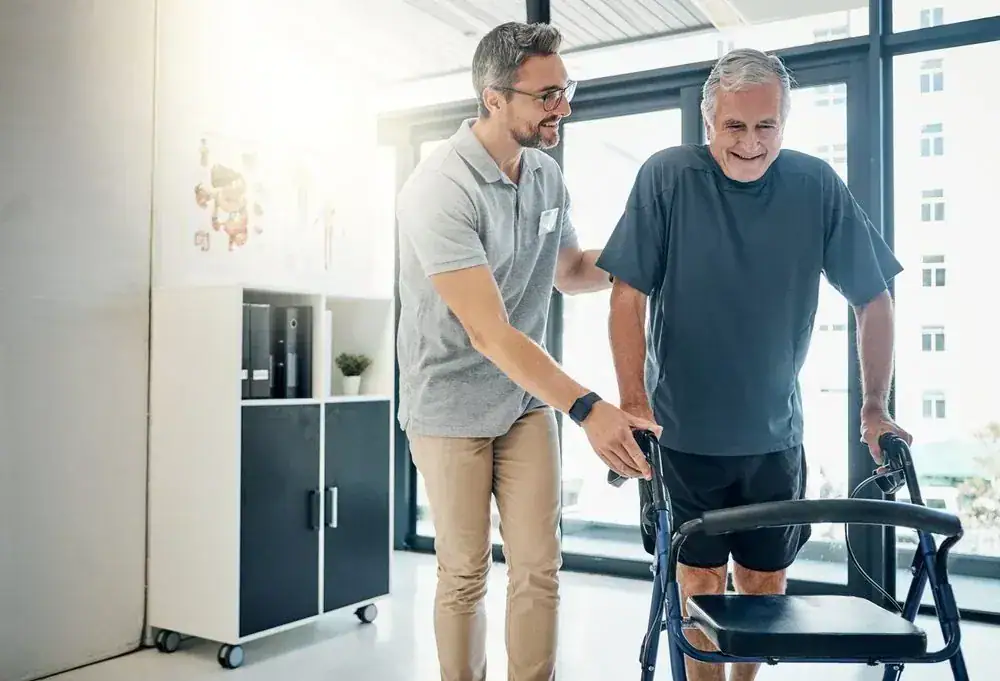
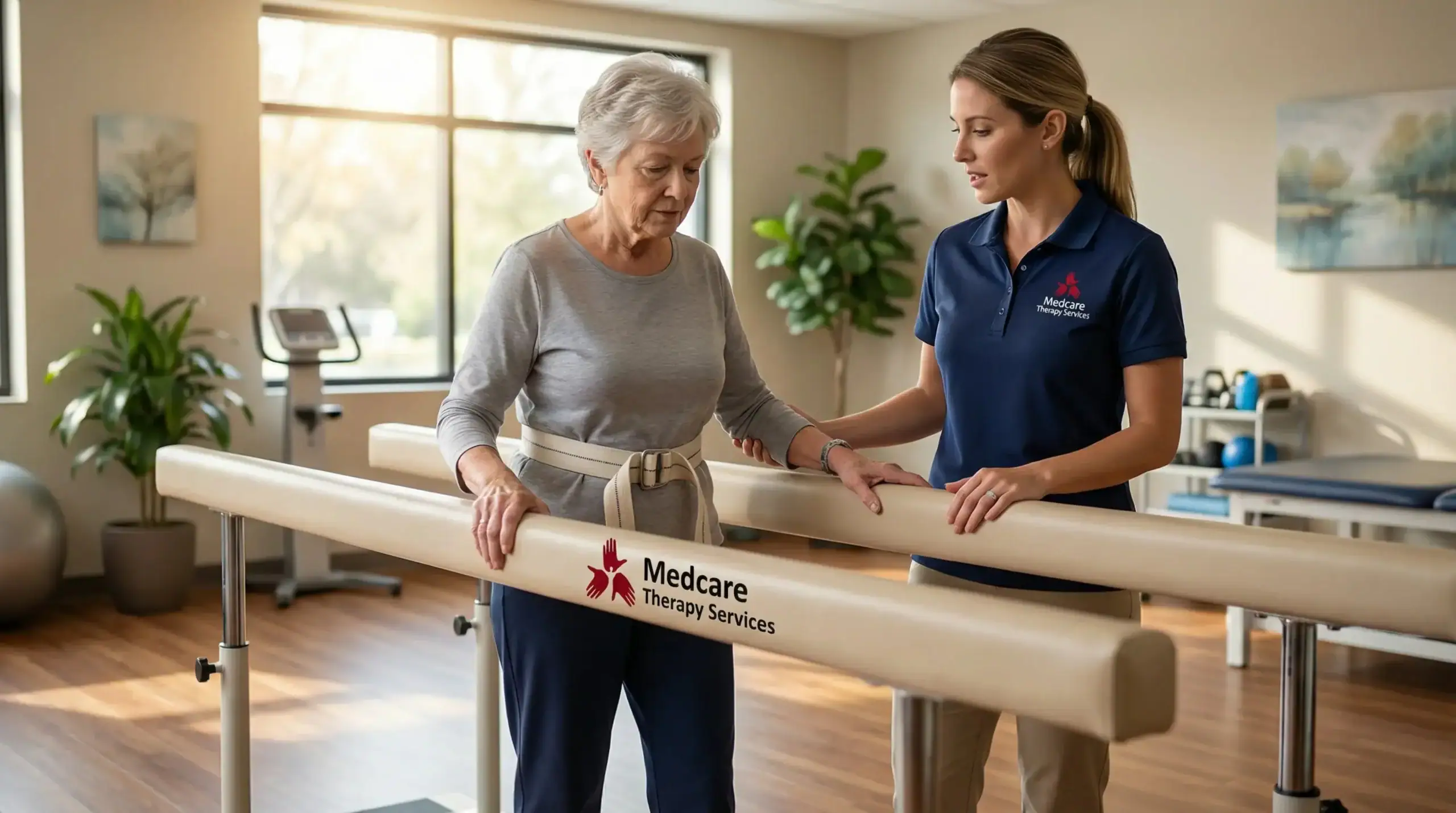
You stop planning your day around what feels safe. You walk to the mailbox without gripping the railing. You get up in the middle of the night without turning on every light or waking someone up.
That’s what happens when your balance improves. You’re not just stronger—you’re more confident. And confidence is what lets you keep doing the things that matter.
Falls don’t just hurt your body. They shrink your world. You stop going out. You avoid stairs. You second-guess every step. And the less you move, the weaker you get—which makes the next fall more likely.
Senior balance exercises and targeted physical therapy for balance can reverse that cycle. Research shows that structured exercise interventions drop fall risk by 23 percent. That’s not a small number when you’re talking about staying out of the hospital or avoiding a nursing home.
We’ve been treating patients across Long Island for years, including right here in Miller Place and surrounding communities like Rocky Point, Mount Sinai, and Port Jefferson Station. We’re not new to this, and we’re not trying to be everything to everyone.
What we do is help older adults stay independent. That means fall prevention, balance training, and strength work that’s specific to how you move and what you’re dealing with. Our therapists have over 70 years of combined experience in geriatric rehab, and they know the difference between a cookie-cutter program and one that actually fits your life.
We also take security and patient care seriously. Every location is verified, access is controlled, and your information is protected. You’re not just another appointment on the schedule.
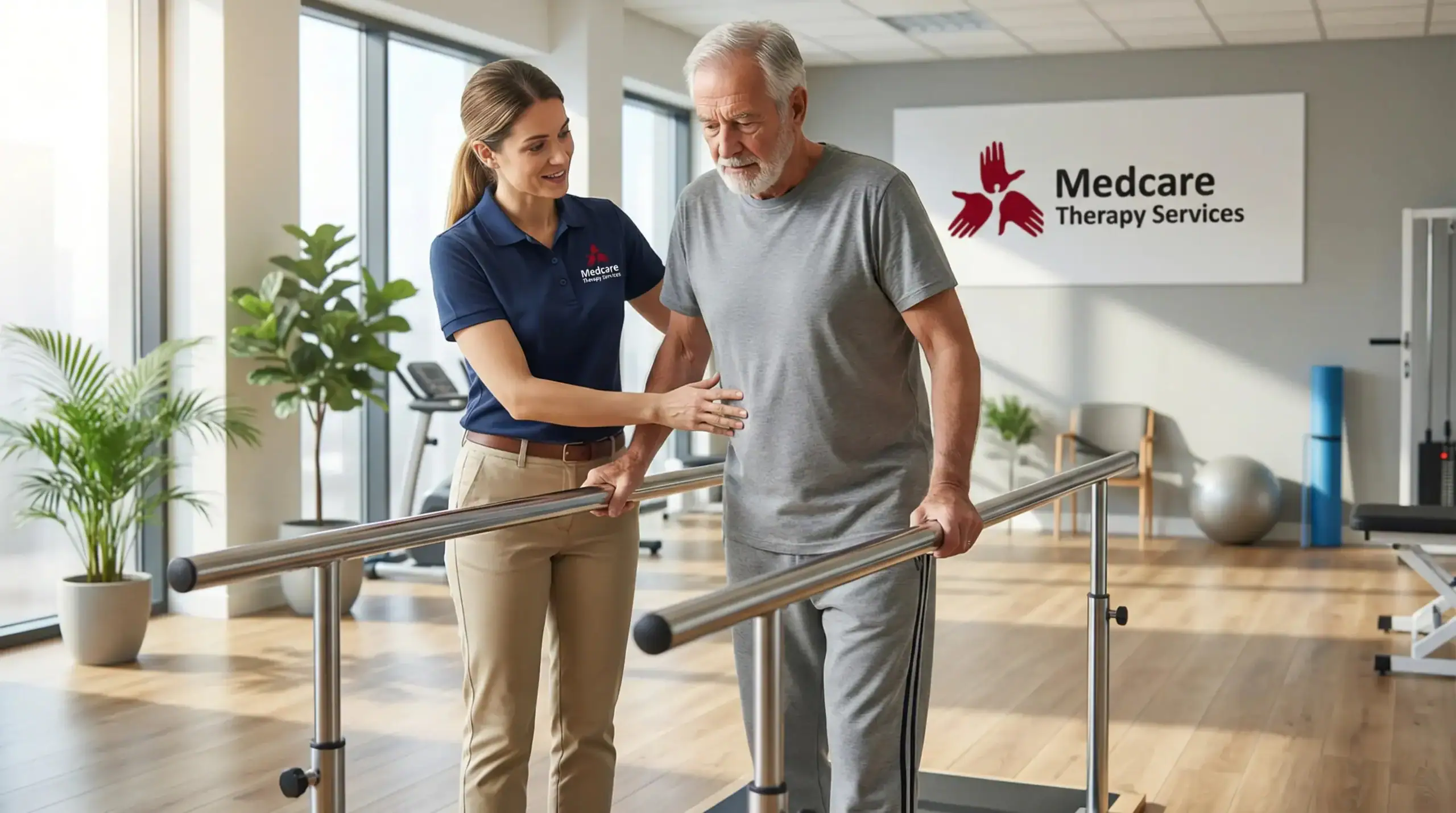
First, we assess where you’re actually at. That means testing your balance, checking your strength, reviewing your medications, and asking about your home setup. We’re looking for the real reasons you’re falling or afraid of falling—not just guessing.
Then we build a plan. It might include balance exercises for seniors, strength training for your legs and core, gait work, or coordination drills. If your home has hazards—loose rugs, bad lighting, no grab bars—we’ll talk through that too.
You’ll come in for sessions based on what you need. Some people need twice a week for a few months. Others need less. We adjust as you improve.
And improvement is the goal. Not just “getting through” therapy, but actually being able to do more—walk further, move faster, feel steadier. That’s what keeps you out of a facility and in your own home.

Ready to get started?
You get a full fall risk assessment that looks at balance, strength, vision, medication side effects, and environmental factors. Sixty percent of fall-related hospitalizations happen at home, so we don’t skip the details.
From there, you’ll work on balancing exercises tailored to your ability level. These aren’t generic stretches. They’re evidence-based movements designed to improve stability, reaction time, and confidence. Programs like Tai Chi for Arthritis and Fall Prevention and A Matter of Balance are proven to work—and we use them.
You’ll also get a personalized home safety evaluation. We’ll identify trip hazards, lighting issues, and bathroom risks. Small changes—like adding a grab bar or removing a rug—can make a huge difference.
For Miller Place residents and those in nearby areas like Coram, Shoreham, and Ridge, access to this kind of care locally means you’re not driving an hour each way just to get help. You’re close to home, and that matters when you’re trying to stay consistent with treatment.
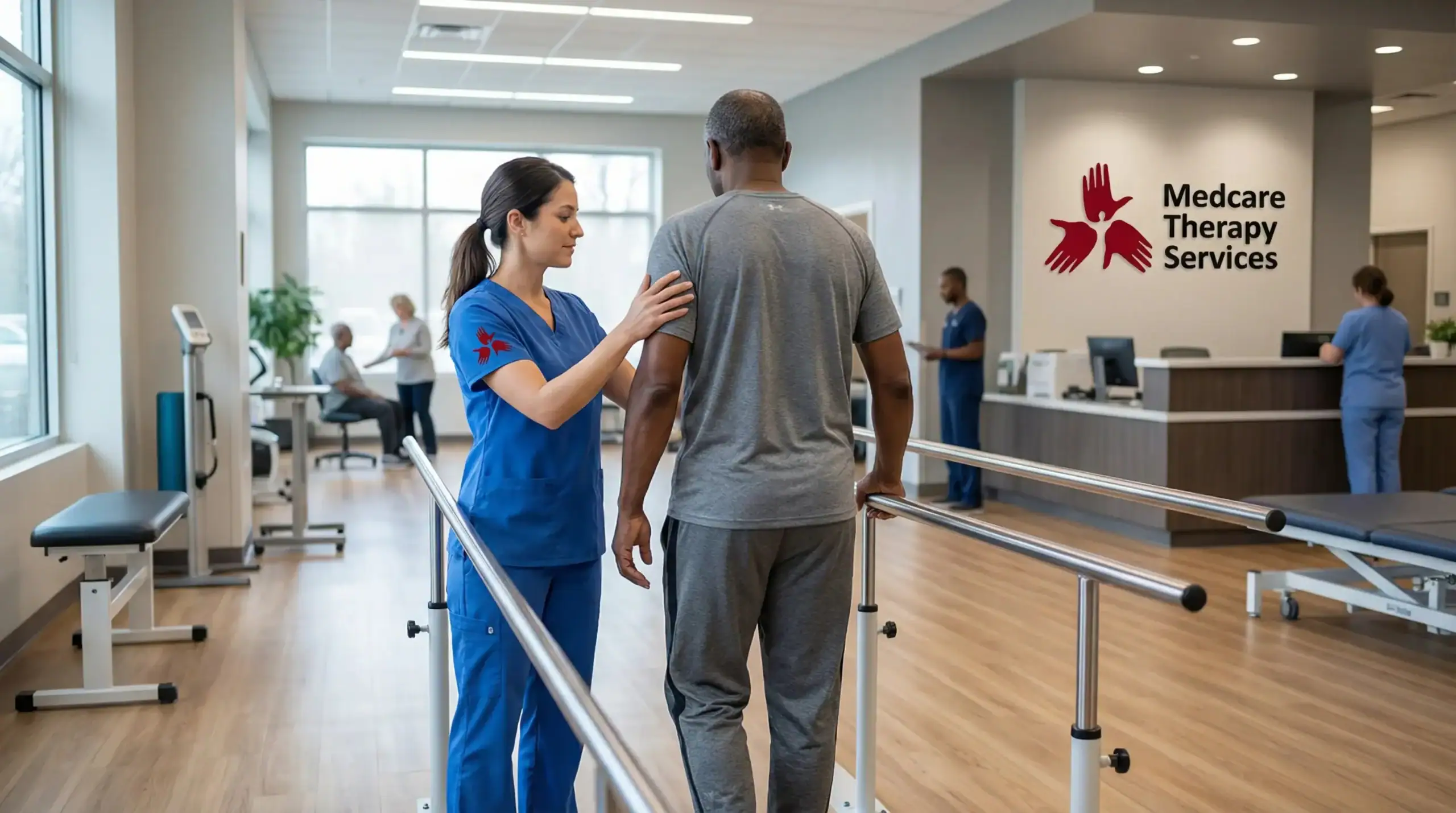
If you’ve fallen in the last year, your risk of falling again doubles. That’s the clearest sign. But there are others.
Do you feel unsteady when you walk? Do you grab onto furniture or walls? Have you started avoiding stairs or uneven ground? Are you on medications like sedatives, blood pressure drugs, or antidepressants—all of which can affect balance?
Even if you haven’t fallen yet, those signs mean your risk is higher than it should be. A professional fall risk assessment can measure your balance, strength, and gait to give you a clear picture. Most people don’t realize how much they’ve declined until someone actually tests it.
Home exercises are helpful if they’re the right ones and you’re doing them correctly. But most people don’t know what “the right ones” are for their specific situation.
Physical therapy for balance starts with an evaluation. We figure out why your balance is off—weak hips, poor ankle mobility, vision issues, inner ear problems—and then design a program that targets those exact issues. You’re not just doing random exercises you found online.
You also get supervision, feedback, and progression. If you’re doing an exercise wrong, we correct it. If it’s too easy, we make it harder. If it’s not working, we change it. That’s the difference between hoping something helps and knowing it will.
In most cases, yes—if it’s medically necessary. That usually means you’ve already fallen, you have a documented balance problem, or your doctor has referred you for fall risk.
Medicare Part B covers physical therapy when it’s prescribed and provided by a licensed therapist. You’ll typically have a copay or coinsurance depending on your plan. If you have a Medicare Advantage plan or supplemental insurance, your coverage may be different.
The best move is to call your insurance company or ask us to verify your benefits before you start. We handle this all the time and can walk you through what’s covered. Don’t skip therapy just because you’re not sure about cost—most people are covered more than they think.
It depends on where you’re starting and what your goals are. Some people see improvement in four to six weeks. Others need three to four months of consistent work.
If you’ve had a recent fall and lost a lot of strength or confidence, it’s going to take longer. If you’re just starting to feel unsteady and want to get ahead of it, you’ll likely progress faster.
What matters more than the timeline is that you’re actually getting better. That means measurable improvements—walking faster, standing on one foot longer, getting up from a chair without using your arms. We track that, and we adjust your plan as you improve. You’re not locked into a set number of sessions. You’re in until you hit your goals.
Yes—and the data backs it up. Seniors age 75 and older who fall are almost five times more likely to be admitted to a long-term care facility for a year or longer compared to those who don’t fall.
Falls lead to fractures, hospitalizations, and a loss of independence that’s hard to recover from. Once you’re in a facility, it’s harder to get back home. The longer you’re there, the weaker you get.
Fall prevention therapy keeps you strong, steady, and confident enough to stay in your own home. It’s not a guarantee—nothing is—but it’s one of the most effective things you can do to protect your independence. And for most people, that’s worth the effort.
That fear is real, and it’s common. After a fall, a lot of people limit their activity because they’re afraid it’ll happen again. But moving less actually makes you weaker—and that increases your fall risk even more.
The first step is to get evaluated. We need to know why you fell and what’s keeping you from feeling steady. Was it a strength issue? A balance problem? A medication side effect? Something in your home?
Once we know that, we can start rebuilding your confidence in a controlled way. You’ll work on movements that feel safe at first, then gradually progress as you get stronger. You’re not going to be thrown into something you’re not ready for. But you do need to start moving again—and we’ll help you do that without the fear taking over.
Other Services we provide in Miller Place