
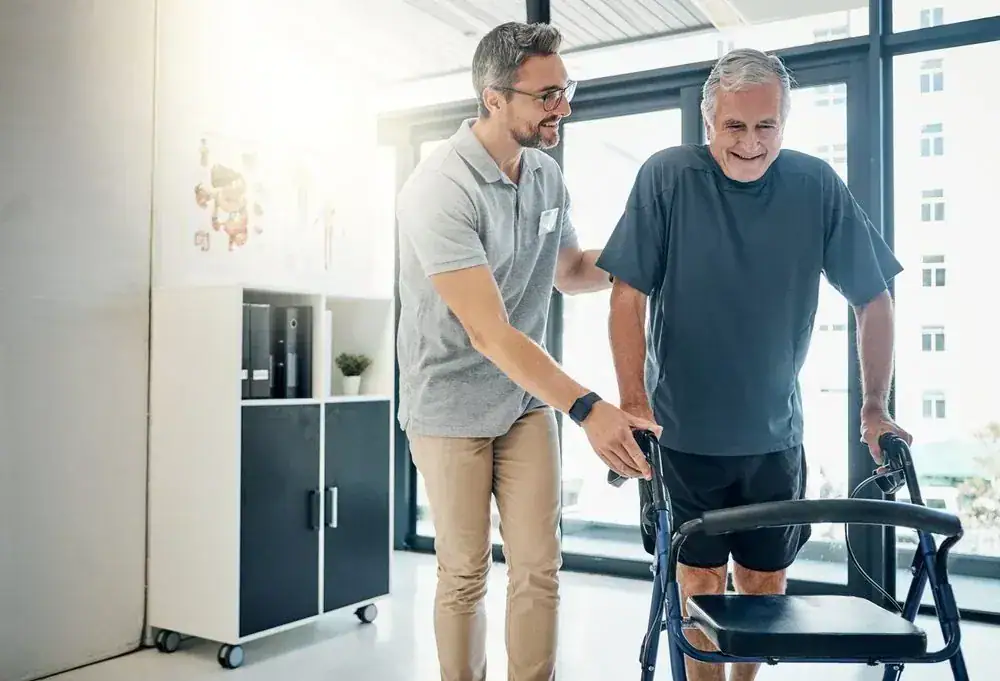
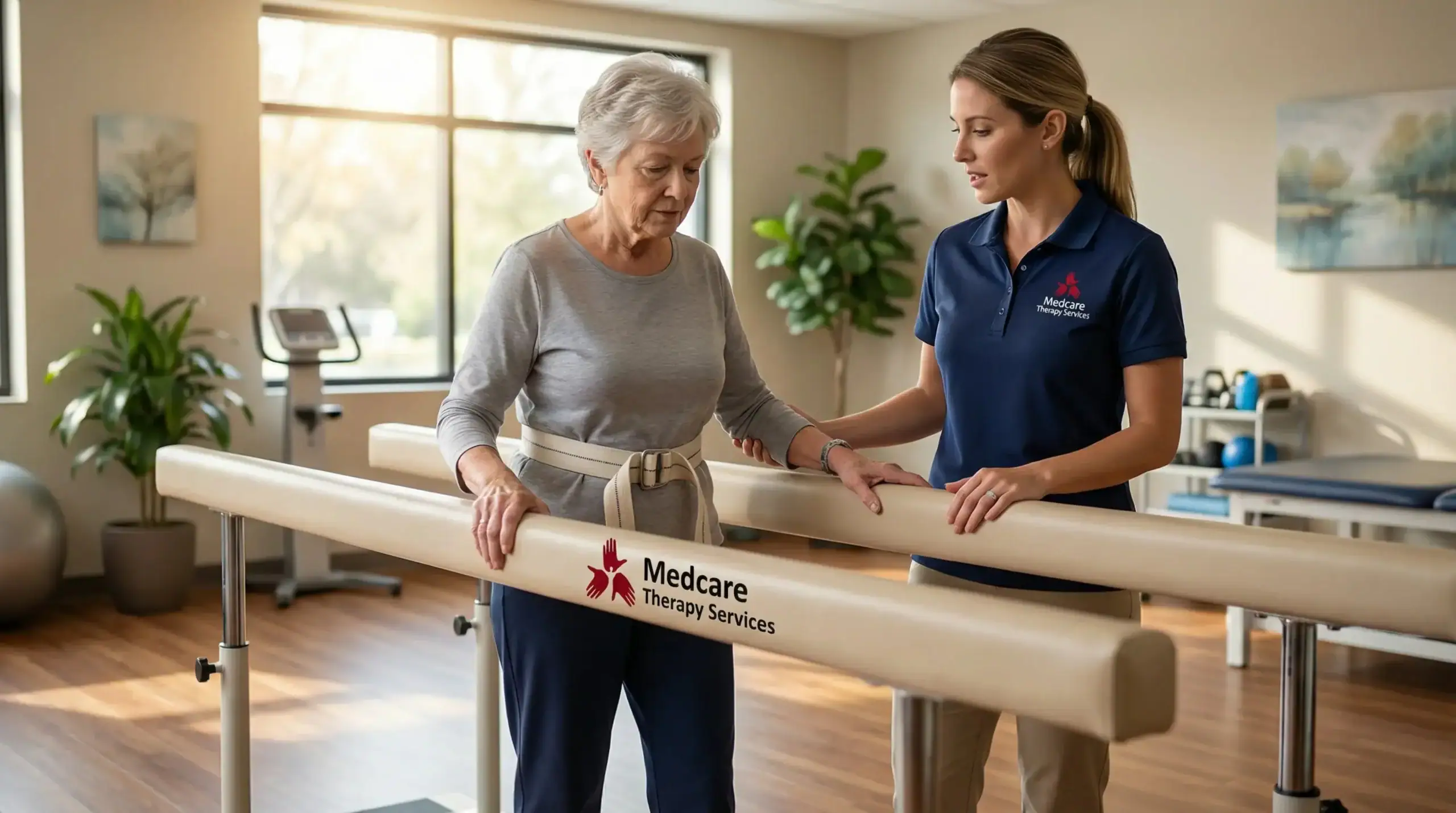
Falling once changes everything. It’s not just the injury—it’s the fear that follows. The hesitation before you stand. The second-guessing every step. That fear keeps you from doing what you love, and it makes falling again more likely.
Physical therapy for balance addresses both the physical and mental side of fall prevention. You rebuild strength in the muscles that keep you upright. You retrain your body to react faster when you lose your footing. And you regain confidence in your ability to move through your day without constantly worrying about what might happen.
Research shows that balance training can cut your fall risk in half. Patients who start therapy within three months of a balance issue see significantly fewer falls up to a year later. That’s not just statistics—that’s getting back to your garden, your grandkids, your routine. It’s staying in your home on your terms.
We’ve been serving Long Island communities since 2010. We know Mattituck—the homes, the lifestyle, the challenges that come with aging in a place you love.
Suffolk County ranks fifth in New York State for fall-related incidents among seniors. With 34% of Mattituck residents over 65, fall prevention isn’t optional here—it’s essential. We bring licensed physical therapists directly to your home, so transportation never stands between you and the care you need.
We accept Medicare and nearly all commercial insurance. Every program is built around your specific risk factors, your home environment, and your goals. You’re not a protocol—you’re a person.

First, we assess your fall risk. A licensed therapist evaluates your balance, gait, muscle strength, and reaction time. We also look at your home—lighting, rugs, bathroom setup, anything that could increase your risk. This isn’t a checklist. It’s a conversation about what’s actually happening in your daily life.
Then we build your program. Balance exercises for seniors aren’t one-size-fits-all. Some people need ankle strengthening. Others need vestibular training or vision-balance coordination. We design exercises you can do safely at home, progressing as you get stronger.
Sessions happen in your home, on your schedule. You work with the same therapist each time, so they know your progress and can adjust as needed. Most patients see measurable improvement in balance and confidence within the first month. The goal is simple: reduce your fall risk and keep you doing what matters to you.

Ready to get started?
Every program starts with a comprehensive fall risk assessment. We measure your balance, walking speed, lower body strength, and functional mobility. We identify specific risk factors—whether that’s muscle weakness, medication side effects, vision issues, or environmental hazards in your home.
Your therapy includes strengthening exercises that target the muscles most critical for balance: ankles, hips, core. You’ll do dynamic balance training—exercises that challenge your stability in controlled ways so your body learns to recover when you’re caught off guard. Flexibility work keeps your joints mobile and your movements fluid.
Long Island seniors face higher fall rates than most of New York State. In Nassau County alone, 88% of injury hospitalizations for adults over 65 are falls. Here in Mattituck, where many homes have stairs, uneven terrain, and older layouts, your environment matters. We evaluate your specific space and recommend modifications that make sense for how you actually live. You also get education on footwear, lighting, and daily habits that reduce risk without turning your home into a hospital.

Most patients see measurable improvements in balance and strength within four to six weeks of consistent therapy. Studies show that seniors who begin physical therapy within three months of a balance or dizziness diagnosis reduce their fall risk by up to 86% within the first year.
That doesn’t mean you’re “cured” in a month. Fall prevention is about building habits and strength that last. Early gains come from neuromuscular re-training—your body remembering how to react and stabilize. Longer-term results come from sustained strength building and confidence.
If you’ve already fallen once, starting therapy now matters. Falling once doubles your chance of falling again, but early intervention breaks that cycle. The sooner you start, the faster you rebuild the physical and mental resilience that keeps you safe.
Yes. Medicare Part B covers physical therapy when it’s medically necessary, which includes fall prevention and balance training for seniors at risk. If you’ve had a fall, been diagnosed with a balance disorder, or your doctor has identified you as high-risk, therapy is typically covered.
We accept Medicare and nearly all commercial insurance plans. We handle the verification and billing, so you’re not navigating paperwork on your own. Most patients have a copay or coinsurance depending on their plan, but the therapy itself is covered.
In-home therapy is covered the same way clinic-based therapy is—sometimes better, because it eliminates transportation barriers that prevent people from getting consistent care. If you’re homebound or have difficulty traveling, Medicare recognizes that in-home care is often the most appropriate option.
Your exercises depend on your specific risk factors, but most programs include three categories: strengthening, dynamic balance, and functional movement. Strengthening exercises target your ankles, hips, and core—the muscles that keep you upright and help you recover when you start to fall.
Dynamic balance exercises challenge your stability in safe, controlled ways. That might mean standing on one leg, walking heel-to-toe, or shifting your weight while reaching. These exercises train your body to react faster and more effectively when you’re caught off guard in real life.
Functional movement exercises mimic daily activities—getting up from a chair, stepping over objects, turning while walking. These aren’t just drills. They’re rehearsals for the movements that matter most in your day-to-day life. Your therapist will also teach you how to fall safely if it does happen, which can significantly reduce injury risk.
In-home therapy happens in the environment where you actually live. Your therapist sees the stairs you climb, the bathroom you use, the rugs you walk on. That means the program is tailored to your real-world risks, not a generic clinic setup.
There’s no travel involved, which matters if you have mobility issues, don’t drive, or live in a rural area like Mattituck where clinics aren’t always nearby. You also avoid the fatigue that comes with getting ready, commuting, and navigating an unfamiliar space. Your energy goes into the therapy itself.
You work with the same therapist each session, building continuity and trust. They track your progress week to week and adjust exercises as you improve. For many seniors, especially those who are homebound or at high fall risk, in-home therapy isn’t just more convenient—it’s more effective.
Your first session is about understanding your specific risk. The therapist will ask about your fall history, medications, medical conditions, and any balance or dizziness issues you’ve noticed. They’ll watch how you walk, how you get up from a chair, and how you handle changes in direction or surface.
You’ll do a few simple physical tests—standing on one leg, walking in a straight line, reaching in different directions. These aren’t pass-fail. They’re measurements that help your therapist understand where you’re strong and where you’re vulnerable.
The therapist will also walk through your home with you, looking at lighting, floor surfaces, bathroom setup, and furniture placement. They’re not there to judge your house—they’re identifying specific hazards that increase your risk. By the end of the first visit, you’ll have a clear picture of your fall risk and a plan to address it.
Yes. Even if you’ve fallen more than once, therapy can significantly reduce your risk moving forward. Multiple falls often indicate underlying issues—muscle weakness, balance deficits, gait problems—that are treatable with the right intervention.
Research shows that structured exercise programs reduce fall risk by 21-24% overall, with even greater reductions in fall-related fractures and falls requiring medical attention. Physical therapy after a fall-related injury or diagnosis lowers future fall rates by up to 86% when started within three months.
The key is addressing both the physical and psychological factors. Repeated falls create a fear cycle—you move less, you get weaker, and you become more likely to fall again. Therapy breaks that cycle by rebuilding strength, improving balance, and restoring confidence. It’s not about erasing what happened. It’s about changing what happens next.
Other Services we provide in Mattituck