
You stop planning your day around fear. That’s what happens when your balance improves and your legs feel stronger again.
You’re not second-guessing every step or holding onto furniture just to move through your own home. You’re walking to the mailbox, getting up from a chair without bracing yourself, and moving through your day without that constant low-level panic that something might give out.
Physical therapy for balance isn’t about making you feel better for a week. It’s about rebuilding the strength, coordination, and confidence that keeps you upright when your foot catches the rug or your balance shifts unexpectedly. That’s the difference between a close call and a trip to the hospital.
The goal isn’t just fewer falls. It’s getting back to doing what you want without calculating risk every time you stand up.
We’ve been providing home-based physical therapy across Long Island for over a decade. We specialize in fall prevention for seniors who’d rather not leave home for treatment – or can’t easily get to an office in the first place.
Our therapists are trained in the Otago fall prevention program, which is one of the most researched and effective approaches to reducing fall risk in older adults. We accept Medicare and most commercial insurance, and in New York State, you can start therapy without a prescription.
Matinecock residents get the same level of care we’ve been delivering throughout Nassau and Suffolk Counties since day one. You’re not a number here. You’re someone we’re coming to see, assess, and help – in your own space, on your schedule.

First, we talk. You’ll speak with someone who understands what you’re dealing with – whether it’s unsteadiness, a recent fall, or just that nagging fear that you’re one misstep away from something serious.
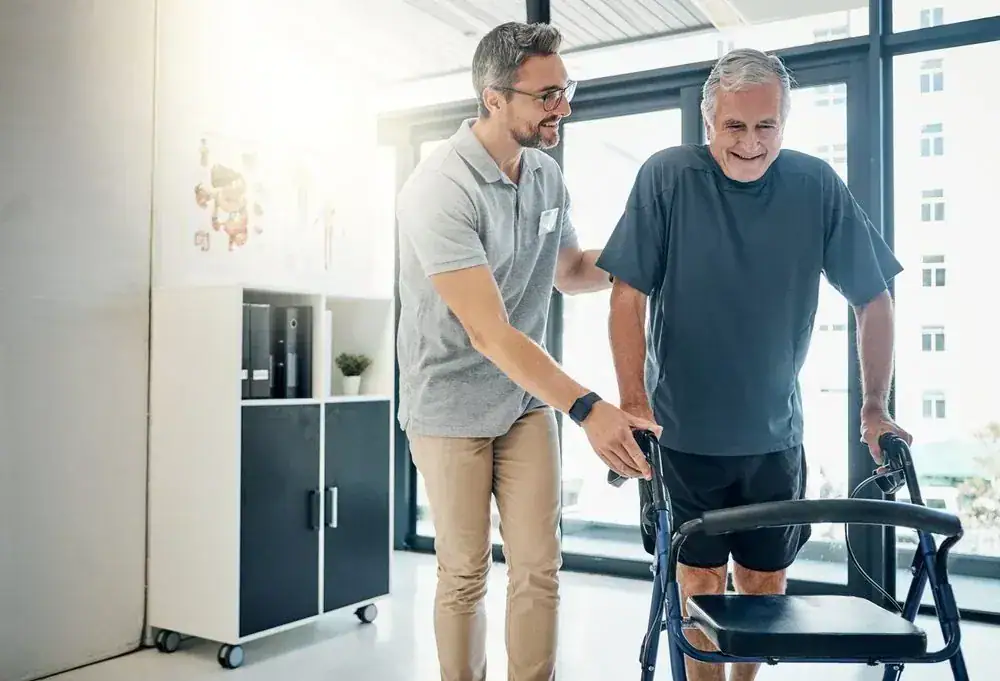
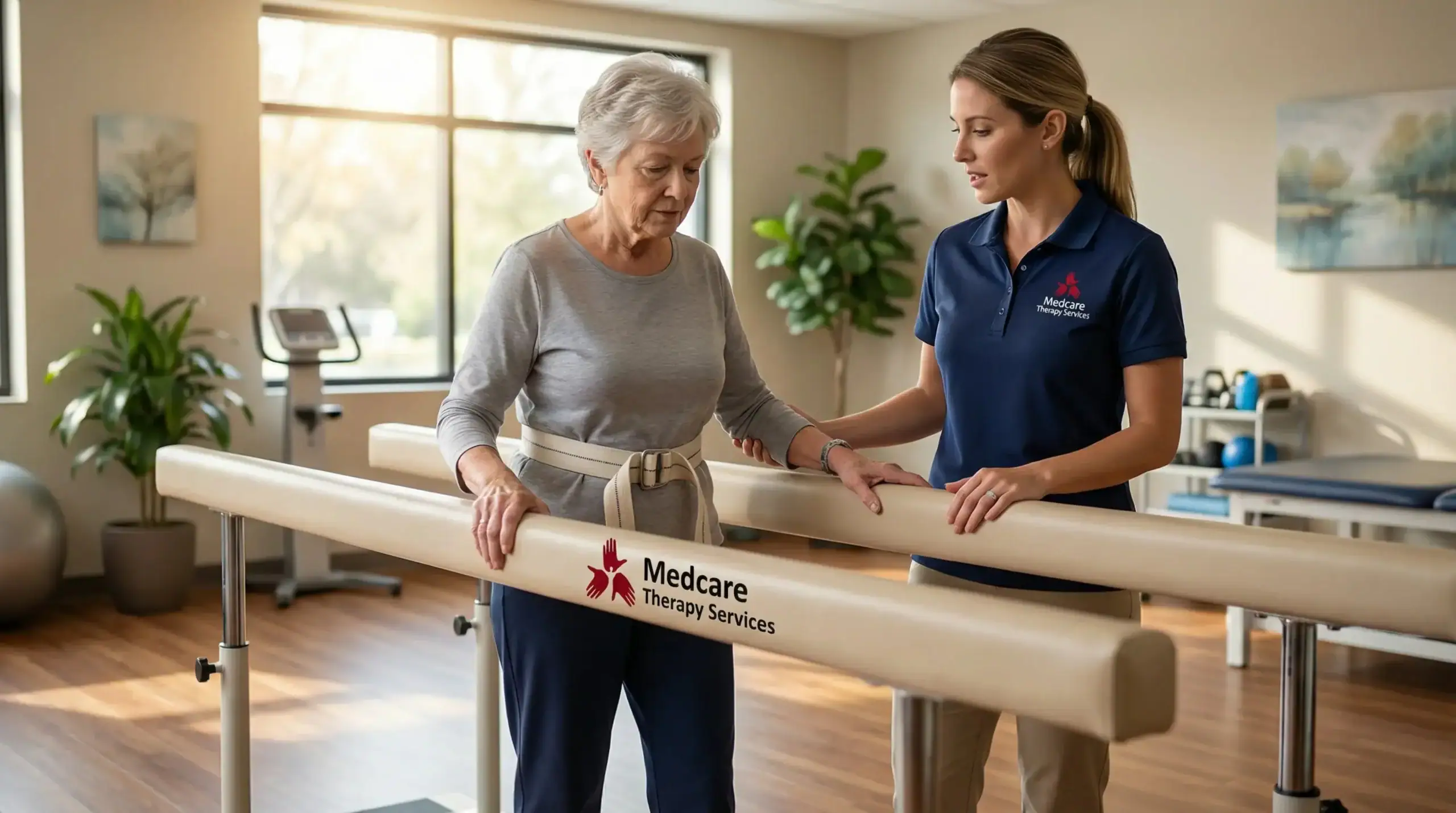
Then a licensed physical therapist comes to your home in Matinecock. They’ll assess your strength, balance, coordination, and how you move through your space. They’re also looking at your environment – rugs, lighting, furniture placement – anything that might be increasing your fall risk without you realizing it.
From there, you get a personalized plan. That usually means balance exercises for seniors tailored to your ability level, strength training to stabilize your legs and core, and gait training so you’re moving more confidently. Your therapist will also recommend modifications – grab bars, better lighting, removing tripping hazards – that make your home safer without turning it into a hospital room.
Sessions happen one-on-one in your home. No shared equipment, no waiting for your turn, no driving anywhere. Just focused time with someone who’s there to help you get stronger and steadier.

Ready to get started?
You get a full fall risk assessment that looks at your strength, balance, coordination, and your home environment. That’s where we start – understanding what’s actually putting you at risk.
Then comes the program itself: senior balance exercises designed to improve stability, strength training to support your legs and core, and gait training so you’re walking with better control. If you’ve had a stroke, deal with arthritis, or manage Parkinson’s or diabetes, the program adjusts to your condition – not the other way around.
Your therapist will also walk through your home and point out fall hazards you might not notice anymore. Loose rugs, poor lighting, missing handrails – small fixes that make a big difference. You’ll get practical recommendations you can actually implement, not a list of expensive renovations.
For Matinecock residents, this matters because many homes here are older, with stairs, varying floor levels, and layouts that weren’t designed with aging in place in mind. We’ve worked in enough North Shore homes to know what to look for and how to adapt your space without major construction.
Everything is covered under Medicare and most commercial insurance plans. You’re getting licensed, experienced care without the burden of driving to appointments or sitting in a waiting room.

If you’ve fallen in the past year, you need it. That’s the clearest sign. But you don’t have to wait for a fall to get help.
If you’re feeling unsteady when you walk, grabbing onto furniture or walls to move around your home, or avoiding activities because you’re worried about losing your balance – those are all red flags. So is getting up from a chair and feeling wobbly for a few seconds, or noticing that your legs feel weaker than they used to.
Chronic conditions like arthritis, diabetes, Parkinson’s, or a history of stroke also increase your fall risk, even if you haven’t fallen yet. The same goes for taking multiple medications, especially anything that affects your blood pressure or makes you dizzy. If any of this sounds familiar, a fall risk assessment makes sense. It’s not about waiting until something bad happens – it’s about preventing it in the first place.
You’re getting treated in the environment where you actually live. That’s the biggest advantage. A therapist can see how you move through your home, where the hazards are, and what’s realistic for you to do every day.
In a clinic, you’re working on generic equipment in a controlled space. That’s fine for some things, but it doesn’t show your therapist how you navigate your kitchen, bathroom, or stairs – the places where most falls happen. At home, we’re addressing the real-world challenges you face, not simulating them.
There’s also the practical side. If you’re already unsteady or have trouble getting around, the last thing you need is to arrange transportation, sit in a waiting room, and expend energy just getting to an appointment. Home therapy eliminates that. You’re getting one-on-one care without the logistics, and you’re more likely to stick with it because it’s not a burden to access.
Yes. Medicare Part B covers outpatient physical therapy, including fall prevention, when it’s provided by a licensed therapist – which we are. You’ll have a copay or coinsurance depending on your plan, but the service itself is covered.
In New York State, you can start therapy without a doctor’s prescription, though many people do get a referral from their physician. Either way, as long as the therapy is medically necessary – meaning you have a fall risk or balance issue that needs treatment – Medicare will cover it.
We also accept most commercial insurance plans. During your initial call, we’ll verify your coverage so you know exactly what to expect. There’s no guessing, and we handle the billing directly with your insurance. If you’re eligible and you need the service, cost shouldn’t be the reason you don’t get help.
It depends on where you’re starting and what your goals are. Some people see improvement in balance and confidence within a few weeks. Others need a couple of months to rebuild strength and coordination, especially if they’re recovering from a fall or managing a chronic condition.
Most programs run anywhere from 6 to 12 weeks, with sessions once or twice a week. Your therapist will reassess your progress regularly and adjust the plan as you improve. The goal is to get you to a point where you’re stable, confident, and able to maintain your balance on your own – not to keep you in therapy indefinitely.
That said, some people continue with a maintenance program if they have an ongoing condition like Parkinson’s or severe arthritis. But even then, the frequency drops once you’ve built a foundation. This isn’t about dependence – it’s about giving you the tools to stay steady long-term.
Then fall prevention therapy is even more important. After a fall, especially one that caused a fracture or required hospitalization, your risk of falling again goes up significantly. Your body is weaker, your confidence is shaken, and you’re probably moving more cautiously – which can actually make your balance worse.
We work with people post-fall all the time. The focus shifts slightly – we’re not just preventing the first fall, we’re making sure there isn’t a second one. That means rebuilding strength in the areas that were injured, retraining your balance and gait, and addressing whatever caused the fall in the first place.
If you’re still in the early stages of recovery, we’ll coordinate with your doctor to make sure the therapy aligns with your healing process. But the sooner you start working on balance and strength again, the better your outcome. Waiting too long can lead to deconditioning, which makes everything harder. You don’t want to be six months out from a fall and still afraid to move around your own home.
Your therapist will spend about an hour with you. They’ll start by asking about your medical history, any falls you’ve had, medications you’re taking, and what you’re struggling with day-to-day. Then they’ll assess your balance, strength, and how you walk – both with and without assistance if you use a cane or walker.
They’ll also move through your home with you, looking at the layout and identifying fall hazards. That might be a loose rug in the hallway, inadequate lighting in the bathroom, or a lack of grab bars near the toilet or shower. You’ll get specific recommendations based on what they see, not a generic checklist.
By the end of that first visit, you’ll have a clear picture of your fall risk and a plan to address it. That includes which exercises you’ll be doing, how often your therapist will come back, and what changes you should make to your home. It’s not vague – you’ll know exactly what’s happening next and why.
Other Services we provide in Matinecock