
You stop planning your day around what might go wrong. The bathroom at night doesn’t feel like a risk. Getting the mail becomes automatic again, not something you have to think through.
That shift happens because balance training does more than prevent falls. It rebuilds the connection between your brain and your body. Your muscles get stronger, your core activates properly, and your confidence comes back.
Research shows regular balance exercises can cut your fall risk in half. But the bigger change is how you feel moving through your own home. You’re not second-guessing every step or holding onto furniture just in case. You’re walking with the kind of steadiness that lets you focus on what you’re doing, not whether you’ll make it there safely.
Physical therapy for balance works because it’s specific to how your body moves now, not how it used to. Every session is built around what you need to feel secure on your feet again.
We’ve been providing home-based physical therapy across Long Island for over a decade. We work with Medicare and most commercial insurance, so cost doesn’t become another barrier to getting help.
Our therapists come to your home in Mastic Beach because we know transportation can be a problem. You shouldn’t have to arrange a ride or worry about getting to an appointment when the whole point is improving your stability.
We treat a lot of seniors in Suffolk County, and we’ve seen what happens when falls go from a one-time thing to a pattern. The earlier you address balance issues, the more options you have. That’s why we focus on prevention, not just recovery after something’s already gone wrong.
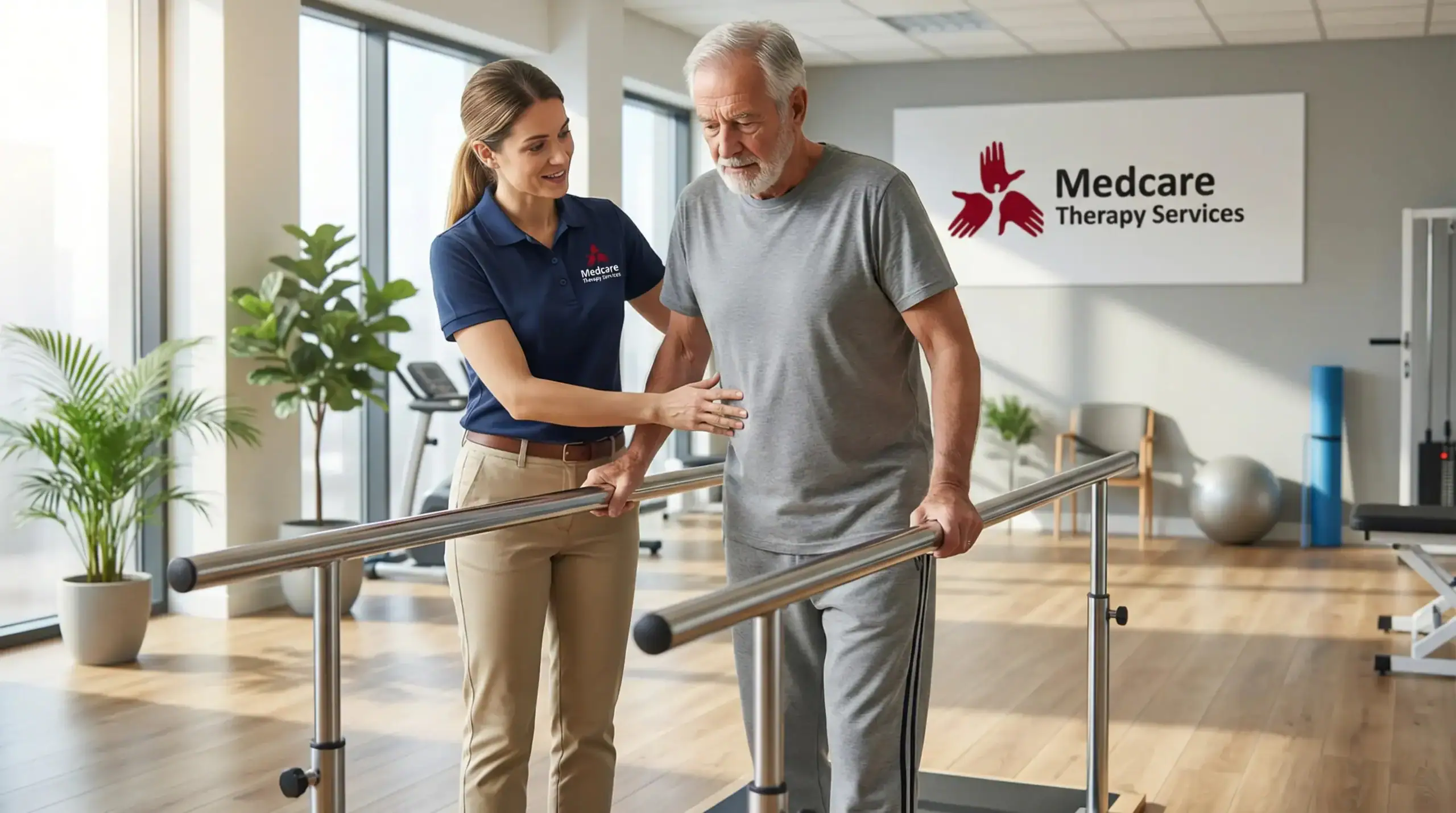
First, we assess where you are now. That means looking at your medical history, any medications that might affect balance, and how you move through your home. We check your gait, test your coordination, and see how your balance holds up in real situations.
Then we build a plan based on what we found. If your core is weak, we strengthen it. If your reaction time is slow, we work on that. If certain movements make you unsteady, we retrain those patterns until they feel natural again.
You’ll typically work with us three days a week for about 45 minutes per session. Most people see measurable improvement within 12 weeks. That doesn’t mean you’re done in 12 weeks—it means that’s when the changes start to stick.
The exercises happen in your home, using what you already have. No special equipment. No gym. Just targeted movements that make your daily life safer and easier.

Ready to get started?
Balance therapy isn’t one-size-fits-all. What works for someone recovering from a stroke won’t be the same as what helps someone dealing with general age-related instability.
In Mastic Beach and across Long Island, falls are the leading cause of injury for adults over 65. In New York State alone, falls caused over 1,800 deaths and 78,000 hospitalizations in 2023. Those numbers have been climbing—fall-related deaths increased 25% from 2018 to 2023.
Your program might include strength training to support your joints, proprioception exercises to improve spatial awareness, and gait training to correct how you walk. We also look at your home setup and recommend modifications if needed—better lighting, grab bars, removing tripping hazards.
The goal isn’t just to keep you from falling. It’s to give you back the freedom to move without fear. When you’re not constantly worried about losing your balance, your whole quality of life improves. You walk faster, think clearer, and stay more active in the things you actually enjoy.
If you’ve fallen once in the past year, your risk of falling again just doubled. That’s not meant to scare you—it’s just the reality of how balance issues progress when they’re not addressed.
But you don’t have to wait for a fall to get help. Warning signs include feeling unsteady when you stand up, needing to hold onto walls or furniture when you walk, avoiding stairs, or just generally feeling less confident on your feet than you used to.
A lot of people don’t tell their doctor about balance problems because they’re worried it’ll lead to losing independence. The truth is the opposite. Early intervention gives you more control over the outcome. If you’re noticing changes in how you move, that’s enough reason to get evaluated.
Yes. Medicare Part B covers outpatient physical therapy when it’s medically necessary, and fall prevention absolutely qualifies.
We accept Medicare and nearly all commercial insurance plans. After your initial evaluation, we’ll know exactly what your coverage looks like and what, if anything, you’ll pay out of pocket.
The majority of fall-related hospitalizations get billed to Medicare or Medicaid—about 95% of them. Insurance companies would much rather pay for prevention now than an emergency room visit and rehab stay later. So if your doctor recommends balance therapy, there’s a good chance it’s covered.
Home therapy lets us see how you actually move in your own space. We’re not guessing what your bathroom looks like or whether you have stairs. We’re right there, watching you navigate the same floors, rugs, and furniture you deal with every day.
That matters because more than half of all fall-related hospitalizations happen at home. If we only work with you in a clinic, we miss the real-world factors that put you at risk.
There’s also the practical side. If getting to appointments is hard—whether that’s because of transportation, mobility, or just the hassle—you’re less likely to stick with the program. When therapy happens at home, that barrier disappears. You’re more consistent, and consistency is what gets results.
Most people notice a difference within the first few weeks, but measurable, lasting improvement usually takes around 12 weeks of consistent work. That’s based on clinical research, not just our experience.
Balance training works by retraining your neuromuscular system—the connection between your brain and your muscles. That doesn’t happen overnight. Your body needs time to build strength, improve coordination, and develop new movement patterns that feel automatic.
The timeline can vary depending on your starting point. If you’re dealing with a specific condition like neuropathy or a previous stroke, it might take longer. But even small gains—like feeling steadier when you get out of bed or walking without holding onto things—add up quickly.
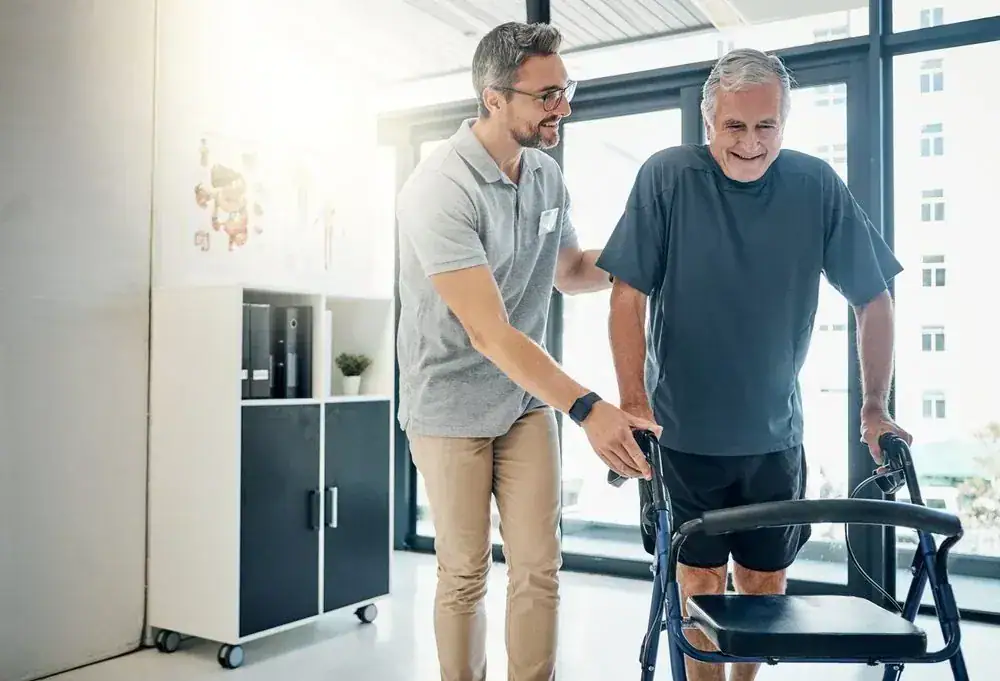
Using an assistive device doesn’t disqualify you from balance therapy. In fact, it’s often a sign that therapy could help.
We work with plenty of people who use walkers, canes, or other mobility aids. The goal isn’t necessarily to get rid of the device—it’s to make sure you’re using it correctly and that your body is as strong and stable as possible.
Sometimes people start relying on a walker because their balance declined and no one addressed the underlying issue. Therapy can improve your strength and coordination enough that you need the device less, or at least feel more secure using it. Other times, the walker stays, but your confidence and independence improve because you’re moving better overall.
Fear of falling can be just as limiting as the physical risk. When you’re constantly worried about losing your balance, you start avoiding activities, moving less, and becoming more isolated. That fear actually increases your fall risk because you’re not staying active enough to maintain your strength.
Balance training addresses both the physical and psychological sides of fall prevention. As your stability improves, your confidence builds. You start trusting your body again, which makes you more willing to stay active.
Research shows that balance programs improve fall-related self-efficacy—basically, your belief in your ability to move safely. That shift in mindset is huge. When you’re not planning your entire day around avoiding a fall, you get your life back.
Other Services we provide in Mastic Beach