
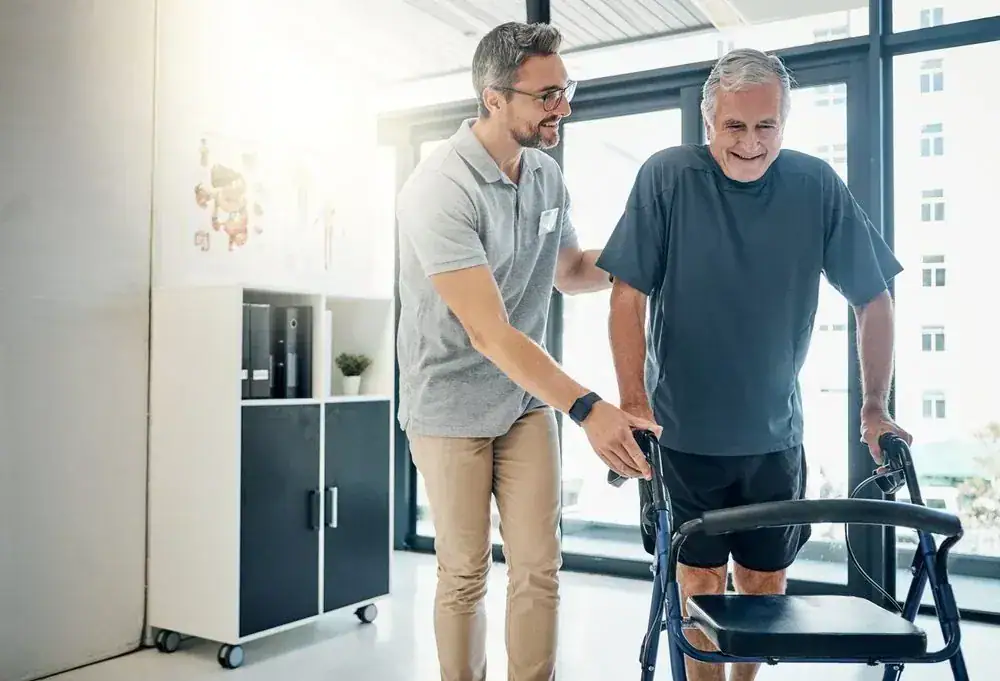
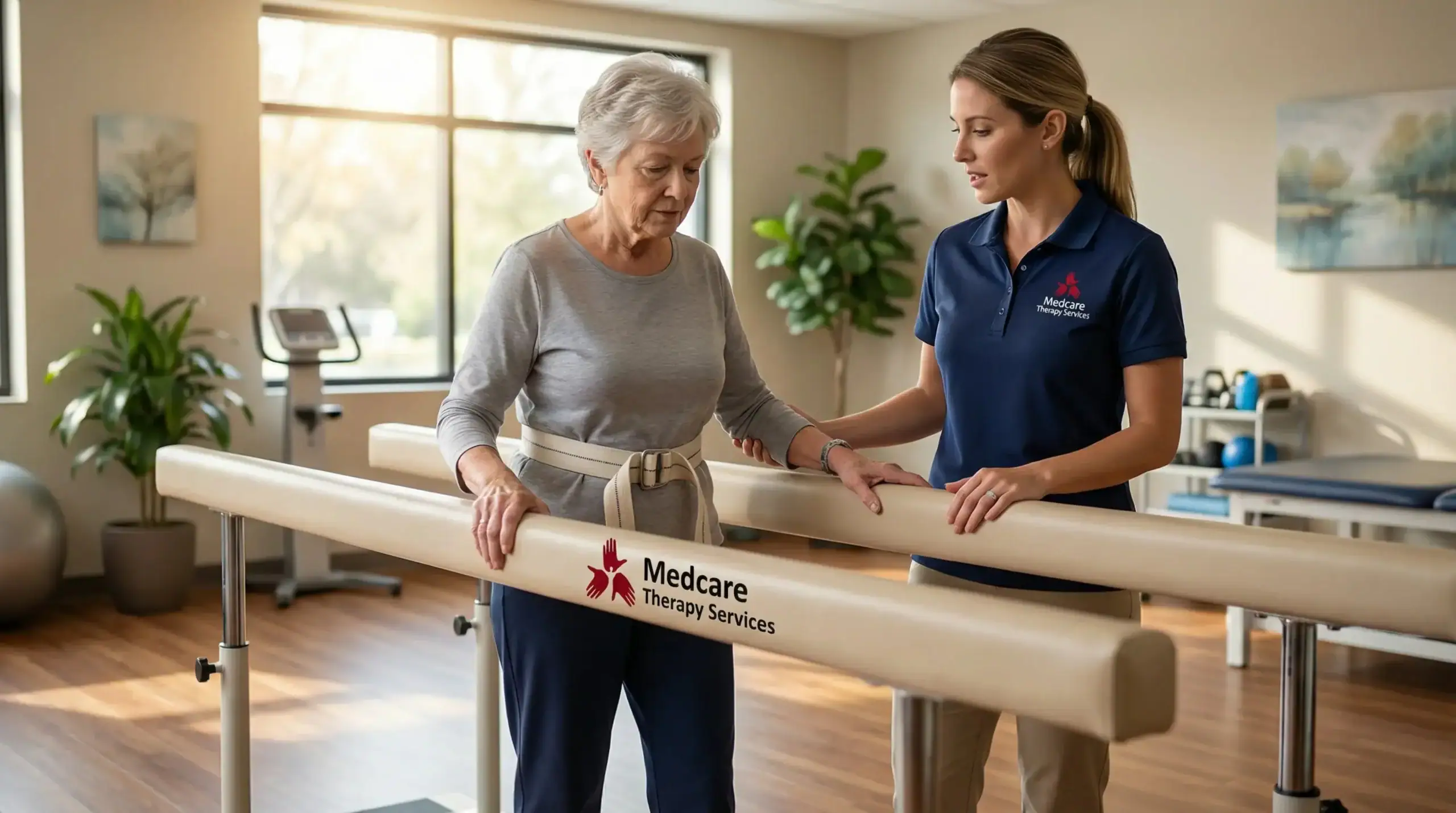
You stop second-guessing every step. You walk to the mailbox without that knot in your stomach. You get up in the middle of the night without holding your breath.
That’s what better balance actually looks like. Not some abstract health metric, but real confidence in how you move through your day. When your legs are stronger and your reflexes sharper, you’re not just avoiding falls. You’re reclaiming the independence that fear has been quietly stealing from you.
The stats are clear: regular balance exercises for seniors can cut fall risk in half. But what matters more is what that means for you. Fewer trips to the ER. Less worry for your family. More time doing what you want instead of worrying about what might happen. That’s the outcome we’re after.
We’ve been helping Long Island seniors stay safe and independent for over a decade. We bring Medicare-covered physical therapy directly to your home in Massapequa, which means you don’t have to worry about getting to appointments or navigating an unfamiliar clinic.
Our therapists specialize in elderly fall prevention. They know the difference between someone recovering from hip surgery and someone dealing with Parkinson’s-related balance issues. That matters because your treatment plan should reflect your specific situation, not some one-size-fits-all protocol.
We’ve worked with hundreds of seniors across Nassau County. We understand the layout of homes in this area, the concerns families have, and what it takes to help someone feel steady again. You’re not a number here. You’re someone we’re committed to keeping safe.
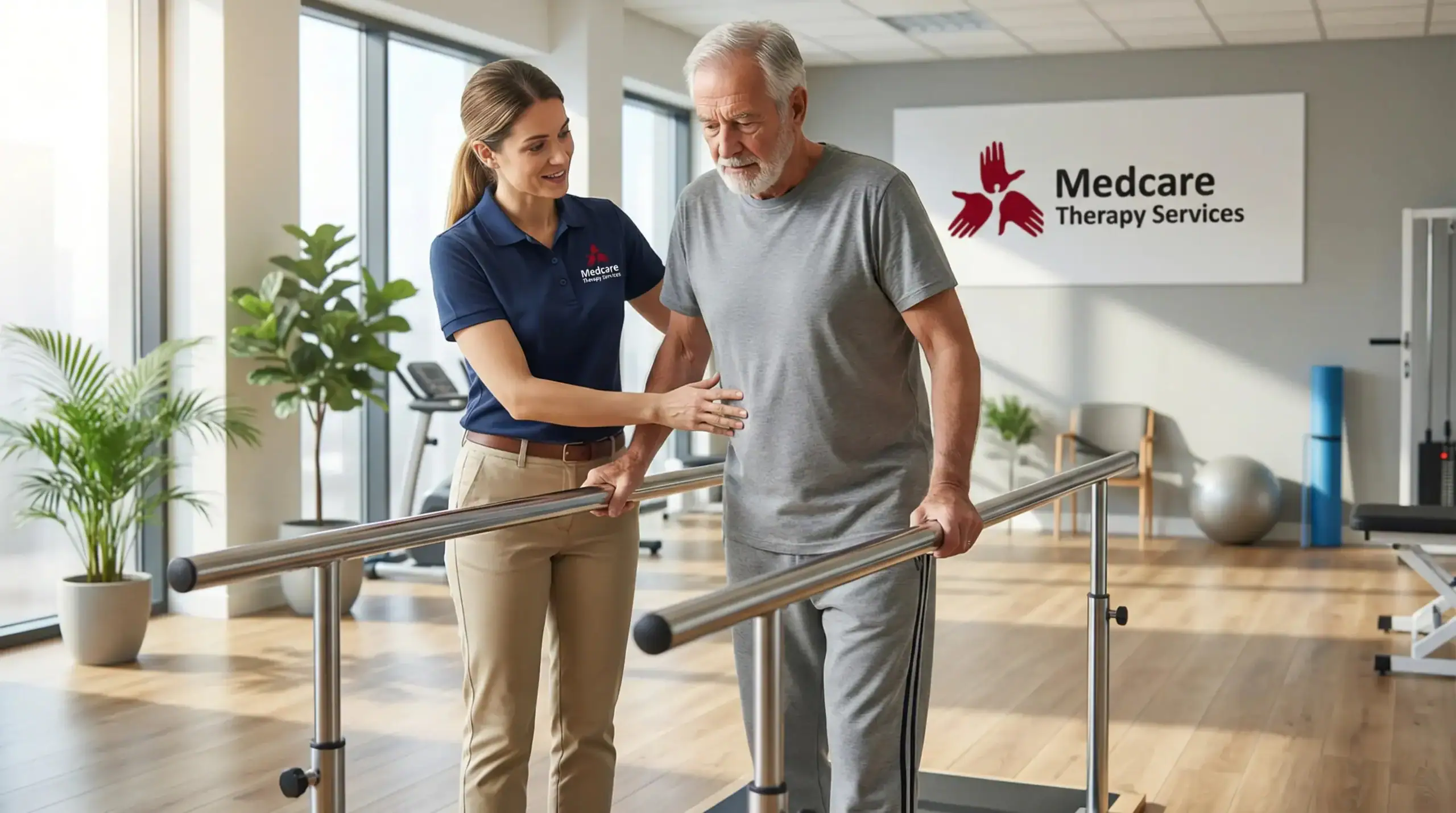
First, we come to your home and do a complete fall risk assessment. We’re looking at your strength, your balance, your walking pattern, any medications that might affect stability, and how your home is set up. This isn’t a quick checklist. It’s a thorough evaluation using evidence-based tools that tell us exactly where your risks are.
Then we build your program. If you need strength training to support your knees, that’s what we focus on. If your balance is off because of neuropathy, we address that. If you’re recovering from a stroke, we work on the specific challenges that creates. Every plan is different because every person is different.
You’ll do exercises during our sessions and on your own between visits. These aren’t complicated gym routines. They’re targeted movements designed to retrain your body’s balance systems. Over time, you’ll notice you’re steadier. You’ll catch yourself before you stumble. You’ll move with more confidence. That’s when you know it’s working.
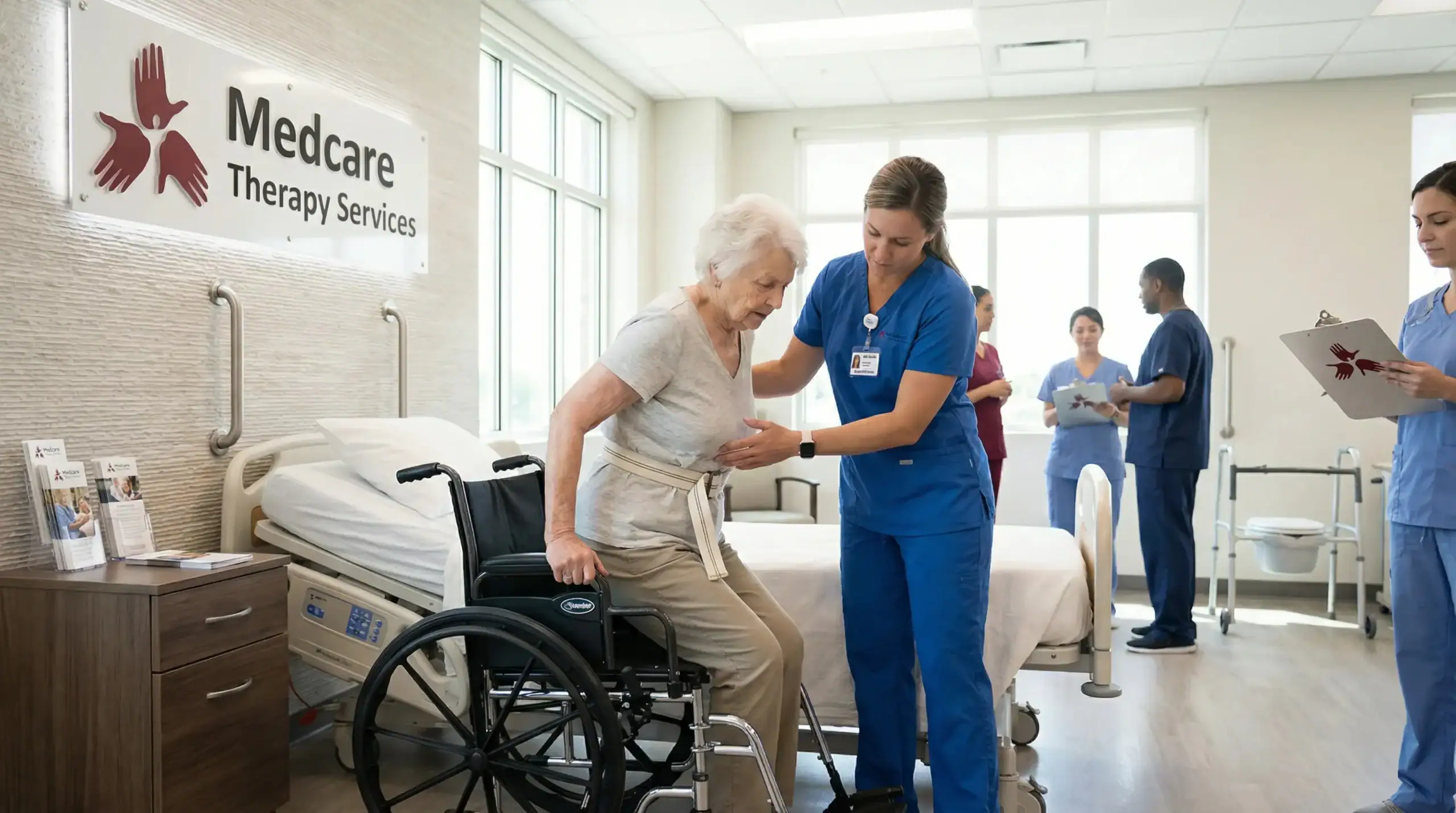
Ready to get started?
You get one-on-one sessions with a licensed physical therapist who comes to your home. No shared appointments, no waiting rooms. Just focused time on what you need.
We assess everything: muscle strength, joint flexibility, reaction time, vision-related balance issues, medication side effects, and home hazards. In Massapequa, we see a lot of split-level homes and older construction. We know what to look for. We’ll point out loose rugs, poor lighting, tricky stairs, and other risks you might not notice anymore.
Your exercise program will likely include strength work for your legs and core, balance exercises that challenge your stability in safe ways, and gait training to improve how you walk. We also teach you how to get up if you do fall, which reduces injury risk and gives you a backup plan.
Everything is covered by Medicare if you qualify. We handle the paperwork. You just focus on getting stronger and steadier. And because we’re local, we’re available when you need us. No long drives to therapy centers in other towns.
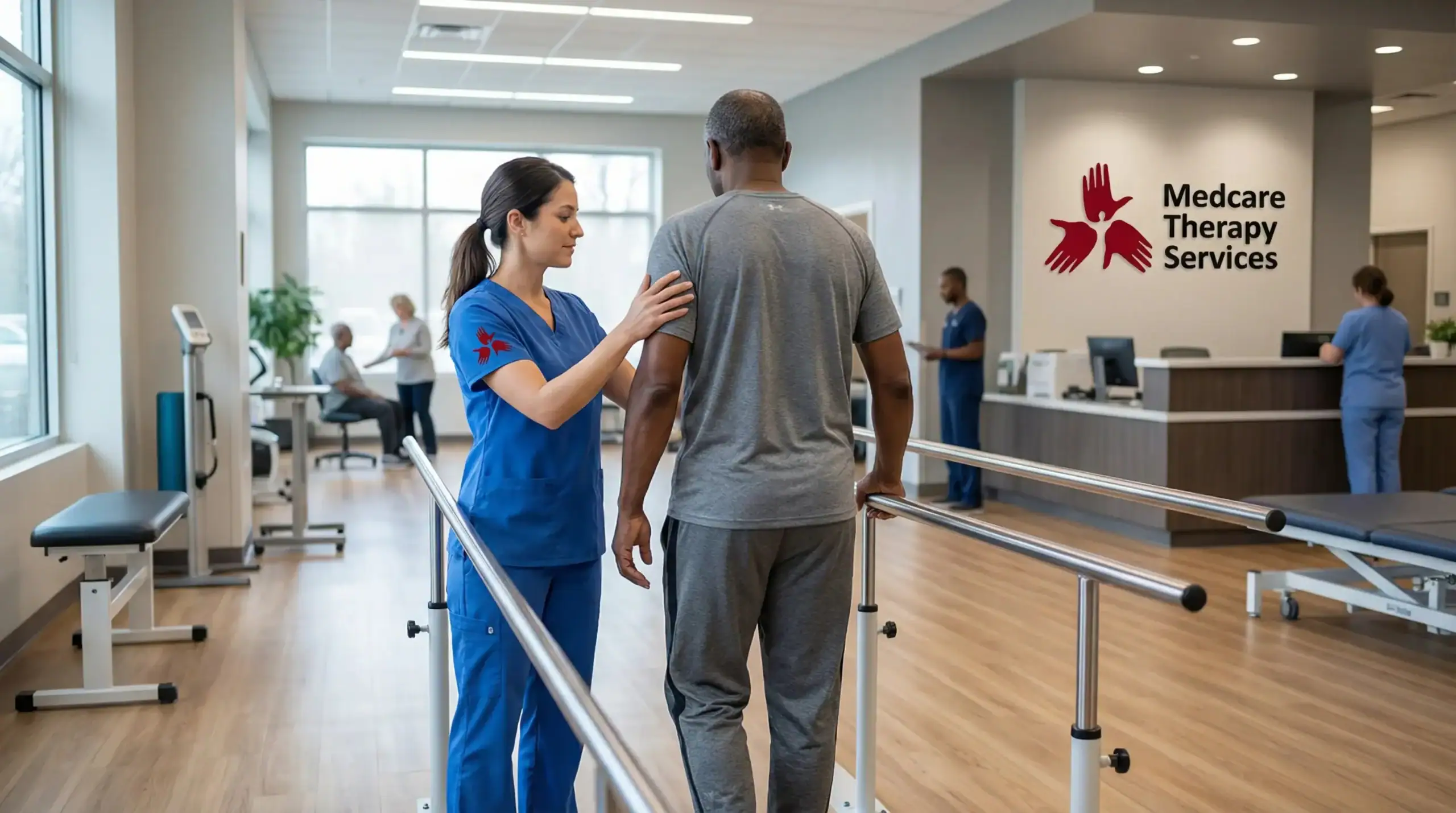
Most people notice small changes within two to three weeks. You might find yourself catching your balance faster or feeling more stable when you turn your head. Real, measurable improvement usually shows up around the six-week mark if you’re consistent with your exercises.
That timeline assumes you’re doing the work between sessions. Balance training isn’t like taking a pill. It requires repetition to retrain your nervous system and build strength. If you only do exercises when we’re there, progress will be slower.
Some conditions take longer. If you’re recovering from a stroke or managing Parkinson’s, improvement might be more gradual. But even small gains matter. Being 20% steadier can be the difference between a close call and a fall that lands you in the hospital.
That’s exactly why you need this. Multiple falls mean your risk is high, and it’s not going to get better on its own. The good news is that even people who’ve fallen several times can significantly reduce their risk with the right intervention.
We start by figuring out why you’re falling. Is it muscle weakness? Poor vision? Medication side effects? Inner ear issues? Often it’s a combination. Once we know what’s driving the problem, we can address it directly. We’ve worked with plenty of people who thought falling was just part of getting older. It’s not. It’s usually fixable.
The fear that comes after repeated falls is real, and it makes things worse. When you’re afraid to move, you move less. When you move less, you get weaker. When you’re weaker, you’re more likely to fall. We break that cycle by rebuilding your confidence alongside your physical strength.
Not at all. Prevention is actually the best time to start. If you’re noticing you’re a little unsteady, or you’re holding onto furniture more than you used to, or you’ve had a few close calls, that’s the perfect time to address it.
We also work with people who are at higher risk even if they haven’t fallen yet. That includes anyone over 65, people with conditions like arthritis or diabetes, anyone taking multiple medications, or someone recovering from surgery. If your doctor has mentioned balance concerns, don’t wait for a fall to take action.
The earlier you start, the easier it is to make progress. It’s much simpler to maintain good balance than to rebuild it after a serious fall and injury. Think of this as maintenance for your mobility, not just crisis management.
For fall prevention, home therapy is often more effective. We’re treating you in the environment where you actually live and where most falls happen. We can spot hazards in your home, practice navigating your specific stairs and layout, and make sure you’re safe in the spaces you use every day.
There’s also the practical side. If getting to a clinic is difficult or stressful, you’re less likely to stick with treatment. Consistency matters more than almost anything else in fall prevention. When therapy comes to you, you’re more likely to complete the full program and see real results.
You get the same quality of care, the same licensed professionals, and the same evidence-based treatments. The only difference is location. And in this case, that difference works in your favor. We’re training your balance where it matters most: in your own home.
Yes, if you meet the criteria. Medicare Part B covers outpatient physical therapy when it’s medically necessary, which includes balance training and fall prevention for people at risk. You’ll need a referral from your doctor, but that’s usually straightforward if you’ve had falls or have conditions that affect your balance.
There’s typically a copay, and Medicare has annual caps on therapy services, though exceptions exist for people who need more extensive treatment. We handle all the billing and paperwork directly with Medicare, so you don’t have to navigate that process yourself.
If you’re not sure about your coverage, we can verify your benefits before we start. We’ve been doing this for years and know exactly what Medicare requires. Our goal is to make this as simple as possible so you can focus on getting better, not dealing with insurance headaches.
We come to you, which immediately removes the biggest barrier most seniors face: transportation. You don’t need to arrange rides, navigate parking, or worry about getting to appointments. We show up at your door, ready to work.
We also specialize in geriatric care and fall prevention specifically. This isn’t a therapist who mostly treats sports injuries trying to work with seniors on the side. Our team knows the aging body, understands the specific balance challenges that come with conditions like arthritis and neuropathy, and has years of experience keeping Long Island seniors safe.
You get personalized attention every session. We’re not rushing you through a 30-minute appointment so we can see the next patient. We take the time to understand what’s happening with your body, adjust your program as you progress, and make sure you feel confident with every exercise. That level of care makes a real difference in outcomes.
Other Services we provide in Massapequa