
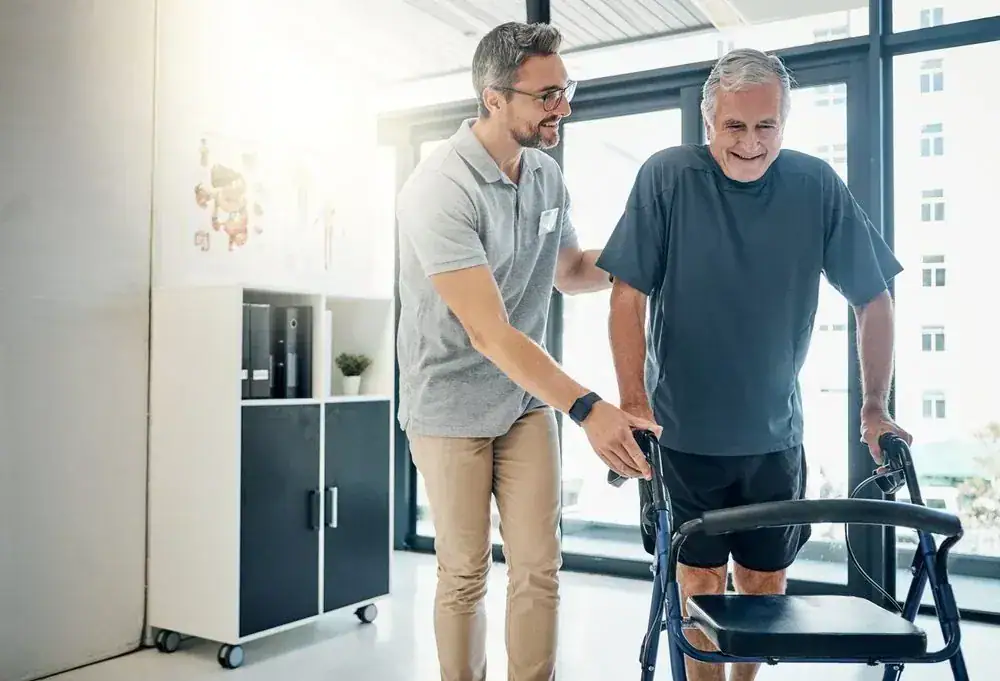
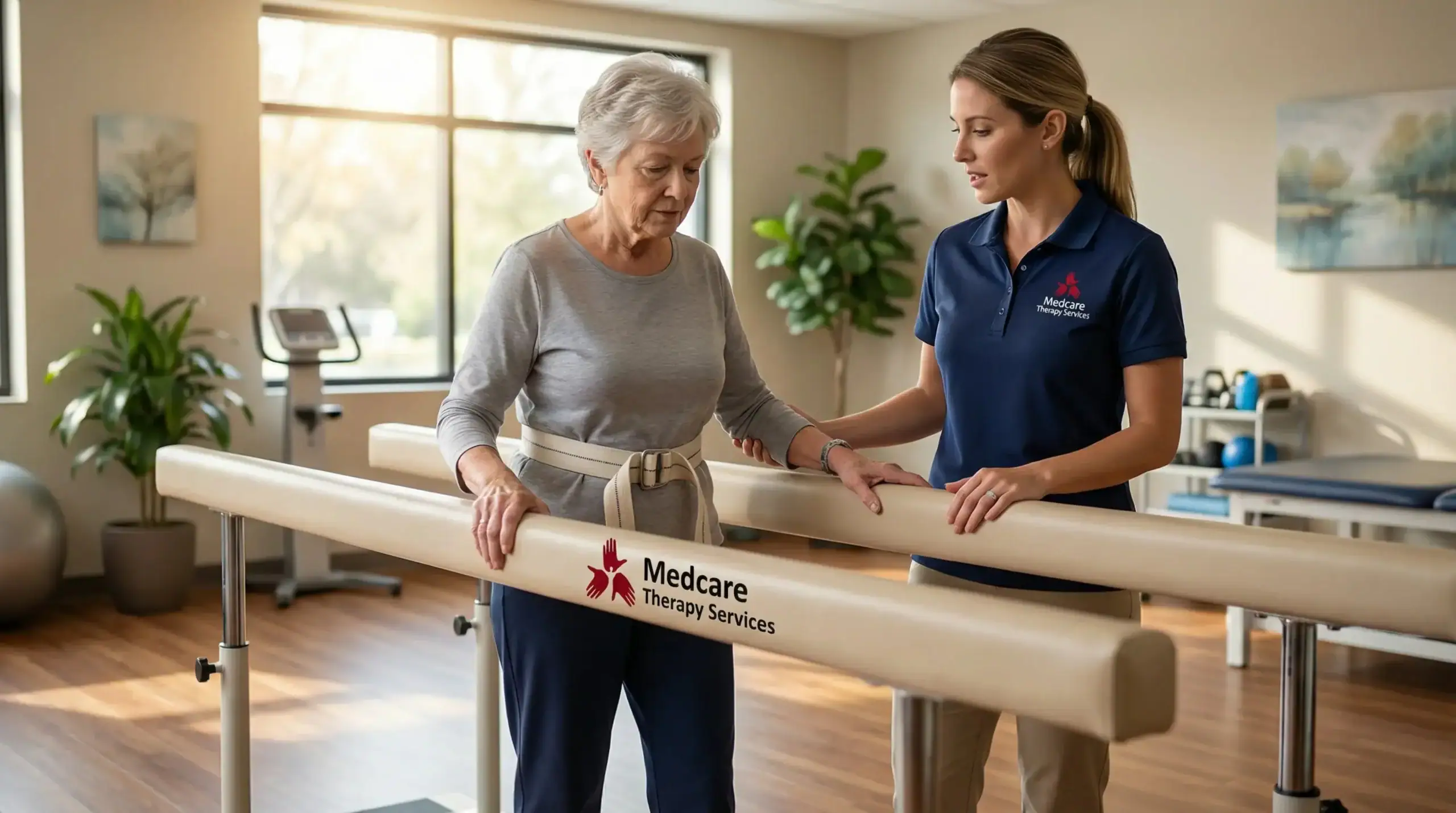
You stop planning your day around what’s safe and start doing what you actually want to do. That trip to the grocery store doesn’t require a mental checklist of where you can hold on. Walking to the mailbox stops feeling like a risk.
When your balance improves and your strength builds, your world gets bigger. You move through your home without mapping out the furniture. You don’t need someone next to you on the stairs. The fear that’s been sitting in the back of your mind during every step starts to fade.
This isn’t about going back to how things were twenty years ago. It’s about feeling steady right now. It’s about trusting your body again when you stand up, turn around, or reach for something on a shelf. That confidence changes everything.
We work with older adults across Long Island who want to reduce their fall risk and stay independent. We’re not new to this. Our therapists understand what happens when balance starts to go and why it’s different for everyone.
We’ve built our reputation in communities like Locust Valley, Glen Cove, and Sea Cliff by showing up consistently and doing the work that actually helps. Your neighbors have been here. Your friends have probably mentioned us.
You’re not getting a one-size-fits-all program. You’re getting an assessment that looks at your specific risk factors, a plan built around what your body needs, and therapists who’ve seen this before and know how to help.
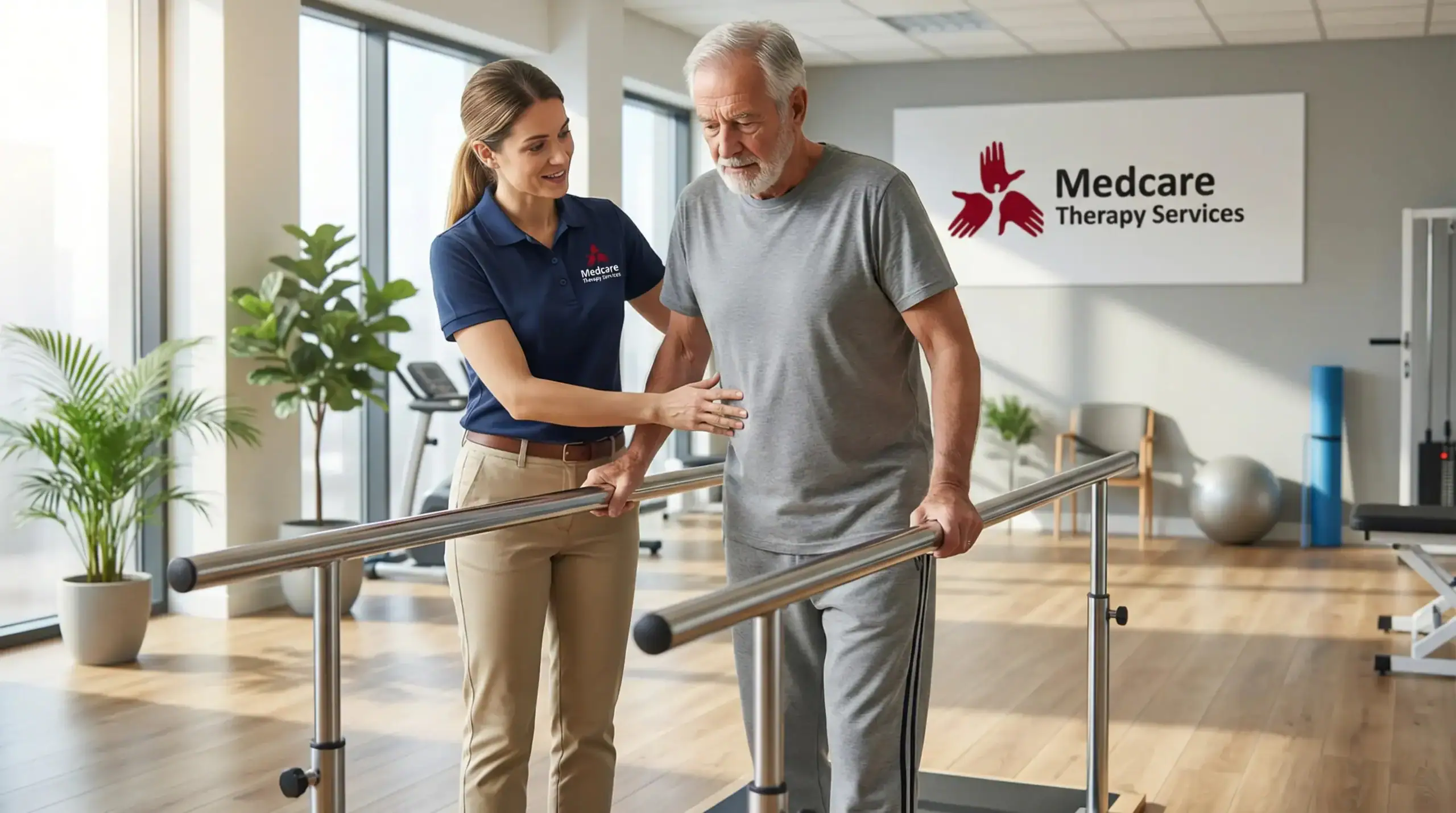
First, we assess where you’re at. That means looking at your balance, your strength, your gait, and how you move through space. We check your medical history, your medications, and anything else that might be contributing to your fall risk. This isn’t a quick screening. It’s thorough.
Then we build your plan. If your legs are weak, we strengthen them. If your balance is off, we work on exercises that retrain your body to stay steady. If you’re dealing with dizziness or vision issues, we factor that in. Every plan is different because every person is different.
You’ll come in for sessions where we guide you through exercises designed specifically for your needs. These aren’t generic senior exercises you could find online. They’re targeted, progressive, and adjusted as you improve. We also talk about your home. Where are the risks? What needs to change? We help you make those modifications so your environment supports your safety.
You’ll see progress. It might be small at first, but it builds. And we’re tracking it the whole way.

Ready to get started?
You get a full risk assessment that identifies why you’re at risk. That includes strength testing, balance evaluation, gait analysis, and a review of medications that might be affecting your stability. We’re looking at the whole picture.
You get a personalized exercise program. That means balance exercises that challenge you at the right level, strength training for your legs and core, and gait training to improve how you walk. These exercises are evidence-based and proven to reduce fall risk in older adults.
You also get education. We talk about footwear, home hazards, lighting, and how to get up if you do fall. We discuss what to do if you feel unsteady and when to use assistive devices. This isn’t just about what happens in our clinic. It’s about what you do every day.
For residents in Locust Valley and surrounding North Shore communities, we understand the unique challenges here. Many homes are older with stairs, uneven flooring, and layouts that weren’t designed with aging in mind. We help you navigate those specific challenges. We also coordinate with your doctor if needed, especially if medications or other health conditions are contributing to your risk.
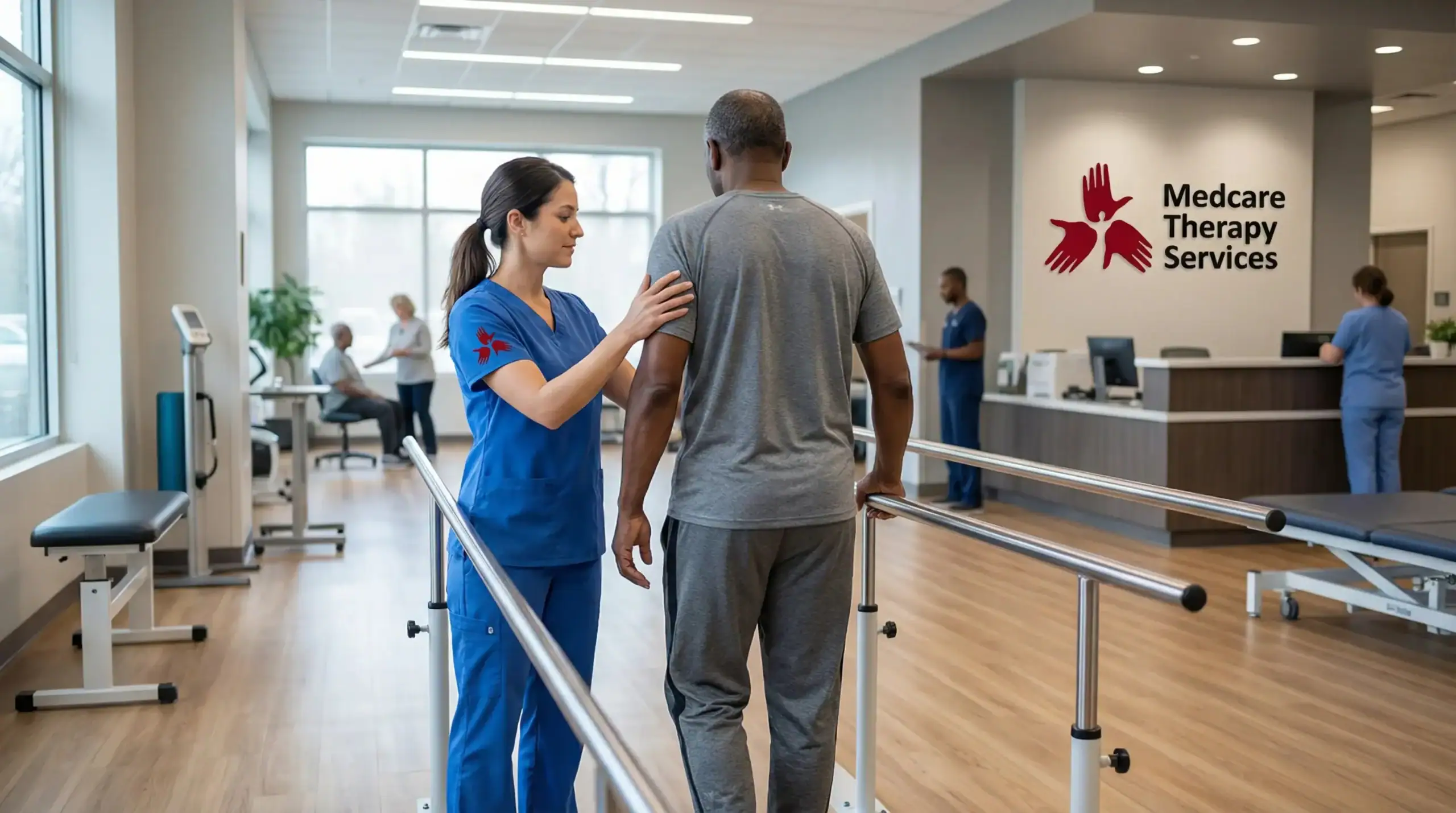
If you’ve fallen in the past year, you need this. Falling once doubles your chance of falling again, and that second fall is often worse than the first. But you don’t have to wait until you fall to start.
If you’re feeling unsteady when you walk, if you’re holding onto furniture or walls more than you used to, or if you’re avoiding certain activities because you’re worried about falling, those are signs. If you’ve noticed your balance isn’t what it was, or if getting up from a chair feels harder, that’s your body telling you something’s changed.
Many people wait too long because they think it’s just part of getting older. It’s not. Balance and strength can improve at any age with the right intervention. The earlier you start, the better your outcomes. Don’t wait until a fall forces the issue.
Fall prevention therapy is specifically designed to address the factors that increase your risk of falling. That’s different from rehabbing an injury or recovering from surgery. We’re focused on prevention, not just treatment.
We look at multiple risk factors at once. That includes your muscle strength, your balance, your gait, your vision, your medications, and your home environment. Falls are rarely caused by just one thing. It’s usually a combination. So we address all of it.
The exercises are also different. We use balance training that challenges your stability in controlled ways. We work on reaction time, weight shifting, and coordination. We train your body to recover when you start to lose your balance, which is critical. Regular physical therapy might strengthen your legs, but fall prevention therapy teaches your body how to stay upright when things go wrong.
Medicare Part B covers physical therapy when it’s medically necessary, and fall prevention often qualifies, especially if you’ve had a recent fall or if your doctor has identified you as high risk. You’ll need a referral or prescription from your physician in most cases.
The key is documentation. If your doctor notes that you’re at risk for falls or that you’ve experienced balance issues, that supports the medical necessity. We help with this process and work directly with your insurance to verify coverage before you start.
Most Medicare Advantage plans and supplemental insurance policies also cover physical therapy for fall prevention. Co-pays and deductibles vary depending on your specific plan. We recommend calling your insurance company to confirm your benefits, and our team can provide the necessary codes and information to make that easier.
If you’re paying out of pocket, we can discuss that too. But most of our patients in Locust Valley use their Medicare or insurance benefits without issue.
Most people start noticing improvements within four to six weeks. That might mean feeling steadier on your feet, having an easier time with stairs, or just feeling more confident when you move around. Real, measurable progress takes consistency.
A typical fall prevention program runs eight to twelve weeks, with sessions two to three times per week. That timeline gives your body enough time to build strength, retrain balance, and develop new movement patterns. Some people need more time depending on their starting point and their specific risk factors.
The important thing is that progress builds. You might not notice a huge difference after one session, but after a month, you’ll look back and realize how much has changed. We track your improvements throughout so you can see the objective data, not just how you feel.
And here’s the thing: fall prevention isn’t a one-and-done. Once you complete the program, you’ll have exercises and strategies to maintain your progress at home. We give you the tools to keep improving on your own.
It’s not too late. If you’ve fallen multiple times, that actually makes fall prevention therapy even more critical. Every fall increases your risk of falling again, and it often increases your fear, which leads to less activity, which leads to weaker muscles and worse balance. It’s a cycle, and we need to break it.
We’ve worked with plenty of people who’ve had multiple falls. The approach is the same: we assess why you’re falling, we address those specific factors, and we rebuild your strength and balance from where you are right now. It doesn’t matter if you’ve fallen twice or ten times. What matters is what we do next.
You might need a more intensive program or a longer timeline, but improvement is absolutely possible. We’ve seen people who were using walkers regain enough stability to walk independently. We’ve seen people who were afraid to leave their house start moving confidently again. Your history doesn’t determine your future. Your effort and the right program do.
Yes, and that’s actually why a personalized approach matters so much. Most older adults dealing with fall risk also have other conditions—arthritis, diabetes, neuropathy, vision problems, heart issues. We don’t ignore those. We work around them and factor them into your plan.
If you have arthritis, we modify exercises to protect your joints while still building strength. If you have neuropathy and can’t feel your feet well, we incorporate different balance strategies that don’t rely as much on sensation. If you have low blood pressure that makes you dizzy when you stand, we teach you techniques to manage that and reduce your risk.
Your other health conditions don’t disqualify you from fall prevention therapy. They make it more important. Because those conditions often increase your fall risk, which means you need targeted intervention even more. We coordinate with your doctor when necessary to make sure everything we’re doing supports your overall health. You’re not too complicated for this. You’re exactly who this is for.
Other Services we provide in Locust Valley