
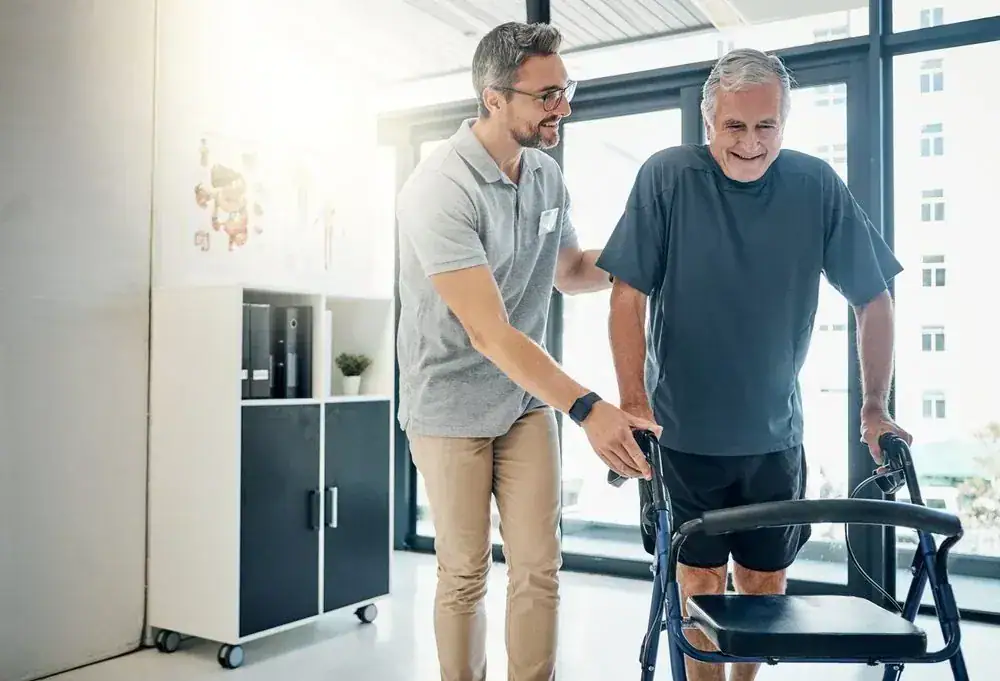
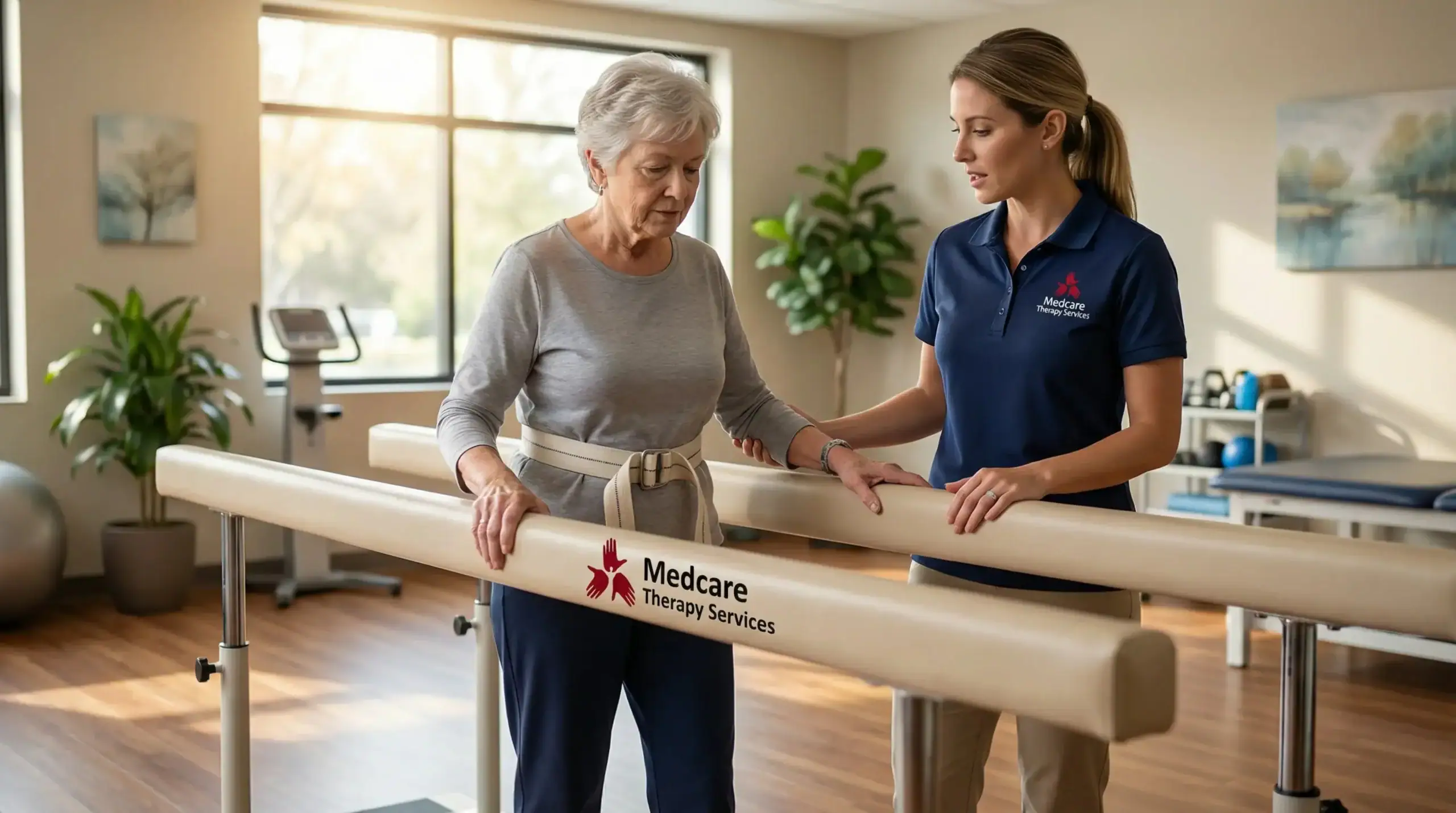
You stop second-guessing every step. Walking to the mailbox, getting up in the middle of the night, reaching for something on a shelf—these everyday movements stop feeling risky.
Research shows that balance and functional exercises reduce fall rates by 24%. Strength training targeting your legs and core can cut your fall risk by 30 to 50%. Those aren’t just statistics—they’re the difference between living with constant worry and moving through your day with confidence.
When your balance improves, so does everything else. You sleep better because you’re not anxious about nighttime trips to the bathroom. You say yes to family outings instead of making excuses. You stay in your home, on your terms, without fear dictating your choices.
We’ve been helping Long Island residents stay active and independent for over 20 years. We’re not a corporate chain with rotating staff—we’re local therapists who understand what matters to families in Lindenhurst, Babylon, Amityville, and the surrounding communities.
Our licensed doctors of physical therapy use evidence-based methods, not guesswork. Every treatment plan is built around your specific risk factors, your goals, and your daily routine. We accept most insurance plans and verify your benefits before your first visit so there are no surprises.
You’ll work one-on-one with the same therapist throughout your program. That consistency matters when you’re rebuilding strength and relearning movement patterns your body has forgotten.

Your first visit is a comprehensive fall risk assessment. We evaluate your leg strength, balance, gait, vision factors, medication side effects, and any environmental risks in your home. This isn’t a generic screening—it’s a detailed look at what’s actually putting you at risk.
From there, we build a personalized program. If your legs are weak, we focus on strength training. If your balance is off, we work on stability exercises and coordination. If you’re recovering from a fall or injury, we address both the physical damage and the fear that often follows.
You’ll practice functional movements—the real-world activities you do every day. Getting in and out of chairs. Walking on uneven surfaces. Reaching overhead. Navigating stairs. We don’t just improve your numbers on a balance test. We prepare your body for the movements that matter in your actual life.
Sessions are scheduled at your convenience across our multiple Long Island locations. Most patients see measurable improvement within weeks, with balance scores improving 16 to 42% compared to baseline. You’ll know it’s working because you’ll feel steadier, stronger, and less afraid.

Ready to get started?
Every fall prevention program includes a personalized assessment, one-on-one therapy sessions, and a home exercise plan you can actually follow. You’re not handed a generic printout—you get movements tailored to your abilities and your space.
We address the physical factors first: leg strength, core stability, flexibility, and coordination. These are the foundations that keep you upright. Then we layer in balance training, gait work, and functional exercises that mimic your daily routine.
For Long Island residents, especially those in Lindenhurst and Nassau County, we also consider environmental factors. Many homes here have stairs, narrow hallways, and older layouts that increase fall risk. We provide practical guidance on optimizing your space—lighting, rugs, bathroom safety, clutter management.
If you’re taking multiple medications, we’ll discuss how those might affect your balance. Studies show that taking four or more medications significantly increases fall probability. We can’t change your prescriptions, but we can help you understand the risks and work around them.
You’ll also get education on warning signs, proactive strategies, and what to do if you do fall. Knowledge reduces fear, and fear is often what keeps people from moving—which only makes the problem worse.

If you’ve fallen in the past year, you need an assessment. Even if you weren’t hurt, that fall is a warning sign that something—strength, balance, vision, medication—isn’t working right.
But you don’t have to wait for a fall. If you feel unsteady on your feet, if you grab onto furniture when you walk, if you avoid certain activities because you’re worried about falling, those are all reasons to get evaluated. One in four adults over 65 falls each year, and most of those falls happen at home during routine activities.
Other red flags: difficulty getting up from a chair without using your arms, trouble walking on uneven ground, dizziness when you change positions, or taking four or more medications. Any of these increase your risk significantly. The earlier you address balance and strength issues, the easier they are to fix.
We start by talking through your history—previous falls, near-misses, medical conditions, medications, and any concerns you have about your balance or mobility. Then we move into physical testing.
You’ll do a series of movements that measure your leg strength, balance, gait speed, and coordination. We might ask you to stand on one foot, walk heel-to-toe, get up from a chair without using your hands, or reach in different directions while standing. These aren’t pass-fail tests—they’re measurements that show us where you’re strong and where you’re vulnerable.
We also look at environmental and lifestyle factors. Do you wear proper footwear? Are there tripping hazards in your home? How’s your vision? Are you staying active or avoiding movement out of fear? All of this feeds into a personalized plan that addresses your specific risk factors, not a one-size-fits-all program.
Most patients attend therapy twice a week for six to eight weeks, but your timeline depends on your starting point and your goals. If you’re recovering from a fall or injury, you might need more time. If you’re proactive and relatively strong, you might progress faster.
You’ll start seeing improvements within the first few weeks—better stability, less fear, more confidence in your movements. Research shows balance scores improve 16 to 42% with consistent training. Strength takes a bit longer to build, but even small gains make a big difference in fall risk.
The goal isn’t to keep you in therapy forever. It’s to give you the tools, strength, and knowledge to maintain your balance on your own. You’ll leave with a home exercise program and strategies to keep progressing after your sessions end.
Most insurance plans, including Medicare, cover physical therapy for balance and fall prevention when it’s medically necessary. That usually means you’ve had a fall, you have a documented balance issue, or your doctor has identified you as high-risk.
We verify your benefits before your first visit so you know exactly what’s covered and what your out-of-pocket costs will be. No surprises, no hidden fees. If you have questions about your specific plan, our team can walk you through it during scheduling.
Even if you’re paying out of pocket, the cost of therapy is a fraction of what a fall-related injury costs—both financially and in terms of your independence. The average hospital stay for a fall runs into the tens of thousands, and 60% of those patients end up in nursing homes. Prevention is always cheaper than treatment.
You can do exercises at home, and we’ll give you a home program as part of your therapy. But starting with professional guidance makes a huge difference, especially if you’ve already fallen or you’re at high risk.
Here’s why: you don’t know what you don’t know. You might think your balance is the problem when it’s actually leg weakness, or vice versa. You might do exercises that feel hard but don’t actually address your specific deficits. Worse, you might do movements incorrectly and increase your injury risk.
A therapist identifies exactly what’s wrong, teaches you the right exercises, corrects your form, and progresses you safely as you get stronger. Once you have that foundation, home exercises are incredibly effective for maintenance. But skipping the assessment and jumping straight to YouTube videos is like trying to fix your car without knowing what’s broken.
We’ve been doing this for over 20 years across multiple Long Island locations, so we’ve seen thousands of patients with balance issues, fall histories, and mobility concerns. That experience matters when you’re designing a program that actually works.
You get one-on-one care with a licensed doctor of physical therapy, not a rotating cast of assistants. Your therapist stays with you throughout your program, adjusting your plan as you improve and catching small issues before they become big problems.
We also focus on real-world function, not just clinic-based tests. You’ll practice movements that mirror your daily life—navigating your home, getting in and out of your car, walking on the sidewalks and surfaces you actually encounter in Lindenhurst. We combine strength training, balance work, gait training, and home safety guidance into one comprehensive approach. You’re not just getting stronger in a gym—you’re getting safer in your actual life.
Other Services we provide in Lindenhurst