
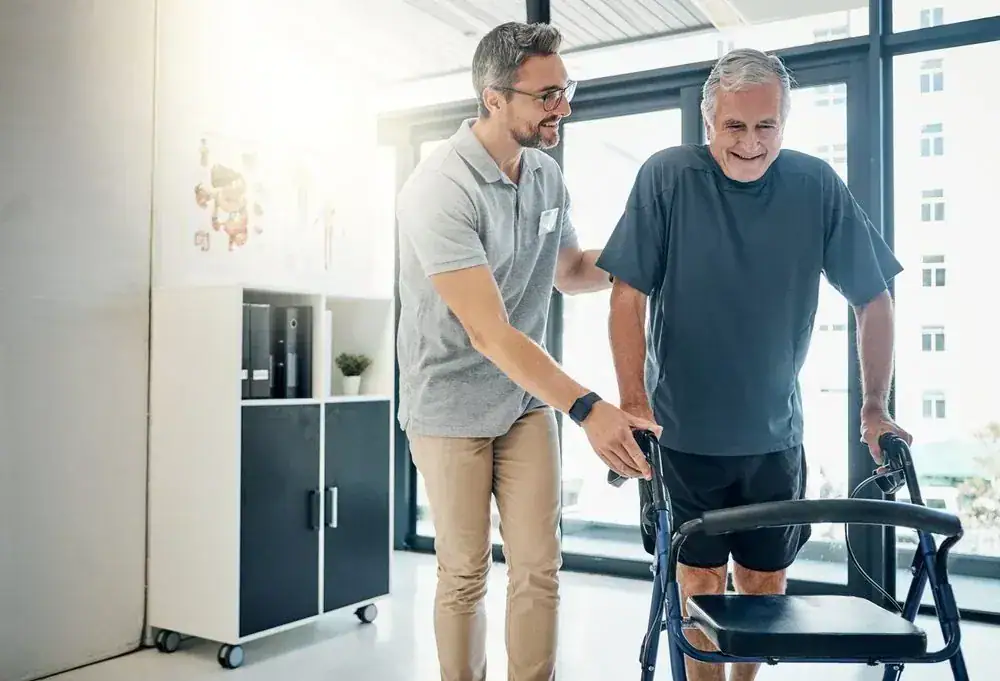
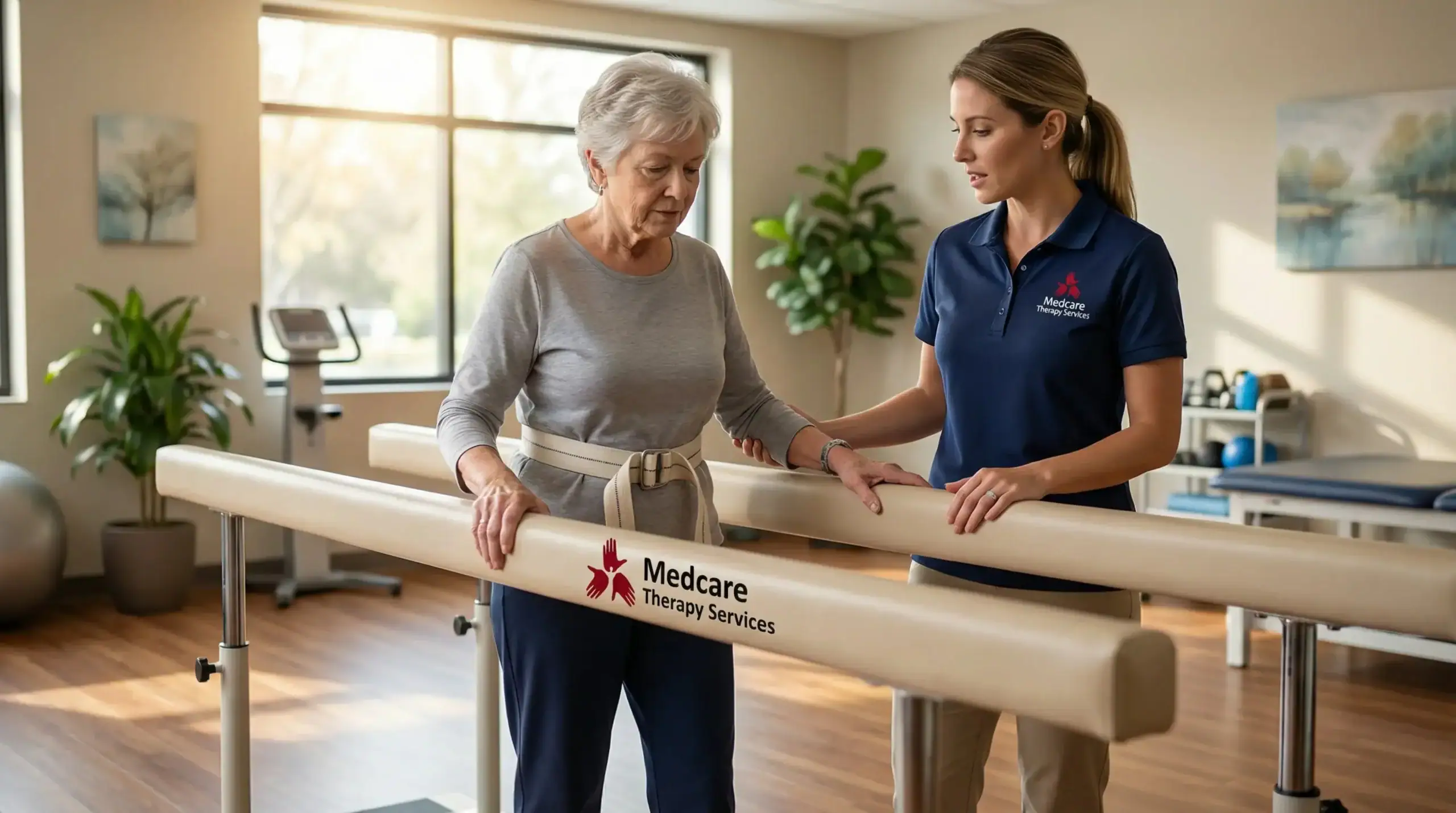
One in four adults over 65 falls each year. That’s not a scare tactic—it’s what happens when balance, strength, and coordination decline without intervention.
Physical therapy for balance changes that. You get stronger legs, better stability, and the ability to catch yourself if you stumble. The research is clear: targeted exercise programs reduce fall risk by 23% and cut fractures by 27%.
This isn’t about wrapping yourself in bubble wrap. It’s about rebuilding the physical foundation that lets you walk to the mailbox, navigate your kitchen, and get out of a chair without second-guessing your body. You stay in your home. You keep your independence. You stop waiting for the next fall to happen.
We’ve been serving Lakeview, NY and surrounding Long Island communities with personalized physical therapy that focuses on what actually works. No cookie-cutter programs. No generic advice.
Every fall prevention plan starts with a full assessment of your balance, strength, medication risks, and home environment. From there, you get a program designed around your specific needs—whether that’s recovering from a recent fall or preventing the first one.
Long Island has over 16,600 hospitalizations each year from falls among older adults. That’s why we focus on prevention before it becomes a crisis. You work with therapists who understand the local community, coordinate with your doctors, and give you exercises you can actually do at home.
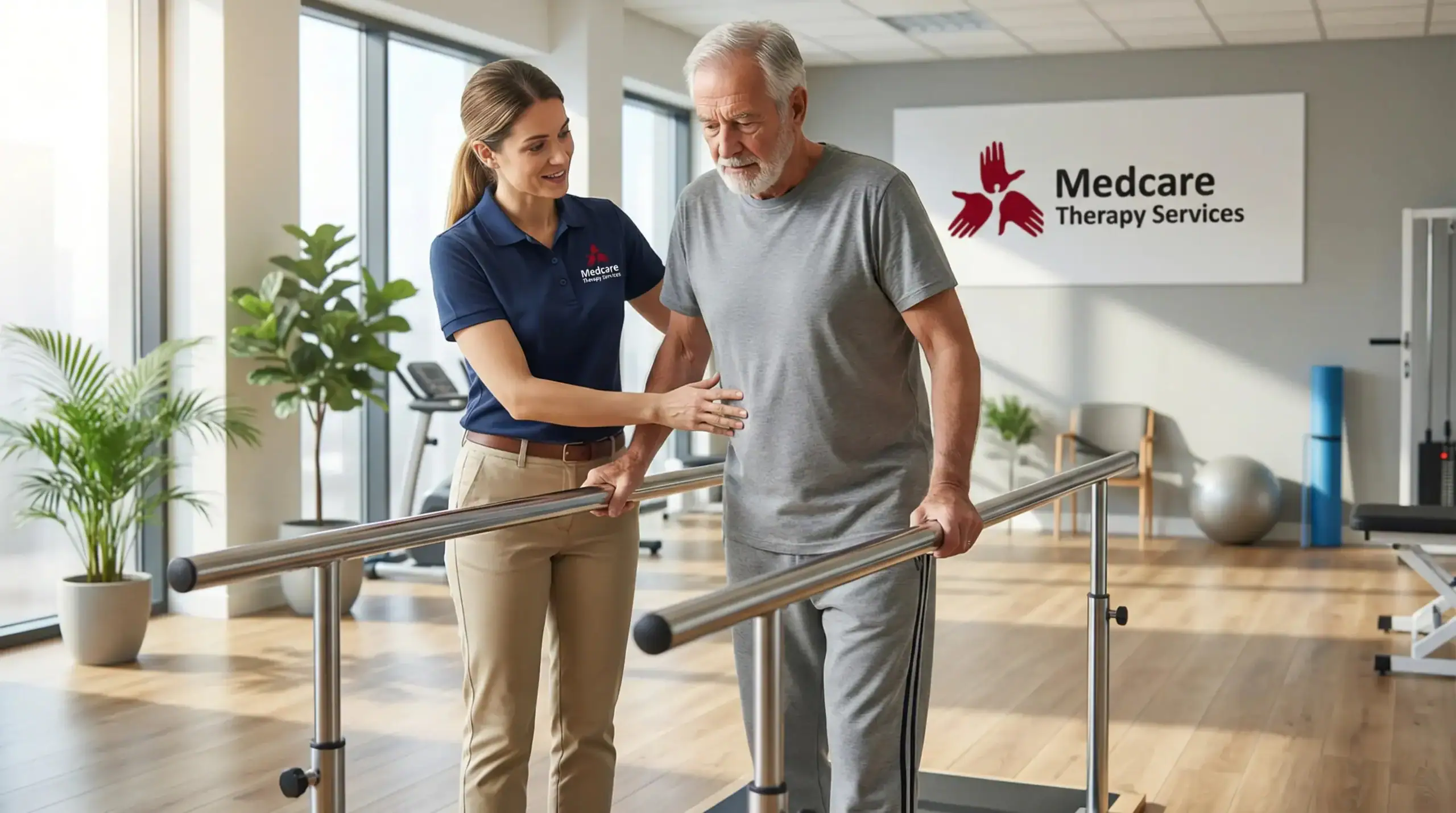
Your first visit is a fall risk assessment. We look at your balance, leg strength, walking pattern, and any medical factors like medications or chronic conditions that increase your risk. This isn’t a questionnaire—it’s a physical evaluation that identifies exactly where your vulnerabilities are.
From there, you start a personalized program that combines balance exercises for seniors with strength training. You’ll do standing exercises that challenge your stability, leg work that builds the muscles you need to recover from a stumble, and coordination drills that improve reaction time. Some of this happens in our clinic. Some of it you’ll do at home with clear instructions.
We also walk through your living space—either in person or through discussion—to identify trip hazards like loose rugs, poor lighting, or bathroom risks. Small changes make a big difference. You’ll get a home safety checklist that’s specific to your situation, not a generic printout.
Progress gets tracked. If something isn’t working, we adjust. The goal is measurable improvement in balance, strength, and confidence within weeks, not months.

Ready to get started?
You get a full fall risk screening that measures balance, gait, and strength using proven assessment tools. This tells us where you’re at and what needs the most attention.
Your exercise program includes balancing exercises that progress as you improve—starting with supported movements and advancing to more challenging positions. Strength training focuses on your legs, core, and the muscle groups that keep you upright. You’ll also work on dual-task activities, where you balance while doing something mentally engaging, because real life doesn’t happen in a vacuum.
Home safety recommendations are part of the package. Falls don’t just happen because of weak muscles—they happen because of environmental risks. We help you identify and fix those before they become problems.
In Lakeview and across Long Island, many older adults are managing multiple medications or conditions like arthritis, Parkinson’s, or previous strokes. Your program accounts for that. We coordinate with your doctor when needed and adjust your plan based on how your body responds. This isn’t one-size-fits-all. It’s built around your medical history, your home, and your goals.
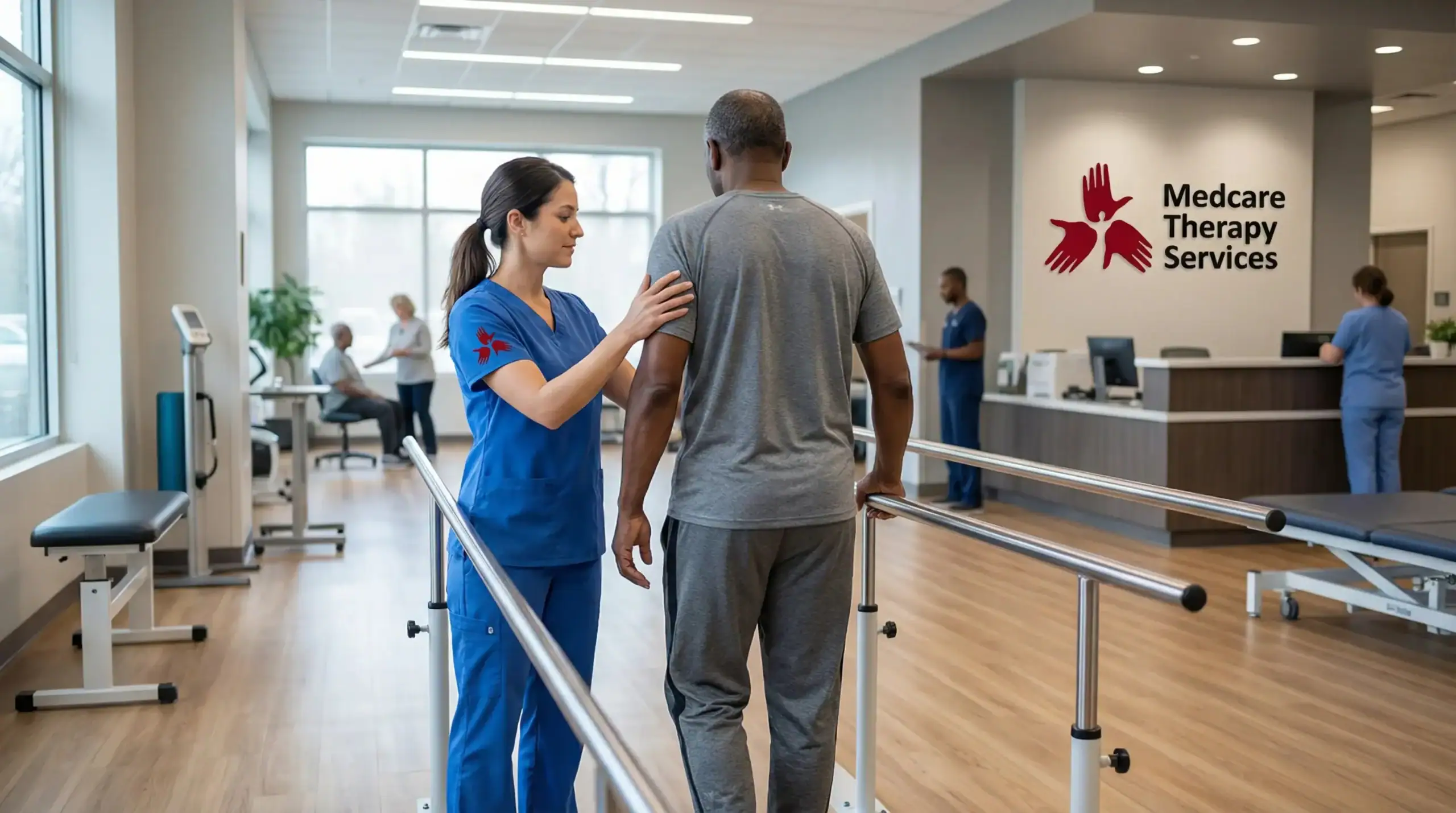
Most people notice better stability within four to six weeks if they’re consistent with their exercises. That doesn’t mean you’re done at six weeks—it means you’re starting to feel steadier on your feet, more confident turning around, and less worried about uneven surfaces.
The timeline depends on where you’re starting from. If you’ve already fallen or have significant muscle weakness, it may take a bit longer to rebuild that foundation. If you’re catching things early, progress comes faster.
What matters more than speed is consistency. Doing your exercises three to four times a week, both in the clinic and at home, is what drives results. Skipping sessions or only showing up when it’s convenient won’t get you there. Balance and strength are built through repetition, and your body needs that regular stimulus to adapt and improve.
Medicare Part B covers physical therapy when it’s medically necessary, which includes fall prevention if you’ve had a fall, have a high fall risk, or have a condition that affects your balance. Your doctor will need to refer you, and we’ll handle the documentation to show why the therapy is necessary.
There are coverage limits and copays, depending on your specific plan and whether you’ve hit your deductible. We verify your benefits before you start so there are no surprises. If you have a Medicare Advantage plan, coverage can vary, so we check that upfront too.
If you haven’t fallen yet but want to be proactive, coverage can be trickier. In those cases, we’ll work with your doctor to document your risk factors—things like muscle weakness, previous injuries, or chronic conditions—to support the medical necessity. The key is showing that therapy will prevent a bigger problem down the road.
No. Falling once actually increases your risk of falling again, which makes starting a fall prevention program even more important. Your body may have lost confidence, your muscles may have weakened from reduced activity, and you might be moving more cautiously in ways that actually hurt your balance.
Physical therapy after a fall focuses on rebuilding strength, retraining your balance, and addressing whatever caused the fall in the first place. If it was a trip hazard at home, we fix that. If it was weak legs or poor reaction time, we work on those. If it was dizziness or a medication side effect, we coordinate with your doctor.
The goal isn’t just to get you back to where you were before the fall. It’s to make you stronger and more stable than you were, so the next stumble doesn’t turn into another trip to the emergency room. Research shows that exercise-based programs reduce fall risk even in people who’ve already fallen—you’re not starting from scratch, you’re rebuilding with a clear plan.
Not much. Most of the senior balance exercises we give you can be done with a sturdy chair, a countertop, or a wall for support. You don’t need a gym setup or expensive gear.
Some people benefit from a resistance band for leg strengthening, and we might recommend a small step or foam pad for more advanced balance work, but those are optional and inexpensive. The exercises are designed to fit into your home without requiring you to clear out a room or buy equipment you’ll never use again.
What matters more than equipment is having a safe space to practice. That means good lighting, a clear floor, and something stable nearby in case you lose your balance. We’ll walk you through how to set that up during your first few sessions. The exercises themselves are simple—standing on one leg, heel-to-toe walking, sit-to-stand repetitions—but they’re effective because they target the exact movements that prevent falls in daily life.
Yes. Chronic conditions like Parkinson’s, arthritis, stroke history, or neuropathy all increase fall risk, but they don’t disqualify you from therapy—they make it more necessary. The program just gets tailored to work with your condition, not against it.
If you have Parkinson’s, we focus on exercises that address freezing of gait, postural instability, and the specific balance challenges that come with the disease. If you have arthritis, we work around joint pain and stiffness, using movements that build strength without aggravating your symptoms.
The key is customization. A generic balance program won’t account for how your body moves or what limitations you’re dealing with. We adjust the intensity, the type of exercises, and the progression based on how you respond. And because many people with chronic conditions are on multiple medications—which can also affect balance—we stay in contact with your healthcare team to make sure everything is coordinated. You’re not working around your condition alone. You’re working with a plan that’s built for it.
Most fall prevention programs start with two to three visits per week for the first few weeks. That gives us enough time to teach you the exercises, monitor your form, and make adjustments as you improve. As you get stronger and more confident, the frequency usually drops to once a week or every other week.
The total length of the program depends on your goals and your progress. Some people see significant improvement in six to eight weeks. Others benefit from a longer program, especially if they’re managing multiple risk factors or recovering from a fall.
Between clinic visits, you’ll have exercises to do at home. That’s not optional—it’s where most of the progress happens. We give you a clear routine, usually 20 to 30 minutes a day, that reinforces what we’re working on in the clinic. The combination of supervised sessions and home practice is what drives results. Showing up once a week without doing anything in between won’t cut it.
Other Services we provide in Lakeview