
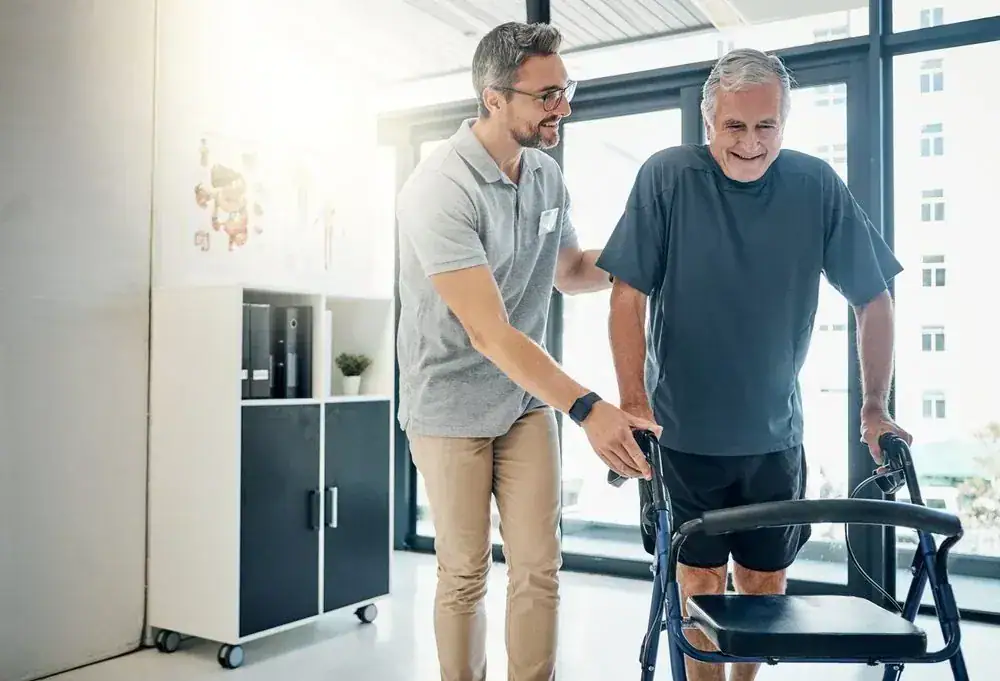
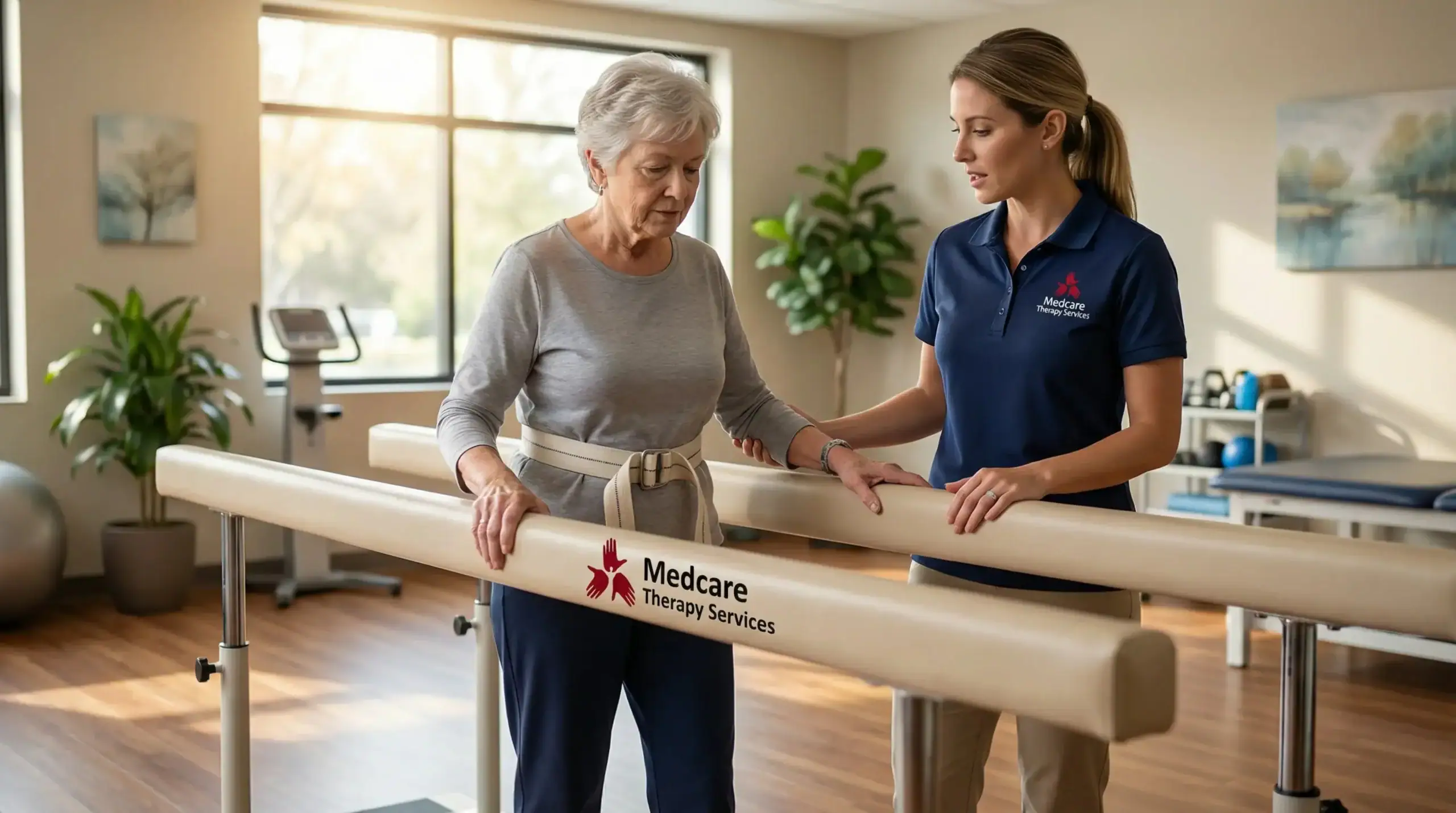
You’re not imagining it. That hesitation before you stand up, the extra second you need to steady yourself, the way you avoid certain rooms or skip activities you used to enjoy—these aren’t just signs of getting older. They’re warning signs that your balance and strength need attention before a fall happens.
Here’s what changes when you work with one of our physical therapists who specialize in fall prevention. You build real strength in the muscles that keep you upright. You practice balance exercises designed for your home, your routine, and your specific risk factors. You learn how to move safely through the spaces where falls actually happen—your kitchen, bathroom, stairs, and hallways.
The result isn’t just fewer falls. It’s getting back to cooking without holding the counter the whole time. It’s walking to get the mail without that nagging worry. It’s staying in the home you love without fear dictating what you can and can’t do. Research shows that regular balance and strength training can cut your fall risk in half. That’s not a small improvement—that’s the difference between independence and everything that comes after a serious fall.
We’ve been delivering in-home physical and occupational therapy across Nassau County for over a decade. We’re Medicare-certified, locally operated, and focused entirely on helping Long Island seniors stay safe at home.
Our therapists come to you. That means no transportation stress, no exposure risk, and no generic gym exercises that don’t translate to your actual living space. We assess your home, identify your specific fall risks, and build a treatment plan around the movements and environments that matter most to your daily life.
Kings Point and the surrounding North Shore communities have some of the highest fall rates in New York State. Nassau County ranks fourth statewide for fall prevalence, and 88% of injury hospitalizations for adults over 65 here are fall-related. We know this market. We know the homes, the demographics, and the urgency. That’s why we’ve built our entire service model around preventing the falls that send our neighbors to the hospital.
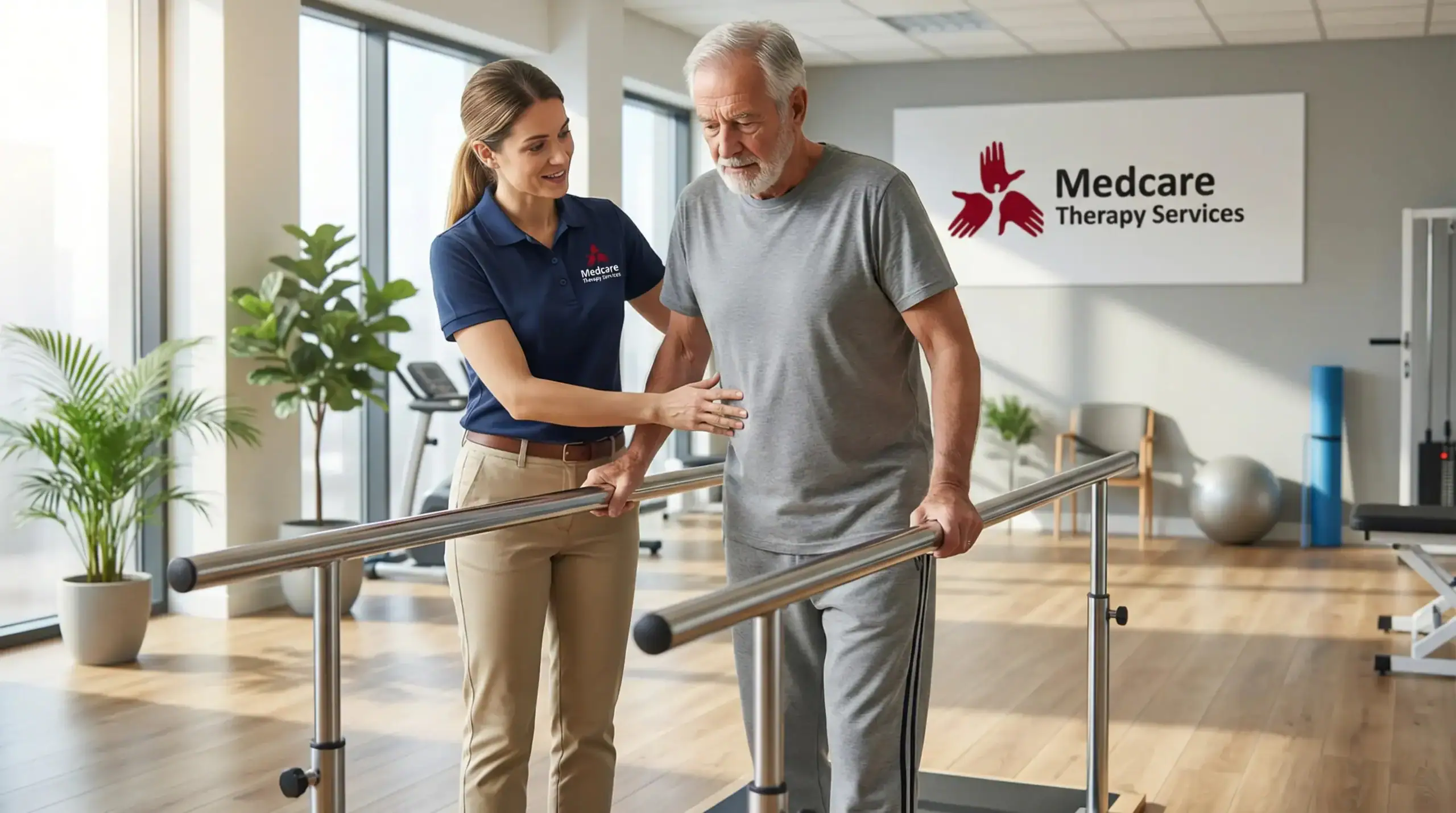
It starts with a fall risk assessment in your home. One of our licensed physical therapists evaluates your strength, balance, gait, and the layout of your living space. We’re looking at how you move, where you’re compensating, and what environmental factors increase your risk—loose rugs, poor lighting, lack of grab bars, uneven surfaces.
From there, we build a personalized program. That typically includes strength training to rebuild the muscles that stabilize your hips, knees, and ankles. Balance exercises that challenge your stability in safe, progressive ways. Gait training to improve how you walk and transition between sitting and standing. And home safety recommendations that reduce hazards without turning your house into a hospital.
Sessions happen in your home, usually two to three times per week depending on your needs and your Medicare coverage. You’re not driving anywhere or sitting in a waiting room. Your therapist works with you in the exact spaces where you need to feel confident—your kitchen, your bedroom, your stairs. Over time, the exercises get harder as you get stronger. The goal isn’t just to prevent falls. It’s to give you back the freedom to move through your own home without fear.

Ready to get started?
Every fall prevention program we deliver includes a comprehensive fall risk assessment using evidence-based tools like the CDC’s STEADI toolkit. You’ll receive one-on-one sessions with one of our licensed physical therapists or occupational therapists who specialize in balance and mobility for older adults. Your treatment plan is built around your specific risk factors—not a generic protocol.
The exercises we use are proven. Strength training focuses on your lower body and core. Balance exercises range from static holds to dynamic movements that mimic real-life challenges like reaching for something on a shelf or turning quickly. Gait training improves your walking pattern, stride length, and confidence during transitions. If needed, we also incorporate vestibular therapy for inner ear issues that affect balance.
You’ll also get education. We talk about footwear, lighting, medication side effects, and vision changes. We assess whether you need adaptive equipment like a walker or cane, and if so, we teach you how to use it correctly. For Kings Point residents, we also consider the unique layout of North Shore homes—many have stairs, split levels, and older construction that requires specific safety modifications.
All of this is covered by Medicare when medically necessary. We accept most commercial insurance as well. You’re not paying out of pocket for something that could save your life. You’re using the benefits you’ve earned to stay independent in the home and community you’ve built your life around.
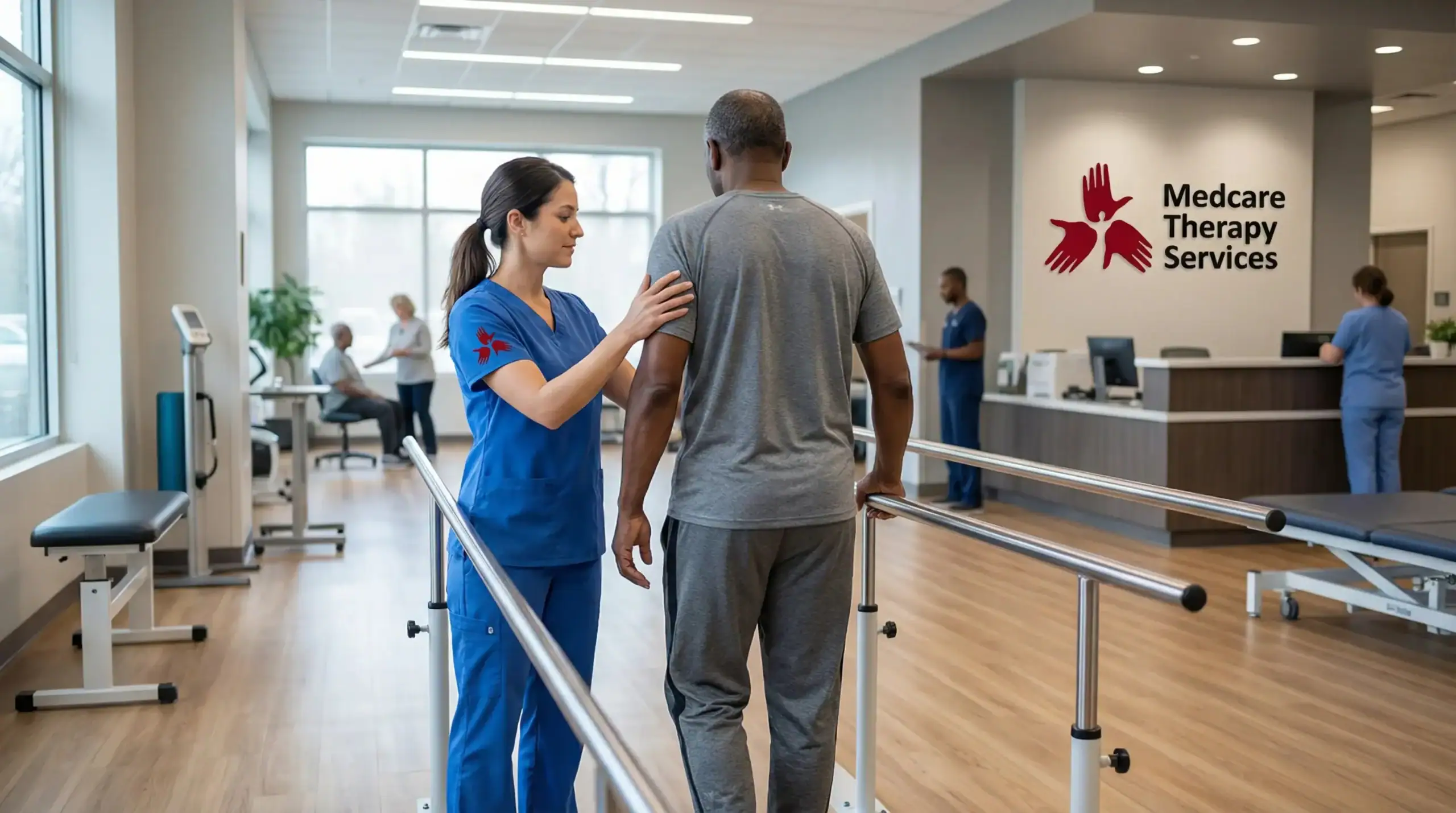
If you’ve fallen in the past year, you need fall prevention therapy. That’s the clearest indicator. But you don’t have to wait for a fall to get help.
Other signs include feeling unsteady when you stand up or walk, grabbing onto furniture or walls for support, avoiding certain activities because you’re worried about falling, or noticing that your balance isn’t what it used to be. If you’ve had a near-miss—a stumble or catch yourself moment—that counts too. Family members often notice these things before you do, so if someone close to you has expressed concern, take it seriously.
Your doctor may also recommend fall prevention therapy after a hospitalization, a change in medication, or a new diagnosis that affects your mobility. Conditions like arthritis, neuropathy, Parkinson’s, stroke, or even just general deconditioning from being less active can all increase fall risk. The good news is that physical therapy can address almost all of these factors. You don’t have to accept falling as inevitable. It’s not. With the right intervention, most falls are preventable.
The exercises depend on your current ability and your specific risk factors, but most programs include a mix of static and dynamic balance work. Static exercises might include standing on one leg, heel-to-toe stands, or holding a position while reaching in different directions. These build foundational stability.
Dynamic exercises are more functional. Think of practicing standing up from a chair without using your hands, walking while turning your head, stepping over objects, or moving from one surface to another. These mimic real-life movements that challenge your balance in practical ways. We also incorporate strength training—squats, leg lifts, resistance band work—because stronger muscles mean better balance.
If you have more advanced needs, we might add dual-task training, where you perform a cognitive task while balancing, since that’s often when falls happen. For example, walking while counting backward or balancing while having a conversation. The goal is to prepare you for the unpredictable moments in daily life, not just controlled exercises. Everything is progressed at your pace. You’re never pushed beyond what’s safe, but you are challenged enough to see real improvement.
Yes, Medicare Part B covers outpatient physical therapy and occupational therapy when it’s medically necessary, and fall prevention absolutely qualifies. If you’ve had a fall, if you’re at high risk for falling, or if your doctor has identified balance or mobility issues, you’re likely eligible.
There’s no requirement that you be homebound, but the therapy does need to be skilled and necessary. That means a licensed therapist has to be involved, and the treatment has to be something you can’t safely do on your own. Most fall prevention programs meet that standard easily. Medicare typically covers up to a certain dollar amount per year, but many patients don’t come close to hitting that cap.
We handle the billing and verification directly with Medicare. You’ll be responsible for your standard copay or coinsurance, which is usually 20% after you’ve met your deductible. If you have a Medicare Supplement plan, that often covers the remaining balance. We also accept most commercial insurance plans. Before we start, we verify your coverage so there are no surprises. The point is to make this accessible, not to add financial stress on top of everything else you’re managing.
Most patients see significant improvement in six to eight weeks, but the total length depends on where you’re starting and how quickly you progress. Some people only need a few weeks of focused therapy to regain confidence and strength. Others benefit from a longer program, especially if they’re recovering from a fall or managing a chronic condition that affects balance.
Sessions typically happen two to three times per week. Each visit lasts about 45 minutes to an hour. Between sessions, you’ll have exercises to do on your own—nothing complicated, but consistency matters. The more you practice, the faster you improve.
We reassess your progress regularly. Once you’ve hit your goals—better balance, improved strength, reduced fall risk, increased confidence—we’ll transition you to a maintenance program or discharge you with a home exercise plan you can continue independently. Some patients choose to continue with periodic check-ins to stay on track. The key is that you’re not locked into anything. The program lasts as long as it takes to get you where you need to be, and not a session longer.
In-home therapy treats you in the environment where falls actually happen. That’s the biggest advantage. A clinic can teach you exercises, but it can’t assess the lighting in your hallway, the height of your toilet, or the way your rug bunches up near the door. We can. And we address those things as part of your treatment.
There’s also the practical side. No transportation means no stress about driving, no risk of falling in a parking lot, and no exposure to illness in a waiting room. For many Kings Point residents, especially those who live alone or have limited mobility, getting to and from appointments is harder than the therapy itself. We eliminate that barrier entirely.
Finally, there’s the personalization. When we’re in your home, we’re seeing how you actually move through your day. We’re not guessing what your kitchen looks like or how many stairs you have. We’re building a program around your real life, not a generic template. That makes the therapy more relevant, more effective, and more likely to stick. You’re learning skills you’ll use every single day, in the exact spaces where you need them most.
Absolutely. In fact, if you’ve fallen more than once, you’re exactly who this therapy is designed for. Multiple falls mean there’s an underlying issue—weakness, balance problems, environmental hazards, or a combination of factors—that needs professional intervention. The sooner you address it, the better.
We start by figuring out why the falls are happening. Is it muscle weakness in your legs? Poor balance? Dizziness? Vision issues? Medication side effects? Unsafe conditions in your home? Often it’s more than one thing. Once we identify the causes, we build a treatment plan that targets each one. That might include strengthening exercises, balance training, gait work, home modifications, and coordination with your doctor if medications or other health issues are contributing.
The research is clear: even people who’ve fallen multiple times can significantly reduce their fall risk with the right therapy. You’re not too far gone, and it’s not too late. What matters is that you take action now, before the next fall leads to a fracture, a hospital stay, or a loss of independence you can’t get back. We’ve worked with plenty of patients who thought they were past the point of improvement. They weren’t. And chances are, neither are you.
Other Services we provide in Kings Point