
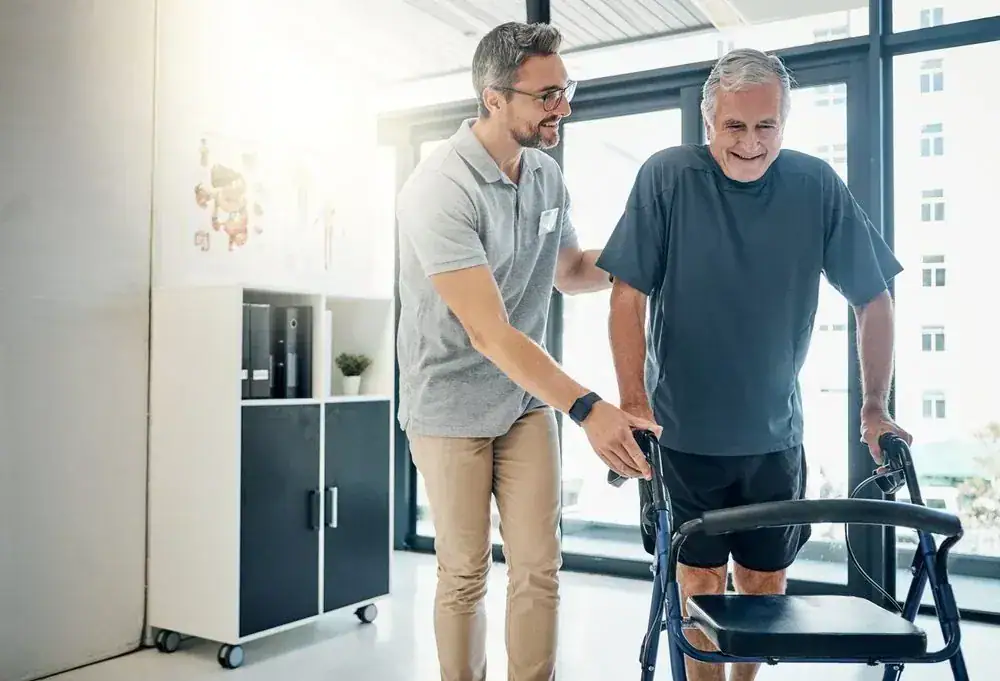
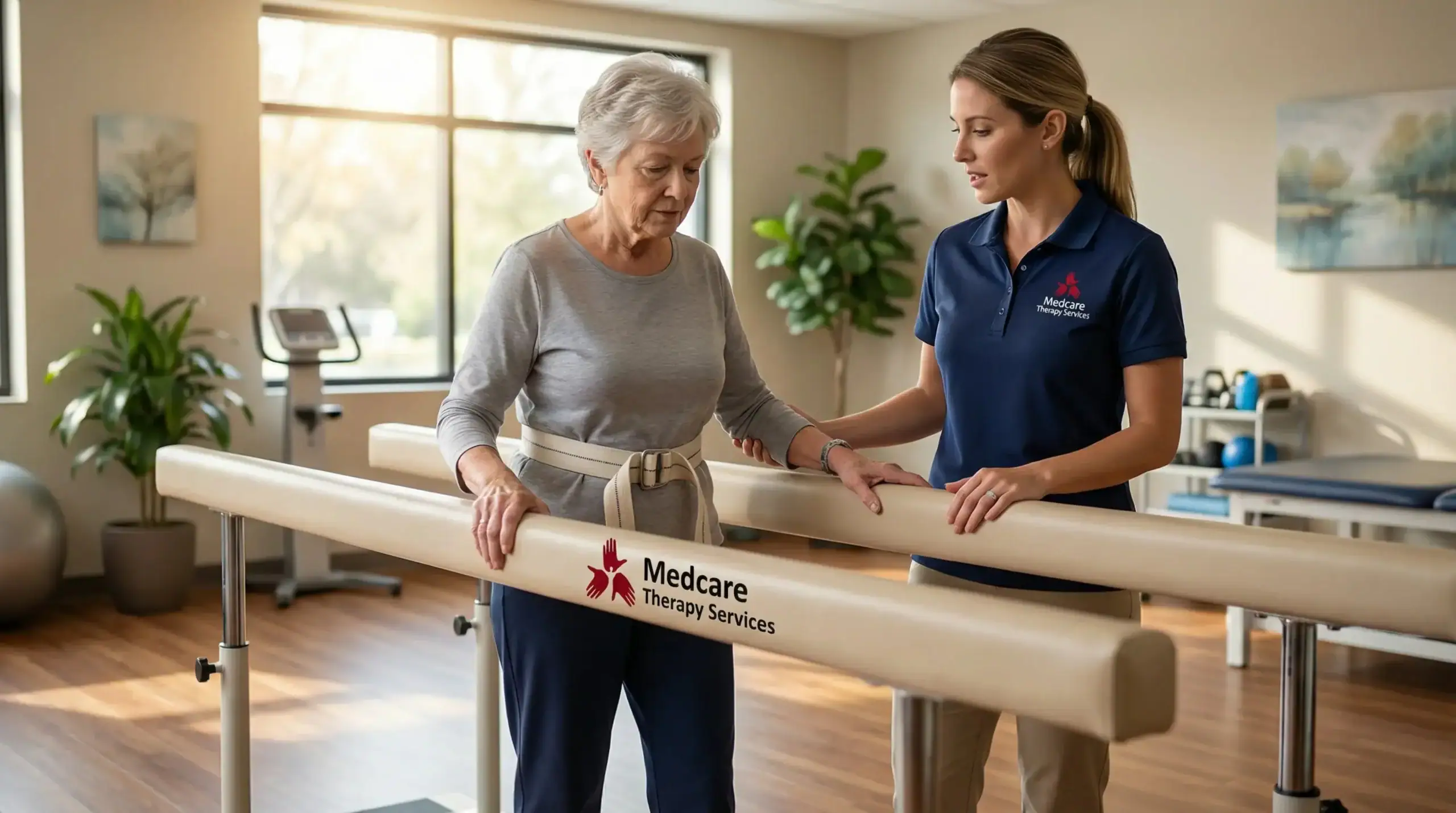
You stop second-guessing every step. Getting up from a chair doesn’t feel risky anymore. Walking to the mailbox or reaching for something on a shelf becomes automatic again, not something you have to plan around.
That’s what happens when balance training actually works. Your muscles get stronger, your core activates the way it should, and your brain reconnects with your body. You’re not just avoiding falls—you’re moving like yourself again.
Regular exercise focused on strength and balance can cut your fall risk by up to 50%. That’s not a small number. It’s the difference between staying in your home and losing your independence. And it doesn’t matter if you’re 65 or 95—your balance can improve at any age if the program is built for you.
We’ve been treating patients across Long Island for years, and we’ve worked with hundreds of older adults in Kensington, NY who are dealing with the same thing you are. Unsteady footing. Fear of falling. Loss of confidence in your own body.
We don’t treat you like a number. Every plan we build starts with a full balance assessment, and every session is adjusted based on how you’re progressing. Our therapists are licensed, experienced in geriatric care, and focused on one thing: helping you stay independent.
We accept most insurance plans, and we have locations across Nassau and Suffolk counties. That means you’re not driving an hour for an appointment. You’re getting care close to home, from people who understand what life looks like here.

First, we assess where you are. That means testing your balance, your strength, your gait, and your risk factors. We’re looking at how you move, what makes you unsteady, and what’s contributing to your fall risk—whether that’s muscle weakness, medication side effects, or something else.
Then we build your plan. It’s not generic. It’s based on your body, your goals, and your home environment. You’ll do targeted exercises that strengthen your legs and core, retrain your vestibular system, and improve your coordination. Some of this happens in our clinic. Some of it you’ll do at home.
As you progress, we adjust. If something’s too easy, we make it harder. If you’re struggling, we modify it. The goal is steady improvement, not frustration. And we’re checking in the whole way through—tracking your walking speed, your confidence, and your ability to do the things that matter to you.

Ready to get started?
You get a full fall risk assessment up front. That includes balance testing, strength evaluation, and a review of your medical history and medications. We’re not guessing—we’re measuring.
From there, you’ll work through a personalized program that includes balance exercises, strength training, gait training, and coordination drills. These aren’t random movements. They’re evidence-based exercises proven to reduce falls and improve physical function. You’ll also get education on how to make your home safer and what to watch for as you age.
In Kensington, NY and across Long Island, falls are one of the leading causes of injury-related hospitalizations for older adults. A lot of those falls happen at home—on stairs, in bathrooms, or just walking from room to room. That’s why we don’t just work on your body. We talk about your environment, your daily routine, and the small changes that make a big difference.
You’ll have access to physical therapy, occupational therapy, and specialized balance therapy all under one roof. And because we accept most insurance plans, this isn’t out of reach. It’s covered care that actually helps.

If you’ve fallen in the past year, you’re at higher risk. If you’re afraid of falling, that’s also a red flag—because fear makes you move less, which weakens your muscles and increases your risk even more.
Other signs include feeling unsteady when you stand up, needing to hold onto furniture when you walk, or noticing that your balance isn’t what it used to be. Certain medications can make you dizzy or sleepy, which also raises your risk. And if you’ve had changes in your vision, your strength, or your mobility, those all matter.
About one in three adults over 65 falls at least once a year. That number goes up as you get older. But the good news is that most falls are preventable. A professional fall risk assessment can tell you exactly where you stand and what needs to be addressed. It’s not something you have to guess at.
You’ll do exercises that challenge your stability in a controlled way. That might include standing on one leg, walking heel to toe, shifting your weight from side to side, or doing movements that require you to turn your head while staying balanced.
You’ll also work on strengthening your legs, hips, and core—because weak muscles are one of the biggest contributors to falls. Exercises like sit-to-stand, step-ups, and resistance training are common. The goal is to build the strength and coordination your body needs to catch itself when you start to lose balance.
Everything is tailored to your current ability. If you’re using a walker, we work with that. If you’re already pretty active, we make it harder. The exercises are designed to be challenging but safe, and they’re always supervised by a licensed therapist. You’re not doing this alone, and you’re not doing anything that puts you at risk.
Most people start noticing changes within a few weeks. You might feel steadier when you stand up, or more confident when you walk. Strength takes a little longer—usually four to six weeks of consistent work before you see measurable gains.
Balance training programs that focus on strength and coordination have been shown to improve walking speed, reduce fear of falling, and increase overall physical function. But the timeline depends on where you’re starting from and how often you’re doing the work.
If you’re coming in two or three times a week and doing your home exercises, you’ll see faster results. If you’re inconsistent, it’ll take longer. That’s just how the body works. The key is sticking with it long enough for your muscles and your brain to adapt. And once you build that foundation, it’s easier to maintain.
Most insurance plans cover physical therapy for balance and fall prevention, especially if you’ve had a fall or your doctor has identified you as high-risk. Medicare typically covers it as long as it’s medically necessary and prescribed by your physician.
We accept most major insurance plans, and our team can verify your coverage before you start. That way, you know what to expect. In many cases, you’ll have a copay or coinsurance, but the bulk of the cost is covered.
If you’re not sure whether you’re covered, call us. We’ll walk you through it. The last thing you need is to avoid getting help because you’re worried about cost. Fall prevention therapy is considered skilled care, and it’s one of the most effective ways to reduce your risk of serious injury. Insurance companies know that—and they’d rather pay for therapy now than a hospital stay later.
You can do some exercises at home, and we’ll teach you which ones are safe and effective. But it’s smart to get evaluated first. A physical therapist can assess your specific risk factors, show you the right form, and make sure you’re not doing anything that could actually increase your fall risk.
Once you’ve been through an initial program and you know what you’re doing, home exercises become a key part of maintaining your progress. Simple movements like standing on one foot while holding a counter, practicing sit-to-stand repetitions, or walking heel-to-toe down a hallway can all help.
But here’s the thing: balance training works best when it’s progressive. That means it needs to get harder as you get stronger. A therapist can guide that progression in a way that’s safe and effective. If you’re just doing the same exercises at home without any adjustment, you’ll plateau. And if you’re doing exercises that are too advanced for your current level, you could hurt yourself.
We’ve been treating older adults across Long Island for years, and we’ve built our fall prevention programs around what actually works—not what sounds good on paper. Every plan is personalized. Every therapist is trained in geriatric care. And every session is focused on helping you stay independent.
We also make it easy. We have multiple locations across Nassau and Suffolk counties, so you’re not driving across Long Island for an appointment. We accept most insurance plans. And we communicate clearly—no runaround, no confusion about what’s covered or what happens next.
You’re not just another appointment on the schedule. We treat you like family, and we take the time to understand what’s going on in your life. If your goal is to keep living in your own home, we build a plan around that. If you’re worried about becoming a burden on your kids, we address that. This isn’t cookie-cutter care. It’s therapy that fits your life.
Other Services we provide in Kensington