
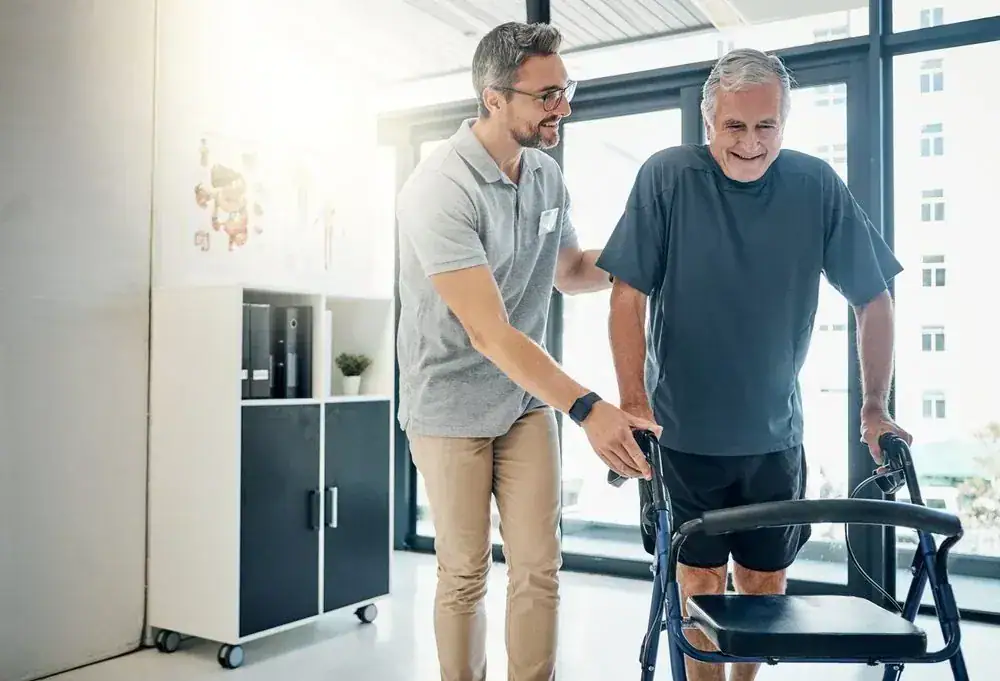
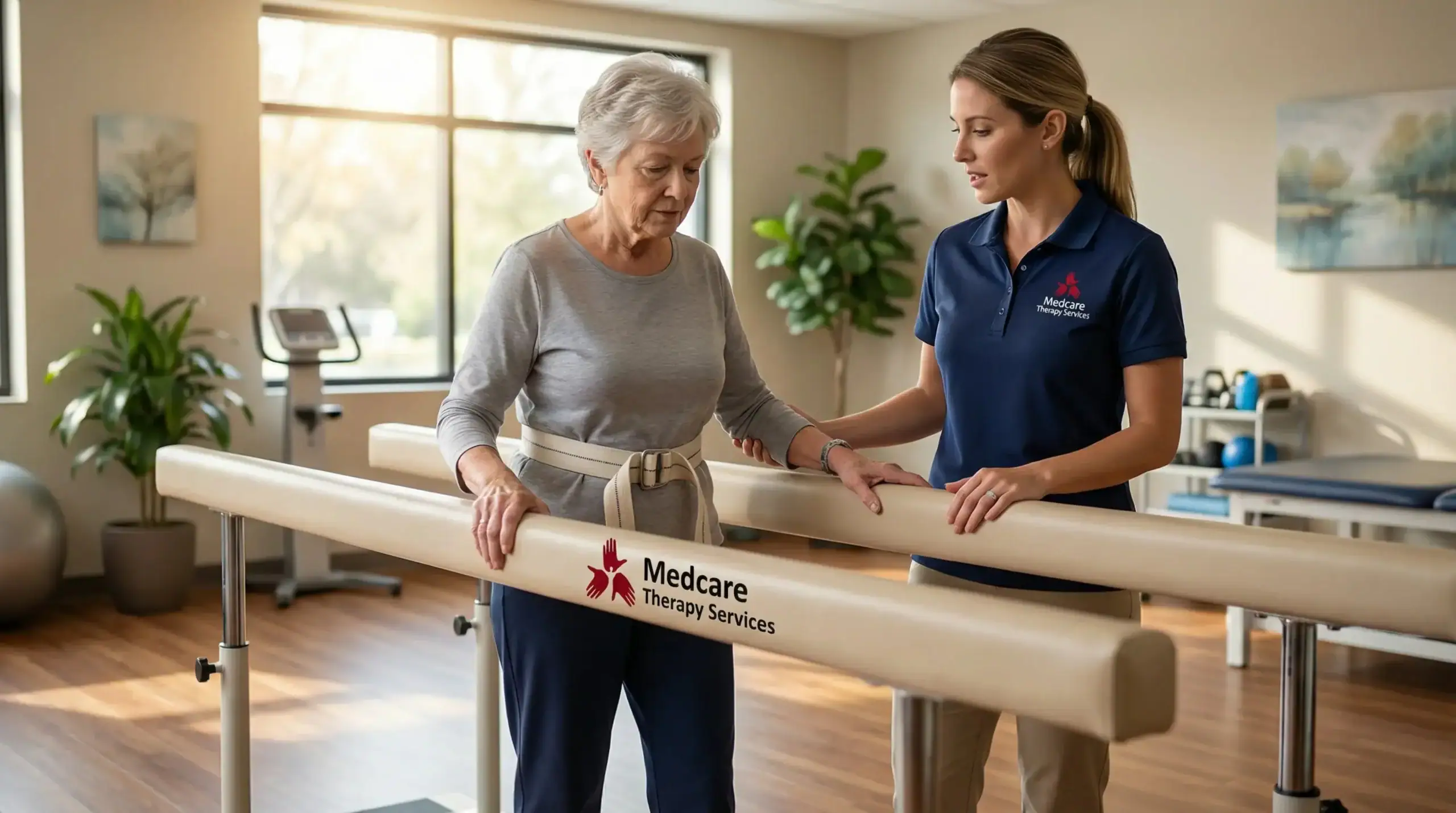
You stop planning your day around what might go wrong. The bathroom at night doesn’t feel like a risk. Getting the mail becomes routine again, not something you need to psych yourself up for.
Better balance means you’re not grabbing countertops and chair backs every time you move. You’re not avoiding stairs or skipping activities because you’re worried about keeping up. You’re living like you want to live, not like you have to.
The difference shows up in how you feel when you wake up. There’s less hesitation. Less fear. More of the independence you’ve worked your whole life to keep. That’s what happens when your body remembers how to catch itself, how to adjust, how to stay upright without you having to think about it every second.
We’ve been helping people across Long Island stay independent for years. We’re not a corporate chain with rotating staff. We’re licensed physical therapists who specialize in geriatric care and fall prevention, and we actually know the communities we serve.
From Jamesport to Smithtown to Speonk, we’ve worked with hundreds of older adults who were tired of feeling unsteady. We know what works because we’ve seen it work. Our programs are built on evidence, not guesswork, and every plan is customized to your specific risk factors, your goals, and your current abilities.
You’re not getting a one-size-fits-all handout. You’re getting a therapist who listens, assesses, and builds a program that fits your life. Most of our services are covered by Medicare and major insurance plans, so cost doesn’t have to be the barrier that keeps you from getting stronger.
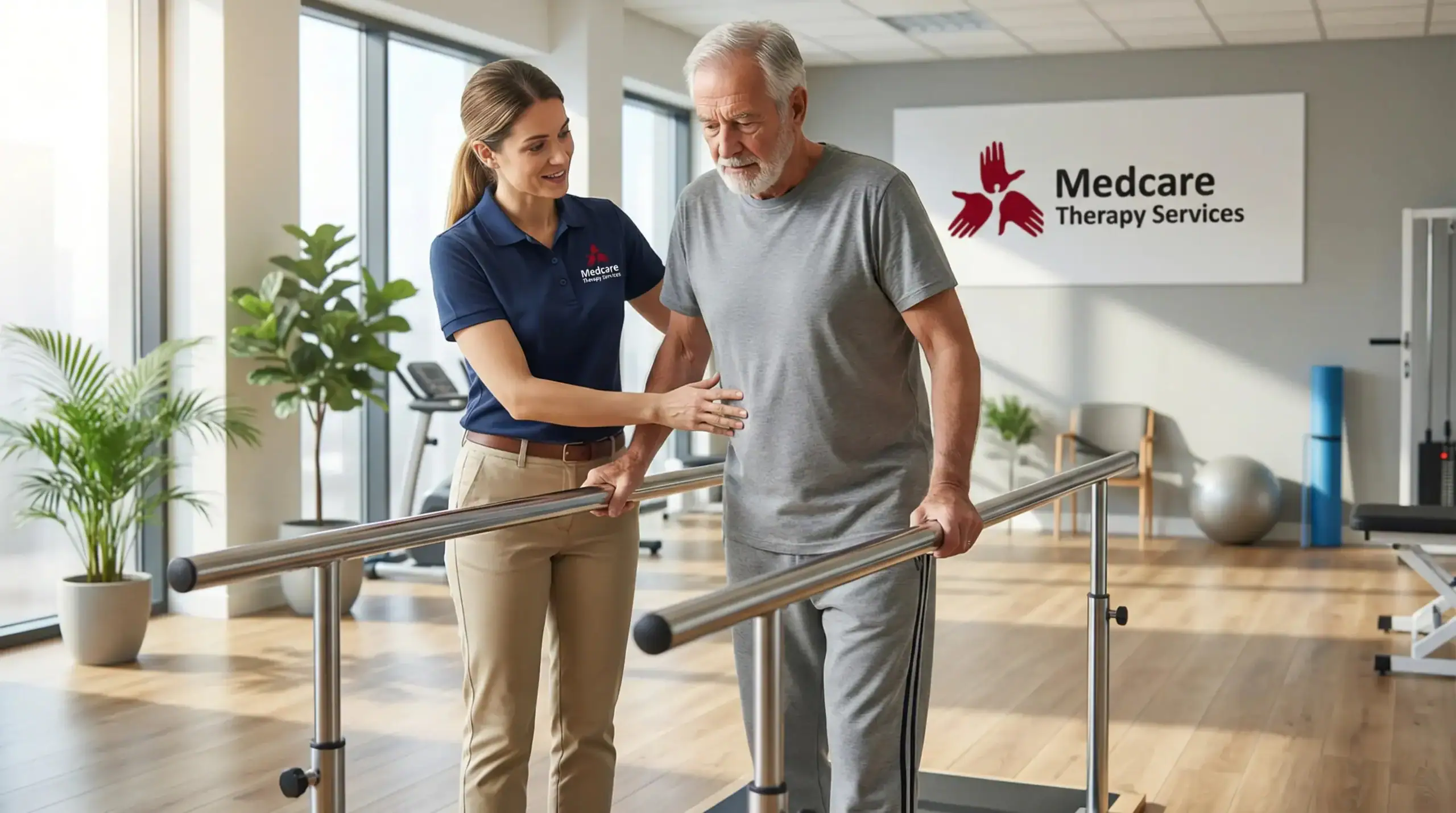
First, we assess where you’re at. That means looking at your balance, your strength, your gait, your medication list, and any past falls or close calls. We’re checking for the things that increase risk: weak legs, poor coordination, vision issues, dizziness, environmental hazards at home.
Then we build your plan. It’s not generic senior exercises pulled from a binder. It’s targeted work on the areas that need it most. That might mean strength training for your legs and core, balance drills that challenge your stability in safe ways, coordination work, or gait training to improve how you walk.
You’ll come in for sessions where we guide you through the exercises, correct your form, and gradually increase difficulty as you get stronger. We also teach you what to do at home so progress doesn’t stop between visits. And we talk through your environment: what’s tripping you up at home, what modifications make sense, how to set up your space so it’s working for you instead of against you.
Over time, you’ll notice the difference. Movements that felt shaky start to feel solid. You’re not second-guessing yourself as much. That’s the goal: getting you back to confident, independent living.

Ready to get started?
You get a full fall risk assessment that looks at everything: your physical abilities, your medications, your home setup, your medical history. We’re not just checking boxes. We’re figuring out what’s putting you at risk so we can address it directly.
You get personalized balance and strength training designed for your current level. If you haven’t exercised in years, we start there. If you’re active but unsteady, we work on that. The exercises are evidence-based, meaning they’ve been proven to reduce fall risk in older adults, and they’re adjusted as you improve.
You also get education. We’ll walk through your home safety concerns, talk about footwear, discuss how certain medications might be affecting your balance, and give you strategies to use every day. And because we’re local to Long Island, we understand the specific challenges here: older homes with narrow stairs, uneven sidewalks, winter ice, beach town layouts in places like Jamesport and the surrounding North Fork communities.
This isn’t a six-week program where you’re handed a pamphlet and sent home. It’s ongoing support until you’re stable, strong, and confident again.
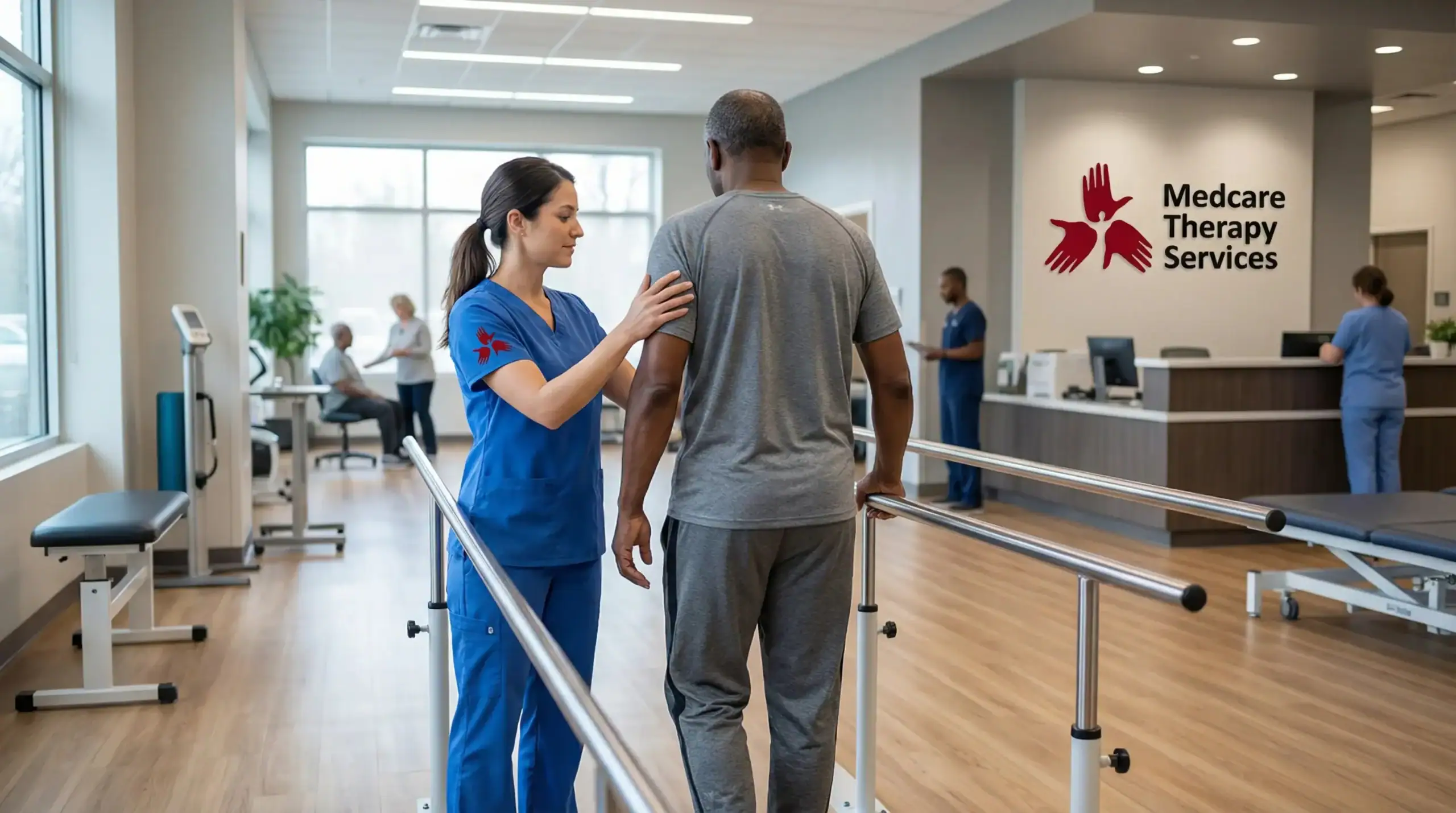
If you’ve fallen in the past year, you need it. Falling once doubles your chance of falling again, and the second fall is often worse than the first. But you don’t have to wait for a fall to start.
If you’re feeling unsteady when you walk, if you’re grabbing onto furniture or walls more than you used to, if you avoid certain activities because you’re worried about balance, those are signs. Same goes if you’ve had any close calls: tripping on rugs, stumbling on curbs, feeling dizzy when you stand up.
Your doctor might have mentioned it, especially if you’re on multiple medications or dealing with conditions like arthritis, neuropathy, or vision changes. Even fear of falling counts. If that fear is changing how you live your life, therapy can help you rebuild confidence while actually reducing your risk. Most people wait too long. Don’t be most people.
Yes, in most cases. Medicare Part B covers physical therapy when it’s medically necessary, and fall prevention absolutely qualifies, especially if you’ve had a fall or your doctor has identified you as high-risk. You’ll need a referral or prescription from your physician, but that’s usually straightforward.
Private insurance plans also typically cover these services, though your copay and coverage limits will depend on your specific plan. We work with most major insurers, and our team can help verify your benefits before you start so there are no surprises.
What you’re paying for therapy is a fraction of what a fall costs. The average hospital stay for a fall-related injury runs around $30,000. A broken hip can mean surgery, rehab, maybe even long-term care. Preventing that is worth the copay. We’ll help you navigate the insurance side so you can focus on getting stronger.
Supervision, progression, and specificity. You could find balance exercises online, sure. But without a trained therapist watching your form, you might be doing them wrong or even making things worse. We correct your posture, your foot placement, your weight distribution in real time.
We also know how to progress you safely. Too easy and you don’t improve. Too hard and you risk injury or losing confidence. We’re constantly adjusting based on how you’re responding, which exercises are working, and where you’re still struggling.
And our exercises are specific to your risk factors. If your issue is weak ankles, we target that. If it’s poor core strength or slow reaction time, we build programs around those gaps. Generic exercises don’t account for your medications, your arthritis, your vision, or your specific fall history. Ours do. That’s the difference between hoping you get better and actually getting better.
Most people start noticing small changes within a few weeks. You might feel steadier getting out of a chair, or more confident walking across an open room. Real, measurable improvement in strength and balance typically shows up around the four to eight week mark if you’re consistent with sessions and home exercises.
That said, everyone’s different. If you’re starting from a very deconditioned place or dealing with multiple health issues, it might take longer. If you’re relatively active but just need some fine-tuning, you might progress faster.
The key is consistency. Coming to therapy once a week and then doing nothing at home won’t cut it. You need to practice. The exercises we give you aren’t busywork, they’re the foundation of your progress. Stick with the program, and you’ll see results. Skip sessions or ignore the home plan, and you’re just wasting time.
It’s absolutely about prevention. In fact, that’s where physical therapy has the most impact. Research shows that targeted balance and strength training can cut your fall risk in half. Half. That’s not a small number when you consider that one in four older adults falls every year.
We’re not waiting for you to break a hip and then trying to patch things up. We’re identifying your weak points now, before a fall happens, and strengthening them. We’re teaching your body how to react when you start to lose balance, how to catch yourself, how to move through space without that constant fear.
Recovery after a fall is important, and we do that too. But prevention is smarter, cheaper, and a whole lot less painful. If you’re on the fence about whether you need this, ask yourself: would you rather spend a few weeks getting stronger now, or spend months recovering from a broken bone later? The answer’s pretty clear.
All the time. A lot of our patients are coming to physical therapy for the first time in their lives, and they’re not sure what to expect. That’s completely normal. We’re used to working with people who are nervous, skeptical, or just unsure if this is really going to help.
We start slow. We explain everything. We don’t throw you into exercises that feel scary or impossible. The whole point is to build your confidence, not destroy it on day one. You’ll work with a licensed therapist who understands how to meet you where you are and move forward at a pace that feels manageable.
If you’re worried about keeping up or feeling embarrassed, don’t be. Everyone in our clinic is focused on their own progress, and our therapists have seen it all. What matters is that you show up and put in the effort. We’ll handle the rest. You don’t need experience. You just need to be willing to try.
Other Services we provide in Jamesport