
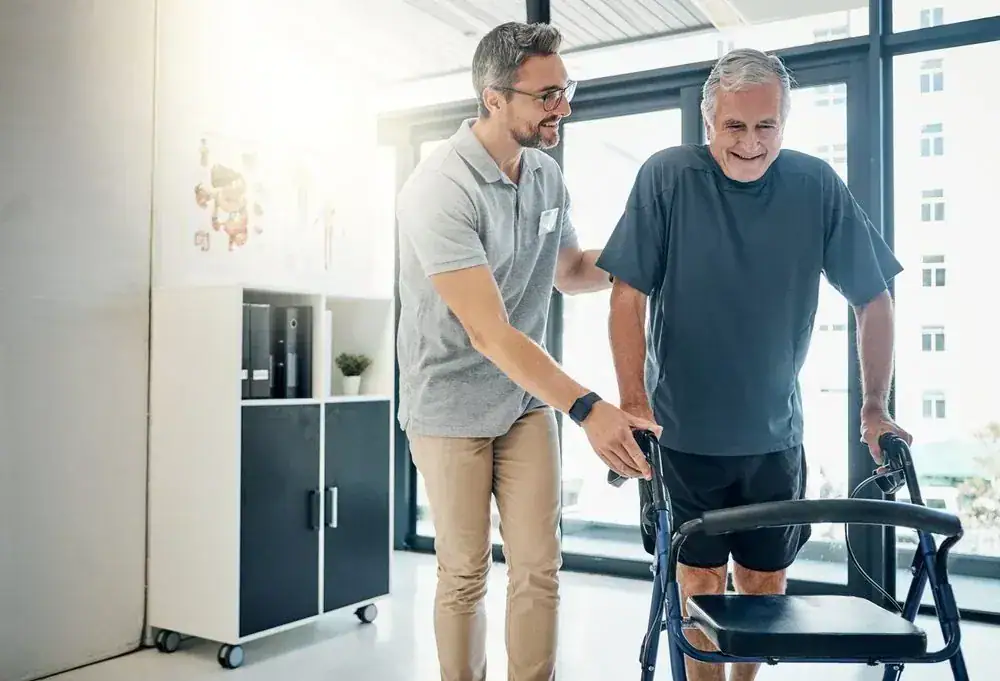
You’re not imagining it. That hesitation before standing up, the extra second you need to steady yourself, the way you avoid certain rooms in your own home—these aren’t just signs of aging. They’re warning signs.
Falls aren’t inevitable. Research shows that balance exercises for seniors can reduce your fall risk by up to 24%. Physical therapy programs cut fall-related injuries by 61%. Those numbers matter when you’re one of the 935 seniors living in Island Park, where Nassau County reports that 88% of injury hospitalizations for adults over 65 are fall-related.
Here’s what changes when you address balance issues early. You stop second-guessing every step. You move through your home without mapping out the safest route. You get up at night without anxiety. You stay active in your community instead of withdrawing because you’re afraid.
The goal isn’t just preventing a fall. It’s keeping you in your home, maintaining the independence you’ve earned, and giving your family peace of mind.
We’ve been delivering in-home physical therapy across Long Island since 2010. We’re not a national chain dropping into your community. Our therapists know Island Park, Nassau County, and the specific challenges Long Island seniors face.
We work with Medicare and major insurances, which means your fall prevention therapy is likely covered. Our team includes licensed physical and occupational therapists who specialize in balance training and elderly fall prevention. Every therapist is verified, credentialed, and trained in the latest CDC STEADI guidelines.
We treat you like family here, not a case number. That’s not marketing language—it’s how we’ve built our reputation across multiple Long Island therapy centers. When you call, you reach someone who can answer your questions. When therapy starts, it’s personalized to your home, your body, and your goals.

First, we come to you. No driving to a clinic, no navigating parking lots or waiting rooms. A licensed therapist arrives at your Island Park home and conducts a complete fall risk assessment in the environment where you actually live.
This assessment covers more than you’d expect. We evaluate your strength, balance, gait, and flexibility. We review your medications with you because some prescriptions increase fall risk. We walk through your home identifying hazards—lighting issues, tripping risks, bathroom safety concerns. We check your vision and how it affects your movement.
Then we build your program. You’ll get senior balance exercises tailored to your current ability level. These aren’t generic stretches. They’re evidence-based movements designed to strengthen the specific muscle groups that prevent falls. We progress gradually, always working within your comfort zone while challenging you enough to see improvement.
Sessions happen in your home, usually 2-3 times per week initially. Your therapist guides you through exercises, monitors your form, and adjusts the program as you improve. Between sessions, you’ll have simple exercises to practice. Most patients start feeling more stable within 3-4 weeks.

Ready to get started?
Your fall prevention therapy includes a comprehensive risk assessment, personalized exercise programming, home safety evaluation, and ongoing progress monitoring. Every session is one-on-one with a licensed therapist—no aides, no assistants.
The balance exercises we teach target the systems your body uses to stay upright. You’ll work on leg strength, core stability, flexibility, and reaction time. We incorporate movements that mimic your daily activities—getting in and out of chairs, reaching for items, walking on different surfaces, managing stairs if that’s relevant to your home.
Here’s what matters for Island Park residents specifically. Nassau County has the fourth-highest fall prevalence rate in New York State. The median age in Island Park is 42.4, with nearly 19% of residents already over 65. That percentage is climbing. Local healthcare costs for fall-related injuries are substantial, but more importantly, falls are the leading cause of injury death among seniors nationwide.
We also coordinate with your physician. If we identify medication interactions, vision problems, or other medical issues contributing to fall risk, we communicate that to your doctor. Fall prevention isn’t just about exercises—it’s about addressing every factor that puts you at risk.
Medicare typically covers this therapy when it’s medically necessary and prescribed by your doctor. We handle the insurance verification and paperwork.

You need an assessment if you’ve fallen in the past year, even if you weren’t injured. You should also consider therapy if you feel unsteady when walking, need to use your hands to stand up from a chair, or avoid certain activities because you’re worried about falling.
Other signs include shuffling your feet when you walk, feeling dizzy or lightheaded when you stand, or having trouble seeing obstacles in your path. If family members have expressed concern about your balance, that’s worth taking seriously. Many people dismiss these warning signs as normal aging, but they’re not—they’re treatable risk factors.
The assessment itself is straightforward. A therapist evaluates your strength, balance, and movement patterns, then determines whether therapy would reduce your fall risk. There’s no commitment required for the initial evaluation.
Medicare Part B covers physical therapy for fall prevention when it’s medically necessary and ordered by your doctor. Most patients qualify, especially if you’ve had a recent fall, have documented balance issues, or have conditions that increase fall risk like arthritis, neuropathy, or vision problems.
We verify your coverage before starting therapy, so you’ll know exactly what’s covered. Medicare typically covers 80% of approved costs after you meet your deductible. If you have a Medicare Supplement plan, it often covers the remaining 20%.
The key is medical necessity. Your doctor needs to prescribe the therapy, and we need to document that treatment is improving your function and reducing fall risk. We handle all the paperwork and communication with Medicare. You don’t need to navigate the insurance process yourself.
In-home therapy addresses the environment where you actually live. We see the lighting in your hallway, the layout of your bathroom, the rugs you navigate daily. We can identify specific hazards in your home and teach you how to move safely in your actual space.
There’s also the practical reality that getting to a clinic can be difficult when you already have balance issues. You avoid the stress of transportation, parking, and navigating an unfamiliar building. Therapy happens on your schedule in your home, which means better attendance and better outcomes.
For many Island Park seniors, the in-home option is the difference between getting therapy and skipping it entirely. And since falls most often happen at home, it makes sense to train in the environment where you need the skills most. We can practice the exact movements you do every day—your stairs, your furniture, your bathroom setup.
Most patients see measurable improvement in 6-8 weeks, but the timeline varies based on your starting point and goals. Some people need only a few weeks of intensive therapy to regain confidence and strength. Others benefit from longer programs, especially if they’re recovering from a fall or managing chronic conditions.
Initially, you’ll likely have therapy 2-3 times per week. As you improve, we reduce frequency and focus on maintaining your gains. The goal is always to make you independent—to give you exercises and strategies you can continue on your own.
We measure progress objectively using standardized balance tests, strength assessments, and functional movement evaluations. You’ll see concrete evidence of improvement, not just subjective feelings. When you’ve met your goals and can safely maintain your balance independently, we discharge you from therapy. Some patients choose periodic check-ins to ensure they’re maintaining their progress.
It’s not too late—it’s actually more urgent. If you’ve fallen once, your risk of falling again increases significantly. Your body may have developed compensation patterns that make you less stable. You might be moving more cautiously, which paradoxically can increase fall risk by weakening the muscles you need for balance.
Post-fall therapy focuses on rebuilding your confidence along with your physical abilities. Many people develop a fear of falling that’s as limiting as the physical issues. We address both. You’ll work on strength and balance, but also on moving with confidence in situations that now make you anxious.
The statistics are clear: adults who fall once are twice as likely to fall again. But physical therapy after a fall reduces that risk substantially. We’ve worked with many Island Park residents who fell, completed therapy, and returned to their normal activities. The key is starting therapy soon after a fall, before fear and inactivity create additional problems.
Yes. In fact, chronic conditions like arthritis, diabetes, neuropathy, Parkinson’s, or stroke are major reasons people develop balance problems. Fall prevention therapy is designed to work around your limitations while improving your function.
We modify exercises based on your specific conditions. If you have knee arthritis, we’ll strengthen your legs without aggravating your joints. If you have neuropathy affecting your feet, we’ll teach compensation strategies and work on the sensory systems you can rely on. If you’re managing multiple conditions, we coordinate with your other healthcare providers.
Your other health issues don’t disqualify you from therapy—they make it more important. People with chronic conditions have higher fall rates, but they also see significant benefits from targeted balance training. We’ve successfully worked with patients managing complex health situations. The therapy is personalized to your body and your medical reality.
Other Services we provide in Island Park