
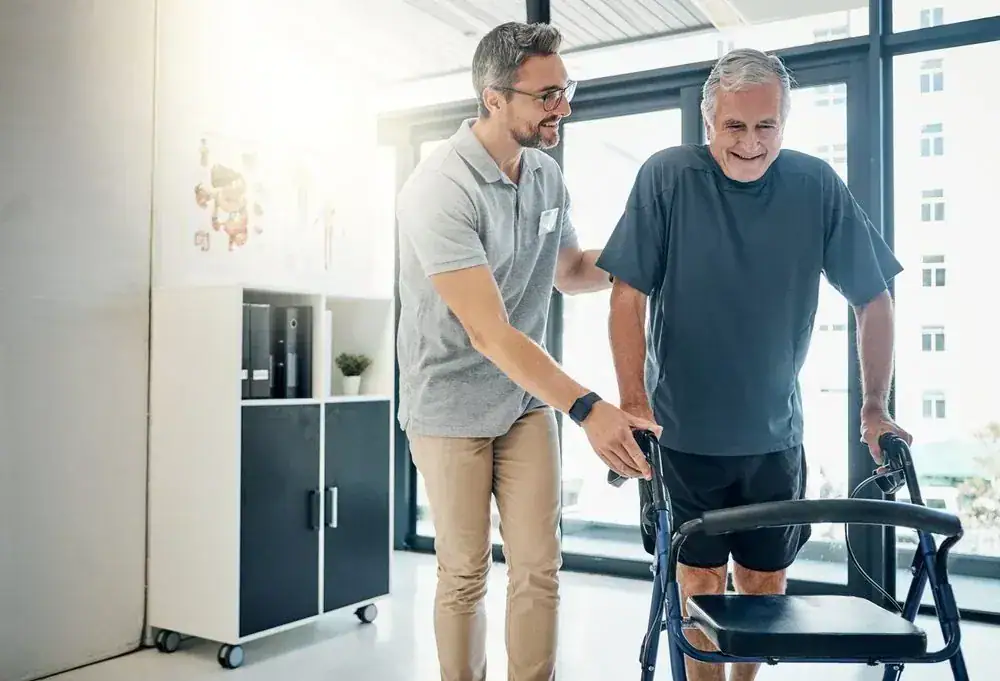
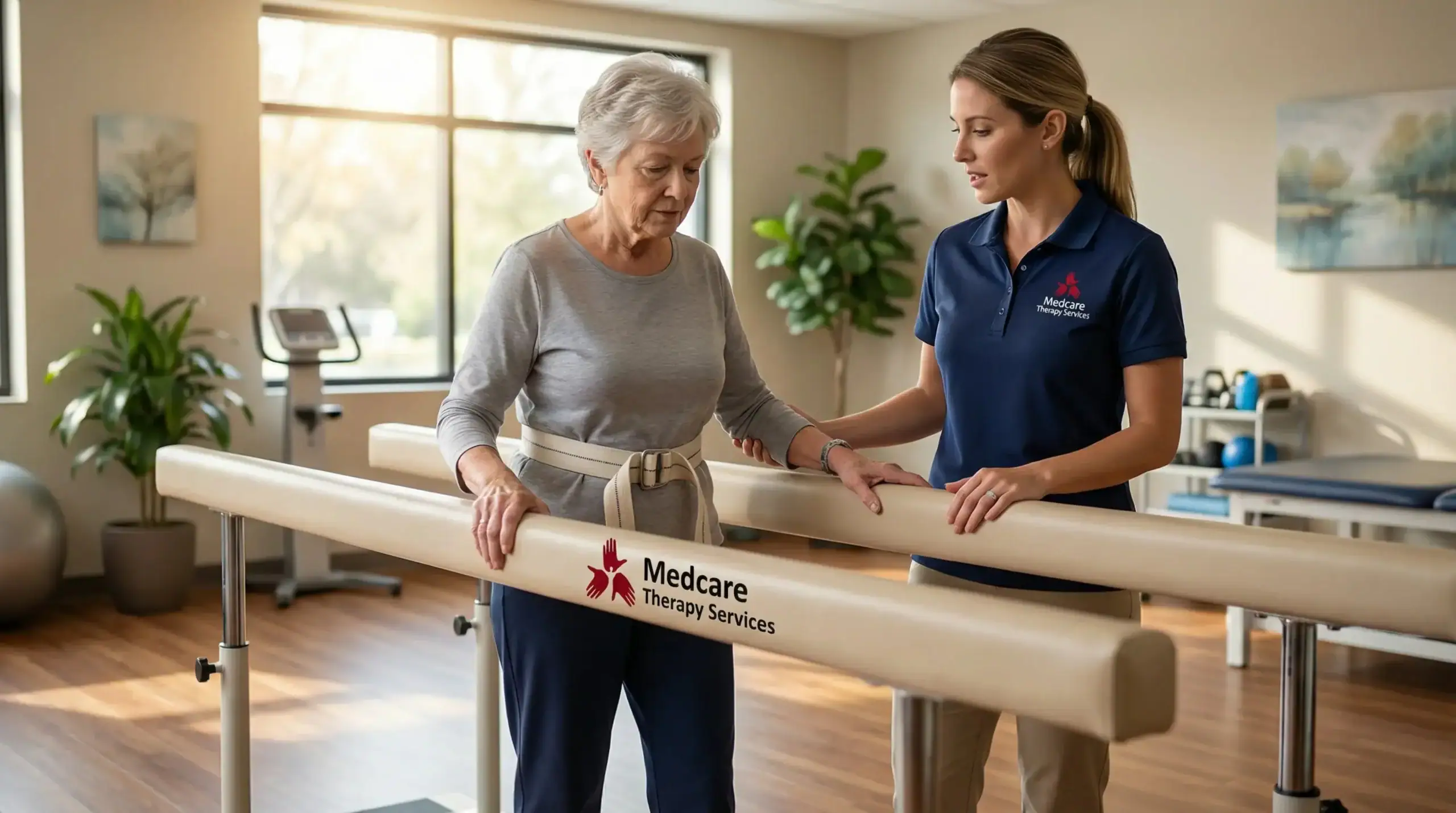
You stop second-guessing every step. The fear that’s been quietly running your day—whether you’ll make it to the bathroom safely, whether you can reach for something without grabbing the counter—starts to fade.
Balance exercises for seniors aren’t about becoming an athlete. They’re about walking to the mailbox without worry. Standing at the stove without bracing yourself. Getting out of bed in the morning and trusting your legs to hold you.
One in four adults over 65 falls every year on Long Island. Many of those falls don’t just hurt—they change everything. Your independence, your confidence, your ability to stay in your own home. But here’s what most people don’t realize: most falls are preventable with the right training.
Physical therapy for balance works because it addresses what’s actually causing the instability—weak muscles, poor coordination, environmental risks you’ve stopped noticing. When those things improve, you move differently. You feel different. And the constant background hum of “what if I fall” gets quieter.
We bring licensed physical and occupational therapists directly to your home in Holtsville and across Long Island. No commute, no waiting rooms, no trying to arrange rides when you’re already unsteady.
We’ve worked with hundreds of seniors in Nassau and Suffolk Counties who were told to “just be careful”—which isn’t a plan. We treat fall prevention like the medical issue it is, with real assessments, targeted exercises, and measurable progress.
Long Island has some of the highest fall rates in New York State. Nassau County alone sees 88% of injury hospitalizations in older adults come from falls. We’re not here to scare you—we’re here because we know what works, and we know this community needs it. You’re not overreacting by wanting help. You’re being smart.
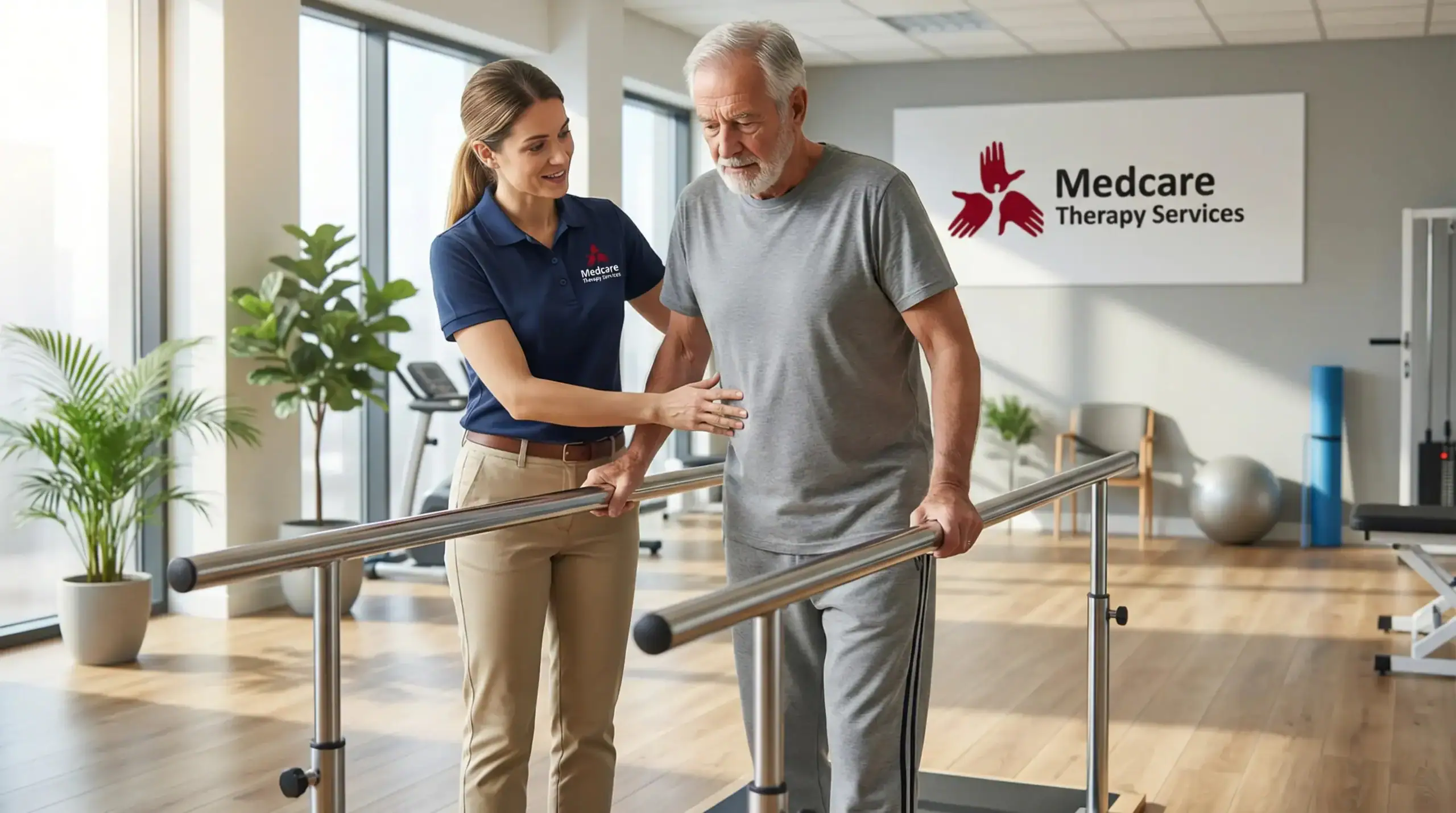
First, a licensed physical therapist comes to your home and does a full evaluation. They’re looking at your strength, your gait, how you move from sitting to standing, what’s in your environment that might be a risk. This isn’t a checklist—it’s a conversation about your specific concerns and limitations.
From there, they build a program based on what you actually need. Maybe it’s strengthening your legs so you can get up from a chair without using your arms. Maybe it’s improving your reaction time so a misstep doesn’t turn into a fall. Maybe it’s retraining your balance so you can turn around without grabbing something.
You’ll do exercises during sessions, and you’ll get a home program to continue between visits. Most effective balance training happens three times a week for about 45 minutes, and research shows you can see real improvement in 8 to 12 weeks—even if you’re over 80.
Everything is covered by Medicare and most commercial insurance. Your therapist tracks your progress, adjusts the program as you improve, and educates anyone helping you at home so they know how to support you safely.

Ready to get started?
You get a therapist who understands that Long Island seniors face higher fall risks than almost anywhere else in New York. We know the local housing stock—the split-levels in Holtsville, the older homes without grab bars, the basements with steep stairs.
Your program includes strength training, balance exercises tailored to your ability level, gait training to improve how you walk, and environmental assessments to spot hazards in your home you might not notice anymore. If you’ve already fallen, we’ll work on fall recovery techniques so you know what to do if it happens again.
You also get caregiver education if someone is helping you at home. They’ll learn proper transfer techniques, positioning, and body mechanics that make caregiving safer for both of you. This isn’t just about you getting stronger—it’s about creating a complete safety system.
Nassau County has over 200,000 older adults, and the statistics here are blunt: falls are the leading cause of injury hospitalizations. Every 11 seconds, an older adult is treated in an emergency room for a fall. Every 19 minutes, someone dies from one. The average hospital stay costs $30,000. We’re not trying to sell you peace of mind—we’re trying to help you avoid a preventable crisis.
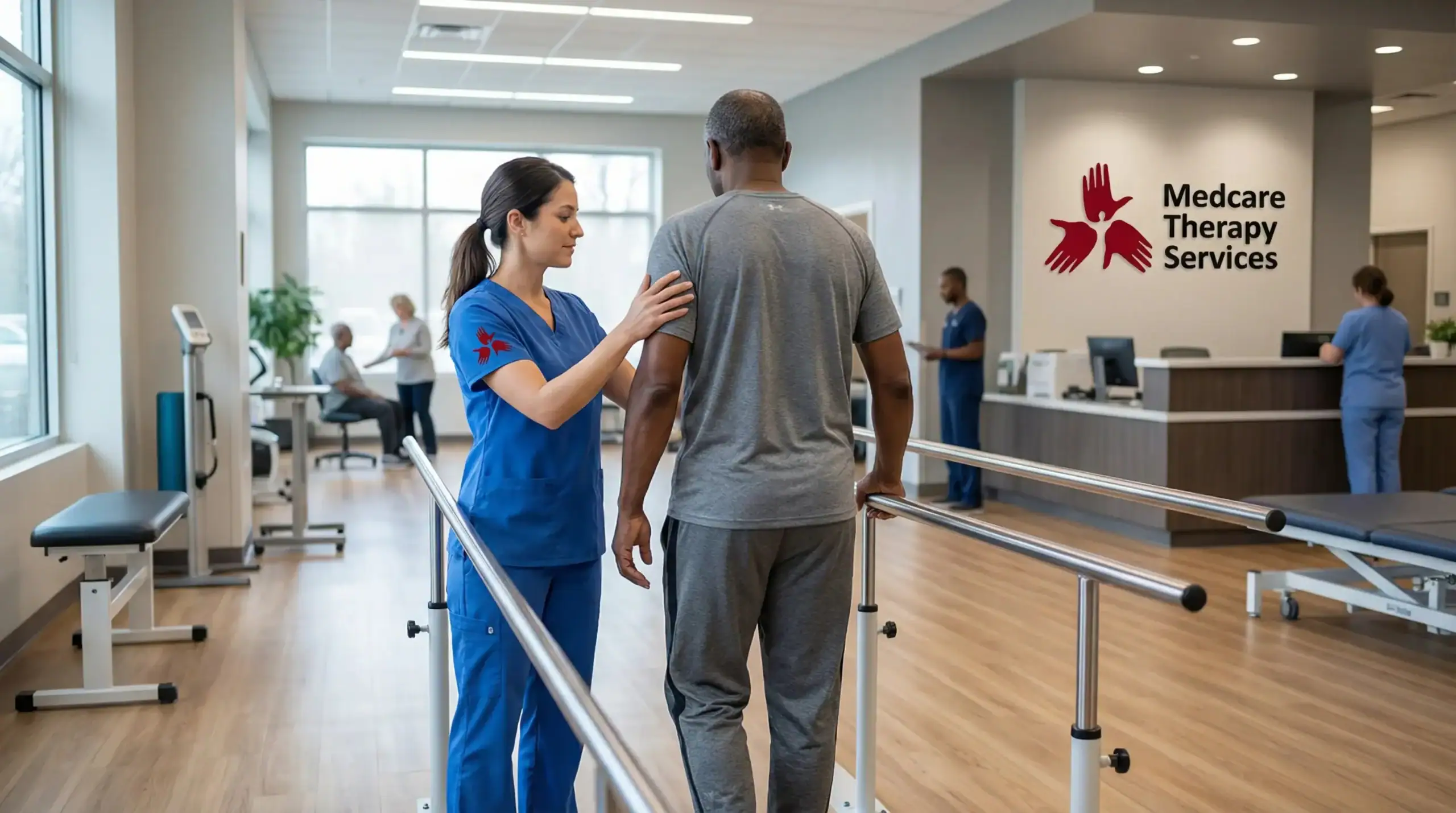
If you’ve already fallen, even once, you need it. If you’re grabbing furniture or walls when you walk around your house, you need it. If you’ve stopped doing things because you’re afraid you’ll lose your balance, you need it.
A lot of people wait until after a bad fall to start therapy, but that’s backward. The whole point is to prevent the fall that breaks your hip or puts you in the hospital for a week. Physical therapists can identify risk factors you don’t even realize you have—weak ankles, poor depth perception, medication side effects that affect balance.
Here’s a simple test: can you stand on one foot for 10 seconds without wobbling or grabbing something? If not, your balance needs work. Can you get up from a chair without using your hands? If that’s hard, your leg strength is putting you at risk. These aren’t things that get better on their own, and “being careful” only goes so far when your body isn’t responding the way it used to.
Yes, if it’s medically necessary—and for most seniors with balance issues or a history of falls, it is. Medicare Part B covers outpatient physical therapy when it’s prescribed by a doctor and provided by a licensed therapist.
You’ll need a physician’s referral, but that’s usually straightforward if you’ve mentioned balance problems or falls to your doctor. We accept Medicare and nearly all commercial insurance plans, and we handle the billing and authorization process so you’re not stuck on the phone with insurance companies.
There are coverage limits and copays depending on your specific plan, but the cost of a few therapy sessions is a fraction of what one fall-related hospital stay runs—and that’s before you factor in rehab, lost independence, or long-term care. We’ll go over your coverage during the initial call so you know exactly what to expect. The goal is to make this accessible, not complicated.
You’re training in the environment where you actually live. Your therapist sees the stairs you use every day, the bathroom where you shower, the kitchen layout, the rugs that might be a tripping hazard. They’re not guessing what your home looks like—they’re right there, making the program specific to your real life.
If you’re already unsteady, getting to and from appointments is stressful and risky. You’re arranging transportation, navigating parking lots, sitting in waiting rooms. In-home therapy removes all of that. You stay comfortable, you save energy, and you’re more likely to stick with the program because it’s not a logistical hassle.
There’s also something to be said for not feeling rushed or self-conscious. You’re in your own space, working one-on-one with a therapist who’s focused entirely on you. It’s private, it’s personalized, and it’s built around your schedule and limitations—not a clinic’s availability.
Most people start noticing changes in 4 to 6 weeks if they’re consistent with their exercises. That might mean you’re steadier when you stand up, or you’re not reaching for the wall as much when you walk. Real, measurable improvement typically shows up around the 8 to 12 week mark.
Research on balance training for older adults shows that three sessions per week, 30 to 45 minutes each, is the sweet spot. Programs like the Otago Exercise Program have reduced falls by 35 to 40 percent in frail older adults using this approach. It’s not a quick fix, but it’s also not a years-long commitment—it’s a focused effort that produces results.
Your progress depends on where you’re starting from and how much you’re able to practice between sessions. Some people improve faster, some take a bit longer. But even adults over 80 can improve their gait, posture, and stability with the right training. Age isn’t the limiting factor—consistency is.
It’s not too late, but it is urgent. Multiple falls mean something is wrong—whether it’s muscle weakness, a balance disorder, vision issues, medication interactions, or environmental hazards. A physical therapist can help figure out what’s happening and address it before the next fall does serious damage.
After a fall, a lot of people develop a fear of falling again, which leads to moving less, which leads to getting weaker, which makes another fall more likely. It’s a cycle, and therapy breaks it. You’ll work on strength, balance, and mobility, but also on confidence and fall recovery techniques so you’re not paralyzed by fear.
The fact that you’ve fallen before doesn’t mean you’re doomed to keep falling. It means you need a real intervention, not just extra caution. Physical therapists are specifically trained to assess and treat fall risk, and we’ve worked with plenty of people in your exact situation. You’re not a lost cause—you’re someone who needs the right help, and that help exists.
Absolutely, and in most cases, it’s encouraged. If someone is helping you at home—whether it’s a spouse, adult child, or paid caregiver—they need to understand what you’re working on and how to support you safely.
Your therapist will teach them proper transfer techniques, how to assist you without doing too much (which can actually make you weaker), and how to spot signs that you’re struggling or at risk. They’ll also go over your home exercise program so someone can help remind you or guide you through it if needed.
Caregiving is hard, and a lot of family members are doing their best without any training. They’re lifting wrong, they’re overcompensating, they’re anxious and exhausted. Education helps everyone. It makes caregiving less physically demanding, it reduces injury risk for both of you, and it turns your support system into an actual asset in your fall prevention plan.
Other Services we provide in Holtsville