
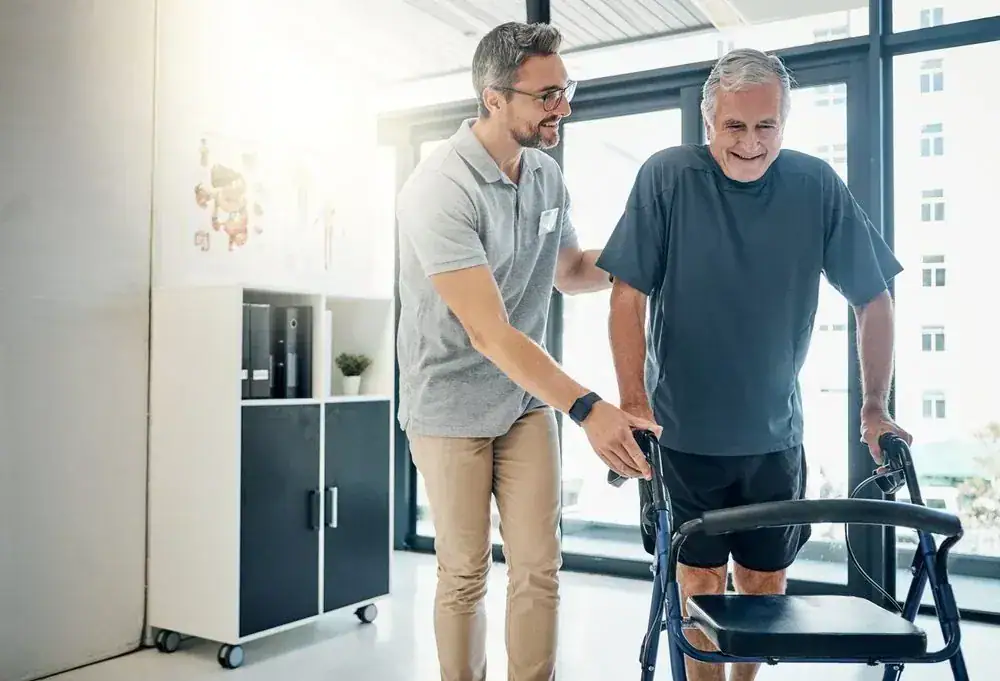
You know the feeling. That split-second hesitation before you stand up from the couch. The extra hand you keep on the counter when you walk through the kitchen. The bathroom trip at night that makes you more anxious than it should.
That’s not aging. That’s your body telling you it needs help with balance—and you’re right to listen.
Falls aren’t inevitable. In Nassau County, 88% of injury hospitalizations for adults over 65 come from falls, but research shows the right balance exercises can cut your risk in half. Not someday. Not after something happens. Now, while you’re still moving and living the life you want.
When your balance improves, everything else follows. You walk faster. You stand taller. You stop planning your day around what feels safe and start doing what you actually want to do. That’s what physical therapy for balance is built for—and that’s what you get when the program comes to you, in your own space, where real life happens.
We’ve been serving Nassau and Suffolk County residents for over a decade. We’re not a franchise or a rotating door of therapists. We’re a locally rooted team that knows Long Island seniors face some of the highest fall risks in New York—and we’ve built our programs around that reality.
Our therapists are trained in Otago fall prevention, a research-backed approach that’s proven to reduce falls through targeted strength and balance work. We bring that expertise into your home in Hewlett Bay Park, NY, so you’re not commuting to appointments or trying to replicate exercises in an unfamiliar clinic.
You’re working with licensed professionals who treat you like family, not a case number. We accept Medicare and most commercial insurance, and every plan we build starts with a real assessment of your fall risk, your movement patterns, and what’s actually happening in the environment where you live.

First, we come to you. A licensed physical or occupational therapist visits your home in Hewlett Bay Park, NY and walks through a fall risk assessment. We’re looking at your strength, your gait, your balance, and your actual living space—the rugs, the lighting, the furniture layout, all of it.
Then we build a plan. It’s not generic senior balance exercises pulled from a handout. It’s a program designed around your body, your risks, and your goals. Most programs run about 12 weeks, with exercises done three or more days a week. You’ll work on strength, balance, and movement patterns that directly reduce fall risk.
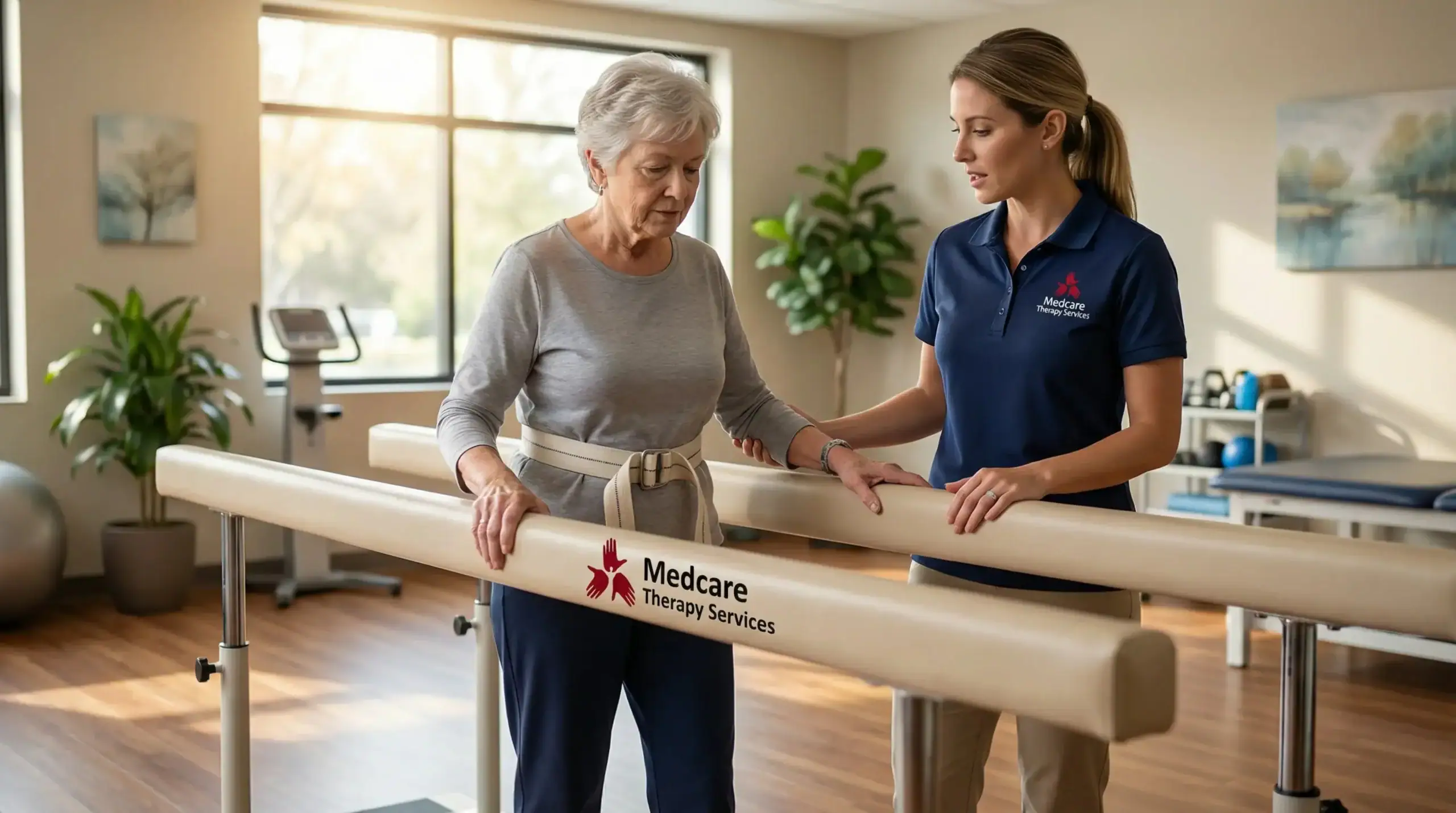
We don’t just hand you a sheet and disappear. Your therapist guides you through each session, adjusts as you improve, and makes sure you’re doing the exercises correctly so they actually work. If you need adaptive equipment or home modifications, we’ll talk through that too.
You’ll notice changes fast—better posture, more confidence, smoother movement. Even adults over 80 see improvements in gait and stability with the right program. That’s not a sales pitch. That’s what happens when elderly fall prevention is done right.

Ready to get started?
This isn’t a one-size-fits-all class at the senior center. You get one-on-one time with a licensed therapist who specializes in fall prevention in the elderly. Every session is built around your specific needs, whether that’s rebuilding strength after a hospital stay or just addressing balance issues before they become a bigger problem.
Your program includes balance training, strength exercises, gait work, and functional movement that mirrors what you do every day—standing from a chair, reaching for something on a shelf, walking on different surfaces. We also assess your home for fall hazards and recommend modifications that make sense for your space.
Here’s what matters for Hewlett Bay Park, NY residents: Long Island seniors statistically face higher fall risks than almost anywhere else in New York. You’re not overreacting by getting help. You’re being smart. And because 60% of fall-related hospitalizations happen at home, training in your actual environment isn’t just convenient—it’s the most effective way to prevent falls where they’re most likely to happen.
Medicare covers outpatient physical therapy services, and we handle the insurance coordination. You focus on getting stronger. We handle the rest.
If you’ve fallen in the past year, you need it. If you feel unsteady when you walk or stand, you need it. If you’re afraid of falling—even if you haven’t yet—you need it.
Fear of falling isn’t just emotional. It leads to less activity, which leads to weaker muscles, which leads to worse balance. It’s a cycle, and physical therapy for balance breaks it. One in four Americans over 65 falls each year, but most falls are preventable with the right training.
You don’t have to wait for a doctor’s referral to call us, but if you’re on multiple medications, have had a recent hospital stay, or notice your balance isn’t what it used to be, those are all signs that a fall risk assessment makes sense. The earlier you start, the more effective the program.
Balance exercises for seniors are specifically designed to challenge your stability in controlled, progressive ways. You’re not just moving—you’re retraining your body to respond when your balance is threatened, which is exactly what prevents falls.
These exercises target the systems your body uses to stay upright: your muscles, your inner ear, your vision, and your proprioception (your sense of where your body is in space). A good program works all of those together. That’s why standing on one foot or doing heel-to-toe walks might look simple, but they’re rebuilding the exact skills you need when you trip on a rug or step off a curb wrong.
Research shows older adults need balance training at least three days a week for 45 minutes to see real fall risk reduction. It’s not about intensity—it’s about consistency and doing the right movements. That’s what our Otago-trained therapists bring to every session.
Yes. Age isn’t the issue—movement is. Even adults over 80 show measurable improvements in gait, posture, and stability when they do targeted balance work. Your body doesn’t stop responding to exercise just because you’re older. It just needs the right program.
If you haven’t been active in a while, that’s exactly why starting with a licensed therapist matters. We meet you where you are. If you’re using a walker, we work with that. If you can’t stand for long periods, we adjust. The program is built around your current ability, not some ideal version of fitness.
What changes isn’t your age—it’s your strength, your confidence, and your fall risk. Those are all trainable, and we’ve seen it happen hundreds of times with seniors right here in Nassau County.
Because your home is where you’re most likely to fall. Sixty percent of fall-related hospitalizations happen at home, so training in a clinic and then trying to replicate it in your own space doesn’t make sense. You need to practice balance in the environment where you actually live.
Home-based therapy also removes the barriers that keep people from getting care. You’re not dealing with transportation, long commutes, or the stress of getting to appointments when you already feel unsteady. The therapist comes to you, works with you in your own space, and tailors the program to your actual surroundings.
We also catch things a clinic can’t. Maybe there’s a rug that slides. Maybe the lighting in your hallway is dim. Maybe your bathroom setup is creating unnecessary risk. We see it, we address it, and you get a safer home on top of a stronger body.
Yes. Medicare covers outpatient physical therapy services, including fall prevention programs, when they’re medically necessary. If you’ve had a fall, if your doctor has noted balance issues, or if you’re at risk due to other health conditions, you likely qualify.
We accept Medicare and nearly all commercial insurance plans. During your first call, we’ll verify your coverage and walk you through what’s covered so there are no surprises. Most patients pay little to nothing out of pocket, depending on their plan.
The key is that the therapy has to be skilled and necessary—meaning you need a licensed therapist to assess, design, and guide your program. That’s exactly what we do. We handle the insurance coordination and documentation so you can focus on the exercises, not the paperwork.
Most people notice improvements within the first few weeks. You’ll feel steadier on your feet, more confident when you move, and less hesitant during daily activities. Measurable changes in strength and balance typically show up around the 4-6 week mark if you’re consistent with the exercises.
Full programs usually run 12 weeks, which is the timeframe research supports for meaningful fall risk reduction. But here’s the thing—you don’t just do the program and stop. The goal is to build habits and strength that carry forward so you’re not back where you started six months later.
Your therapist will work with you to create a maintenance plan you can keep up on your own once the formal program ends. The exercises become part of your routine, like brushing your teeth. That’s how you stay strong, stay balanced, and keep living independently in Hewlett Bay Park, NY for years to come.
Other Services we provide in Hewlett Bay Park