
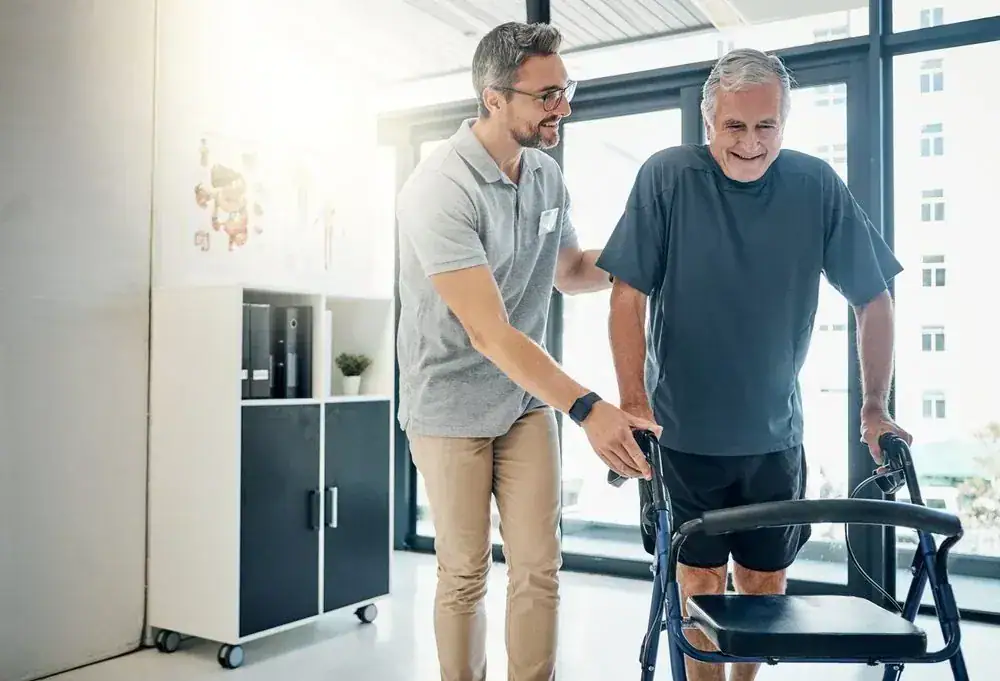
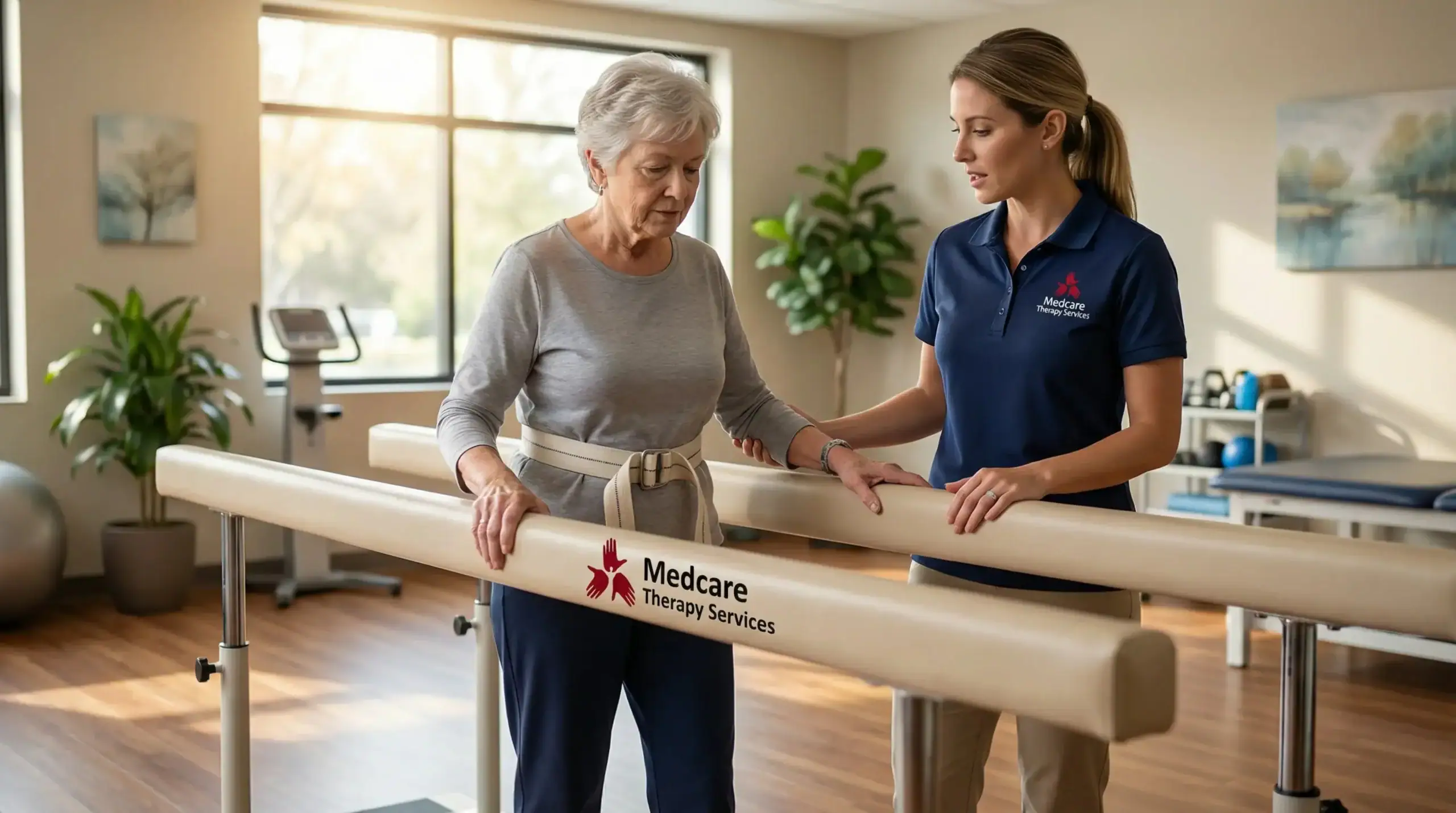
You’re not imagining it. That hesitation before you stand up, the extra second you need to steady yourself, the way you’ve started avoiding certain activities because you’re worried about falling—it’s real, and it’s limiting your life.
Here’s what changes when you address fall risk properly. You walk with confidence again. You don’t second-guess every step or grip every railing like your life depends on it. You stop planning your day around what feels safe and start doing what you actually want to do.
The difference comes from building real strength in the muscles that keep you stable, improving your balance through targeted exercises, and understanding exactly what’s increasing your risk. Most people don’t realize that fall prevention isn’t just about being careful—it’s about being stronger, more coordinated, and more aware of how your body moves through space. When you work on those things consistently, the fear starts to fade because your body actually works better.
We’ve been serving Great River and the surrounding Long Island communities for years, and we’ve seen what happens when seniors get the right kind of fall prevention care. It’s not dramatic. It’s steady progress that adds up to real independence.
We’re not the only therapy practice on Long Island, but we’re one of the few that treats fall prevention as seriously as it deserves. Our therapists don’t hand you a generic exercise sheet and send you home. We assess your specific risk factors—your strength, your balance, your gait, your medications, your home setup—and build a plan around what you actually need.
Great River seniors face the same challenges as older adults everywhere: age-related muscle loss, medication side effects, vision changes, and homes that weren’t designed with mobility in mind. We get it because we work with it every day, and we know how to address it without making you feel fragile or incapable.
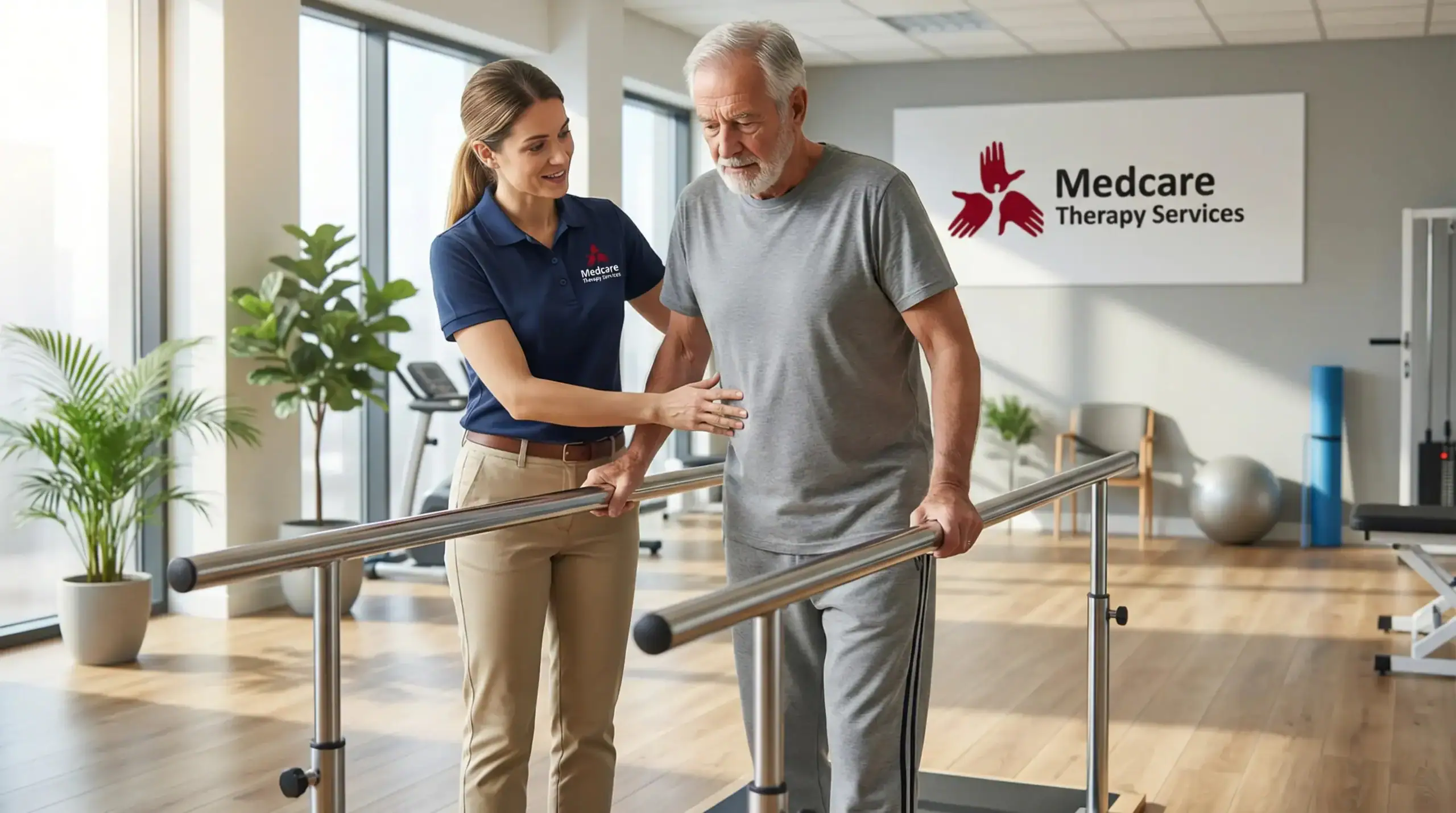
Your first visit starts with a comprehensive fall risk assessment. We review your medical history, current medications, any previous falls or close calls, and the specific situations where you feel unsteady. Then we watch you move—how you walk, how you turn, how you get up from a chair, how you handle uneven surfaces.
From there, we test your balance and coordination in different positions and scenarios. We measure your lower body strength because weak hips and legs are one of the biggest fall risk factors. We also talk about your home environment and daily routines to identify hazards you might not have considered.
Once we understand your risk profile, we build a personalized treatment plan. That usually includes progressive strength training to build stability in your core and legs, balance exercises that challenge your coordination in safe ways, and gait training to correct movement patterns that increase fall risk. You’ll also learn practical strategies for navigating your home more safely and, if needed, how to use mobility aids correctly.
Most people come in once or twice a week. You’ll do exercises here, and we’ll give you things to practice at home. The goal isn’t to keep you in therapy forever—it’s to make you strong and stable enough that you don’t need us anymore.

Ready to get started?
Every fall prevention program includes a full evaluation of your fall risk factors, personalized balance training, progressive strength building exercises, and gait analysis with correction. You’re not getting a one-size-fits-all approach—you’re getting a plan built around your body, your risks, and your goals.
We also provide education on home safety modifications, medication awareness, proper footwear, and how to reduce environmental hazards. Many people don’t realize that simple changes like removing throw rugs, improving lighting, or rearranging furniture can significantly reduce fall risk. We walk you through what matters most in your specific living situation.
For Great River residents, this matters because Long Island homes often have stairs, narrow hallways, and older layouts that weren’t designed with aging in place in mind. We help you navigate those challenges without having to move or renovate your entire house. The focus is on practical solutions that fit your life.
You’ll also receive training on how to get up if you do fall, how to reduce injury risk, and how to build confidence in your movement again. Many seniors tell us that overcoming the fear of falling is just as important as the physical improvements—and both happen when you’re working with someone who knows what they’re doing.
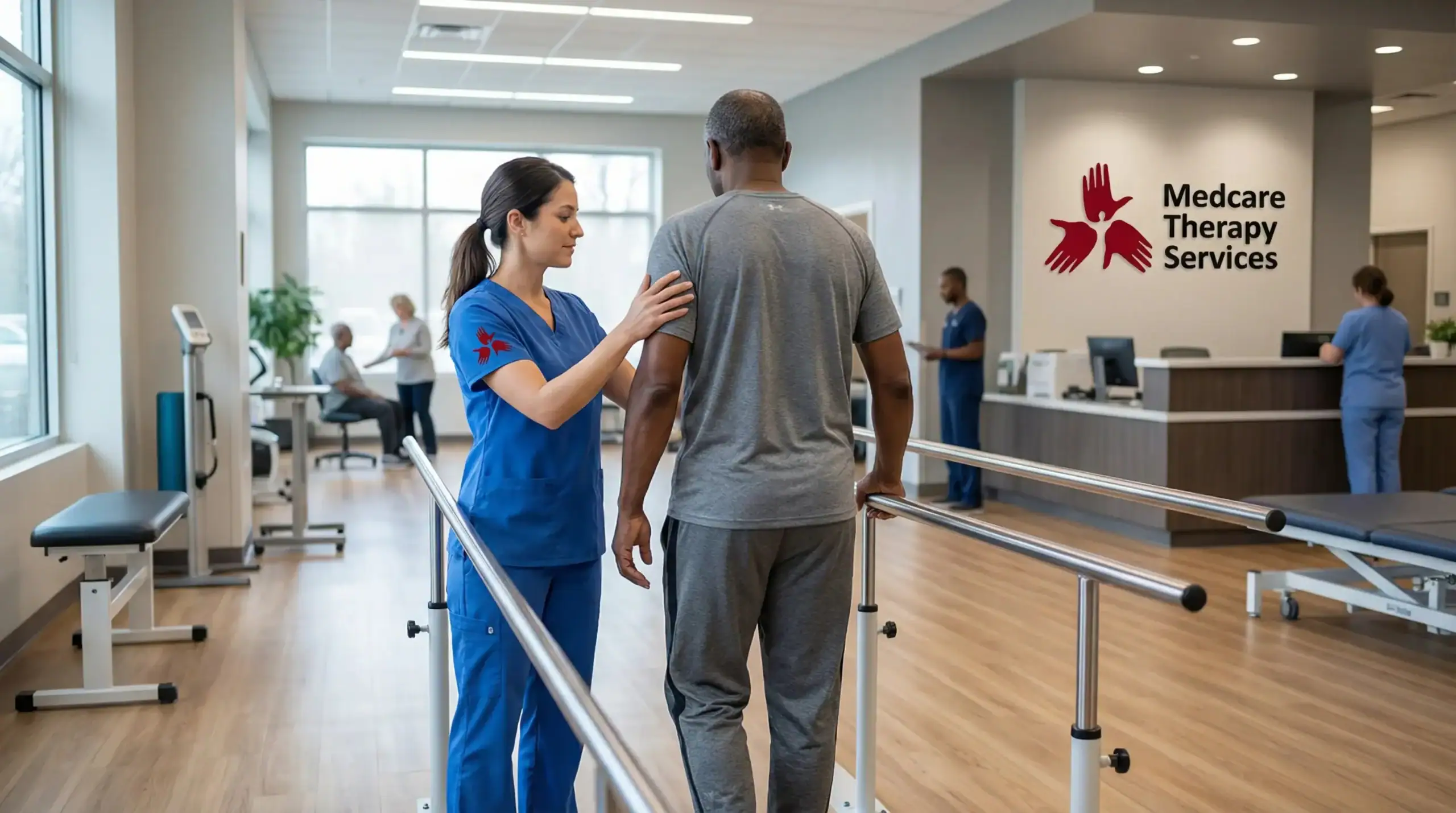
If you’ve fallen in the past year, if you’ve had a close call that scared you, or if you’re avoiding activities because you’re worried about falling, you’re not being overly cautious—you’re recognizing a real risk. Those are all signs that your balance, strength, or coordination need attention.
Other red flags include feeling unsteady when you walk, needing to hold onto furniture or walls to move around your house, struggling to get up from a chair without using your arms, or noticing that your legs feel weaker than they used to. If you’re taking multiple medications, especially anything that affects your blood pressure or makes you dizzy, that also increases your fall risk.
Here’s the thing: falls don’t just happen to people who are frail or sick. They happen to active, independent seniors who’ve lost just enough strength or balance to be at risk without realizing it. The best time to address fall prevention is before you fall, not after. Once you’ve had a serious fall—especially one that results in a hip fracture—your risk of losing independence goes up dramatically. Getting evaluated now means you’re taking control of the situation instead of waiting for it to get worse.
You’ll do exercises that challenge your balance in controlled, progressive ways. That might include standing on one leg with support, walking heel to toe in a straight line, reaching for objects while maintaining your balance, or practicing weight shifts from side to side. We adjust the difficulty based on your current ability—if you’re unsteady, we start with more support and simpler movements. As you improve, we make it harder.
Strength exercises focus on your legs, hips, and core because those are the muscle groups that keep you stable. Expect things like sit-to-stand exercises, leg lifts, step-ups, and resistance band work. These aren’t intense gym workouts—they’re functional movements that directly improve your ability to move safely in daily life.
We also work on coordination and reaction time because falls often happen when you need to catch yourself quickly or adjust to an unexpected situation. That might involve practicing how you respond when you start to lose your balance or how you navigate obstacles and uneven surfaces. Everything we do has a clear purpose: making you steadier, stronger, and more confident when you move. You won’t waste time on exercises that don’t directly reduce your fall risk.
Most people start noticing small improvements within the first few weeks—things like feeling steadier when they walk or having an easier time getting up from a chair. Significant changes in strength and balance usually take six to eight weeks of consistent work, but that timeline varies depending on your starting point and how often you’re doing your exercises.
The key word is consistent. If you come to therapy once or twice a week and do your home exercises on the other days, you’ll see faster progress than if you only work on it during your appointments. Balance and strength are skills that improve with repetition, and your body needs regular practice to build new patterns.
Some improvements happen quickly because they’re about technique and awareness—learning how to move more safely or correcting a gait problem you didn’t know you had. Other changes, like building muscle strength, take longer because your body needs time to adapt. The good news is that even small improvements make a real difference in your fall risk. You don’t need to become an athlete. You just need to be strong and stable enough to handle your daily activities without fear.
Most insurance plans, including Medicare, cover physical therapy for fall prevention when it’s medically necessary. That usually means you’ve had a fall, you have documented balance or gait problems, or your doctor has identified you as high-risk. We work with your insurance to maximize your benefits and make sure you’re getting the coverage you’re entitled to.
The process typically starts with a referral from your doctor, though some insurance plans allow direct access to physical therapy without one. We verify your coverage before you start so you know what to expect in terms of copays or deductibles. If you have Medicare, fall prevention therapy is generally covered under Part B when it’s prescribed by your physician and deemed reasonable and necessary for your condition.
If you’re not sure about your coverage, call us. We deal with insurance questions every day, and we can help you figure out what your plan covers and what your out-of-pocket costs will be. The last thing you need is a surprise bill, and we make sure you have clear information upfront. Fall prevention is too important to skip because you’re worried about cost—let’s figure out your coverage first and go from there.
The biggest difference is assessment and progression. When you work with us, you’re getting a professional evaluation of why you’re at risk—not just generic exercises. We identify your specific weak points, whether that’s hip strength, ankle stability, coordination issues, or gait problems, and we build a plan that addresses those exact issues.
Doing exercises at home without guidance can actually be risky if you’re already unsteady. You might choose exercises that are too easy and don’t create any improvement, or too hard and increase your fall risk. You also won’t know if you’re doing them correctly, which matters because poor form reduces effectiveness and can sometimes make problems worse.
We also progress your exercises as you improve, which is something most people don’t do on their own. Your body adapts to exercise, so what challenges you in week one won’t challenge you in week six. We continuously adjust your program to keep pushing your balance and strength forward. Plus, we catch compensations and movement patterns you wouldn’t notice yourself—like favoring one leg or using poor posture—that increase your fall risk even when you think you’re doing everything right. You’re not just getting exercises. You’re getting expertise, accountability, and a plan that actually works.
Yes. Even if you’ve fallen multiple times or you feel very unsteady right now, fall prevention therapy can make a significant difference. You’re not too far gone, and it’s not too late. We work with people at all levels of mobility and fall risk, and we’ve seen major improvements in seniors who thought they were past the point of getting better.
The approach is different if you’re starting from a place of high risk or low confidence. We move more slowly, provide more support, and focus heavily on safety while we build your strength and balance back up. You won’t be doing anything that puts you in danger, and we modify everything to match your current ability. The goal is steady, sustainable progress—not rushing you through a program that doesn’t fit where you are right now.
What matters most is that you’re willing to put in the work. If you show up, do the exercises, and stay consistent, your body will respond. Strength and balance can improve at any age, even if you’ve lost a lot of ground. We’ve helped people go from needing a walker to walking independently, from being afraid to leave the house to feeling confident running errands on their own. It takes time, but it’s absolutely possible. The question isn’t whether therapy can help—it’s whether you’re ready to start.
Other Services we provide in Great River