
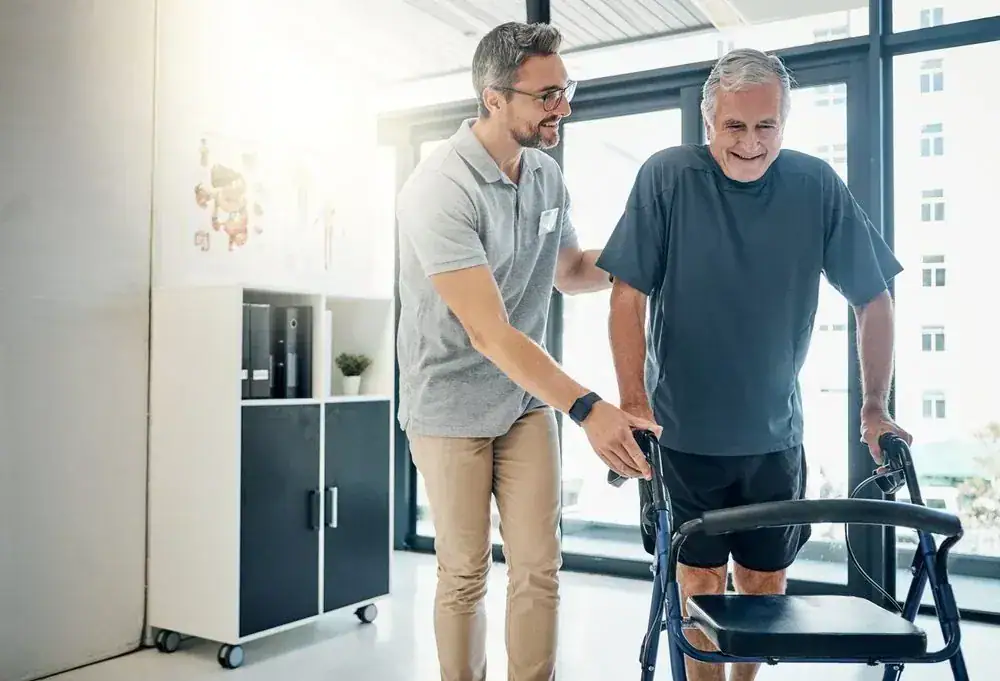
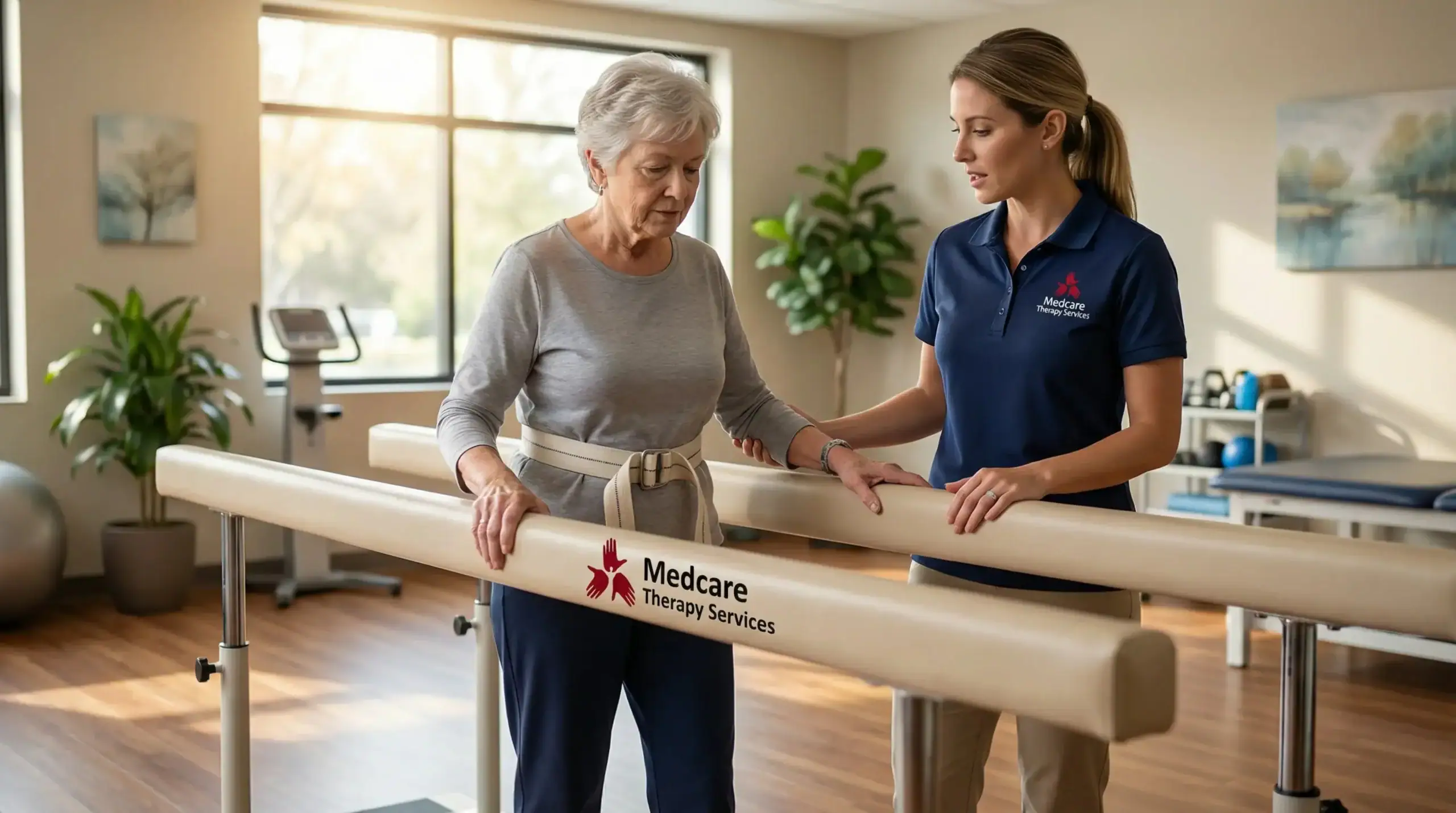
You stop second-guessing every step. Reaching for something on a shelf doesn’t feel risky anymore. Walking to the mailbox or getting up in the middle of the night becomes automatic again, not something you have to plan around.
That’s what better balance gives you. Not just fewer falls, but more freedom to move through your day without fear holding you back.
Falls aren’t just about getting hurt. They change how you see yourself. One fall can make you pull back from activities you love, avoid going out, or start relying on others more than you want to. But balance can improve at any age, and when it does, confidence comes back with it. You regain control over how you move, where you go, and how independently you live.
We’ve been helping people across Nassau County stay safe and independent in their own homes for over a decade. We bring physical and occupational therapy directly to you in Great Neck, Manhasset, Port Washington, Roslyn, and more than 50 other Long Island communities.
You’re not driving to appointments or sitting in a waiting room. Your therapist comes to your home, sees how you actually move through your space, and builds a plan around your real environment and your real life.
Great Neck has one of the highest concentrations of seniors on Long Island. Nearly one in five residents here is over 65, and many live in multi-level homes or older buildings where stairs, rugs, and layout can increase fall risk. We understand what you’re dealing with because we’ve been working in these neighborhoods for years.
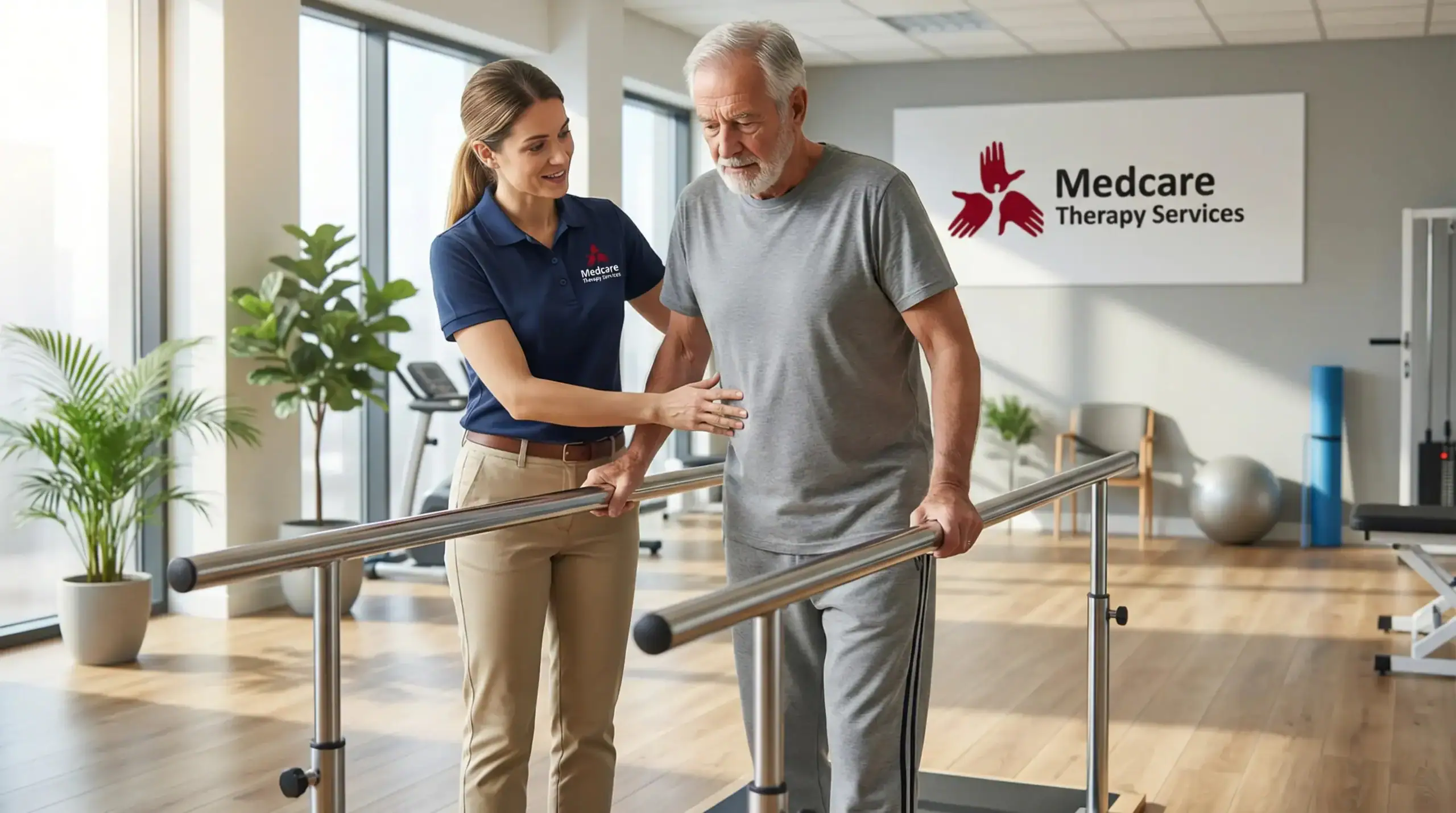
It starts with an in-home assessment. Your physical therapist evaluates your strength, posture, gait, and reflexes. They also look at your home setup, your footwear, your medications, and any recent falls or close calls. This isn’t a generic checklist. It’s a full picture of what’s affecting your balance right now.
From there, you get a customized treatment plan. That might include strength training to support your legs and core, balance exercises that challenge your stability in safe ways, and gait training to improve how you walk. Your therapist will also recommend changes to your home environment, like removing tripping hazards, improving lighting, or adding grab bars where they’ll actually help.
Sessions happen in your home, on your schedule. You’ll work with the same therapist who knows your progress and adjusts your plan as you improve. Most patients see real improvement within six visits. And because this is skilled therapy, it’s typically covered by Medicare and most insurance plans.

Ready to get started?
You’re not just doing generic exercises. Every part of your program is built around your specific risks, your goals, and the layout of your home. That includes muscle strengthening, balance and gait training, and a full review of environmental safety.
In Great Neck, where many homes have stairs, narrow hallways, or older construction, small changes can make a big difference. Your therapist will walk through your space and point out risks you might not notice, like loose rugs, poor lighting near steps, or furniture placement that forces you to reach or twist awkwardly.
You’ll also learn how your medications, vision, or other health conditions might be affecting your balance. Falls don’t happen for one reason. They happen when multiple risk factors stack up. Our job is to reduce as many of those risks as possible so you can move confidently again. And because we come to you, there’s no transportation barrier, no waiting room, and no need to navigate an unfamiliar clinic when you’re already unsteady.
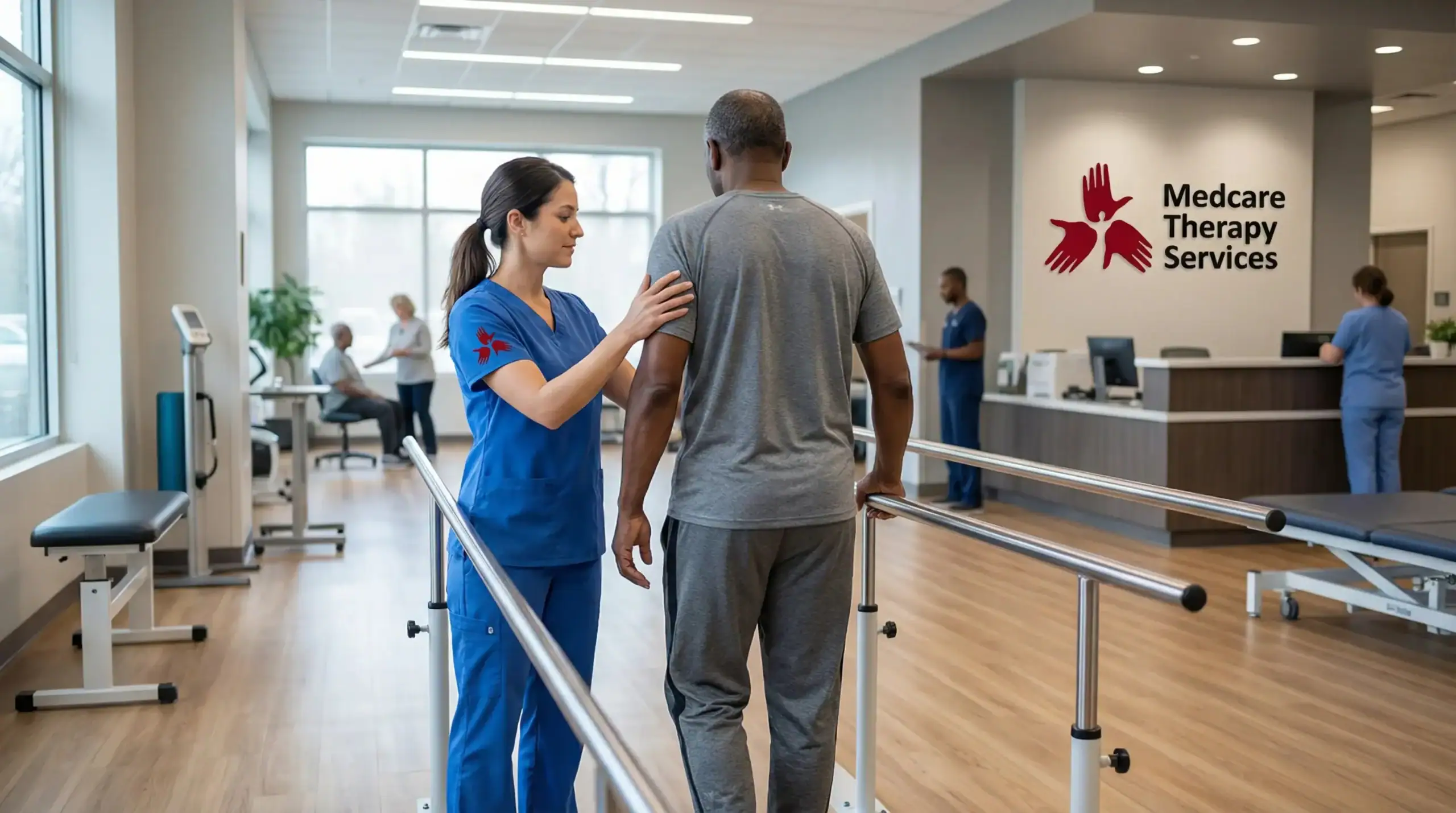
If you’ve fallen in the past year, you’re at higher risk. But even if you haven’t, there are warning signs worth paying attention to.
Do you feel unsteady when you stand up or turn around? Do you grab onto furniture or walls when you walk? Have you started avoiding certain activities because you’re worried about losing your balance? Those are all signs that your balance isn’t what it used to be. And if you’re over 65, your risk goes up naturally because your vestibular system, which controls balance, weakens with age.
One fall doubles your chances of falling again. So even if your last fall felt like a fluke, it’s worth taking seriously. A quick in-home assessment can tell you exactly where your risks are and what you can do about them before another fall happens.
Your therapist sees how you actually live. They’re not guessing what your home looks like or what challenges you face when you’re alone. They’re right there with you, watching how you navigate your kitchen, your bathroom, your stairs.
That means the exercises and recommendations are specific to your real environment, not a generic therapy gym. If your bedroom is upstairs and the bathroom is down the hall, your therapist builds that into your plan. If you have thick rugs, dim lighting, or a step down into your living room, they’ll address it.
And there’s no transportation barrier. You don’t have to arrange a ride, worry about parking, or feel anxious about getting to and from appointments. For people who already feel unsteady, that alone can make the difference between getting help and putting it off.
In most cases, yes. Fall prevention through skilled physical therapy is covered by Medicare and most major insurance plans, as long as it’s medically necessary and prescribed by your doctor.
We handle the verification and billing directly, so you’re not stuck figuring out coverage on your own. During your first call, we’ll confirm your benefits and let you know what to expect. There are no surprise bills or hidden costs.
If you’re not sure whether you qualify, just ask. We’ve worked with Medicare and private insurance for over a decade, and we’ll walk you through the process step by step. The goal is to make this as easy as possible so you can focus on getting stronger, not dealing with paperwork.
Most people notice a difference within six visits. That might mean feeling steadier on your feet, moving with more confidence, or just not thinking about falling every time you stand up.
But everyone’s timeline is different. If you’re recovering from a recent fall or dealing with other health conditions, it might take a little longer. If you’re relatively active but just need some targeted balance work, you might improve faster.
Your therapist will track your progress at every session and adjust your plan based on how you’re responding. The goal isn’t to rush through a set number of visits. It’s to get you to a place where you feel safe and confident moving through your home and your community again.
That’s exactly why this program exists. Falling once doubles your risk of falling again, so if you’ve already had multiple falls, your risk is even higher. But that also means there’s a lot we can do to reduce it.
We’ll start by figuring out why the falls are happening. Is it muscle weakness? Poor balance? Vision issues? Medication side effects? Environmental hazards? Usually it’s a combination. Once we know what’s contributing, we can build a plan that addresses each factor.
You’re not too old or too far gone to improve. Balance training works at any age, and even small improvements can make a big difference in your day-to-day safety. The key is starting now, before another fall happens.
No. Prevention is just as important as recovery, and in many ways, it’s smarter. If you’re starting to feel unsteady, or if you’ve had a close call that scared you, that’s the right time to get help.
You don’t have to wait until you’re hurt to take action. In fact, the earlier you start, the easier it is to build strength and stability before a serious fall happens. We work with people at all stages, whether you’re recovering from a fall, trying to prevent one, or just want to feel more confident as you age.
If you’re noticing changes in your balance, or if your doctor has mentioned fall risk, don’t wait. An assessment takes less than an hour, and it gives you a clear picture of where you stand and what you can do to stay safe.
Other Services we provide in Great Neck