
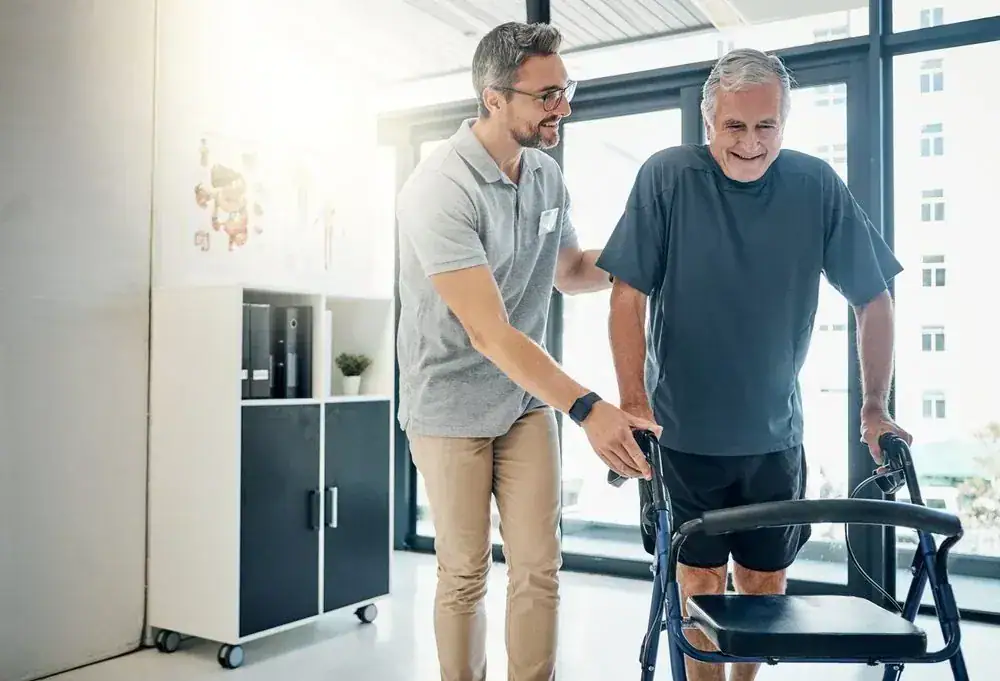
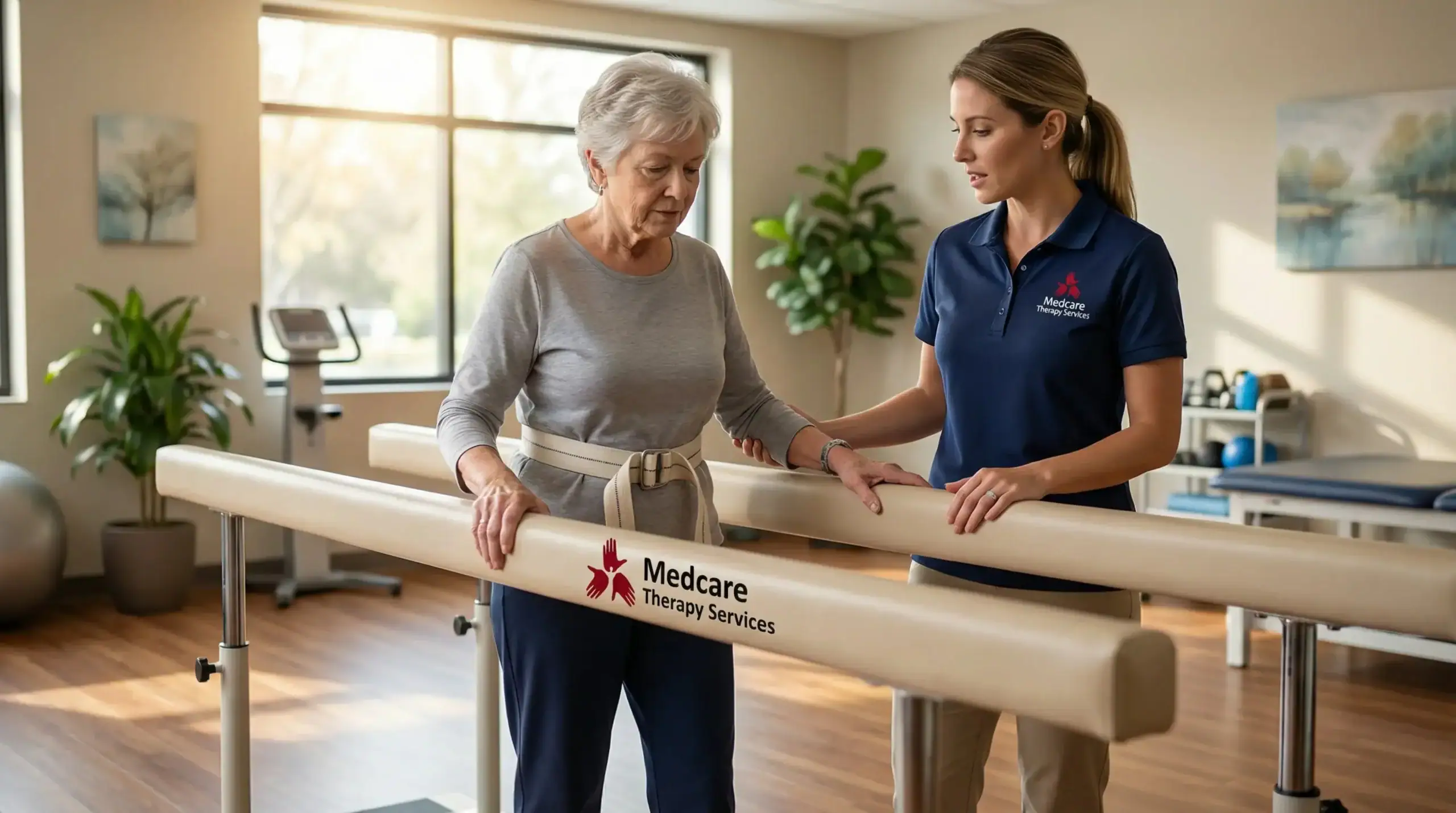
You shouldn’t have to think twice before walking to the bathroom at night. You shouldn’t avoid your basement or skip social plans because you’re worried about losing your balance.
Fall prevention isn’t about bubble-wrapping your life. It’s about rebuilding the strength, coordination, and confidence that let you move freely again.
When you work with a physical therapist who understands elderly fall prevention, you’re not just doing generic exercises. You’re addressing the specific reasons your balance has changed—whether that’s muscle weakness, medication side effects, vision changes, or lingering fear from a previous fall.
The outcome isn’t just fewer falls. It’s getting back to your routine. Cooking without holding the counter. Walking your dog around the neighborhood. Visiting family without someone hovering next to you the entire time.
That’s what balance exercises for seniors are designed to do—give you back the freedom to live in your own home on your own terms.
We’ve been serving Glenwood Landing, Glen Cove, Great Neck, and the surrounding Nassau County communities for years. We’re not a corporate chain. We’re licensed physical therapists who live and work on Long Island, and we understand what seniors in this area are dealing with.
Many of the homes here have stairs, narrow hallways, and older layouts that weren’t designed with aging in place in mind. We see it every day. That’s why our fall prevention programs don’t just focus on exercises—we look at your actual environment and help you navigate it safely.
We accept Medicare, Medicaid, and most major insurance plans, so accessing care doesn’t become another barrier. And because we manage multiple locations across Long Island, you’re working with a team that’s accountable, accessible, and committed to keeping your information secure and your care consistent.
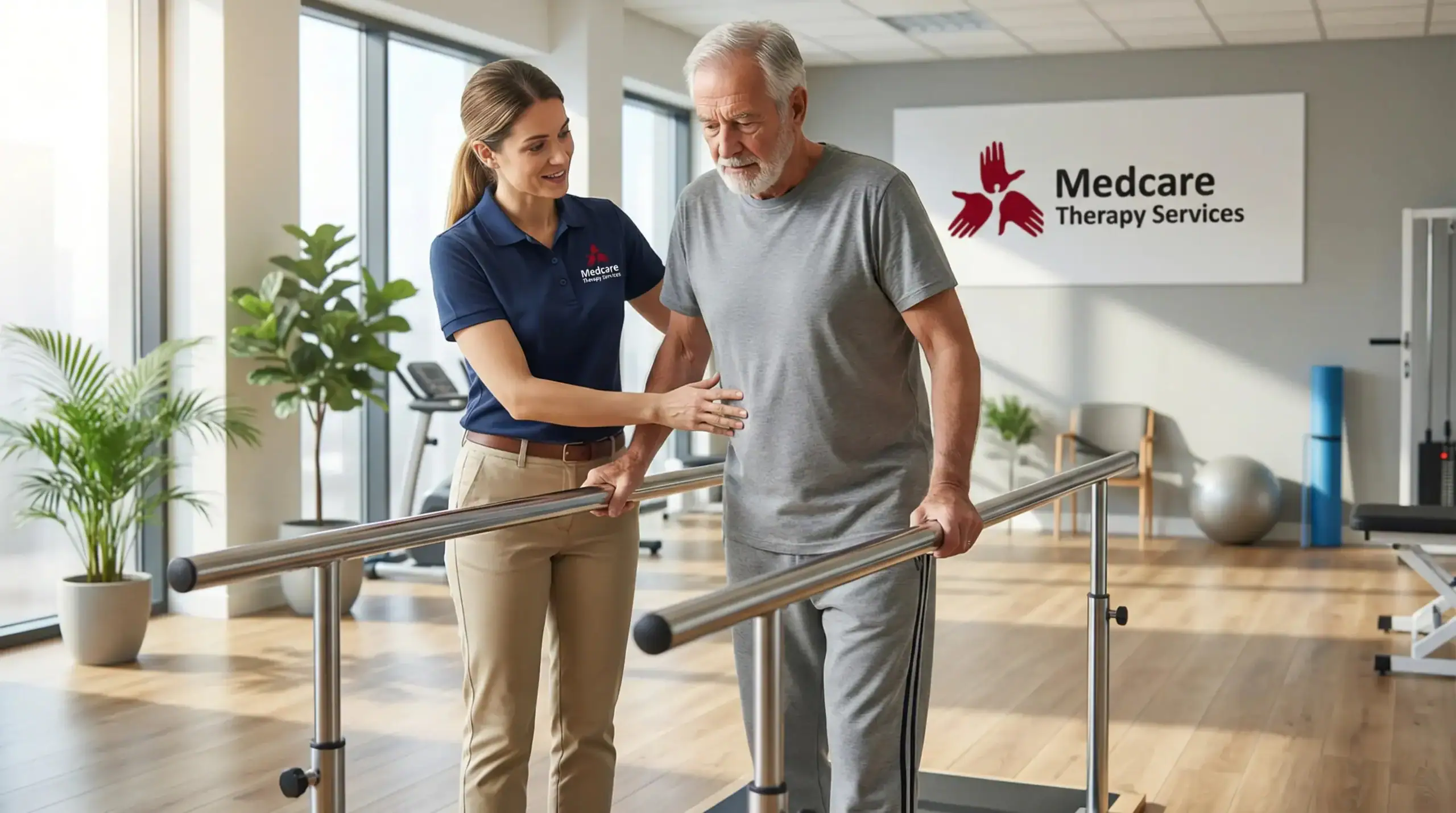
First, we assess where you’re actually at. That means testing your balance, strength, gait, and reaction time. We also review your medications, your medical history, and any previous falls. This isn’t a cookie-cutter checklist—it’s a real conversation about what’s happening in your day-to-day life.
From there, we build a personalized plan. That might include senior balance exercises to improve your stability, strength training to support your legs and core, and coordination drills that help you react faster if you start to lose your footing.
We also evaluate your home environment. Are there loose rugs? Poor lighting? Clutter in walkways? We’ll talk through practical modifications that make a measurable difference.
Sessions are hands-on. You’re not handed a printout and sent home. You’re working directly with a licensed physical therapist who adjusts your program as you improve, answers your questions, and makes sure you’re doing each exercise correctly.
Over time, you’ll notice the difference—not just in how you move, but in how you feel. Less hesitation. More confidence. Fewer close calls.

Ready to get started?
You’re getting a full fall risk assessment that looks at intrinsic factors like muscle strength, joint mobility, and chronic conditions, plus extrinsic factors like footwear, home hazards, and medication side effects.
You’re getting a customized exercise program that includes balancing exercises, endurance training, and flexibility work. These aren’t random movements—they’re evidence-based protocols designed to improve reaction time, coordination, and the strength you need to catch yourself if you stumble.
You’re also getting education. We’ll show your family members how to support you without hovering. We’ll teach you how to get up safely if you do fall. And we’ll coordinate with your doctor if we spot medication interactions or health issues that increase your risk.
In Glenwood Landing and across Nassau County, many seniors are living independently in homes they’ve owned for decades. That’s exactly who this program is built for—people who want to age in place safely, without giving up their autonomy or moving into assisted living before they’re ready.
The goal isn’t to make you dependent on therapy. It’s to make you independent, period.
If you’ve fallen in the past year, you need it. Falling once doubles your chance of falling again, and every fall increases your risk of serious injury like a hip fracture.
But you don’t have to wait until you’ve actually hit the ground. If you’re feeling unsteady when you walk, grabbing onto furniture more than you used to, or avoiding certain activities because you’re nervous about losing your balance, those are signs your body needs help.
Other red flags: you’re taking four or more medications, you’ve noticed changes in your vision or hearing, you have chronic conditions like arthritis or diabetes, or you’re dealing with muscle weakness or joint pain. Even fear of falling counts—it leads to less activity, which leads to weaker muscles, which leads to higher fall risk. It’s a cycle, and physical therapy breaks it.
Yes, in most cases. Medicare Part B covers physical therapy when it’s medically necessary, and fall prevention absolutely qualifies if you’ve had a fall or your doctor identifies you as high-risk.
You’ll need a referral or prescription from your physician, but once that’s in place, Medicare typically covers the evaluation and treatment sessions. There may be a copay depending on your plan, but the cost of therapy is a fraction of what you’d pay for a fall-related hospitalization—which averages over $34,000.
We also accept Medicaid and most major insurance plans, and our team can help you understand your coverage before you start. The goal is to make this accessible, not complicated. If cost is a concern, bring it up during your first call. We’d rather work with you on a solution than have you skip care because you’re worried about the bill.
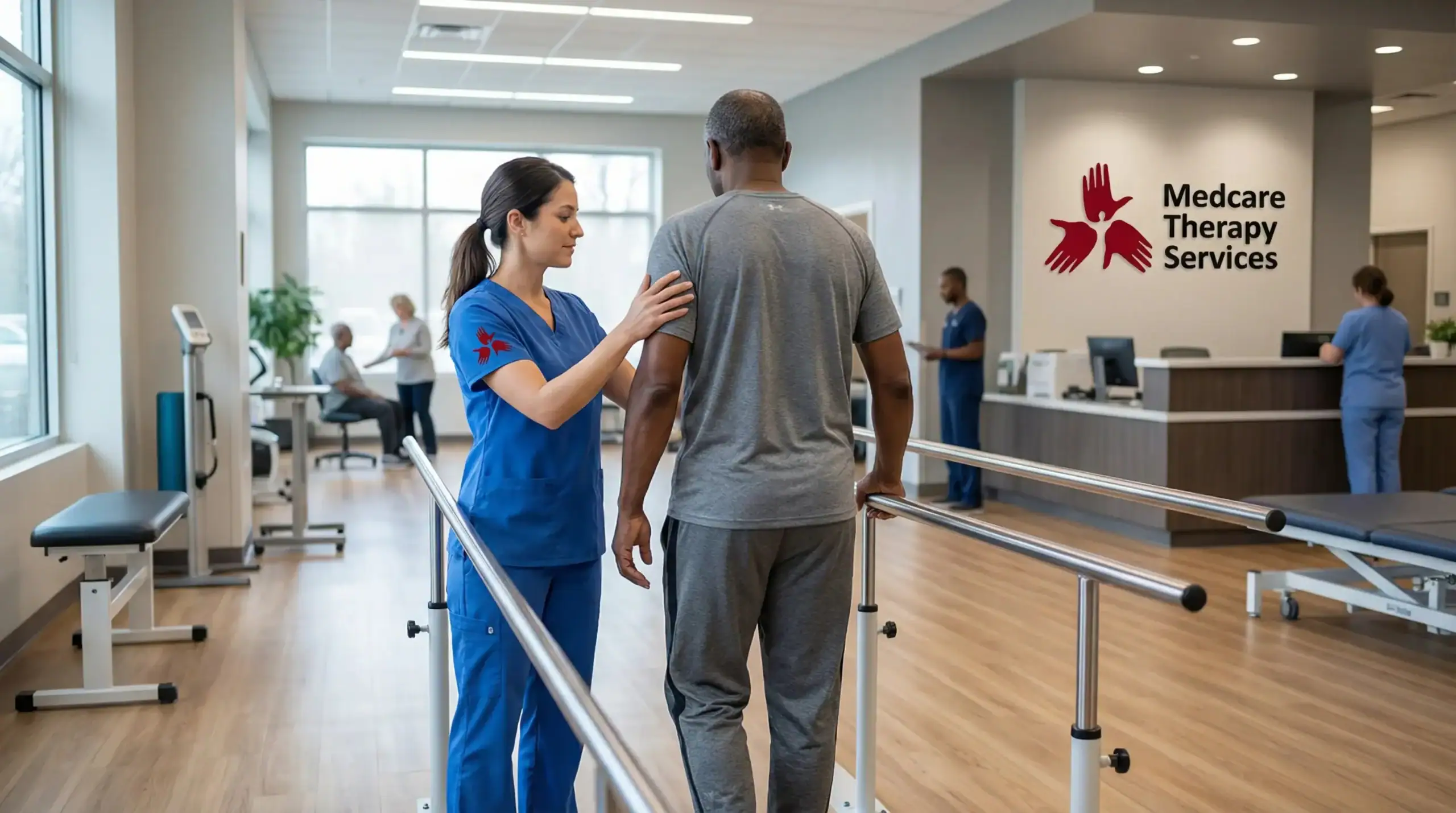
It depends on where you’re starting from. If your balance is significantly impaired, we might begin with seated exercises or supported movements using a chair or parallel bars. As you get stronger, we progress to standing exercises, weight shifts, and dynamic movements that mimic real-life situations.
Common exercises include single-leg stands, heel-to-toe walking, step-ups, and controlled weight transfers. We also incorporate strength training for your legs, hips, and core, because those muscles are what keep you upright when your balance is challenged.
You’ll also do reaction drills—exercises that teach your body to respond quickly if you start to tip. And we’ll work on flexibility, because tight muscles limit your range of motion and make it harder to recover from a stumble. Every exercise is tailored to your ability level and adjusted as you improve. You’re never doing something that feels unsafe or too advanced.
Most people start noticing improvements within a few weeks, but the timeline depends on your baseline strength, balance, and overall health. If you’re relatively active and just need some fine-tuning, you might see results faster. If you’re recovering from a fall or dealing with multiple chronic conditions, it may take a bit longer.
Typically, a fall prevention program runs anywhere from 6 to 12 weeks, with sessions two to three times per week. But this isn’t a rigid schedule—your therapist will adjust based on your progress.
The key is consistency. Showing up to your sessions and doing the home exercises we give you makes a huge difference. This isn’t passive treatment where someone does something to you and you walk away. You’re actively rebuilding your strength and coordination, and that takes repetition. But the payoff—being able to move confidently and independently—is worth every session.
Yes, but only if you’re willing to address both the physical and environmental factors. Physical therapy improves your strength, balance, and reaction time, which are the internal reasons people fall. But 60% of falls happen at home because of external hazards—loose rugs, poor lighting, clutter, uneven surfaces.
That’s why our fall prevention program includes a home safety evaluation. We’ll walk through your space and identify risks you might not even notice anymore. Simple changes like adding grab bars in the bathroom, improving lighting in hallways, or removing tripping hazards can cut your fall risk significantly.
Combine that with a structured exercise program that builds the muscle and coordination you need to catch yourself, and yes—you can absolutely reduce your fall risk. Research shows that balance training is the single most effective intervention for preventing falls in older adults. It works. But it works best when you take it seriously and follow through.
First, falling during therapy doesn’t mean the program isn’t working. Sometimes falls happen as you’re rebuilding strength, especially if you’re pushing yourself to be more active. What matters is how we respond.
If you fall, tell your therapist immediately. We’ll reassess your balance, adjust your exercises, and figure out what caused the fall—was it an environmental hazard, a medication issue, a moment of dizziness, or something else? Then we address it.
We’ll also teach you how to fall safely and how to get up from the ground without injuring yourself. That might sound strange, but knowing how to protect your head and how to roll to your side and push yourself up can prevent a bad fall from becoming a catastrophic one. The goal is to keep you safe while you’re getting stronger—and to make sure that if a fall does happen, you know exactly what to do.
Other Services we provide in Glenwood Landing