
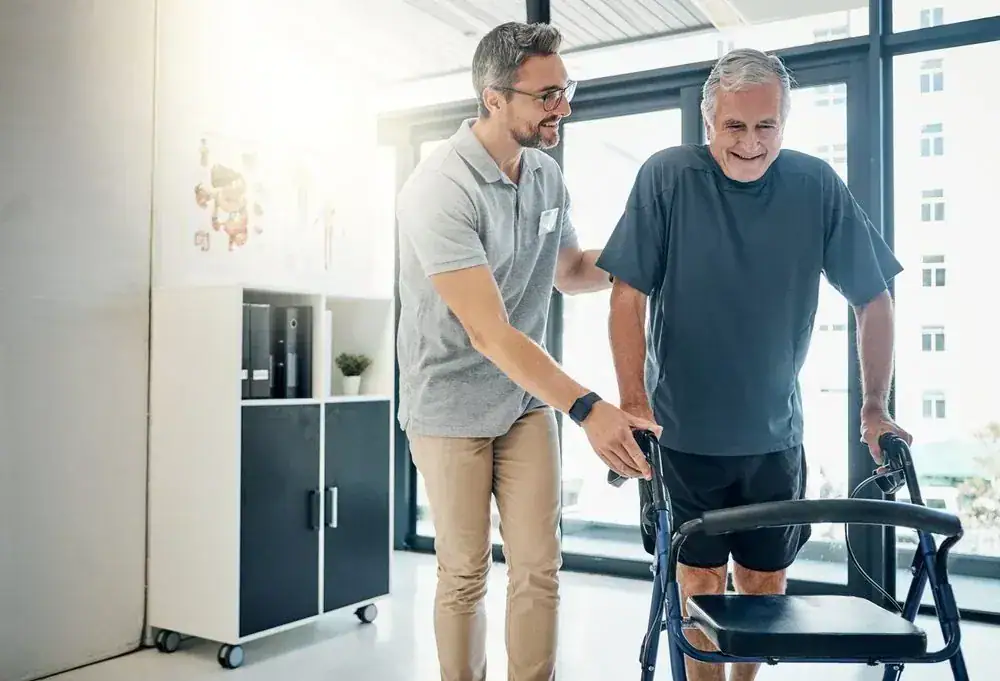
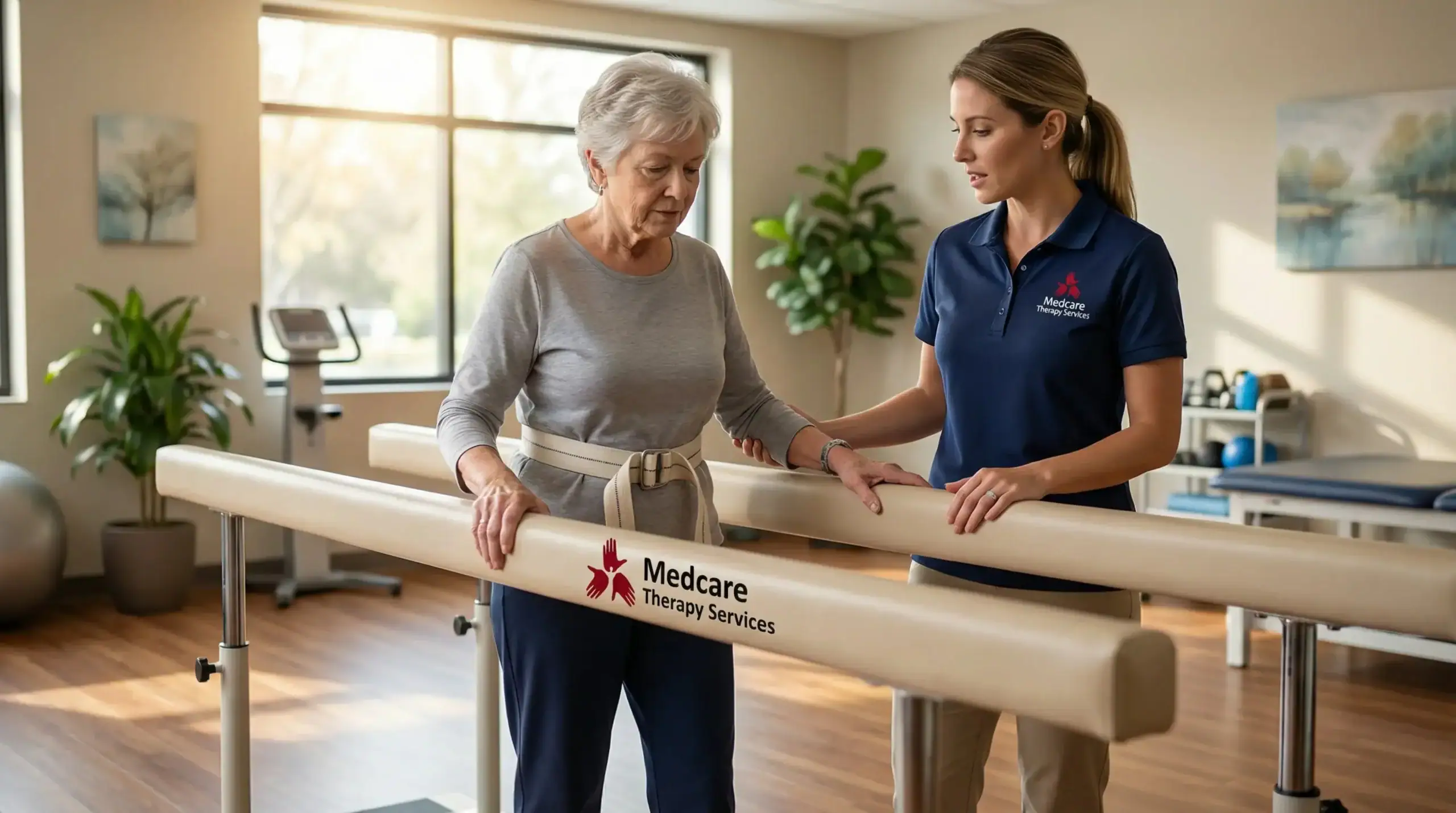
You stop planning your day around what feels safe. You walk to the mailbox without gripping the railing. You get up at night without that split-second panic.
That’s what better balance actually looks like. Not just stronger legs or steadier steps—though you get those too. It’s the return of normal movement. The kind where you’re not constantly calculating risk or asking someone else to grab something for you.
Most people who start balance training notice improvements within four to six weeks. Your walking speed picks up. Your confidence follows. And the fear that’s been sitting in the back of your mind starts to fade because your body is proving it can handle more than you thought.
This isn’t about preventing every possible fall. It’s about reducing your risk by 30% to 35%, which is what the research shows when you combine strength work with balance exercises. That’s a real, measurable difference in how you move through your day.
We’ve been treating Long Island seniors in their homes for over a decade. We work with people in Gilgo, NY, Babylon, West Islip, Bay Shore, and across Nassau and Suffolk counties—communities where fall rates are higher than almost anywhere else in New York.
Our therapists are trained in Otago fall prevention protocols, which means your program is built around what actually works, not guesswork. We assess your medical history, your current limitations, and your specific fall risk factors. Then we design a program that fits your body and your goals.
We accept Medicare and most commercial insurance. Everything happens in your home, so there’s no transportation barrier and no waiting room. You get one-on-one attention from a licensed physical or occupational therapist who treats you like a person, not a case number.
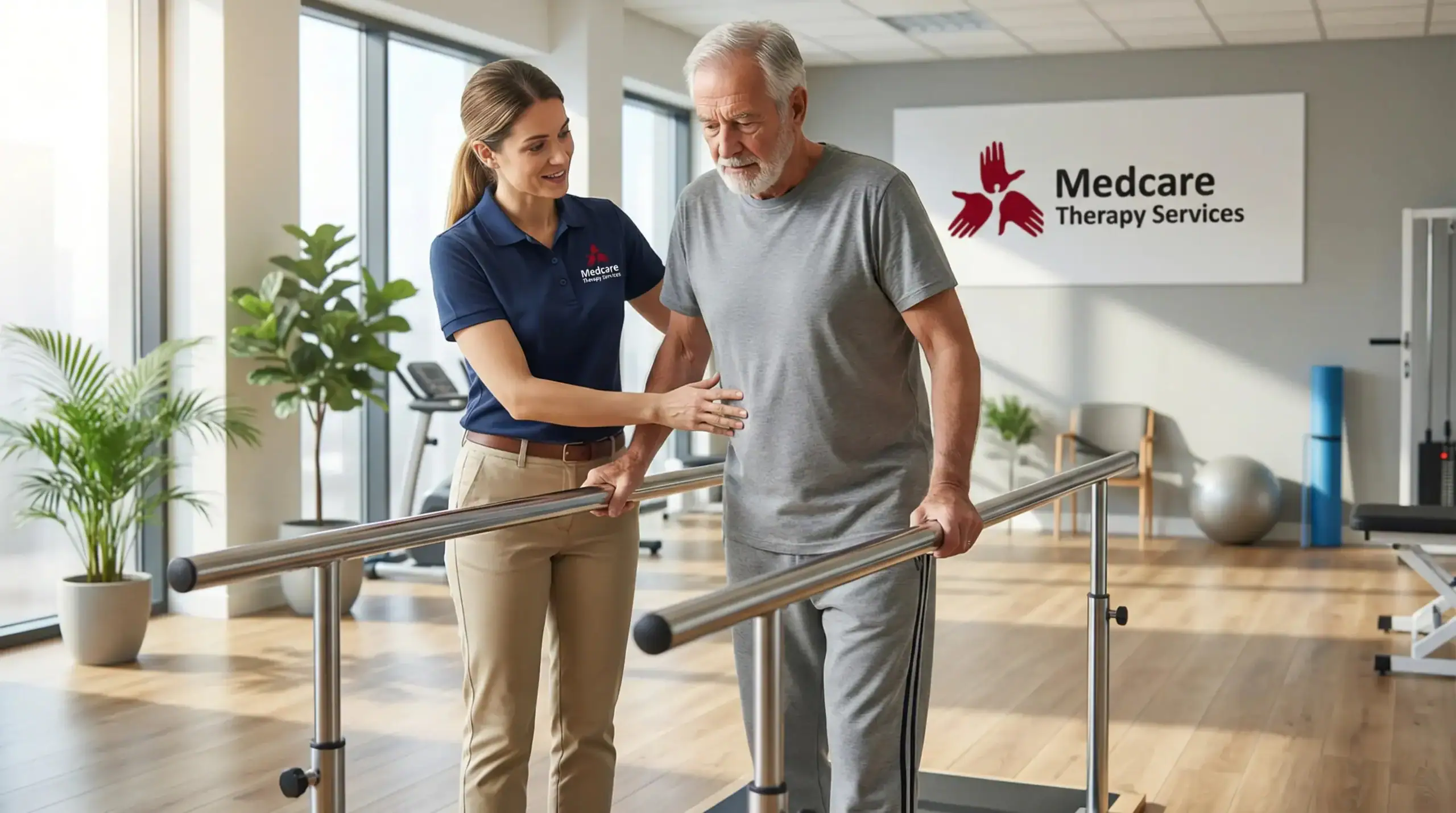
First, we come to your home and do a full evaluation. We look at your balance, your gait, your strength, and any environmental factors that might increase your fall risk. We talk about your medical history, medications, past falls, and what you want to be able to do again.
Then we build your program. Most plans combine balance exercises with strength training—especially for your legs and core—because that combination is what reduces fall risk the most. We also work on gait training if your walking pattern needs adjustment, and we’ll recommend home modifications if we see hazards.
You’ll typically have sessions two to three times per week. Each one is about 45 minutes to an hour. Your therapist guides you through exercises, tracks your progress, and adjusts the program as you get stronger. Most people start seeing real improvements around the one-month mark.
After eight to twelve weeks, you’ll have a solid foundation. At that point, many people transition to a maintenance routine they can do on their own. But we’re available if you need a tune-up or if something changes down the road.

Ready to get started?
Your fall prevention program includes a personalized mix of balance exercises, strength training, and gait work. Balance exercises might include standing on one leg, weight shifts, or controlled movements that challenge your stability. Strength training focuses on your legs, hips, and core—the muscle groups that keep you upright.
If you’ve already fallen, we address that too. A lot of people develop a fear of falling after one or two incidents, and that fear makes you move less, which makes you weaker, which increases your fall risk. We work on rebuilding your confidence alongside your physical ability.
Here’s something specific to Long Island: Nassau and Suffolk counties rank fourth and fifth in New York State for fall-related incidents among seniors. In Nassau County alone, 88% of injury hospitalizations for adults over 65 are due to falls. That’s not a scare tactic—it’s context. You’re not overreacting by looking into this. You’re responding to a real, local risk.
We also look at medications, because things like sedatives and tranquilizers affect balance. And we’ll talk through your home setup—lighting, rugs, clutter, bathroom safety—because most falls happen at home, and a lot of them are preventable with small changes.
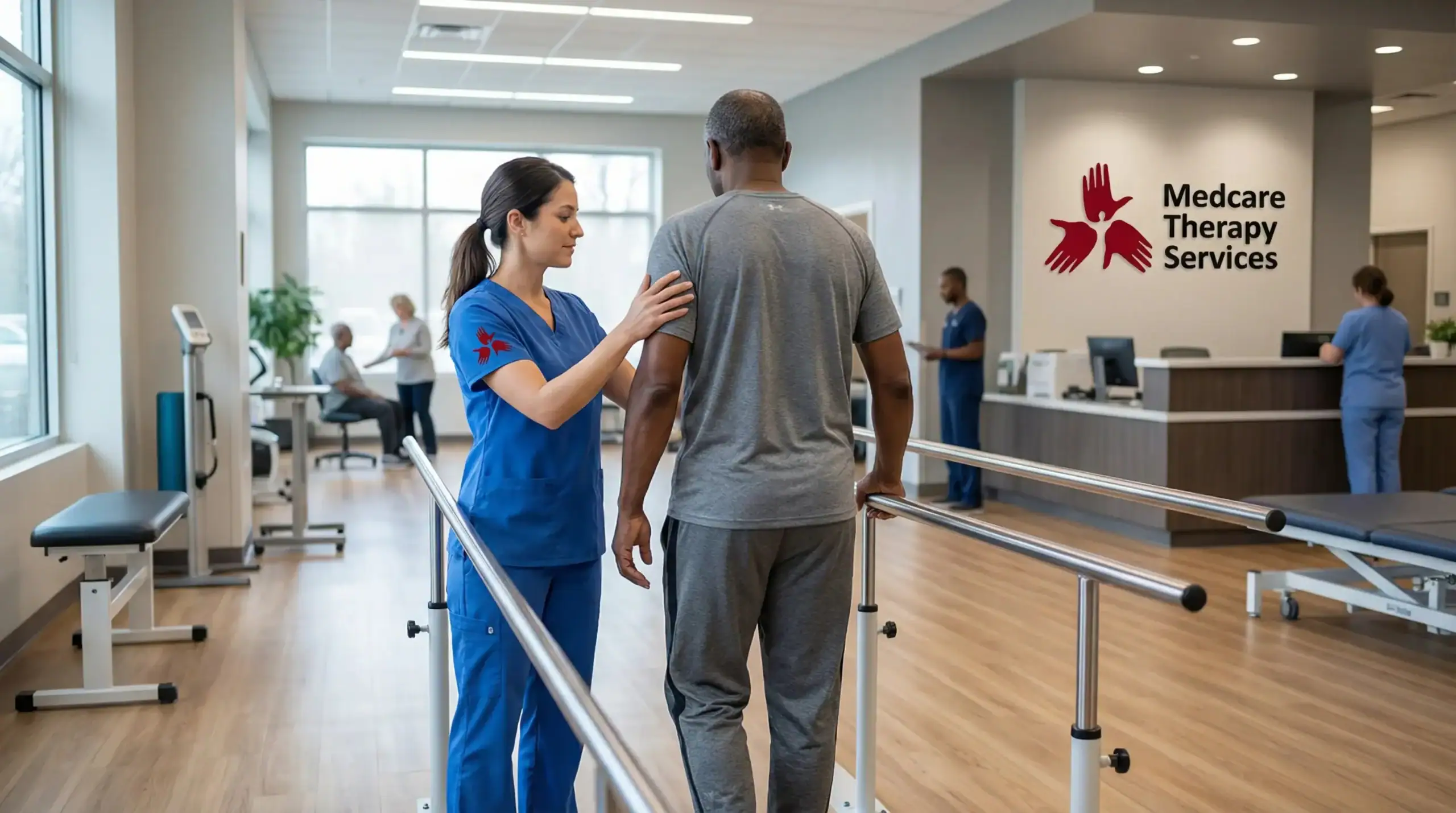
Most people notice a difference within four to six weeks if they’re consistent with their sessions. That’s when you start to feel steadier on your feet, walk a little faster, and move with less hesitation.
Maximum benefit usually comes around the eight-to-twelve-week mark. That’s when strength gains really show up and your balance becomes more automatic. You’re not thinking about every step anymore—you’re just moving.
The timeline depends on where you’re starting from. If you’ve had multiple falls or haven’t been active in a while, it might take a bit longer. If you’re catching this early, you might progress faster. Either way, the key is showing up and doing the work between sessions.
Yes. Medicare Part B covers outpatient physical therapy when it’s medically necessary, and fall prevention absolutely qualifies if you’re at risk or have already fallen. You’ll need a referral from your doctor in most cases.
We accept Medicare and handle the billing directly. You’re responsible for your standard copay or coinsurance, but there’s no upfront cost beyond that. We also accept most commercial insurance plans, so if you have supplemental coverage, that often reduces your out-of-pocket even further.
If you’re not sure about your specific coverage, call us. We can verify your benefits before your first session so there are no surprises. We’ve been doing this since 2010, so we know how to navigate the insurance side and keep it simple for you.
The most effective programs combine balance training with strength work. Balance exercises alone help, but they’re not enough. You need strong legs and a strong core to catch yourself when your balance gets challenged.
Research shows that multicomponent exercise programs—meaning balance plus strength—reduce fall risk by 30% to 35%. That’s a significant drop. Programs that only focus on one thing don’t get the same results.
The other piece is consistency. You can’t do this once a week and expect major changes. Two to three sessions per week, plus some work on your own, is what moves the needle. And it has to be personalized. Your fall risk factors aren’t the same as someone else’s, so your program shouldn’t be either.
Yes, and for a lot of people, it works better than going to a clinic. You don’t have to arrange transportation, which is a big deal if driving makes you nervous or you don’t have someone available to take you. You’re also working in the environment where you actually move every day, so the exercises are more relevant.
We bring everything we need. Your therapist will use your furniture, your stairs, your actual living space to design exercises that translate directly to your daily routine. If you’re unsteady getting out of your chair, we work on that chair. If your bathroom setup is tricky, we address it right there.
In-home therapy is especially helpful if you’ve had a fall and you’re nervous about leaving the house. It meets you where you are—literally—and lets you build strength and confidence in a space that feels safe.
That’s exactly when you need to start. Multiple falls mean your risk is high, and it’s not going to get better on its own. The good news is that even if you’ve fallen several times, a structured program can still reduce your risk going forward.
We’ll start with a thorough assessment to figure out why you’re falling. Is it muscle weakness? Balance issues? Medication side effects? Vision problems? Environmental hazards? Usually it’s a combination. Once we know what’s contributing, we can address it.
You might feel like you’re too far gone or too weak to make progress, but that’s rarely true. We’ve worked with people who couldn’t stand without support and helped them regain independent movement. It takes time and effort, but it’s not too late.
Not usually. Most balance exercises use your body weight and things you already have at home—a sturdy chair, a countertop, a wall. Your therapist will bring anything else that’s needed, like resistance bands or small weights if your program calls for them.
The goal is to keep this practical. You’re not training for the Olympics. You’re training to move safely through your house, your yard, and your daily routine. That means the exercises need to be simple enough that you can do them on your own once you’ve learned them.
If there’s a specific piece of equipment that would help—like a grab bar in the bathroom or better lighting in a hallway—we’ll recommend it. But the exercises themselves don’t require a home gym or anything complicated.
Other Services we provide in Gilgo