
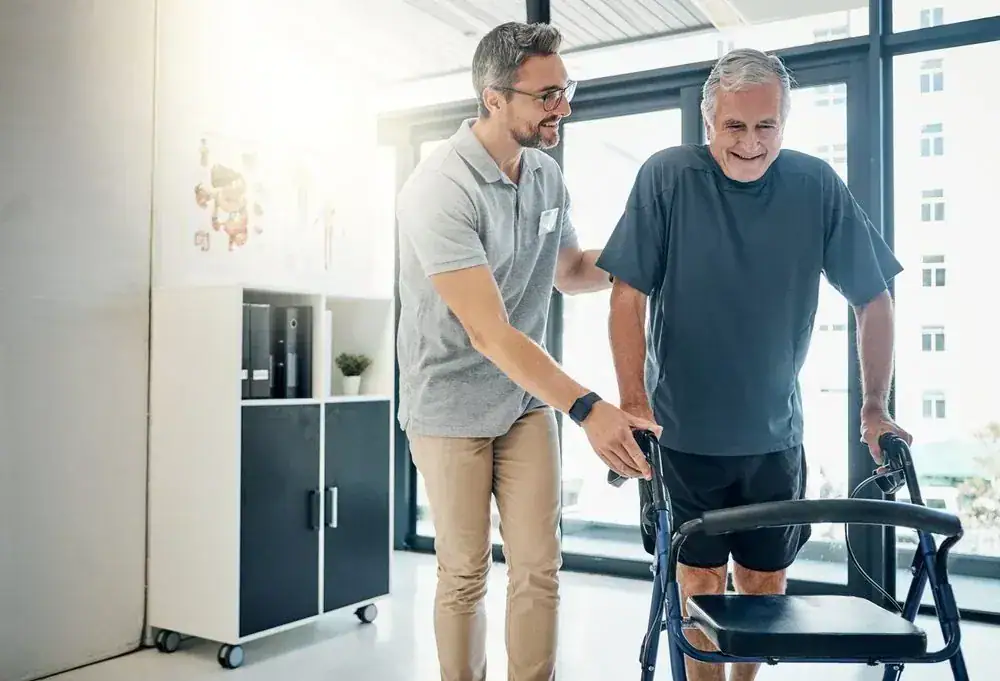
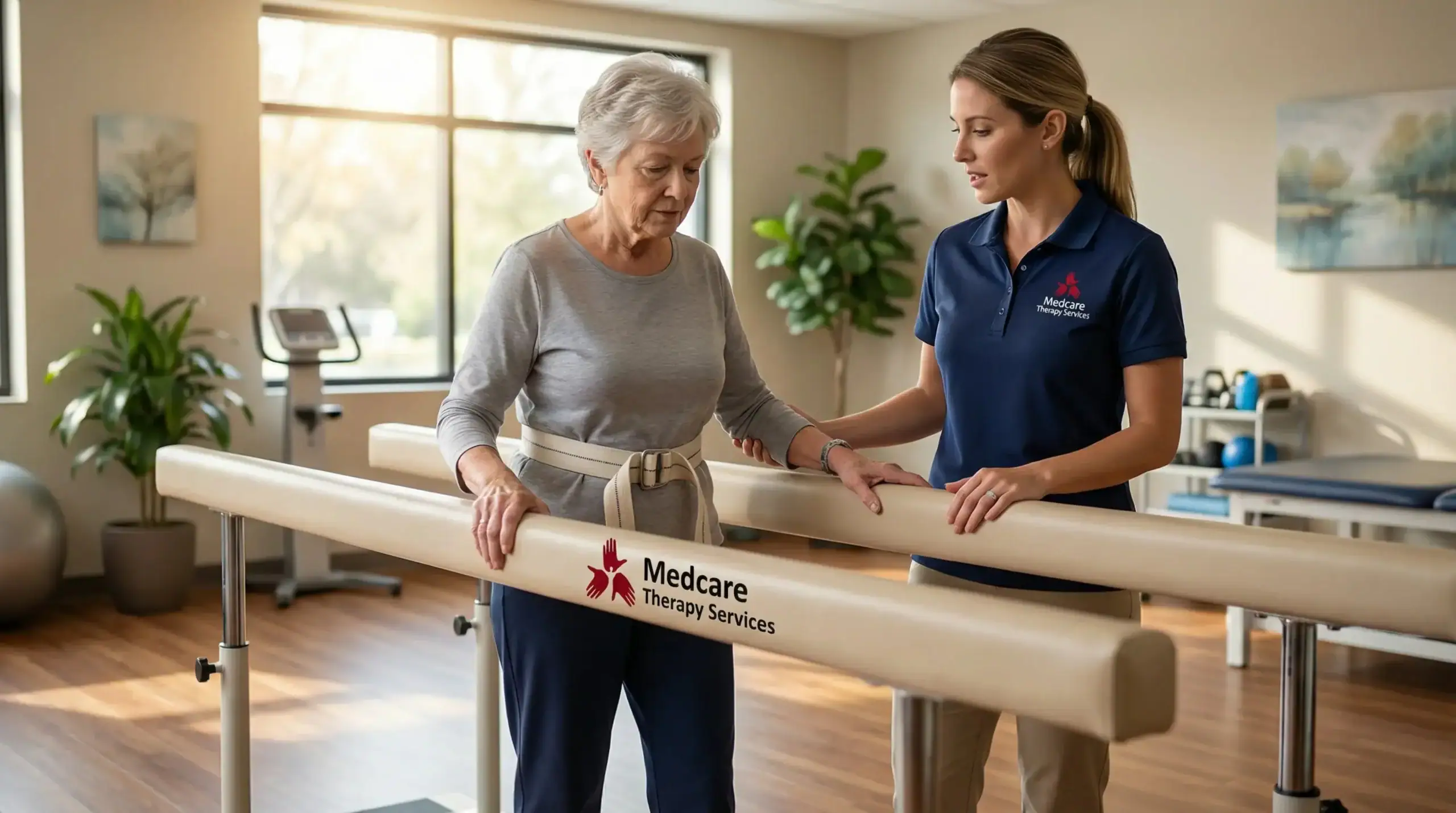
You stop planning your day around what’s safe and start doing what you want. That’s what happens when balance exercises for seniors actually work—when they’re built for your body, your home, and your specific risk factors.
Physical therapy for balance isn’t about generic stretches. It’s about identifying why you’re unsteady—whether that’s weak ankles, poor vision compensation, medication side effects, or fear from a previous fall—and addressing it directly. You get stronger in the movements that matter: standing from a chair, reaching for something on a shelf, walking on uneven pavement.
The goal isn’t just avoiding another trip to the ER. It’s getting back to the grocery store alone. Taking a walk without second-guessing every step. Staying in your own home as long as you choose to.
Falls aren’t inevitable. In Freeport and across Nassau County, one in three adults over 65 falls each year. But elderly fall prevention works when it’s personalized, consistent, and done where you actually live—not in a clinic you have to drive to twice a week.
We’ve been providing in-home physical therapy across Long Island since 2010. That’s over a decade of helping people in Freeport, Baldwin, Merrick, and surrounding Nassau County communities stay safe, strong, and independent.
We’re affiliated with Physical Therapy Associates of Smithtown and Speonk Physical Therapy—practices with even deeper roots on Long Island. This isn’t a new operation trying to figure things out. It’s an established network of licensed therapists who know the area, accept Medicare and most commercial insurance, and show up when we say we will.
You’re not a number here. Our therapists treat every patient like family, which means we take time to understand what’s actually going on—not just run through a standard protocol and leave. That approach matters when you’re working with someone in your own home, especially if you’ve had a fall or you’re afraid you might.
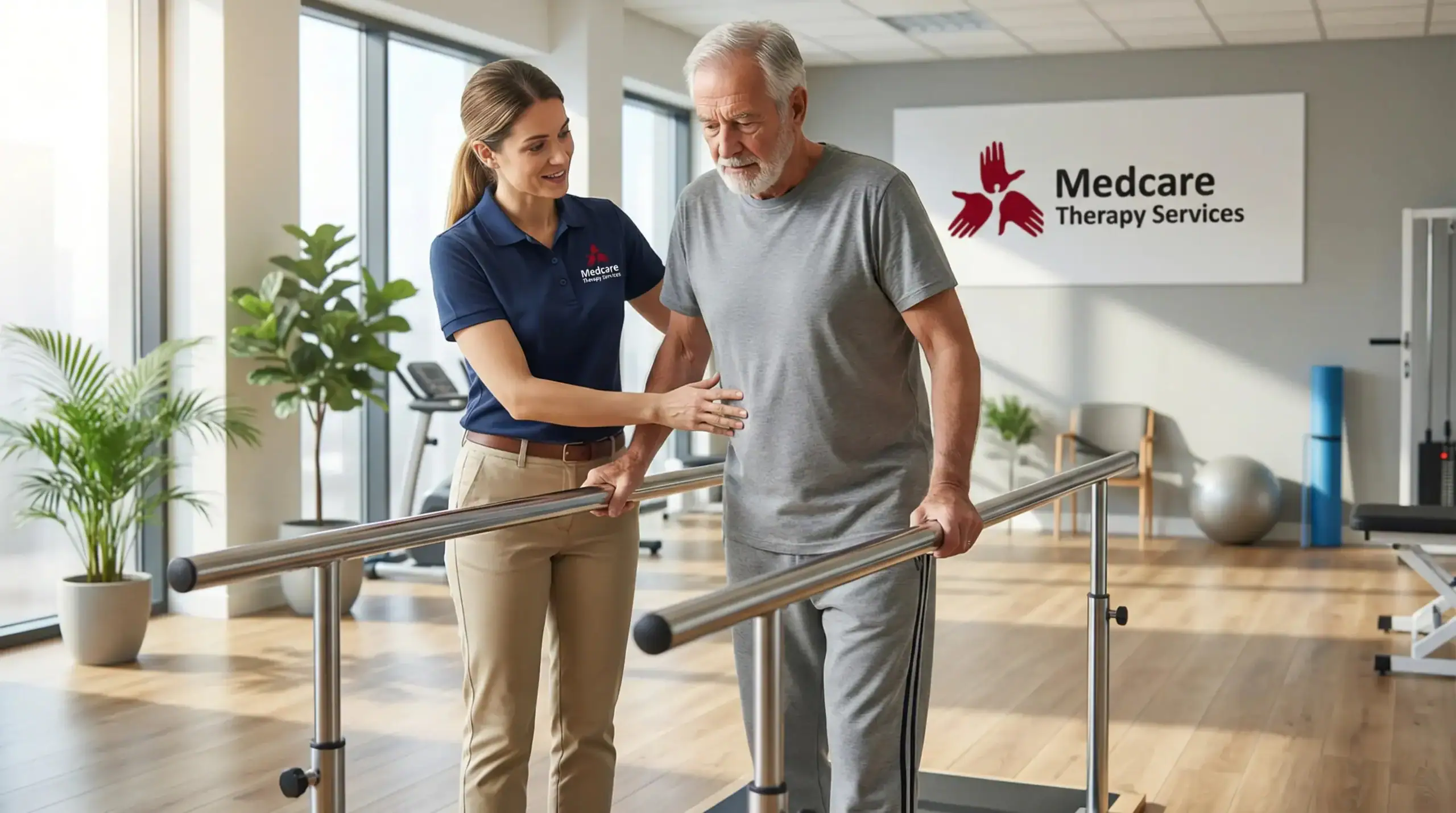
First, a licensed physical therapist comes to your home in Freeport for a full assessment. We’ll evaluate your balance, strength, gait, and mobility. We’ll also look at your environment—lighting, rugs, furniture placement, bathroom setup—because fall prevention in the elderly isn’t just about exercises. It’s about reducing risk everywhere.
From there, you get a personalized care plan. That might include senior balance exercises to strengthen your legs and core, coordination drills, and training on how to recover if you do start to lose your balance. It’s all done at your pace, in your space, with equipment you actually have.
Sessions happen in your home—no transportation required, no waiting rooms, no rushing to make an appointment across town. Your therapist will work with you one-on-one, adjust the plan as you improve, and keep your doctor in the loop. Most of our patients are covered by Medicare, and we accept nearly all commercial insurance.
You’ll know what to expect before the first visit. You’ll have a consistent therapist who learns your goals. And you’ll see progress that actually shows up in daily life—not just on a chart.
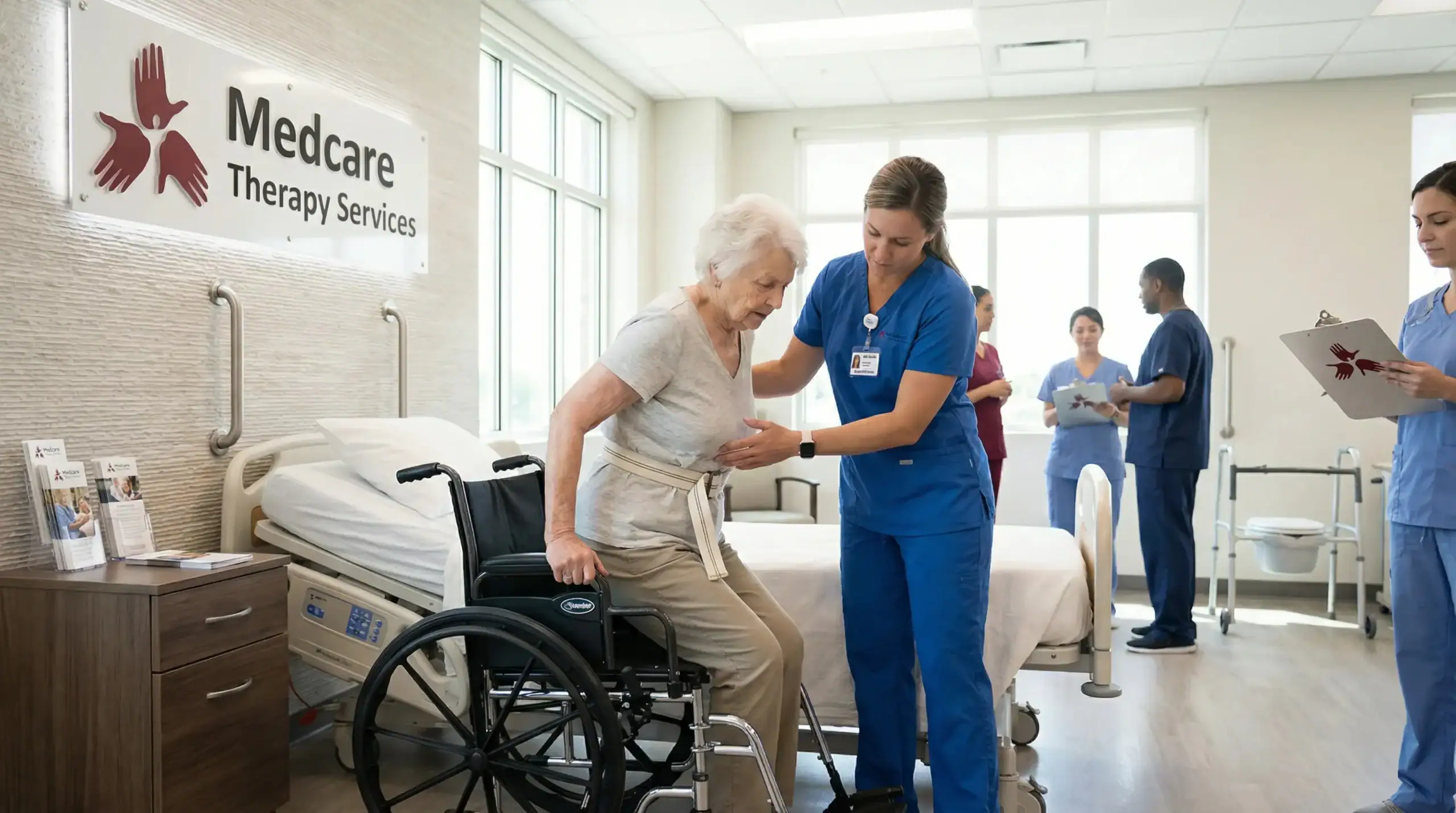
Ready to get started?
You get a comprehensive fall risk assessment that identifies your specific vulnerabilities. You get a customized exercise program targeting strength, flexibility, and coordination. And you get education—real, practical guidance on how to move safely, what warning signs to watch for, and how to modify your home to reduce hazards.
In Nassau County, where nearly 18% of residents are over 65, falls are the leading cause of injury-related hospitalizations among older adults. Freeport is no exception. But here’s what most people don’t realize: falling once doubles your chance of falling again. That’s why early intervention matters.
We also work with your family. If a spouse or adult child is involved in your care, we’ll teach them how to support your progress without taking over. The goal is always independence—yours.
We bring the equipment. We bring the expertise. And because we accept Medicare and most insurance plans, cost doesn’t have to be a barrier. If you’re struggling to get to a clinic, or if you’ve been putting off therapy because it felt too complicated, we remove those obstacles.
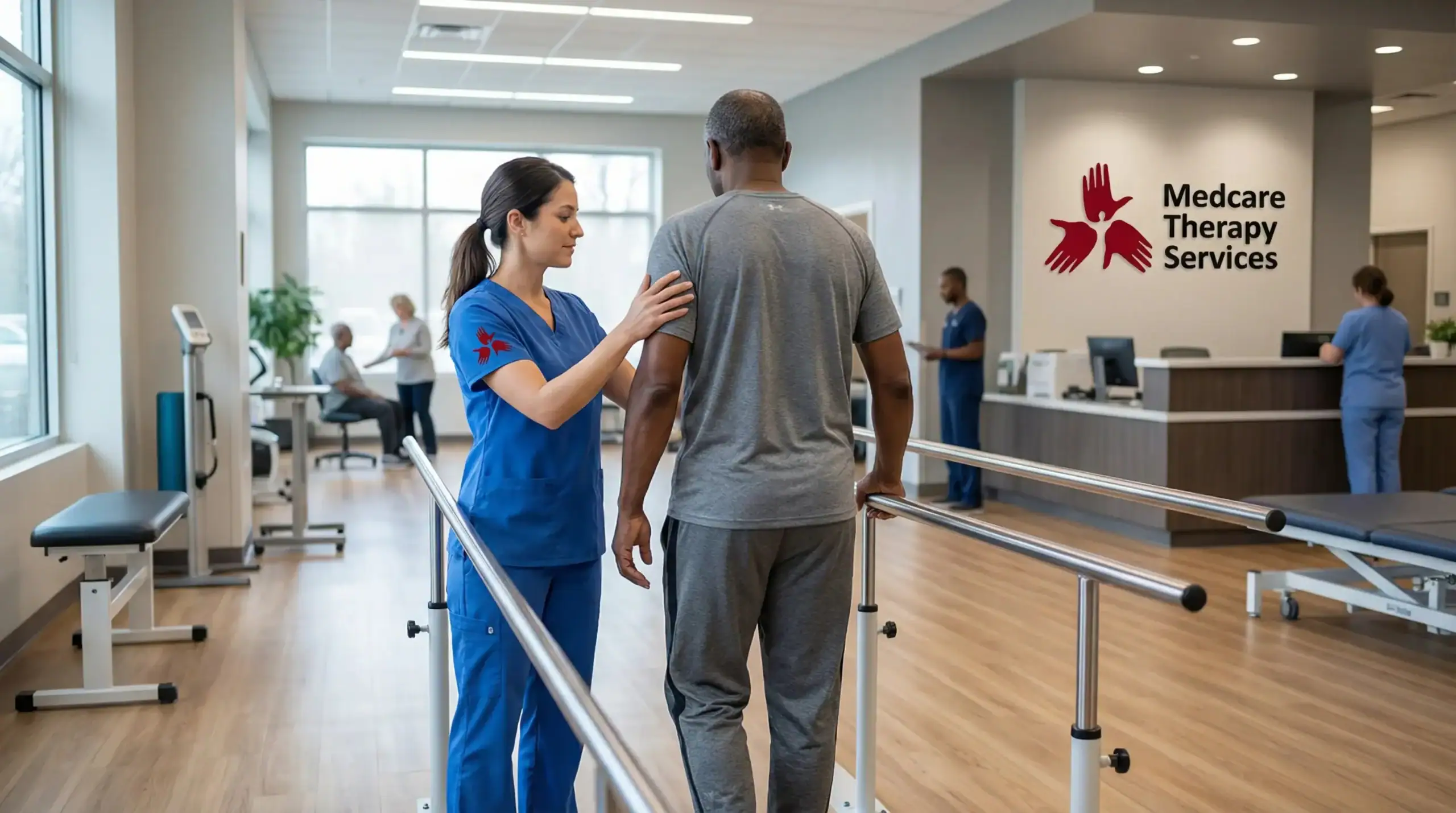
Yes. Medicare Part B covers outpatient physical therapy when it’s medically necessary, and that includes in-home fall prevention therapy. If your doctor orders it—and most will after a fall or if you’re at high risk—Medicare typically covers the service.
You’ll have a copay or coinsurance depending on your plan, but the therapy itself is a covered benefit. We handle the billing and work directly with Medicare, so you’re not navigating that process alone.
What matters is that the therapy is prescribed and delivered by a licensed professional. Our therapists are Medicare-certified, and we’ve been doing this since 2010. If you’re unsure about your specific coverage, we can verify your benefits before the first visit.
The most effective senior balance exercises are the ones that mimic real life. That means practicing standing from a chair without using your hands, walking heel-to-toe in a straight line, standing on one leg while holding a counter, and shifting your weight side to side.
Strength training matters too—especially for your legs, hips, and core. Weak muscles are one of the biggest fall risk factors. So you might do seated leg lifts, mini squats while holding onto something stable, or resistance band exercises tailored to your ability level.
But here’s the key: these exercises only work if they’re progressed correctly and done consistently. A physical therapist will start where you are—not where a generic program assumes you should be—and build from there. That’s the difference between exercises you find online and a program designed specifically for you.
Most people start feeling more stable within four to six weeks if they’re consistent with their exercises. But “results” can mean different things. Some patients notice they’re less afraid to move around within the first couple of weeks. Others see measurable strength improvements after a month.
The timeline depends on your starting point. If you’ve had a recent fall and lost confidence, regaining that might happen faster than rebuilding muscle strength. If you’ve been sedentary for a while, it might take a bit longer to see big changes.
What we do know: elderly fall prevention works best when it’s ongoing. Even after formal therapy ends, keeping up with the exercises makes a difference. We’ll give you a maintenance plan so the progress doesn’t stop when the sessions do.
Absolutely. In fact, that’s one of the most important times to start. After a fall, your risk of falling again doubles. Fear kicks in. You start moving less. Your muscles weaken. It becomes a cycle.
Physical therapy for balance after a fall focuses on rebuilding strength, improving coordination, and—just as important—reducing that fear. We’ll work with you on safe movement patterns, teach you how to get up if you do fall, and help you regain confidence in your own body.
We also assess what caused the fall in the first place. Was it a trip hazard? A balance issue? Dizziness? Medication? Identifying the root cause means we can actually prevent it from happening again—not just hope for the best.
All of our fall prevention therapy happens in your home. That’s the whole point. You don’t need to arrange transportation, and you don’t need to worry about getting to and from appointments when mobility is already a concern.
In-home therapy also lets us see your actual environment. We’ll notice the rug that bunches up in the hallway, the poor lighting near the stairs, or the bathroom setup that’s making things harder than it needs to be. Those insights don’t happen in a clinic.
For people in Freeport and across Nassau County, this approach removes a major barrier. If you’re someone who’s been putting off therapy because getting there felt overwhelming, this solves that. We come to you, work with what you have, and build a plan that fits your life.
If you’ve fallen in the past year, you’re at risk. If you feel unsteady when you walk, avoid certain activities because you’re afraid of falling, or need to hold onto furniture to move around your home, you’re at risk. If you take four or more medications, have vision problems, or experience dizziness, those are risk factors too.
A professional fall risk assessment will measure your balance, gait, strength, and reaction time. It’ll also look at environmental hazards and health conditions that increase your risk. That assessment is the starting point for a real fall prevention plan.
Here’s the thing: most people don’t realize they’re at risk until after they fall. But in New York State, falls cause over 78,000 hospitalizations every year among older adults. In Freeport and Nassau County, those numbers are climbing as the population ages. You don’t have to wait for a fall to take this seriously.
Other Services we provide in Freeport