
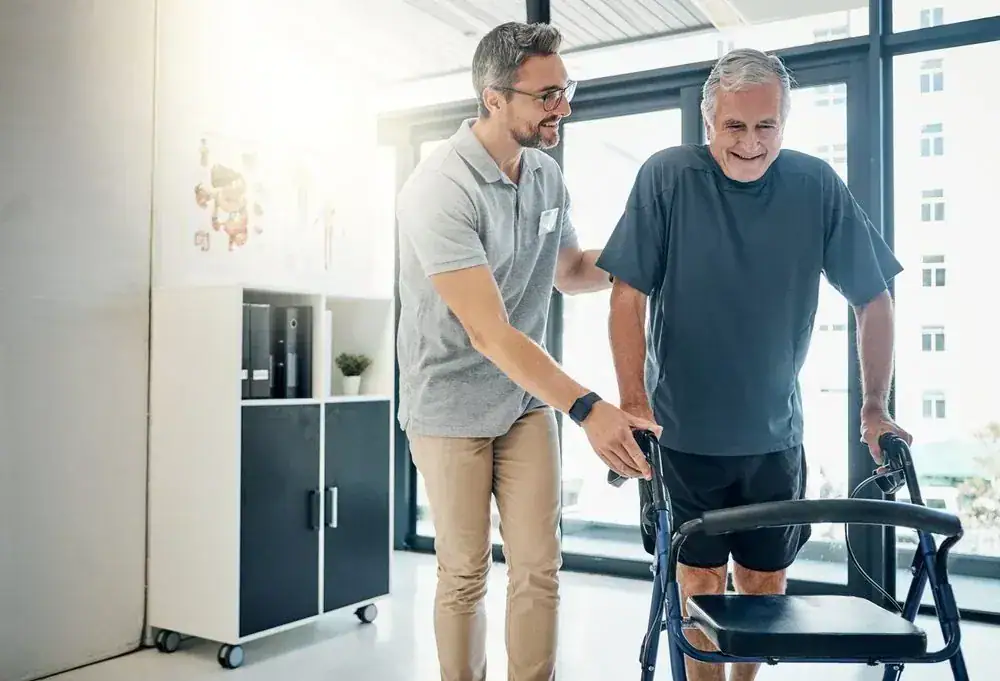
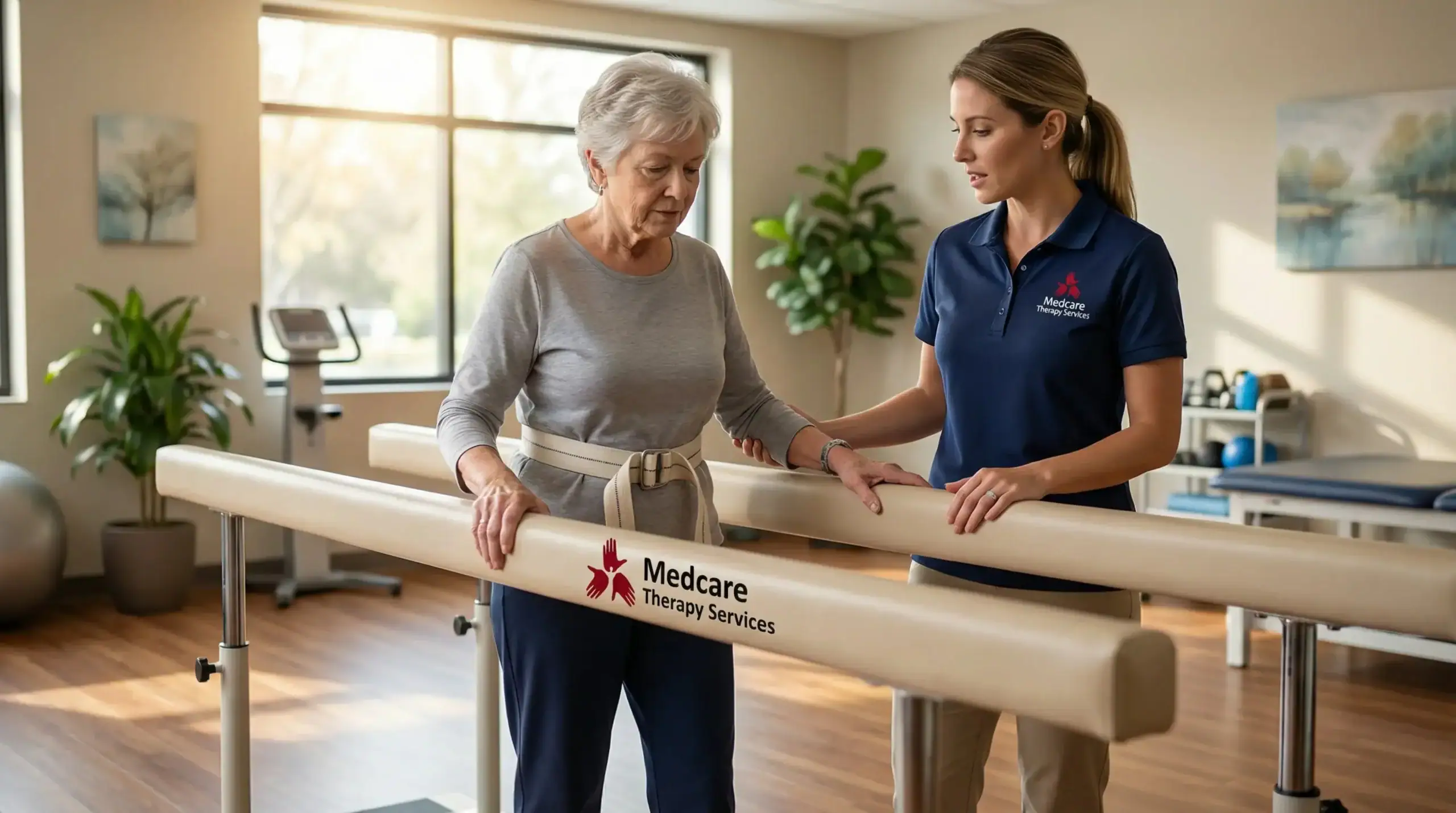
You’re not imagining it. That hesitation before you stand up, the extra second you need to steady yourself, the way you avoid certain movements – these aren’t just signs of aging. They’re your body telling you something’s changed with your balance.
Here’s what most people don’t realize: one in three adults over 65 falls each year. In New York, that translates to over 30,000 emergency room visits and 16,000 hospitalizations annually. But falls aren’t inevitable, and you don’t have to accept them as part of getting older.
When your balance improves, everything else follows. You walk to the mailbox without thinking twice. You reach for items on high shelves. You move through your home with the same ease you had ten years ago. Research shows that targeted balance exercises for seniors can reduce fall risk by up to 50% – and it works whether you’re 65 or 95.
The difference shows up in how you feel when you wake up, how confidently you navigate your day, and how much less you worry about losing your independence.
We’ve been helping Franklin Square residents maintain their mobility and independence through specialized fall prevention programs. We’re not a corporate chain with rotating therapists – we’re your neighbors, treating patients across Long Island communities from Hempstead to East Meadow to Garden City.
Our physical therapists complete comprehensive balance assessments before designing your program. We track what’s working, adjust what isn’t, and make sure you understand exactly why each exercise matters. Every session is supervised, every movement is intentional, and every program is built around your specific risk factors.
You’ll work with certified professionals who’ve seen hundreds of balance cases and know the difference between generic exercises and targeted interventions that actually prevent falls.

Your first visit starts with a fall risk evaluation. We assess your strength, coordination, gait, and proprioception – basically, how well your body knows where it is in space. We also talk about your home environment, any previous falls, medications that might affect balance, and what specific movements make you nervous.
From there, we build your personalized program. This isn’t a handout with generic senior balance exercises. It’s a structured plan that addresses your specific weaknesses, whether that’s ankle stability, core strength, reaction time, or visual tracking. You’ll do exercises that challenge your balance in safe, controlled ways – standing on different surfaces, shifting your weight, moving your head while walking, practicing the exact movements that feel unstable in your daily life.
Each session builds on the last one. As you get stronger and more stable, we increase the difficulty. You’ll also learn home safety strategies and exercises you can do between appointments. Most patients start seeing improvements within a few weeks – better posture, smoother walking, less fear when moving around.
The goal isn’t just to prevent falls. It’s to give you back the confidence to live actively without constantly worrying about losing your balance.

Ready to get started?
You get a complete balance assessment that identifies exactly why you’re at risk. This includes strength testing, gait analysis, balance measurements, and a review of any conditions affecting your stability – Parkinson’s, previous stroke, arthritis, neuropathy, or vision issues.
Your program includes one-on-one sessions with a licensed physical therapist who supervises every exercise and adjusts your plan as you progress. We focus on the movements that matter most: getting up from chairs, walking on uneven surfaces, turning your head while moving, reaching and bending, and recovering when you start to lose balance.
For Franklin Square residents, this matters more than you might think. From 2018 to 2023, fall-related deaths among New Yorkers over 60 increased by 25%. Most of these falls happen at home, in familiar environments, during routine activities. The difference between a close call and a serious injury often comes down to reaction time, leg strength, and core stability – all things we can improve with the right training.
You’ll also receive education on home modifications, footwear choices, and strategies for managing medications or health conditions that increase fall risk. Everything we do is designed to keep you safe, mobile, and independent in your own home for as long as possible.
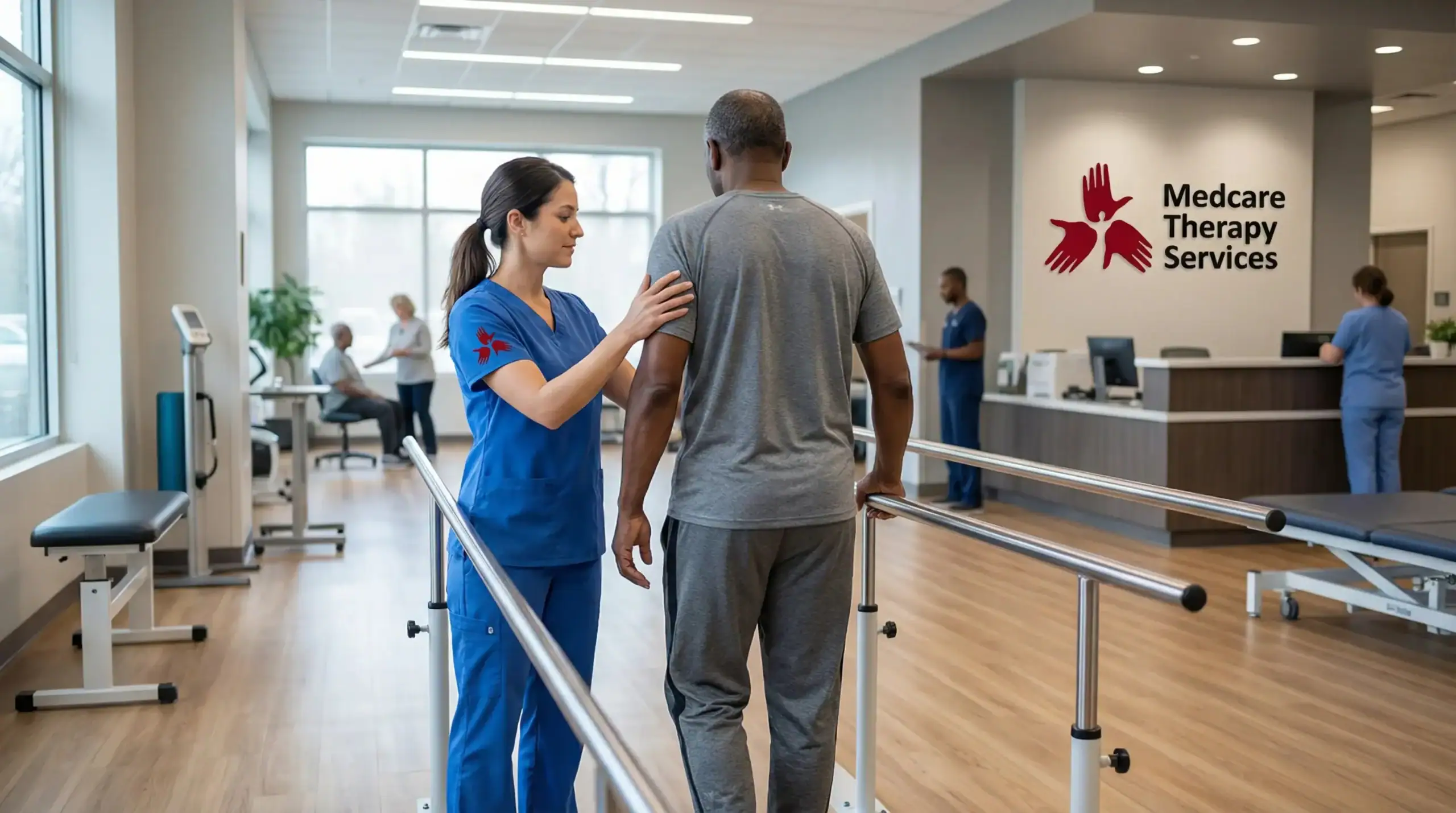
If you’ve fallen in the past year, you need an assessment. Period. Falling once doubles your risk of falling again, and most people who fall don’t tell their doctor – which means they miss the chance to prevent the next one.
But you don’t need to wait for a fall. If you feel unsteady when you walk, if you grab furniture or walls for support, if you avoid certain activities because you’re worried about balance, or if you’ve had any close calls where you almost fell – those are all signs that your balance needs work.
Other red flags include difficulty getting up from low chairs, trouble walking on uneven ground, dizziness when you change positions, or a general fear of falling that’s limiting what you do. Even if you haven’t fallen yet, these symptoms tell us your body’s balance systems aren’t working as well as they should. The earlier you address it, the easier it is to fix and the better your outcomes will be.
The biggest difference is assessment. You can’t fix what you don’t measure, and most people don’t know which specific balance issues are putting them at risk. Is it weak ankles? Poor core strength? Delayed reaction time? Vision problems affecting spatial awareness? Each one requires different exercises.
A physical therapist identifies your exact deficits and builds a program that targets them. We also make sure you’re doing exercises correctly – small changes in form can mean the difference between an effective exercise and one that does nothing. And we progress you safely, challenging your balance in ways that build stability without putting you at risk of actually falling.
The other advantage is accountability and adjustment. When you’re working with a therapist, you show up consistently, you push yourself harder than you would alone, and we modify your program as you improve. Research consistently shows that supervised balance training produces better outcomes than home exercise alone, especially for people who’ve already fallen or have multiple risk factors.
Most patients notice changes within three to four weeks. You might feel steadier when you stand up, walk with more confidence, or catch yourself more quickly when you start to lose balance. Measurable improvements in strength and stability typically show up around the six-week mark.
That said, fall prevention isn’t a quick fix. The most effective programs run 8-12 weeks with two to three sessions per week, plus home exercises. This gives your body time to build real strength, retrain your balance reflexes, and develop new movement patterns that stick.
The timeline also depends on your starting point. If you’re generally healthy but just noticing some balance decline, you’ll progress faster than someone recovering from a stroke or managing Parkinson’s. But here’s the important part: balance can improve at any age. Studies show that even adults over 80 can significantly reduce their fall risk with consistent training. Your age doesn’t determine your outcome – your commitment to the program does.
Medicare Part B covers physical therapy for balance and fall prevention when it’s medically necessary – which typically means you’ve fallen recently, you have a condition affecting your balance, or your doctor has documented that you’re at high risk for falls. You’ll need a referral or prescription from your physician.
Most Medicare Advantage plans and private insurance policies also cover balance therapy, though your copay and session limits will vary by plan. Some plans require prior authorization, and most have an annual cap on physical therapy visits (though this can often be extended if you’re making progress and still need treatment).
The best approach is to call your insurance company before your first visit and ask specifically about coverage for fall prevention or balance therapy. Ask about your copay per session, whether you need a referral, how many visits are covered per year, and if there’s a deductible you need to meet first. We can also verify your benefits and help you understand your coverage before you start treatment.
It’s not too late, but it is urgent. Multiple falls mean your risk is high and climbing. Each fall increases your chances of falling again, and each fall does a little more damage – not just physically, but to your confidence and willingness to stay active.
The good news is that people who’ve fallen multiple times often see dramatic improvements with the right intervention. You have more room for improvement than someone who’s just starting to notice minor balance issues. Targeted physical therapy can address the specific reasons you’re falling – whether that’s muscle weakness, poor coordination, medication side effects, or environmental hazards at home.
We’ve worked with plenty of Franklin Square residents who came in after multiple falls and were able to regain stability, rebuild strength, and return to their normal activities. The key is starting now, being consistent with your program, and being honest about what’s happening so we can address all the contributing factors. Falls are preventable, even if you’ve already had several. But prevention requires action, not just hoping it won’t happen again.
Yes, and it’s especially important if you do. Chronic conditions like Parkinson’s, previous stroke, arthritis, neuropathy, and vertigo all increase your fall risk – but they also respond well to targeted balance training. We just modify the approach based on your specific condition and limitations.
For Parkinson’s patients, we focus on exercises that address the shuffling gait, freezing episodes, and postural instability that come with the disease. For stroke survivors, we work on strengthening the affected side and retraining your brain’s balance reflexes. For arthritis, we build stability around painful joints and teach you how to move in ways that reduce stress on those areas.
The research is clear: balance and strength training improves quality of life for people with chronic conditions, not just by reducing falls but by improving overall mobility, confidence, and independence. You might not be able to eliminate your condition’s impact on balance, but you can absolutely reduce your fall risk and maintain more function than you would without therapy. We design programs around what your body can do, not what it can’t.
Other Services we provide in Franklin Square