
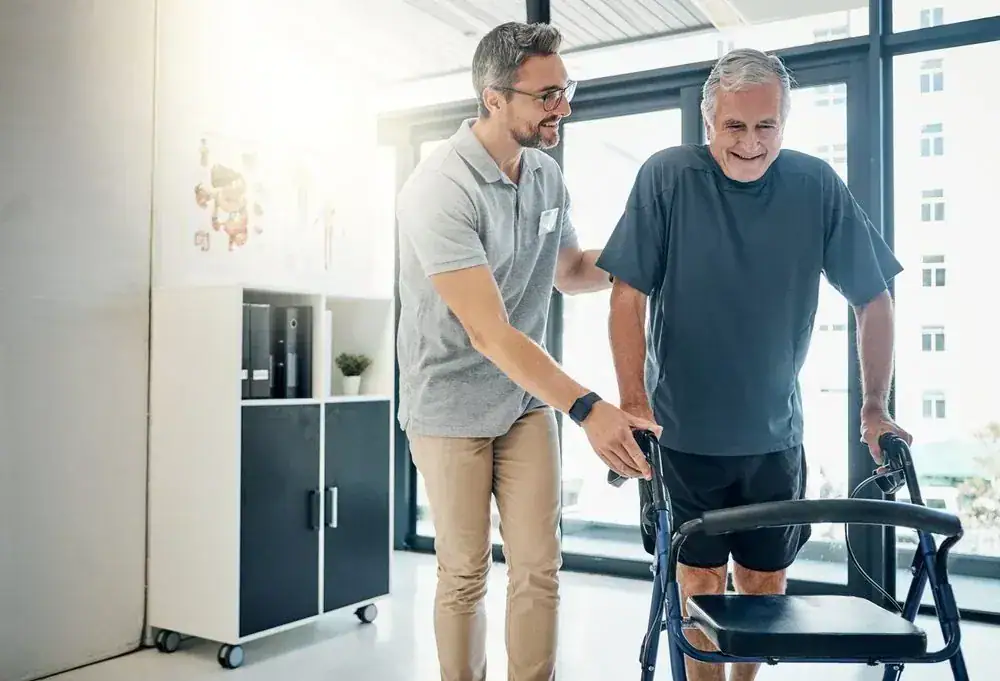
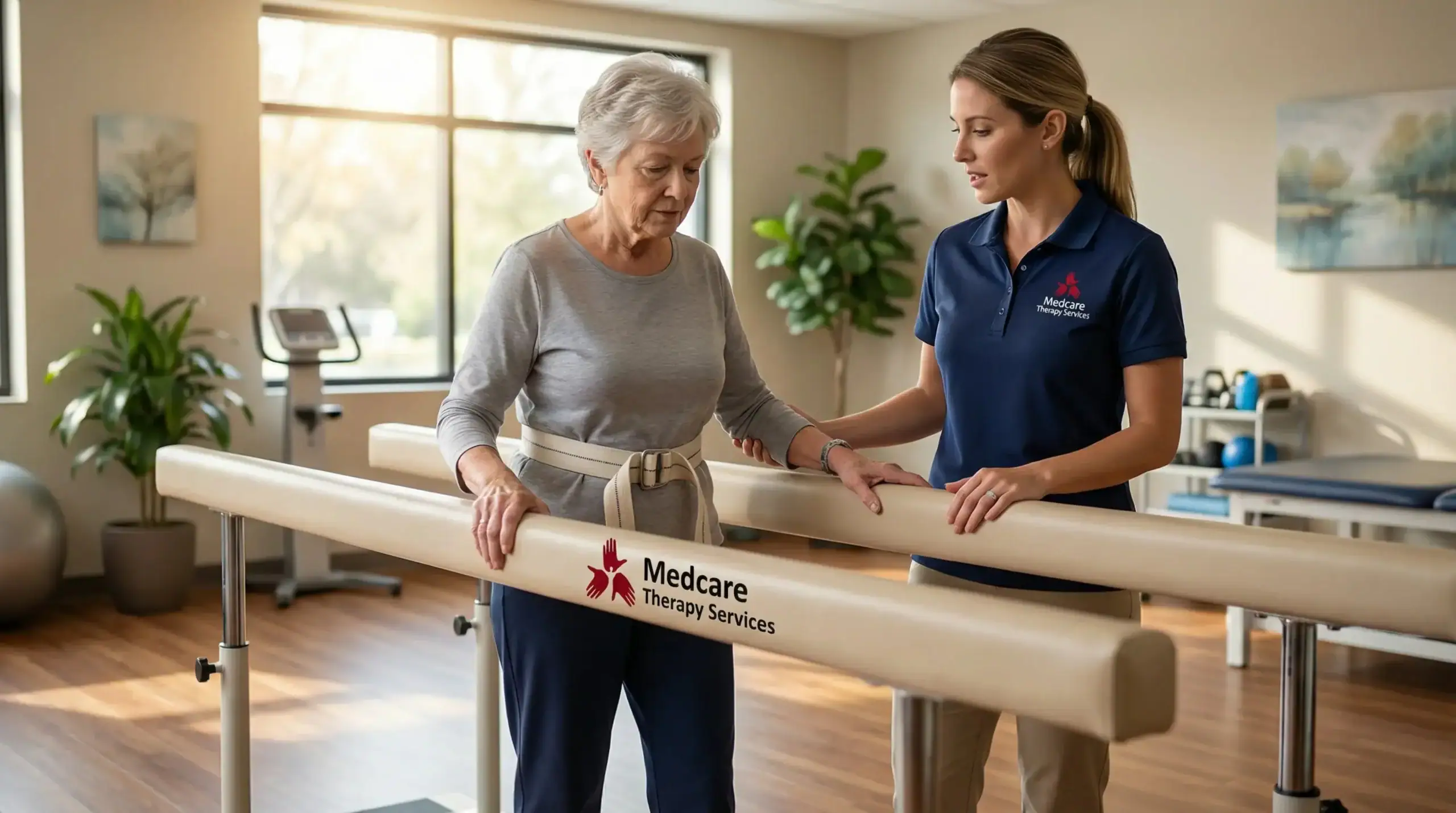
You stop second-guessing every step. Getting up from a chair doesn’t require a strategy. Walking to the mailbox or bathroom at night doesn’t feel like a risk.
That’s what better balance actually gives you. Not just fewer falls – though that matters – but the confidence to move through your day without constantly calculating whether you’ll make it from point A to point B safely.
Physical therapy for balance isn’t about making you an athlete. It’s about strengthening the specific muscles that keep you upright, training your body to catch itself when you stumble, and giving you back the freedom to live in your own home without fear. Research shows that targeted balance exercises for seniors can reduce fall risk by 23-24% when done consistently. That’s not a small number when you consider what’s at stake.
In Flower Hill, NY and across Nassau County, falls are the leading cause of injury hospitalizations for adults over 65. You’re not imagining the risk – it’s real, and it’s local. But it’s also preventable with the right approach.
We’ve been providing home-based physical therapy across Long Island for over a decade. We work with seniors in Flower Hill, NY who need care but can’t easily get to a clinic – or who simply prefer the comfort and convenience of their own space.
Our therapists are licensed, Medicare-certified, and trained specifically in fall prevention and balance rehabilitation. We’re not a rotating door of strangers. You’ll work with the same therapist who gets to know your home, your habits, and your goals.
Nassau County has one of the highest fall rates in New York State. We know the local risks, the housing layouts, the demographics. That’s why our programs are built around what actually works for Long Island seniors – not generic protocols pulled from a manual.
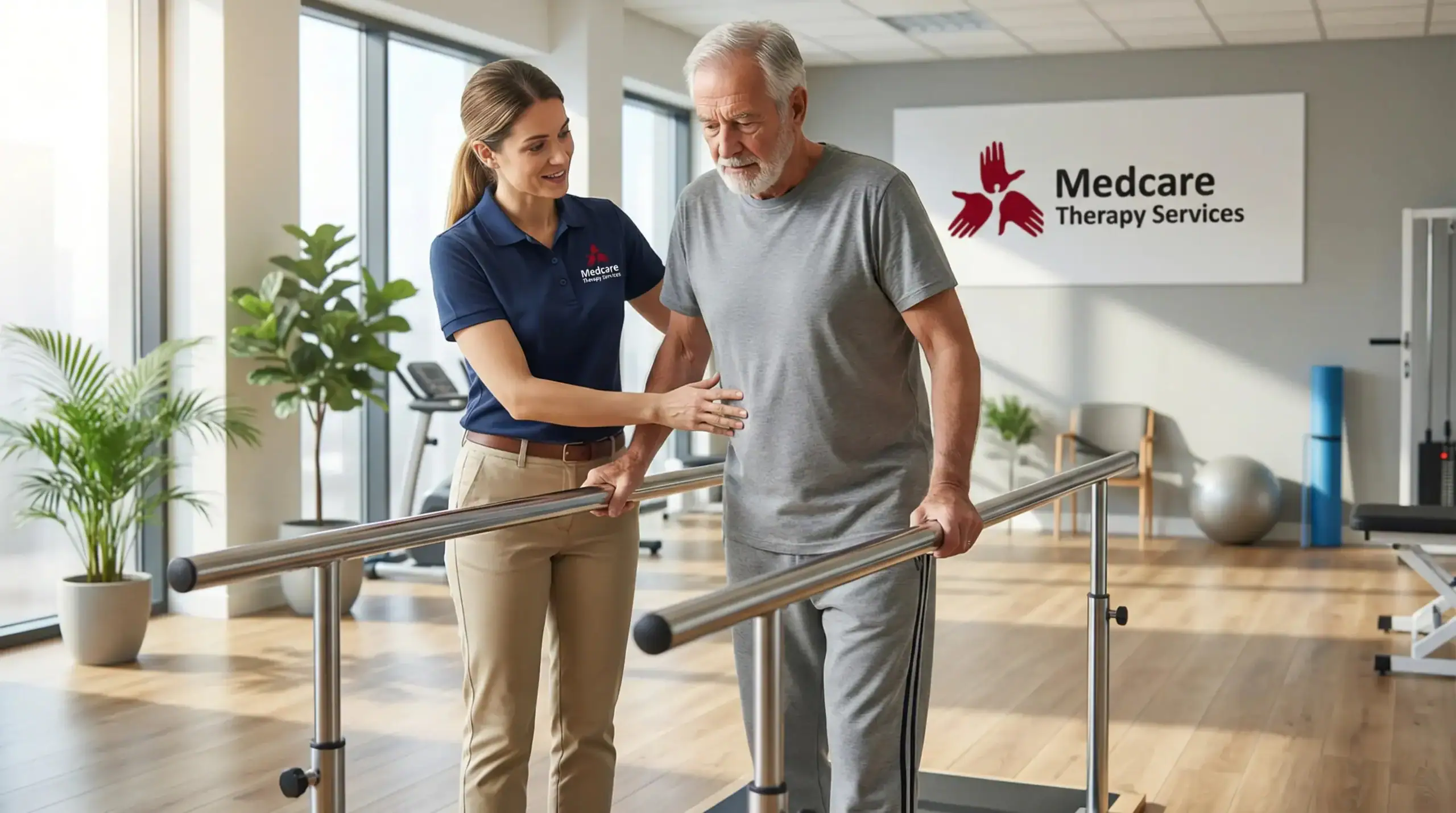
First, we come to your home and do a full evaluation. We’re looking at your strength, your balance, how you move through your space, and where the risks are. This isn’t a checklist – it’s a conversation about what’s hard right now and what you want to be able to do.
From there, your therapist builds a personalized plan. That usually means a combination of strengthening exercises for your legs and core, balance training that mimics real-life movements, and specific strategies to reduce fall risk in your home. Everything is designed around what your body can handle today, with a clear path to where you want to be.
Sessions happen in your home, typically two to three times per week depending on your needs and insurance coverage. Medicare covers outpatient physical therapy, and we accept most commercial plans as well. Between visits, you’ll have exercises to practice on your own – simple, safe movements that build on what you’re doing in therapy.
The goal isn’t endless treatment. It’s getting you strong enough and confident enough to maintain your balance on your own, with a program you can keep doing long after therapy ends.
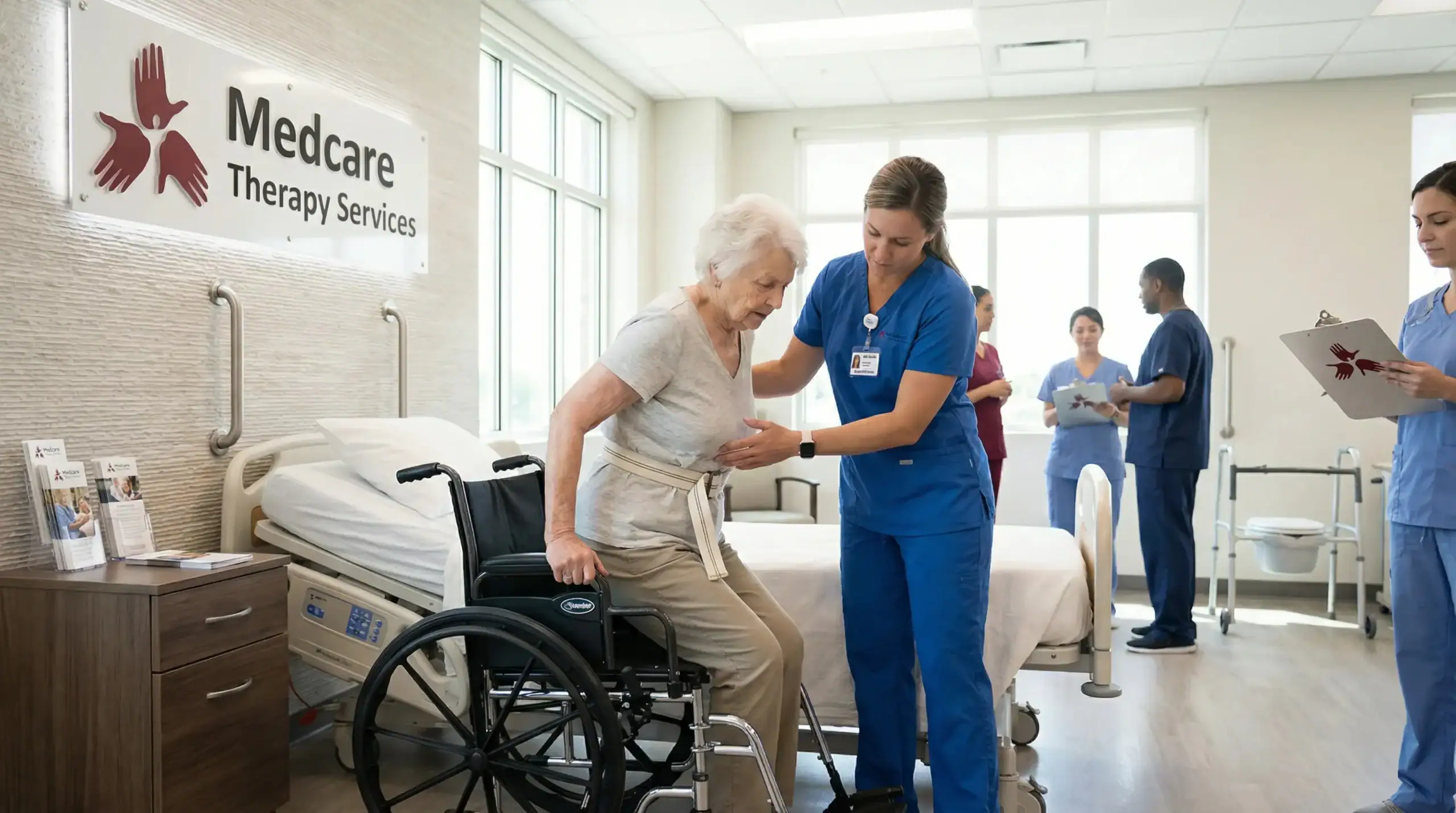
Ready to get started?
You get one-on-one time with a licensed physical therapist who comes to your home. No shared appointments, no gym full of people. Just focused, personalized attention on your specific needs.
Your program will likely include leg strengthening exercises – because stronger legs mean better balance – along with exercises that challenge your stability in controlled, safe ways. We also look at how you’re moving through your home and suggest modifications that lower risk without turning your space into a hospital room.
In Flower Hill and the surrounding North Shore communities, many homes have stairs, narrow hallways, and layouts that weren’t designed with aging in place in mind. We take that into account. Your therapy isn’t just about what happens during our sessions – it’s about making your environment work for you.
You’ll also get a home exercise plan that’s realistic. Not 45 minutes of complicated movements, but a handful of exercises you can actually do and will actually stick with. Consistency matters more than intensity when it comes to fall prevention, and we design programs that fit into your life as it is.
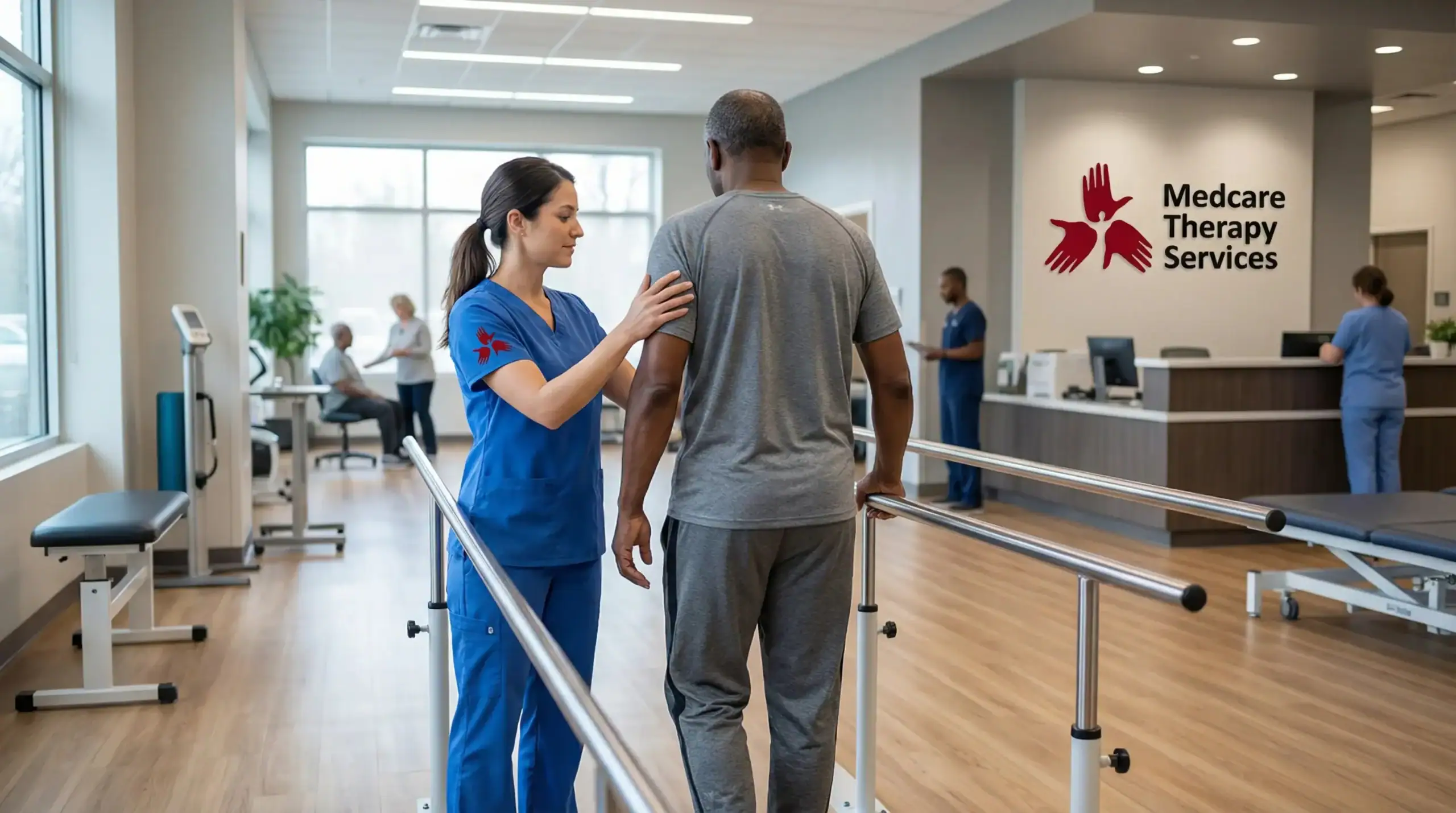
Most people start noticing small changes within two to three weeks – things like feeling steadier when standing up or walking with a bit more confidence. Real, measurable improvement in strength and balance typically shows up around the four to six week mark if you’re consistent with both therapy sessions and home exercises.
That said, everyone’s different. If you’ve had a recent fall or haven’t been active in a while, it might take a bit longer to build back that foundation. If you’re already fairly active but just need some fine-tuning, you might see results faster.
The key is sticking with it. Balance training isn’t a quick fix, but it’s one of the most effective tools we have for reducing fall risk in older adults. Research backs that up, and so does what we see with our patients every day.
Yes, Medicare Part B covers outpatient physical therapy when it’s medically necessary – and fall prevention absolutely qualifies if you’ve had a recent fall, you’re at high risk, or your doctor has referred you for balance issues. You’ll be responsible for your standard copay or coinsurance, but the service itself is covered.
We handle the billing and work directly with Medicare, so you don’t have to navigate the paperwork on your own. Most commercial insurance plans also cover home-based physical therapy, though specifics vary by plan.
Before we start, we’ll verify your coverage and let you know what to expect in terms of out-of-pocket costs. No surprises. If you’re not sure whether you qualify, give us a call – we can usually tell you pretty quickly based on your situation.
Not at all. In fact, people who’ve fallen recently are often the ones who benefit most from balance therapy. A fall is a clear signal that something needs to change – whether that’s strength, stability, or how you’re moving through your space.
After a fall, your body might compensate in ways that actually increase your risk of falling again. You might start moving more cautiously, which sounds smart but can actually weaken the muscles you need for balance. Or you might avoid certain activities altogether, which leads to deconditioning.
Physical therapy helps you rebuild strength and confidence in a controlled way. We start where you are – not where you used to be – and work up from there. The goal is to get you back to doing the things you want to do, safely. And statistically, starting a structured balance program after a fall can cut your risk of falling again by nearly half.
No. Most of what we do uses your body weight, a sturdy chair, and maybe a countertop for support. You don’t need a home gym or fancy gear.
Some exercises might eventually incorporate light resistance bands or small weights, but we’ll provide guidance on that if it makes sense for your program. The goal is to keep things simple and sustainable – because the best exercise program is the one you’ll actually do.
If you do want to add equipment down the road, we’ll recommend specific, inexpensive items that make sense for your goals. But in the beginning, we’re focused on building foundational strength and stability using what you already have. Your home becomes the gym, and that’s actually an advantage – you’re training in the environment where you need to be steady every single day.
The biggest difference is context. When we work with you at home, we see exactly where you’re moving, where the risks are, and what your daily routine actually looks like. That means we can address real-world challenges – like navigating your specific bathroom layout or managing your particular staircase – not just generic exercises on a clinic floor.
Home therapy also removes the barrier of transportation. If getting to appointments is hard, stressful, or requires help from family, that’s one more reason to skip a session. When we come to you, that obstacle disappears.
You also get more personalized attention. It’s just you and your therapist – no waiting for equipment, no splitting focus with other patients. The time is yours, and the program is built entirely around your needs and your space. For a lot of people, especially those who feel unsteady or anxious about leaving the house, that makes all the difference.
Being careful helps, but it’s not enough. You can’t think your way out of a loss of balance – your body has to be strong enough and coordinated enough to catch you when something goes wrong. That’s where exercise comes in.
Balance exercises train your muscles to react quickly when you start to tip or stumble. They improve your leg strength so you can recover from a misstep instead of going down. And they help your brain and body communicate better, which is a huge part of staying upright as you age.
The research is clear: structured balance and strength training can reduce fall risk by 23-24%, and in some cases up to 50% when combined with other interventions. That’s not luck or being extra cautious – that’s your body working better because you’ve trained it to. Falls aren’t inevitable, and you’re not helpless. You just need the right program and someone who knows how to build it for you.
Other Services we provide in Flower Hill