
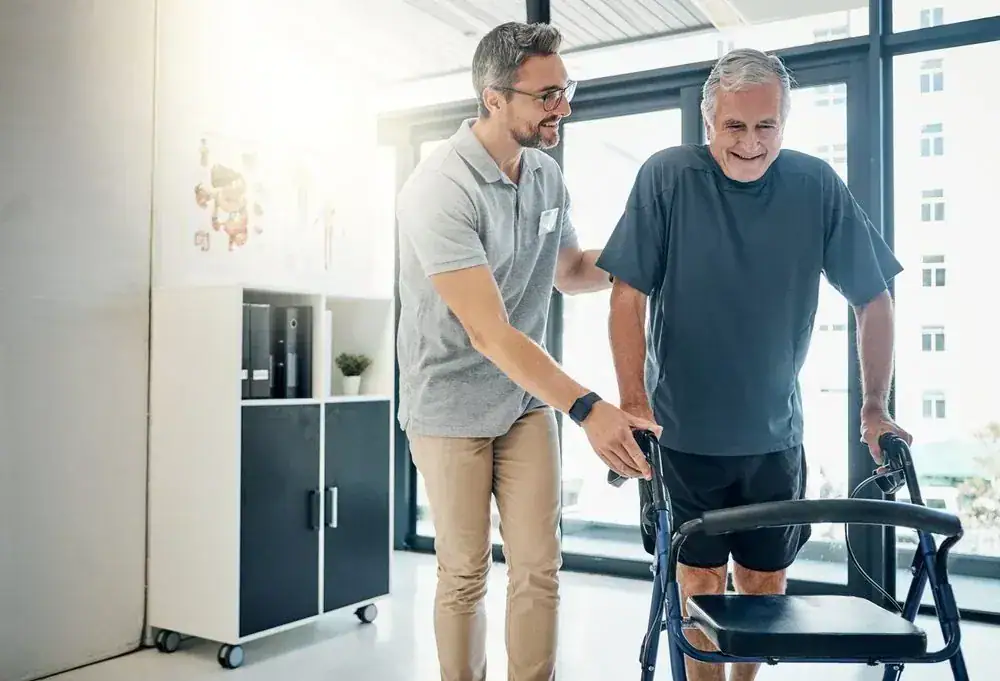
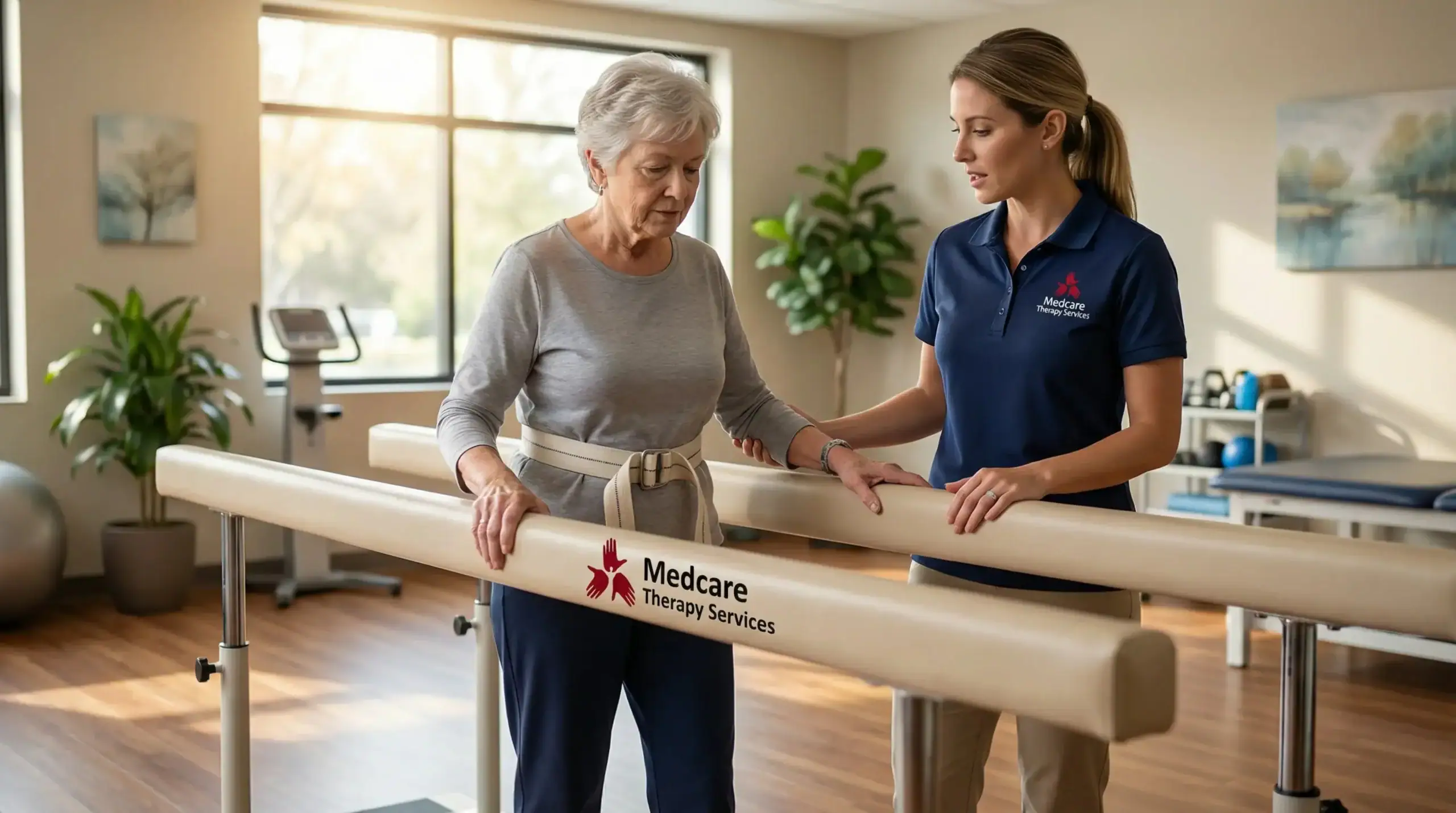
You shouldn’t have to second-guess every step you take. Whether you’ve fallen before or you’re just noticing balance isn’t what it used to be, that hesitation affects everything—how you move around your home, whether you go out, even how you feel about your independence.
Fall prevention isn’t about wrapping yourself in bubble wrap. It’s about rebuilding the strength, coordination, and confidence that let you live your life without constantly worrying about what might happen. Physical therapy for balance works because it addresses what’s actually causing the instability—weak muscles, poor coordination, environmental risks, or a combination of factors.
Studies show that structured fall prevention programs reduce fall risk by 30 to 35 percent. That’s not a small number when you consider what a fall can cost—not just physically, but in terms of freedom, confidence, and quality of life. The goal is simple: help you feel steady, strong, and safe again.
We’ve been serving Long Island communities since 2010. We specialize in in-home physical and occupational therapy for older adults who need care but find it difficult—or risky—to leave the house.
Our therapists are licensed, experienced, and trained specifically in elderly fall prevention. We accept Medicare and most commercial insurance, so cost doesn’t have to be a barrier. You get the same quality care you’d receive in a clinic, but in the comfort and safety of your own home.
We know Long Island. Suffolk County ranks fifth in New York State for fall prevalence, and nearly 88 percent of injury hospitalizations for adults over 65 in Nassau County are due to falls. That’s why we’re here—because this is a real issue affecting real people in Flanders, NY and across the Island.
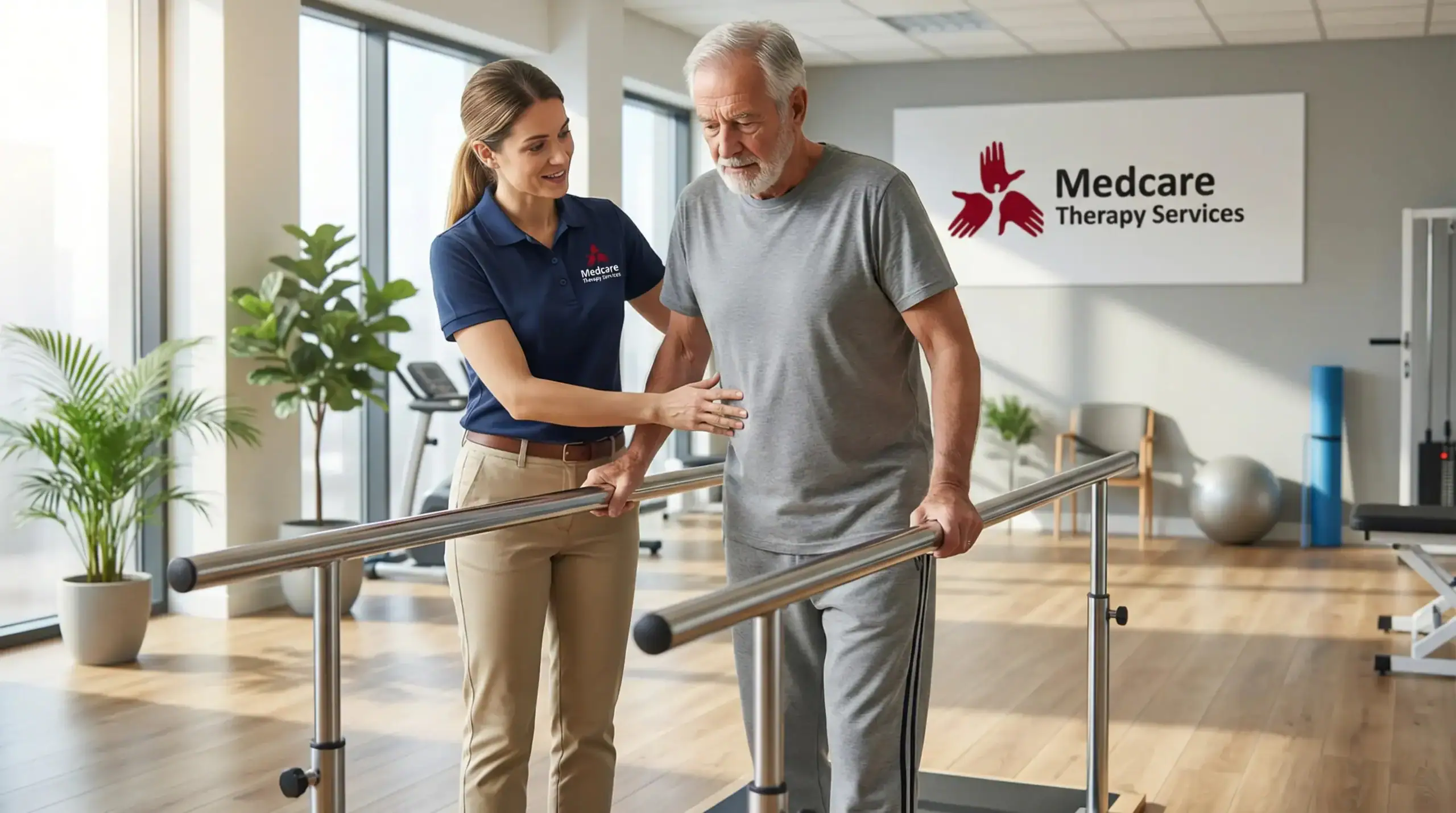
We start with a thorough in-home assessment. A licensed therapist evaluates your strength, balance, gait, and coordination. We also look at your environment—lighting, rugs, furniture layout, bathroom setup—to identify hazards you might not notice day to day.
From there, we build a personalized plan. That might include balance exercises for seniors, strength training, gait training, or modifications to how you move through your home. Everything is designed around your specific risks and goals, not a one-size-fits-all template.
Sessions happen in your home, on your schedule. You’ll work directly with your therapist, progressing at a pace that’s challenging but safe. We also educate family members so everyone understands what’s helping and how to support your progress. Over time, you’ll notice improvements—not just in how you move, but in how you feel about moving.
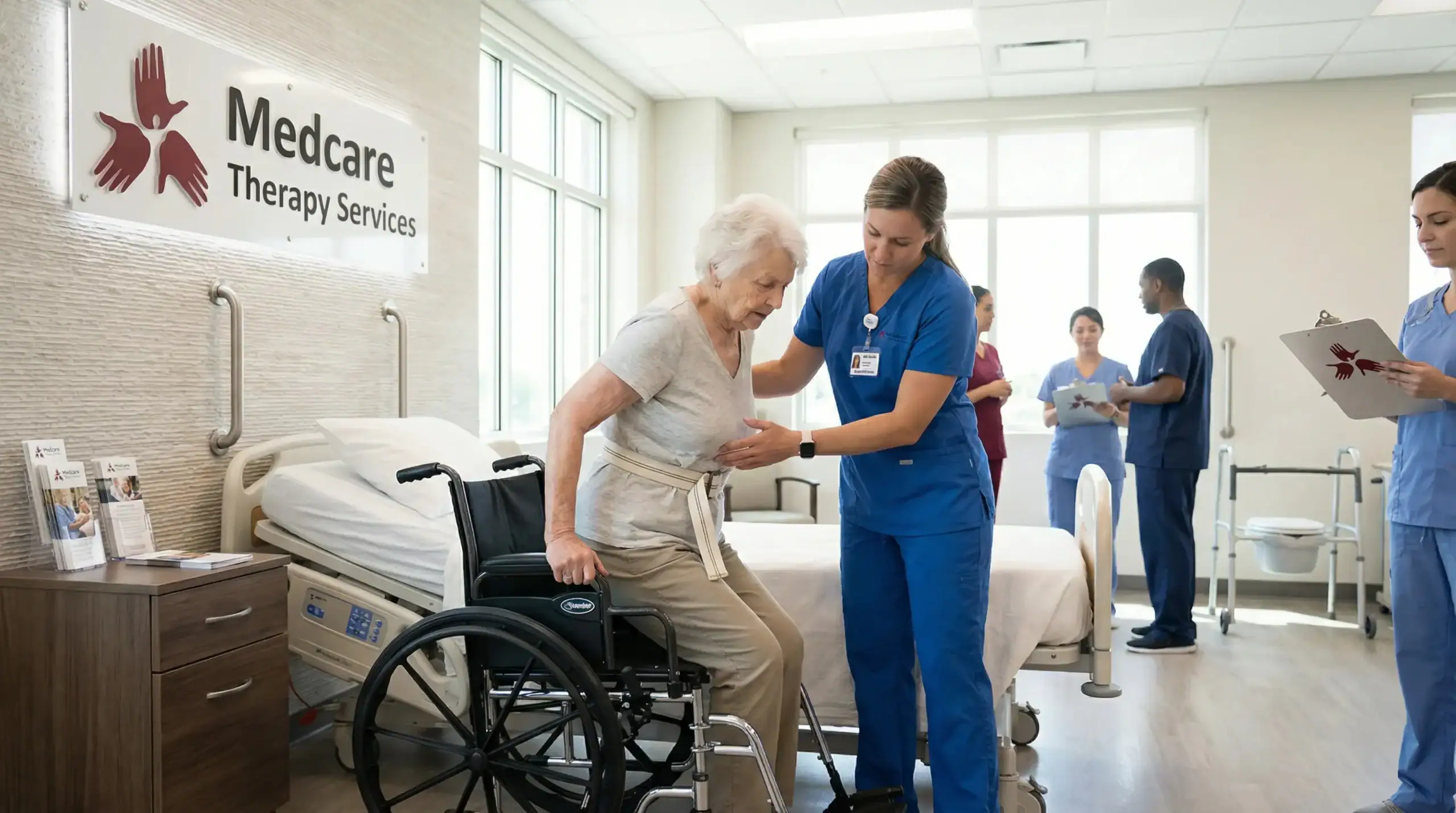
Ready to get started?
Every plan is different, but most include a combination of senior balance exercises, strength training, and functional movement work. Balance exercises might involve standing on one foot, weight shifts, or controlled movements that challenge your stability in safe, progressive ways. Strength training focuses on your legs, core, and hips—the muscle groups that keep you upright and steady.
We also work on gait training, which means improving how you walk. Small adjustments in stride length, foot placement, or posture can make a big difference in fall risk. If you’re recovering from a fall or surgery, we incorporate rehabilitation exercises that restore mobility while building confidence.
On Long Island, where many homes have stairs, narrow hallways, or older layouts, environmental modifications matter. We’ll recommend changes like grab bars, better lighting, removing tripping hazards, or rearranging furniture. These aren’t complicated fixes, but they’re effective. Combined with physical therapy, they create a safer environment that supports your progress.
You’ll also get education on managing dizziness, medication side effects, or vision issues that contribute to falls. The goal is to address every factor, not just one piece of the puzzle.
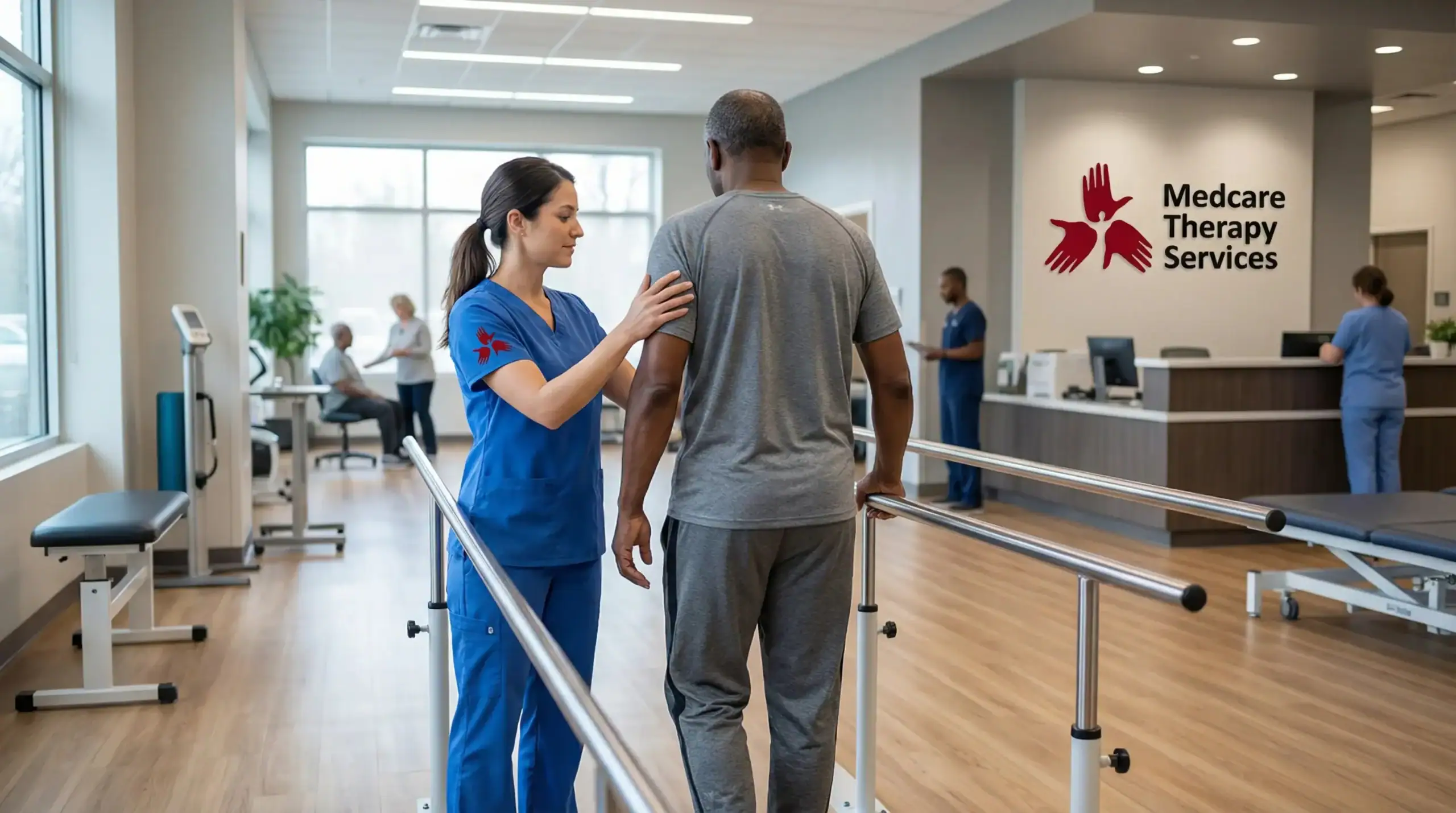
Most people start noticing improvements within four to six weeks, but it depends on your starting point and how consistently you work with your therapist. Balance and strength don’t rebuild overnight, especially if you’ve been less active or dealing with chronic conditions.
Early gains often show up as better confidence—you feel steadier getting out of a chair or walking to the mailbox. Physical improvements like stronger legs, better posture, and smoother gait take a bit longer. Your therapist will track progress through simple tests and adjust your program as you improve.
The key is consistency. In-home therapy makes that easier because you’re not dealing with transportation or the stress of getting to appointments. You’re working in the environment where you actually need to feel safe, which speeds up real-world results.
Yes. Medicare Part B covers outpatient physical therapy and occupational therapy when it’s medically necessary, which includes fall prevention for older adults at risk. You’ll need a referral from your doctor, but that’s typically straightforward if you’ve had a fall, have balance issues, or show other risk factors.
We’re a Medicare-approved provider. We handle the billing and work directly with Medicare and most commercial insurances. You’ll be responsible for any copays or deductibles based on your specific plan, but the therapy itself is covered.
If you’re unsure about your coverage, we can verify your benefits before starting. The goal is to remove barriers, not create them. Cost shouldn’t be the reason you don’t get help.
In-home therapy lets us work with you in the space where you actually live. We see the real hazards—the rug that bunches up, the dim hallway, the bathroom layout that’s awkward to navigate. That’s information we can’t get in a clinic, and it’s critical for preventing falls.
There’s also the practical side. If getting to appointments is stressful, risky, or requires help from family, you’re less likely to stick with therapy. In-home care removes that friction. You get the same quality treatment without the logistics.
Finally, many older adults feel more comfortable and confident at home. You’re not navigating a new environment or dealing with the fatigue of travel. That comfort translates to better engagement, which leads to better outcomes.
Most falls aren’t caused by one thing—they’re the result of multiple risk factors stacking up. Weak leg muscles and poor balance are the biggest contributors. As you age, muscle mass naturally declines, and without regular activity, that decline accelerates. Weaker muscles mean less stability.
Vision problems, medication side effects, and dizziness also play a role. Some blood pressure medications, for example, can cause lightheadedness when you stand up. Chronic conditions like arthritis, neuropathy, or Parkinson’s affect coordination and movement.
Environmental hazards are often overlooked but just as important. Loose rugs, poor lighting, clutter, uneven surfaces, and lack of grab bars create unnecessary risk. The good news is that most of these factors are modifiable. That’s what fall prevention therapy addresses—the physical, environmental, and behavioral risks that add up.
Absolutely. In fact, people who’ve already fallen are at higher risk of falling again, which makes therapy even more important. After a fall, it’s common to lose confidence and start avoiding activities. That leads to weaker muscles, stiffer joints, and even greater fall risk. It’s a cycle that’s hard to break without help.
Post-fall rehabilitation focuses on rebuilding strength, improving balance, and addressing whatever contributed to the fall in the first place. We also work on reducing fear of falling, which is a real and significant barrier to recovery. You’ll practice movements in a controlled, safe way that gradually restores confidence.
If you’ve had a hip fracture, surgery, or hospital stay, therapy is essential for getting back to baseline—and ideally, stronger than before. The earlier you start, the better your outcomes.
Balancing exercises are tailored to your current ability, so they’re challenging but safe. Early on, you might practice standing on one foot while holding onto a counter, or doing weight shifts from side to side. These sound simple, but they’re effective at retraining your body’s balance systems.
As you progress, exercises get more dynamic. You might walk heel-to-toe in a straight line, step over objects, or practice standing on uneven surfaces like a foam pad. We also incorporate movements that mimic real life—reaching for something on a shelf, turning your head while walking, or getting up from a chair without using your hands.
Strength training is woven in because balance and strength are connected. Exercises like sit-to-stands, leg lifts, and step-ups build the muscle you need to stay upright. Your therapist will adjust the program as you improve, so you’re always working at the right level.
Other Services we provide in Flanders