
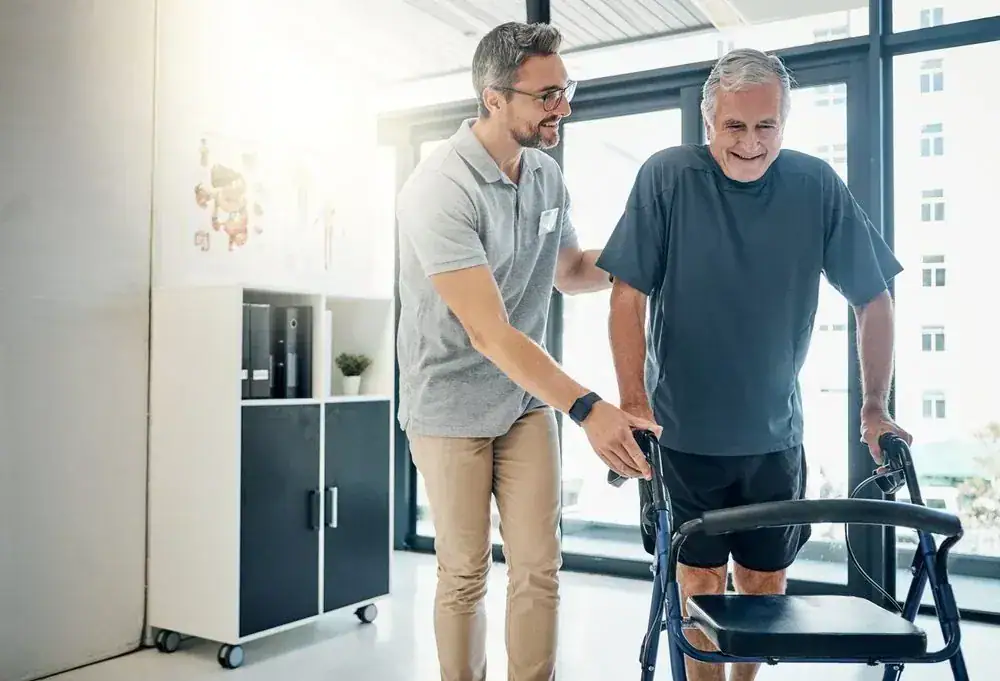
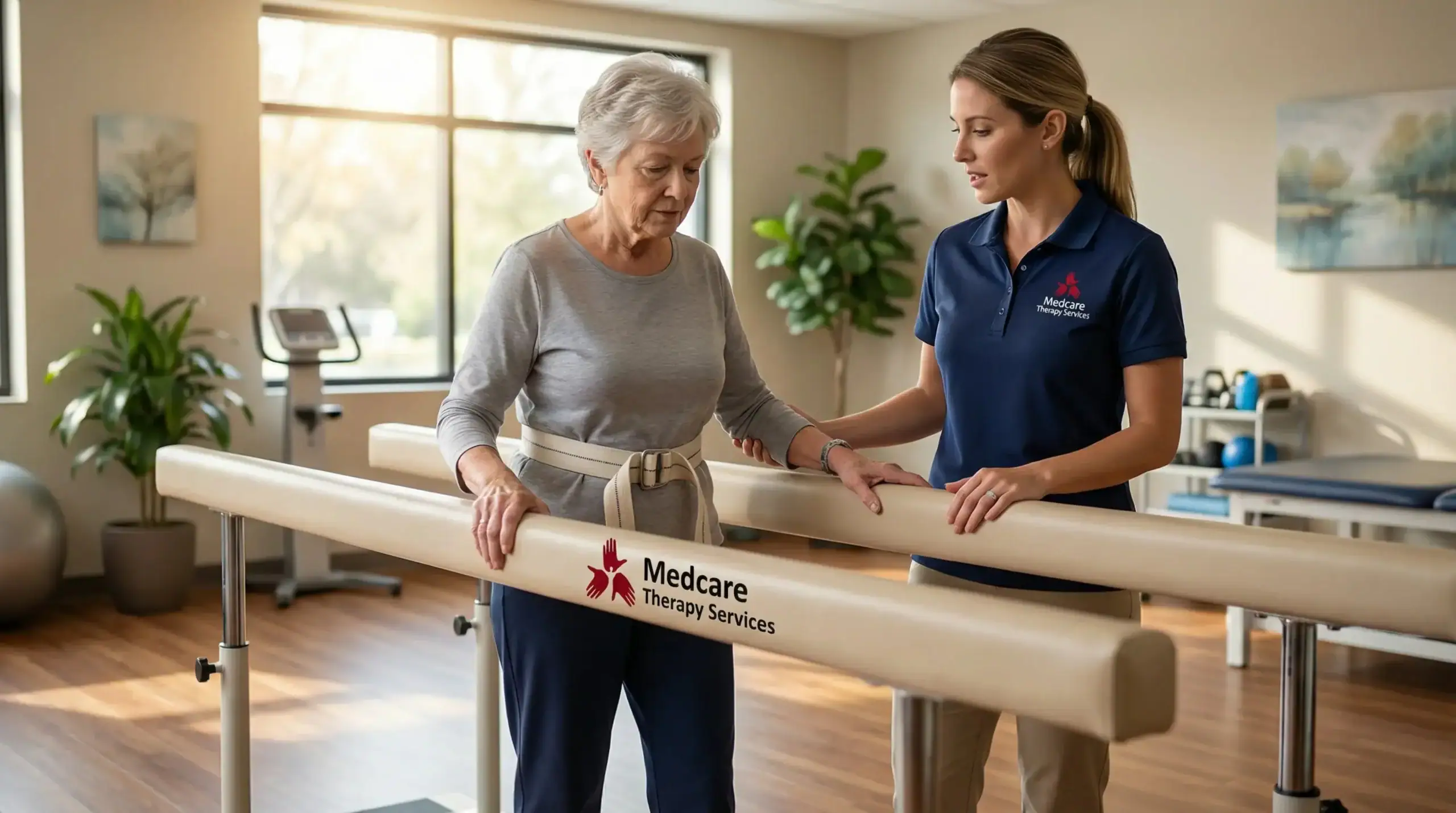
You’ve probably noticed it. That split-second hesitation before you stand up. The way you reach for the wall when you didn’t used to. Maybe you’ve already had a close call, or you’re watching a parent become more cautious every day.
Falls aren’t just accidents. They’re often the result of muscle weakness, balance issues, and movement patterns that have quietly changed over time. The good news is that physical therapy for balance works—and the research backs it up. Targeted balance exercises for seniors can reduce your fall risk by 30 to 35 percent.
That means fewer trips to the ER. Less fear about getting around your own house. More confidence doing the things you want to do—whether that’s gardening, walking the dog, or just getting through your day without worry.
We help you rebuild strength in the muscles that matter, retrain your brain-body connection, and address the specific factors putting you at risk. You don’t have to accept falling as inevitable. You can do something about it.
We’ve been serving Long Island since 2010. We specialize in home-based physical therapy, which means you get hospital-grade care without the hassle of a waiting room or the stress of transportation.
Our therapists are Medicare-certified and trained specifically in fall prevention and balance therapy. We accept Medicare and most commercial insurance plans. Every treatment plan is built around your goals, your home environment, and the real-world challenges you face every day.
Farmingdale and the surrounding Nassau County area rank among the highest in New York State for fall-related hospitalizations in older adults. We know the local health trends. We understand what you’re up against. And we’re here to help you stay safe, strong, and independent.
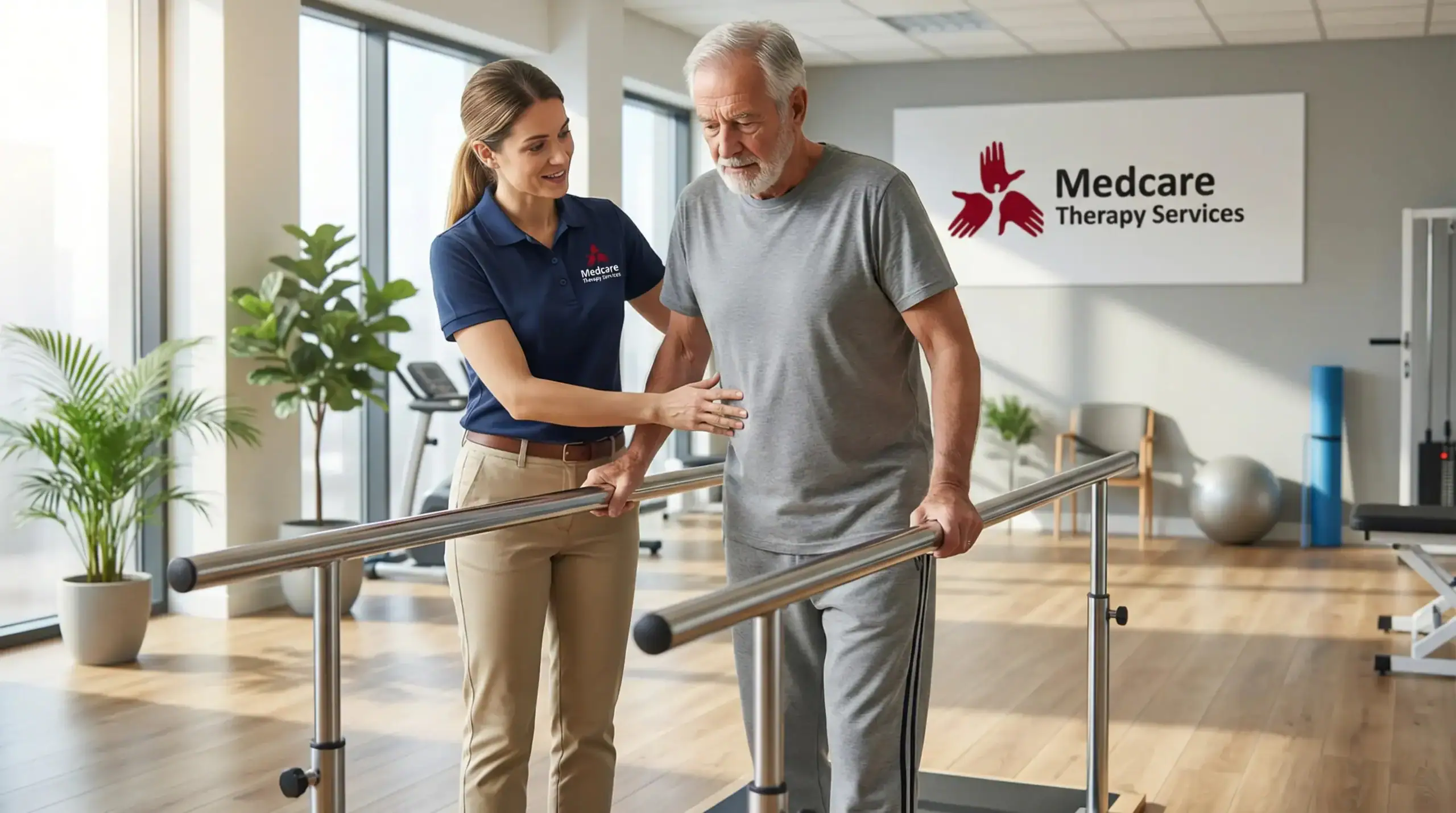
First, we come to your home for a full evaluation. Your therapist will assess your strength, balance, gait, and any environmental risks in your space. We’ll also talk about your medical history, medications, and any past falls or near-misses.
From there, we build a personalized plan. That might include senior balance exercises to strengthen your legs and core, coordination drills to improve reaction time, and strategies to make your home safer. Everything is designed around what your body needs and what your daily life looks like.
You’ll do some exercises during our sessions, and we’ll give you a home program to keep up between visits. Progress happens when you’re consistent. We check in regularly, adjust your plan as you improve, and make sure you’re not just getting stronger—you’re getting more confident.
Most people start noticing a difference within a few weeks. Better stability. Less hesitation. A sense of control they hadn’t felt in a while.

Ready to get started?
This isn’t a one-size-fits-all program. Your therapist will focus on the areas where you need the most help. That could be strengthening your ankles and hips, improving how you shift your weight, or retraining how you recover when you lose your balance.
We also look at your environment. About 60% of fall-related hospitalizations happen at home. Sometimes it’s a loose rug. Sometimes it’s poor lighting or clutter in a hallway. We’ll walk through your space with you and point out risks you might not have noticed.
In Nassau County, 88% of injury hospitalizations for adults over 65 are due to falls. That’s higher than most of the state. It’s not just about age—it’s about preparation. The earlier you start balance training, the better your outcomes. Even adults over 80 see measurable improvements in gait, posture, and stability with consistent exercises.
You’ll also work on managing the fear of falling, which is just as important as the physical piece. Fear leads to inactivity. Inactivity leads to weakness. Weakness increases fall risk. We help you break that cycle so you can stay active and engaged in your life.
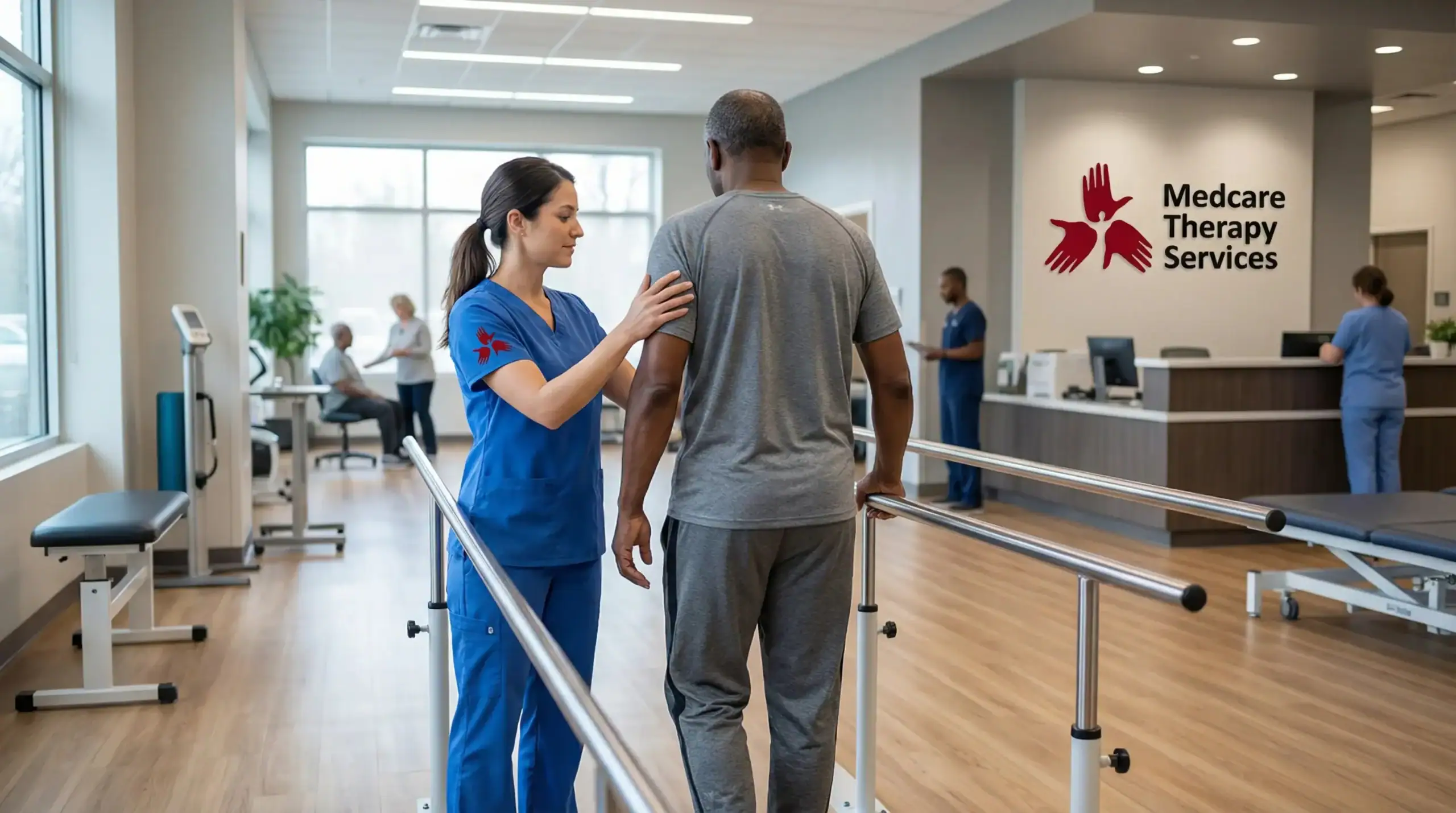
If you’ve fallen in the past year, you’re at higher risk of falling again. But you don’t need to wait for a fall to get help.
Other signs include feeling unsteady when you walk, grabbing onto furniture or walls for support, avoiding certain activities because you’re worried about balance, or taking longer to get up from a chair. If you’ve noticed any of these, it’s worth getting evaluated.
Your doctor might also recommend therapy if you’re on multiple medications, have vision problems, or deal with conditions like arthritis, neuropathy, or Parkinson’s. A physical therapist can assess your specific risk factors and build a plan that addresses them. The goal is to prevent a fall before it happens—not just react after the fact.
It depends on your evaluation, but most programs include exercises that challenge your stability in safe, controlled ways. You might practice standing on one leg, shifting your weight side to side, or walking heel-to-toe in a straight line.
We also use exercises that strengthen your core, hips, and ankles—the muscle groups that keep you upright. Things like seated marches, mini squats, or standing leg lifts. Everything is adjusted to your current ability level.
As you improve, we make the exercises harder. Maybe you’ll close your eyes during a balance drill, or stand on an uneven surface. The idea is to retrain your body to react quickly and correctly when your balance is challenged. That’s what keeps you safe in real life—when you step off a curb or reach for something on a high shelf.
Yes, in most cases. Medicare covers outpatient physical therapy when it’s medically necessary, and fall prevention absolutely qualifies. If your doctor writes a referral or if you’ve had a recent fall, you’re typically covered.
We also accept nearly all commercial insurance plans. Coverage varies depending on your specific plan, so we recommend calling your insurance company to confirm your benefits before starting. Our team can help you understand what’s covered and what your out-of-pocket costs might look like.
Even if you have a copay or deductible, the cost of therapy is a fraction of what a fall-related injury could cost you. Hip fractures, head injuries, and hospital stays add up fast—both financially and physically. Prevention is almost always the smarter investment.
Most people start feeling more stable within three to four weeks of consistent therapy. You might notice you’re standing taller, walking with more confidence, or catching yourself more easily when you stumble.
The full program usually runs eight to twelve weeks, depending on your starting point and goals. Some people need more time. Some need less. It’s not a race—it’s about making real, lasting improvements that stick.
The key is consistency. You’ll see us once or twice a week, but you’ll also need to do your home exercises on the days we’re not there. That’s where the real progress happens. Balance training works because it retrains your nervous system, and that takes repetition. The more you practice, the better your results.
You can definitely do balance exercises on your own, and we encourage it. But there’s a big difference between general exercises and a program that’s designed specifically for your body and your risks.
A physical therapist can identify things you might miss. Maybe one leg is weaker than the other. Maybe your posture is throwing off your center of gravity. Maybe you’re compensating in ways that actually increase your fall risk. We assess all of that and build a plan that targets your specific issues.
We also make sure you’re doing exercises safely. If your balance is already compromised, some movements could put you at risk if done incorrectly. We’re there to guide you, correct your form, and progress you at the right pace. Once you’ve built a strong foundation, you’ll have the tools to keep up your routine independently.
Home-based therapy lets us see exactly where you live and move every day. We’re not guessing what your bathroom looks like or how steep your front steps are—we’re right there with you, addressing the real hazards in your space.
It’s also more convenient. No need to arrange transportation, sit in a waiting room, or worry about getting to and from appointments. For many older adults, especially those who already feel unsteady, just getting to a clinic can be stressful or risky.
You’re also more comfortable at home. You can wear what you want, move at your own pace, and practice in the environment that matters most. That makes therapy more effective because you’re training in the exact setting where you need to stay safe. Plus, we treat you like family. You’re not a number in a crowded clinic—you’re getting one-on-one attention in a place where you feel secure.
Other Services we provide in Farmingdale