
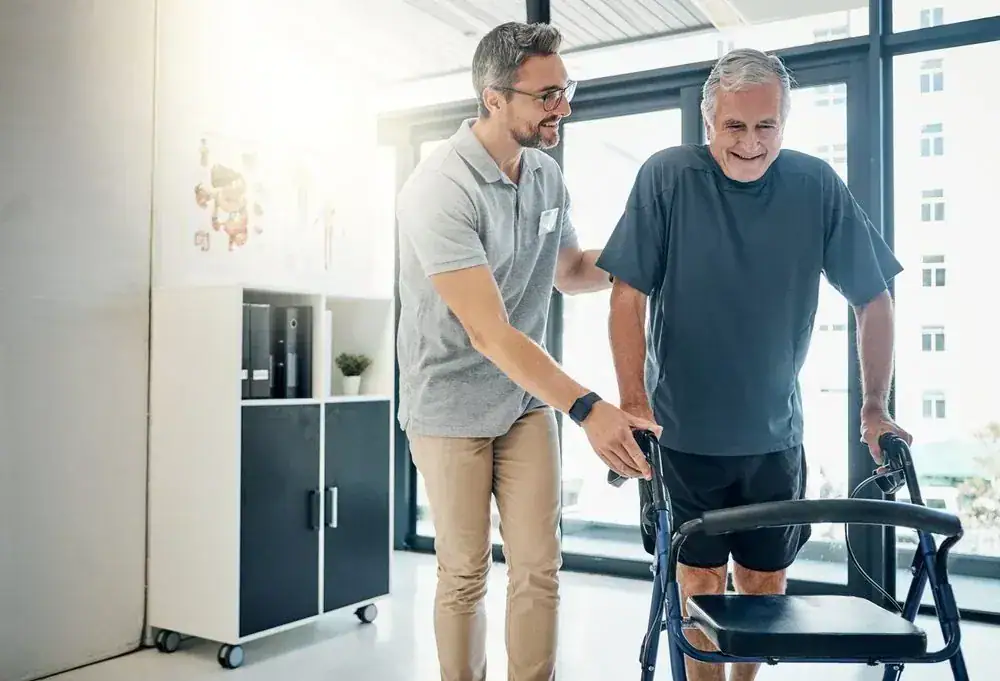
You stop second-guessing every step. Getting the mail doesn’t feel risky anymore. Walking to the car, reaching for something on a shelf, standing up from your chair – these everyday moments stop being sources of anxiety.
That’s what happens when balance training actually works. You’re not just doing exercises for the sake of it. You’re rebuilding the physical foundation that lets you move through your day without fear.
Most people who come to us have already had a fall, or they’ve felt themselves getting unsteady. Maybe you’ve grabbed onto furniture more often. Maybe you’ve stopped going places because you’re worried. That’s not in your head – that’s your body telling you something needs attention.
Physical therapy for balance addresses the actual reasons you feel unsteady: weak stabilizing muscles, reduced coordination, slower reaction time, or issues with how your inner ear and vision work together. When we strengthen those systems through targeted senior balance exercises, you get your confidence back because your body actually becomes more stable.
We’ve been helping Long Island residents stay steady for years, with locations throughout Nassau and Suffolk counties. We’re the team behind Physical Therapy Associates of Smithtown and other trusted local practices.
Elwood has one of the highest concentrations of older adults on Long Island – nearly 16% of residents are 65 or older. That means we see a lot of people dealing with balance concerns, and we’ve gotten good at addressing them. Your neighbors have worked with us. Your friends probably have too.
We’re not a corporate chain. We’re local therapists who understand that staying independent in your own home matters more than any statistic. Every fall prevention program we create is built around your specific risks, your goals, and what’s actually happening in your daily life.
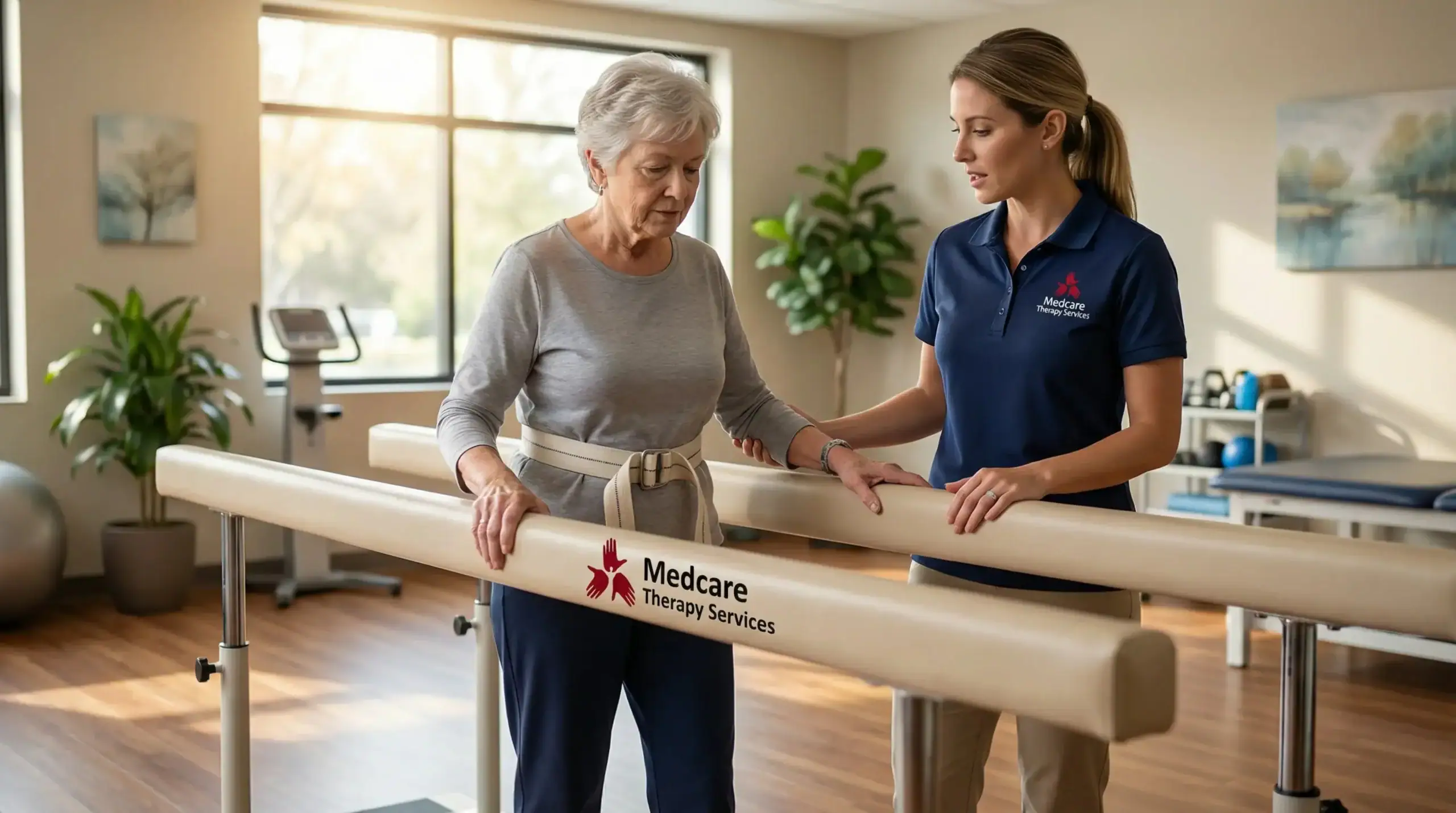
First, we do a fall risk assessment. This isn’t a generic questionnaire – it’s a thorough evaluation of your balance, strength, gait, and coordination. We look at how you walk, how quickly you can react, whether one leg is weaker than the other, and how well your body adjusts when you’re off-balance.
Then we talk about your actual life. Where do falls or near-falls happen? What activities have you stopped doing? What do you want to be able to do again? This matters because balance exercises for seniors only work if they’re designed around real situations you face.
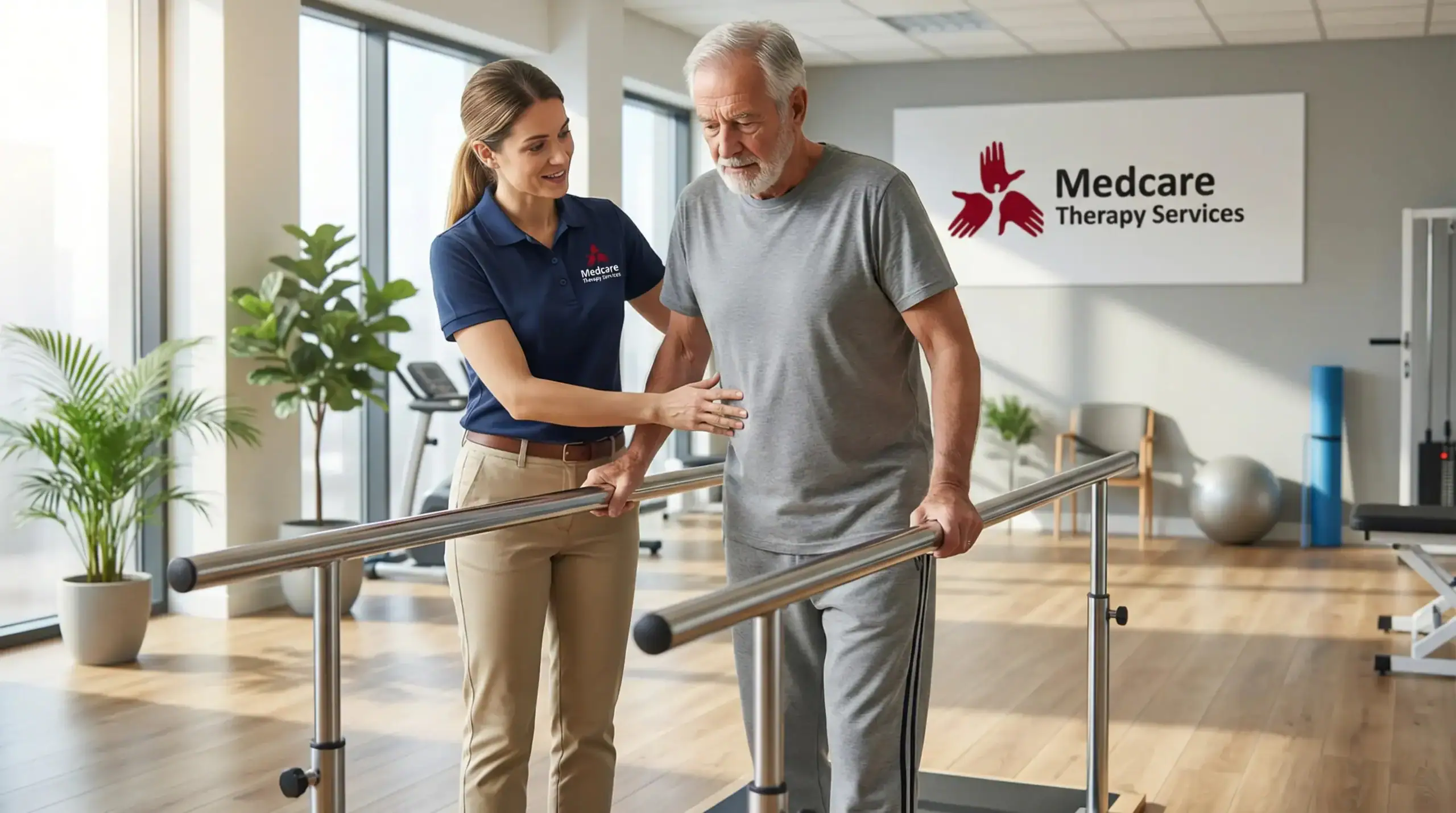
From there, we build your program. You’ll work on strength training that targets the muscles responsible for stability. You’ll do balancing exercises that challenge your coordination in controlled, safe ways. If needed, we’ll include gait training to improve how you walk, or vestibular rehabilitation if dizziness is part of the problem.
You’ll come in for sessions, usually a couple times a week. Each visit builds on the last one. We track your progress with objective measures – not just how you feel, but actual improvements in reaction time, strength, and balance scores. Most people start seeing changes within a few weeks.

Ready to get started?
You get a personalized exercise plan based on your specific fall risks. Not a printout of generic stretches – actual progressive training that gets harder as you get stronger. This includes strength work for your legs and core, balance training on different surfaces, and coordination drills that mimic real-world challenges.
You also get education about fall prevention in the elderly that goes beyond exercise. We’ll assess your home environment and suggest modifications that reduce risk – things like lighting, rugs, bathroom setup, and footwear. Small changes make a big difference.
In Elwood and surrounding Long Island communities, many of our clients are active homeowners who want to age in place. The median home value here is high, and most residents have lived in their homes for decades. You’ve invested in your property and your community. Our job is to make sure you can safely enjoy both.
We accept most insurance plans, which matters when you consider the alternative. The average hospital stay for a fall-related injury costs over $30,000. A single emergency room visit can run $3,000 or more. Physical therapy for balance is not only more effective at preventing falls – it’s dramatically less expensive than dealing with the aftermath of one.
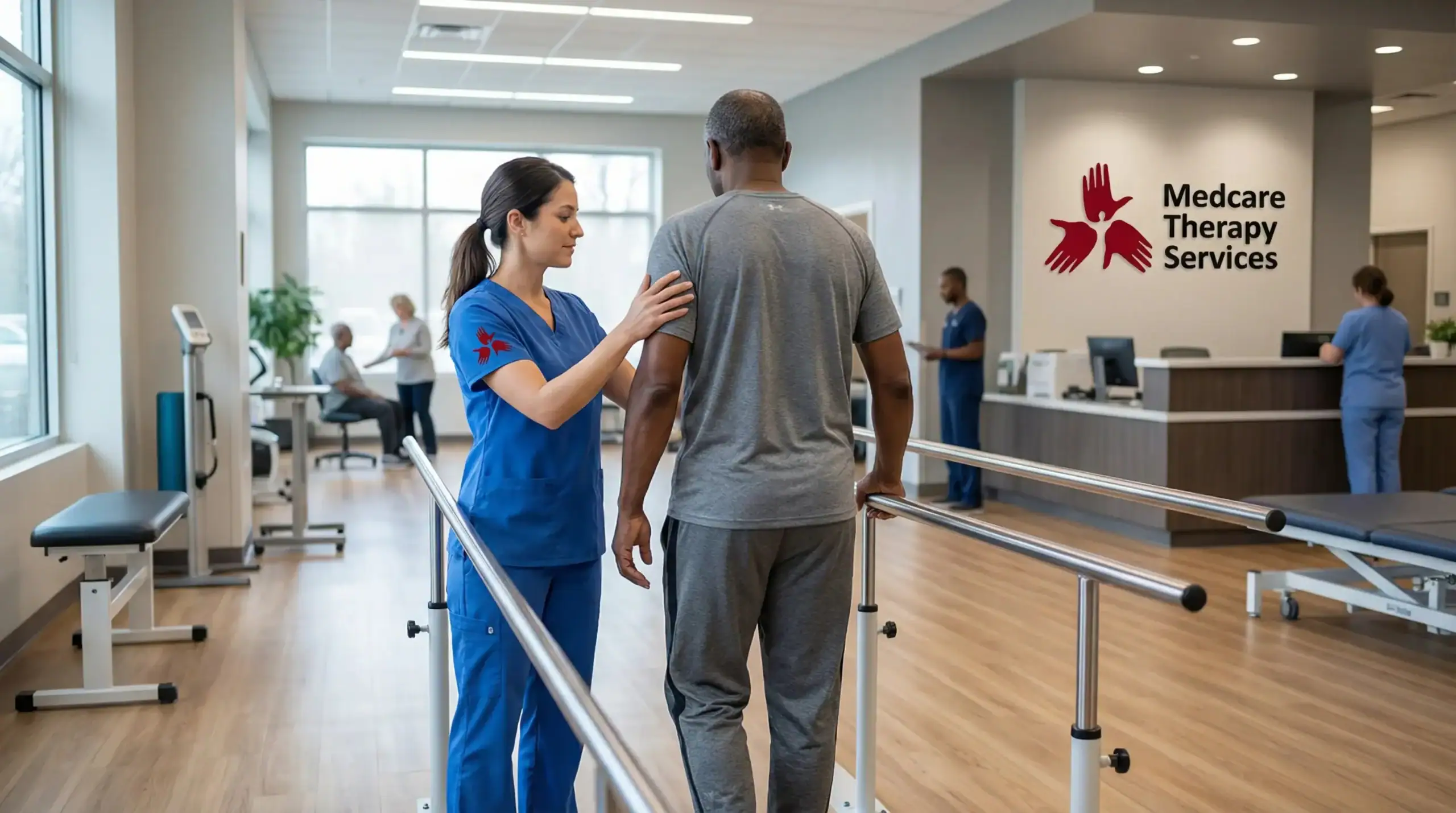
If you’ve fallen in the past year, you need it. If you’ve had a close call where you caught yourself, you probably need it. If you feel unsteady when walking, avoid certain activities because you’re worried about falling, or find yourself holding onto walls and furniture more than you used to, those are signs.
Here’s a simple test: can you stand on one foot for 10 seconds without wobbling or grabbing something? If not, your balance has declined enough to increase fall risk. Can you get up from a chair without using your hands? If that’s difficult, your leg strength may not be enough to catch yourself if you trip.
One in four adults over 65 falls every year. But falls aren’t a normal part of aging – they’re a sign that specific physical systems need strengthening. The earlier you address balance problems, the easier they are to fix. Waiting until after a fall means you’re recovering from an injury while also trying to improve balance, which is harder.
The assessment comes first. You might think you need better balance, but the real issue could be weak hip muscles, poor ankle mobility, or a vestibular problem. We test for all of it, then design exercises that target your specific deficits. Doing random balance exercises from YouTube might help, or they might miss the actual problem entirely.
Second, progression matters. Exercises that are too easy don’t create change. Exercises that are too hard increase fall risk. We adjust your program as you improve, challenging you at the right level every session. You can’t do that effectively on your own because you can’t objectively measure your own progress.
Third, safety. You need to practice being off-balance to improve balance – but doing that alone at home is risky. Our clinic gives you a controlled environment where you can safely challenge yourself. We’re there to catch you if needed, which means you can push harder than you would at home.
Most people notice changes within three to four weeks. You’ll feel steadier during everyday activities, and movements that felt risky start feeling more controlled. Objective improvements in balance scores usually show up around the same time.
A complete fall prevention program typically runs eight to twelve weeks, depending on your starting point and goals. That’s enough time to build real strength, retrain your balance systems, and establish habits that stick. Some people need less time, some need more – it depends on your specific situation.
But here’s what matters more than timeline: consistency. Coming twice a week and doing your home exercises makes a massive difference. Skipping sessions or only showing up once a week stretches everything out and reduces effectiveness. The people who commit to the schedule are the ones who see the fastest, most dramatic improvements.
Most insurance plans cover physical therapy for fall prevention, including Medicare. Coverage typically requires a physician referral and a documented medical need – which usually means you’ve fallen recently, you have a condition that increases fall risk, or an assessment shows significant balance deficits.
We accept most major insurance plans and can verify your specific coverage before you start. Copays and deductibles vary by plan, but physical therapy is generally covered as an outpatient service. If you’ve already met your deductible for the year, your out-of-pocket cost may be minimal.
Even if you’re paying out of pocket, consider the math. Fall prevention therapy might cost a few thousand dollars over a couple months. A single fall that sends you to the emergency room averages $3,000 for the ER visit alone – and that’s if nothing’s broken. A hip fracture requiring surgery and rehab can exceed $30,000. Preventing the fall is always cheaper than treating it.
It’s not too late. People who’ve fallen multiple times often see the biggest improvements because their balance has declined significantly, which means there’s more room for measurable gains. You’re also more motivated, which matters for consistency.
That said, multiple falls mean your risk is high right now. We take that seriously. Your program will start with safer, more supported exercises and progress more gradually. We might also recommend assistive devices or home modifications while we work on building your strength and balance back up.
The goal isn’t just to prevent the next fall – it’s to rebuild your confidence so you stop limiting your life out of fear. Many people who’ve fallen multiple times start avoiding activities, which leads to more muscle loss and worse balance, which increases fall risk even more. That cycle has to stop. Physical therapy breaks it by making you genuinely stronger and more stable, not just more careful.
No. Prevention works best before the first fall happens. If you’re noticing balance changes, feeling less steady, or you have risk factors like reduced vision, neuropathy, or medications that affect balance, starting therapy now makes sense.
Many of our Elwood clients come in because they want to stay active and independent. They’re in their late 60s or 70s, still doing yard work and traveling, and they want to make sure they can keep doing those things. Being proactive about fall prevention is smarter than waiting for a problem to force your hand.
We also work with people recovering from surgery, managing chronic conditions like Parkinson’s or arthritis, or dealing with age-related strength loss. Anything that affects how you move can increase fall risk. Addressing it early – before you actually fall – means you’re building strength and stability from a better starting point, which makes everything easier.
Other Services we provide in Elwood