

You’re not imagining it. Your balance isn’t what it used to be, and that split-second wobble in the kitchen or bathroom feels different now. Maybe you’ve already fallen once, or you’ve watched a friend or spouse go through it. Either way, the fear is real.
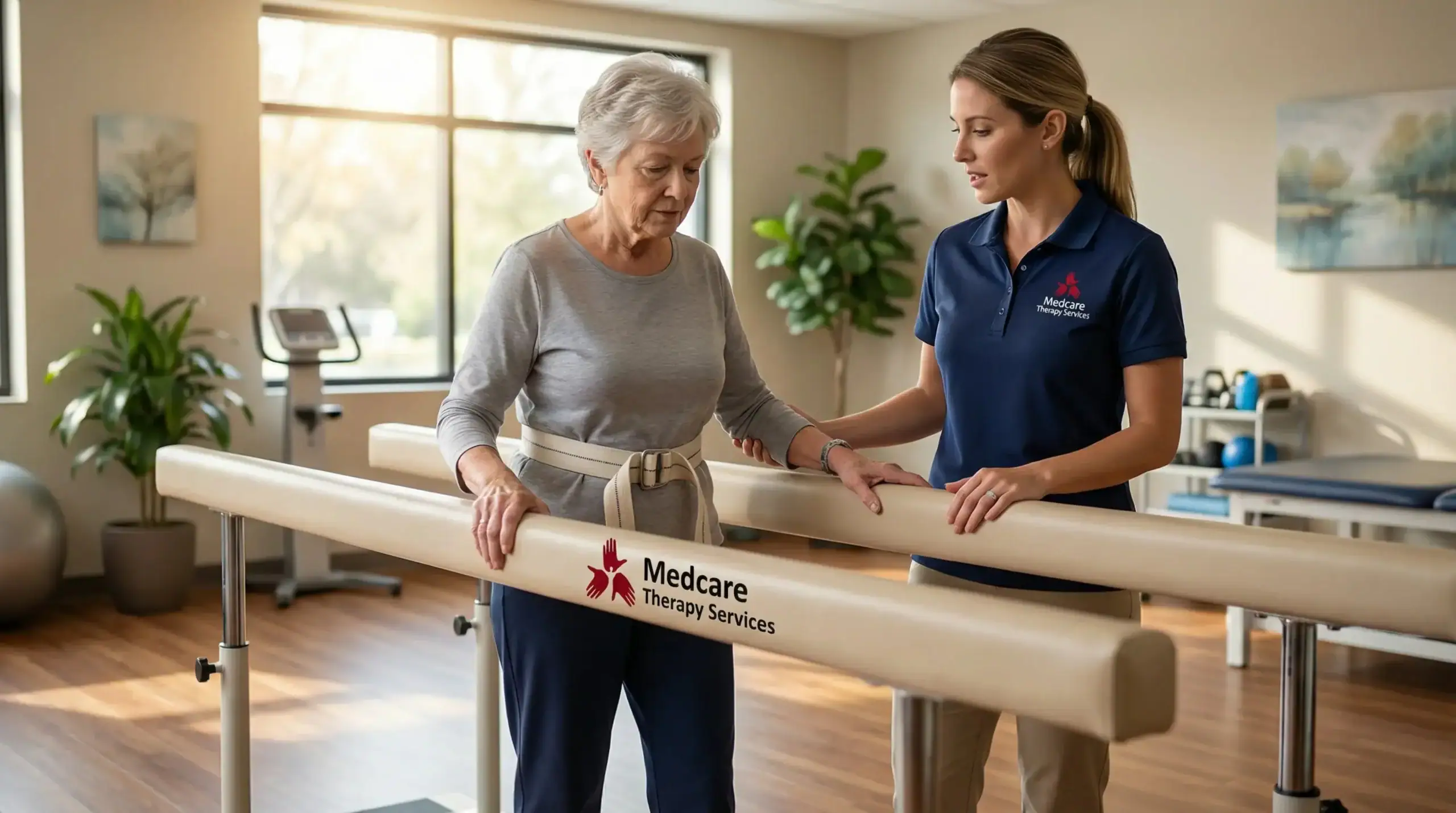
Here’s what most people don’t know: falls aren’t random. They follow patterns, and those patterns can be interrupted. A licensed physical therapist can assess how you move, where you’re compensating, and what’s putting you at risk. Then we build a plan around your body, your home, and your daily routine.
The outcome isn’t just stronger legs or better balance exercises for seniors. It’s being able to get the mail, take a shower, or walk to your car without that constant low-grade worry. It’s staying in your home instead of being forced into a facility because one fall changed everything. That’s what this is really about.
We’ve been treating patients across Long Island for years, including right here in East Northport, NY. We’re not a corporate chain. We’re licensed physical therapists who live and work in these communities, and we see the same things you do—aging parents trying to stay independent, seniors recovering from falls, families scrambling to figure out what’s safe.
We work with patients at The Bristal, Birchwood Suites, and in private homes throughout Suffolk County. Our therapists are trained in elderly fall prevention protocols, and we accept Medicare and most major insurance plans. You’re not starting from scratch here. We’ve done this hundreds of times, and we know what works.

First, we sit down and talk. You’ll meet with a physical therapist who asks about your health history, medications, past falls, and what you’re worried about. This isn’t a formality—it’s where we figure out what’s actually going on.
Next comes the physical assessment. We watch how you walk, how you turn, how you get up from a chair. We test your balance, your strength, and your reaction time. We’re looking for the specific things that increase your fall risk—weak hips, poor vision compensation, medication side effects, or just years of favoring one side.
Then we map out a plan. That usually means balance training and strengthening exercises you can do at home or in our clinic. We also talk about your home setup—lighting, rugs, bathroom grab bars, clutter. Some patients need a walker or cane fitted properly. Others just need to rebuild confidence after a previous fall.
You’ll come in once or twice a week, depending on your needs and insurance coverage. Most people see improvement in 4 to 6 weeks. The goal is simple: reduce your fall risk and give you the stability to keep doing what you want to do.

Ready to get started?
Every plan is different, but most include a combination of balance exercises, strength training, and gait work. You’ll practice standing on one leg, shifting your weight, and recovering from an off-balance position. You’ll work on hip and core strength, because that’s what keeps you upright when you trip or stumble.
We also address the environmental side. In East Northport and across Long Island, most falls happen at home—in the bathroom, on stairs, or just walking from room to room. We’ll talk through your specific layout and routines. Sometimes it’s as simple as moving a lamp or removing a throw rug. Other times, we refer you to an occupational therapist for a full home safety evaluation.
If you’ve fallen before, we treat that too. Physical therapy helps with pain, mobility, and rebuilding strength after a hip fracture or other injury. But just as important, we work on the psychology of it. Falling once doubles your chance of falling again, not just because of physical factors, but because fear makes you move differently. We help you move with confidence again, not caution.

You’re at higher risk if you’ve fallen in the past year, even if you weren’t hurt. That’s the biggest predictor. Other red flags include feeling unsteady when you walk, needing to use your hands to get up from a chair, or avoiding certain activities because you’re worried about balance.
Medications matter too. If you take four or more prescriptions, especially blood pressure meds, sedatives, or anything that causes dizziness, your fall risk goes up. Vision problems, foot pain, and weak legs all contribute. So does living alone, because there’s no one around to catch you or call for help.
A physical therapist can run a formal fall risk assessment in about 30 minutes. It’s covered by Medicare. If you’re on the fence, that’s the place to start. You’ll get a clear answer and a plan, not just a guess.
Yes, in most cases. Medicare Part B covers physical therapy when it’s medically necessary, and fall prevention absolutely qualifies. You’ll need a referral or prescription from your doctor, but that’s usually a quick conversation. Once you’re approved, Medicare covers the evaluation and ongoing treatment sessions.
You may have a copay depending on your plan, but the bulk of the cost is covered. If you have a Medicare Advantage plan or supplemental insurance, your out-of-pocket cost might be even lower. We handle the billing and work directly with your insurance, so you’re not stuck figuring it out on your own.
If you’re not on Medicare yet, most major insurance plans also cover fall prevention and balance therapy. Call our office and we’ll verify your benefits before your first visit. You shouldn’t have to guess what this will cost.
Absolutely. Physical therapy is one of the most effective ways to recover from a fall and prevent the next one. If you fractured a hip, broke a wrist, or just have lingering pain and stiffness, we treat that first. You’ll regain range of motion, rebuild strength, and get back to normal movement patterns.
But we don’t stop there. We also figure out why you fell in the first place. Was it a balance issue? Weak legs? Poor lighting? A medication side effect? Once we know the cause, we address it directly so it doesn’t happen again.
The stats are hard to ignore—falling once doubles your chance of falling again. But that’s only true if nothing changes. Physical therapy changes the equation. You get stronger, more stable, and more aware of your body. That’s how you break the cycle.
Most patients come in once or twice a week for about 4 to 6 weeks. Some need more time, especially if they’re recovering from an injury or dealing with multiple risk factors. Others see improvement faster and transition to a home exercise program.
Each session lasts around 45 minutes to an hour. You’ll work one-on-one with a licensed physical therapist who adjusts your plan based on how you’re progressing. This isn’t a group class or a generic workout. It’s individualized treatment that adapts to your needs.
The goal is to get you stable and confident, then give you the tools to maintain that on your own. We’re not trying to keep you coming in forever. We’re trying to get you safe, strong, and back to your life as quickly as possible.
You’ll do both. Most fall prevention programs include in-clinic sessions where a therapist supervises your exercises, corrects your form, and progresses your plan. That hands-on guidance is important, especially early on when you’re still figuring out what your body can do.
But you’ll also get exercises to do at home. These are simple movements—standing on one foot while holding a counter, practicing sit-to-stand transitions, or walking heel-to-toe down a hallway. The more you practice, the faster you improve.
Some patients do well with a hybrid approach—starting in the clinic, then transitioning to home-based exercises once they’re confident. If mobility is an issue, we also offer home visits in certain cases. The point is to meet you where you are and build a plan that actually fits your life.
We’ve been doing this for years, and we’re deeply embedded in the Long Island community. Our therapists work with patients at local senior living facilities like The Bristal and Birchwood Suites, and we treat people in their homes throughout East Northport, Northport, Commack, and beyond. We’re not new to this area or this population.
We also take a comprehensive approach. Fall prevention isn’t just about balance exercises for seniors—it’s about understanding your medications, your home environment, your vision, and your daily routine. We look at the whole picture, not just one piece of it.
You’ll work with licensed physical therapists who specialize in geriatric care and fall prevention protocols. We accept Medicare and most major insurance. And we manage our operations carefully, so your appointments don’t get canceled, your records stay secure, and your care stays consistent. You’re not just another patient here. You’re someone we’re trying to keep safe and independent for as long as possible.
Other Services we provide in East Northport