
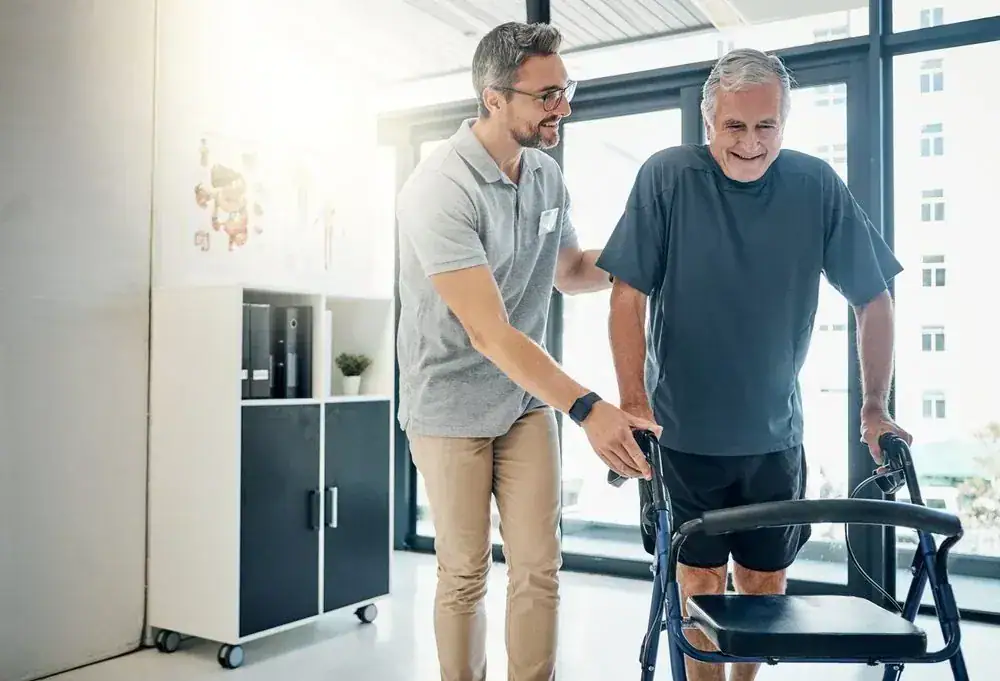
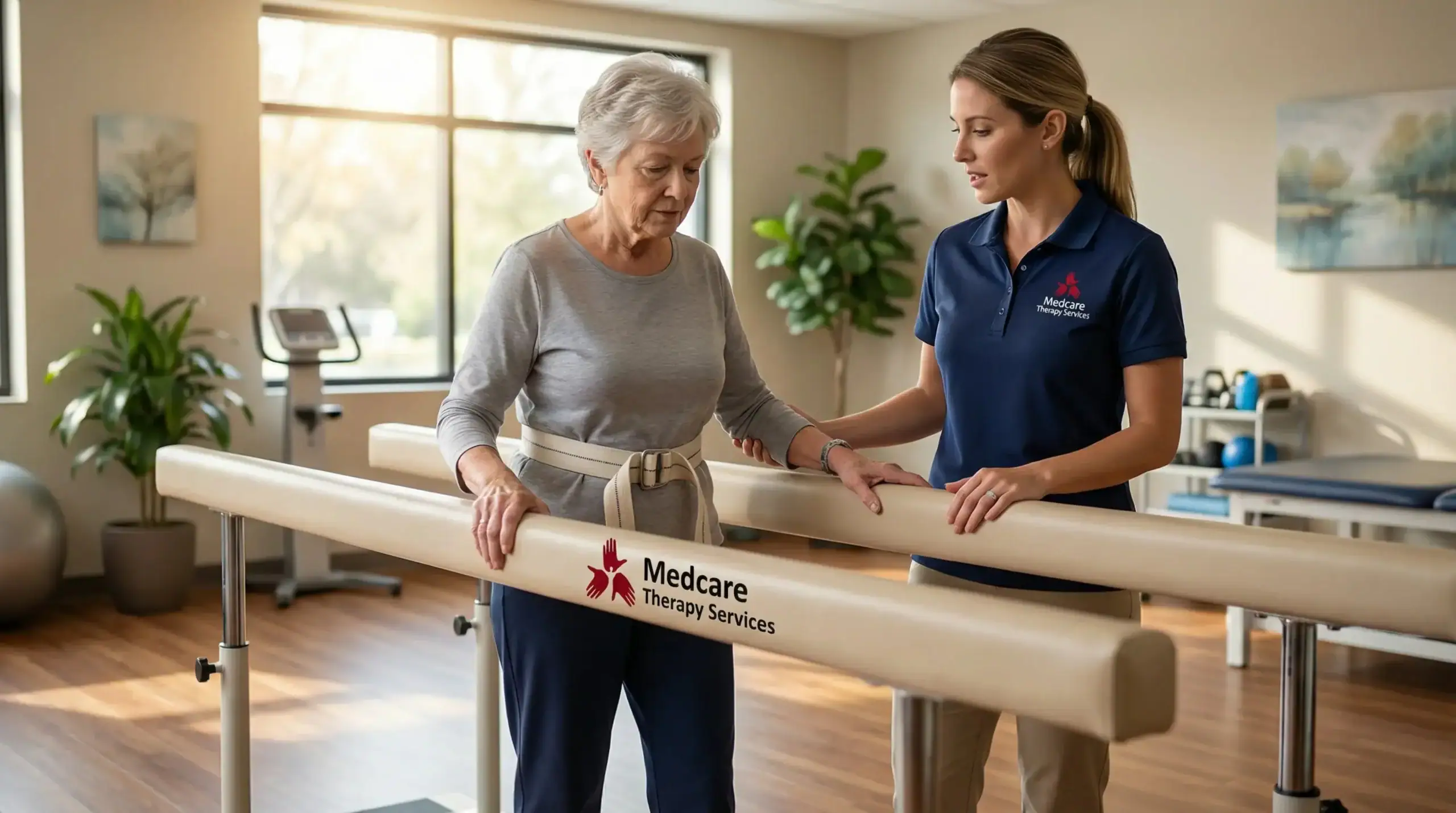
You stop second-guessing every step. The bathroom at night doesn’t feel like a risk. Getting the mail or reaching for something in the kitchen becomes automatic again, not something you have to plan around.
When your balance improves, you’re not just steadier on your feet. You’re more willing to leave the house, see people, do the things you’ve been avoiding. That’s what matters.
Nassau County sees some of the highest fall rates in New York State, with 88% of injury hospitalizations for seniors tied to falls. Most of those happen at home. That’s exactly why we bring physical therapy for balance directly to you in East Massapequa—so you can train in the environment where it matters most, with exercises built around your specific risks and limitations.
We’ve been serving Long Island since 2010. We specialize in Medicare-covered in-home therapy for seniors who have difficulty getting to appointments or want to train where they actually live.
Our therapists are licensed, experienced, and focused on one thing: reducing your fall risk through personalized balance exercises for seniors that match your current ability. We’re not a corporate clinic. We’re a local practice that treats every patient like family, because that’s how healthcare should work.
East Massapequa seniors deserve therapy that fits their schedule, their home, and their goals. We show up, assess your risks, and build a plan that makes sense for your life.
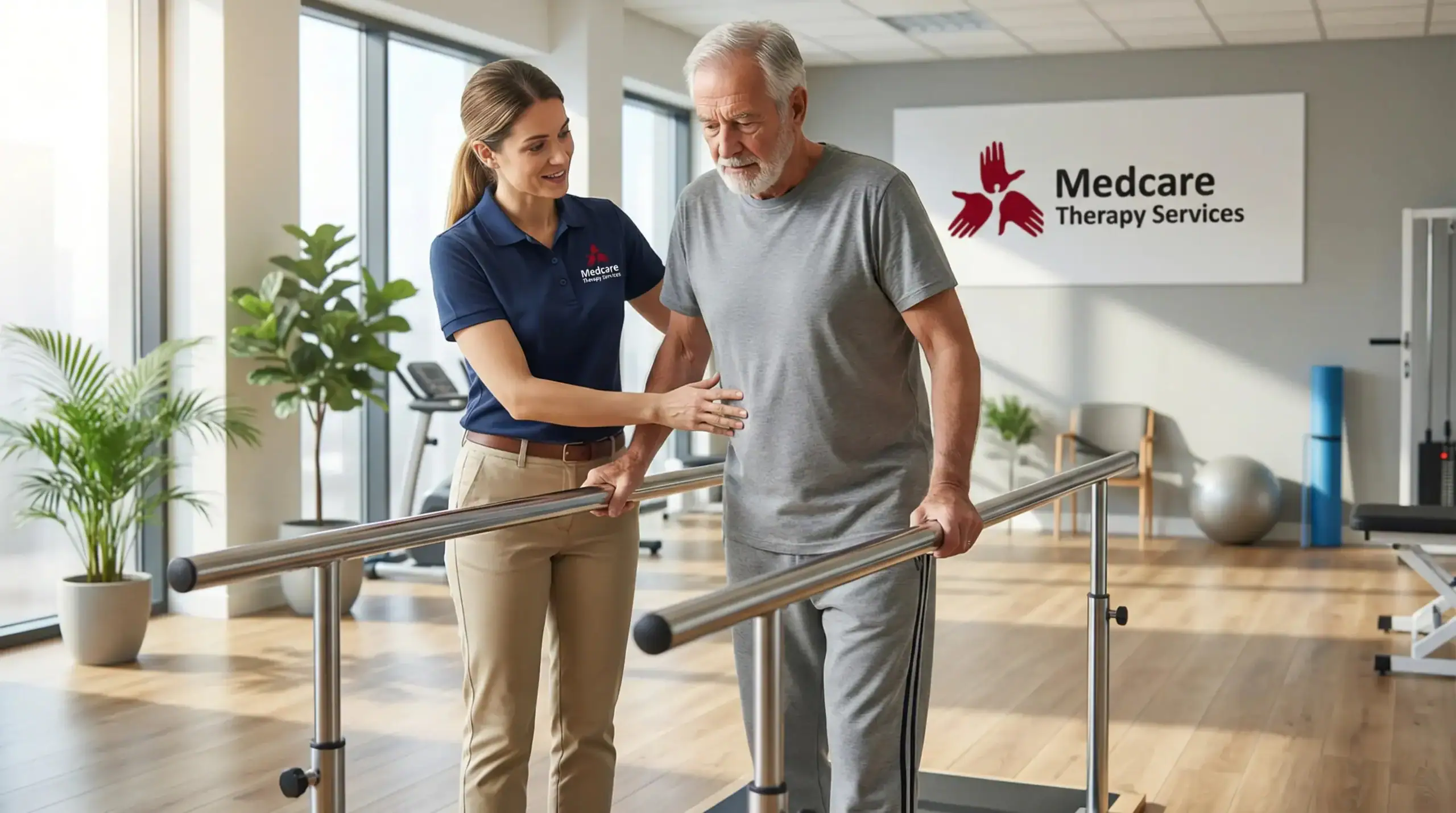
We start with a fall risk assessment in your home. That means evaluating your strength, balance, gait, and the layout of your space. We’re looking at how you move, where the hazards are, and what’s limiting your confidence.
From there, we build a treatment plan. It’s not generic senior balance exercises pulled from a handout. It’s progressive training designed around your specific impairments—whether that’s weak legs, poor coordination, fear after a previous fall, or all of the above.
Each session is one-on-one. We guide you through balancing exercises, strength work, mobility drills, and functional movements. We also teach you how to use assistive devices correctly if needed, how to recover if you do fall, and what changes to make around your home to stay safer.
Most patients see us one to three times per week depending on their needs. Medicare typically covers the cost when therapy is medically necessary, which we help determine and document.

Ready to get started?
You get a full evaluation of your balance, strength, and mobility. We test how you walk, how you turn, how you handle uneven surfaces or obstacles. We measure your fall risk and identify what’s contributing to it.
Your therapy includes targeted exercises to improve leg strength, coordination, and reaction time. We work on static and dynamic balance, meaning both standing still and moving safely. You’ll practice real-world tasks like getting up from a chair, stepping over objects, or walking on different surfaces.
We also assess your home for fall hazards. Loose rugs, poor lighting, clutter, bathroom setup—we point out what needs to change and help you prioritize. If you use a cane or walker, we make sure it’s the right fit and that you’re using it correctly.
In East Massapequa and across Nassau County, falls are the leading cause of injury for older adults. But fall prevention in the elderly works. Studies show structured programs can cut fall risk by 30% to 35%. That’s not a guarantee, but it’s a real, measurable difference when the program is done right.
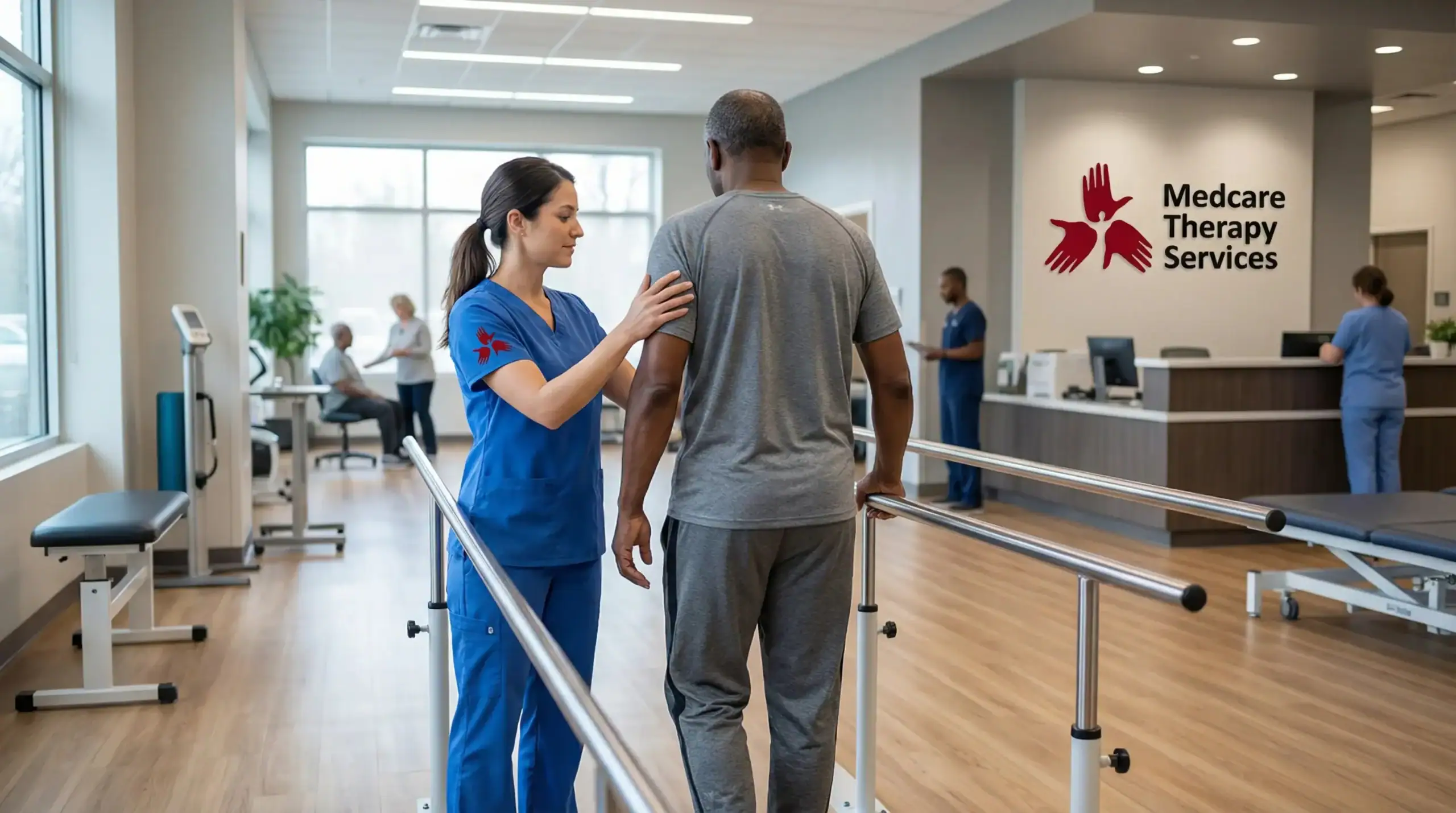
Yes, Medicare Part B covers in-home physical therapy when it’s medically necessary. That usually means you’ve had a fall, you’re at high risk of falling, or you have a condition affecting your balance or mobility that requires skilled therapy.
We handle the documentation and work with your doctor to make sure everything is set up correctly. You’ll typically pay 20% of the Medicare-approved amount after your deductible, but many secondary insurances cover that portion.
Not every balance issue qualifies, but most seniors dealing with real fall risk do. We’ll let you know during the evaluation whether your situation meets Medicare’s criteria, and we accept most commercial insurances as well if Medicare isn’t an option.
Most people start feeling steadier within two to four weeks if they’re consistent with their exercises. That doesn’t mean you’re done—it means you’re noticing improvement in how you move and how confident you feel.
A full fall prevention program usually runs six to eight weeks, sometimes longer depending on your starting point and goals. We’re building strength and retraining your nervous system, and that takes time.
The key is sticking with it. Skipping sessions or not doing your home exercises between visits will slow progress. But if you show up and put in the work, you’ll see changes in your balance, your gait, and your willingness to move around without fear.
We use exercises that match your current ability and challenge you just enough to make progress. That might mean standing on one leg with support, walking heel-to-toe in a straight line, or practicing weight shifts from side to side.
We also do functional movements—things like stepping up onto a curb, turning your head while walking, or reaching for objects while standing. These mimic real-life situations where falls happen, so you’re training your body to handle them safely.
As you get stronger, we progress the difficulty. Maybe you start holding onto a counter, then one finger, then nothing. Maybe we add uneven surfaces or dual-task training where you’re balancing while doing something else. It’s all based on what you need and what you can handle, not some one-size-fits-all routine.
Absolutely. In fact, that’s one of the most important times to start. Falling once doubles your chances of falling again, partly because of physical factors and partly because of fear.
We work on both. Physically, we identify what caused the fall—was it weakness, poor balance, tripping, dizziness?—and address it directly. We also teach you how to fall more safely and how to get back up if it happens again, which reduces injury risk and builds confidence.
The fear piece is real. A lot of people become less active after a fall, which makes them weaker and more likely to fall again. We help you rebuild trust in your body through gradual, controlled movement in a safe environment. You’re not alone in this, and you’re not broken. You just need the right training.
No. We specialize in in-home therapy, which is ideal for people who have trouble getting to appointments, but you don’t have to be homebound to work with us.
A lot of our East Massapequa patients choose in-home therapy because it’s more convenient, more personalized, and allows us to assess and train them in their actual living environment. That’s where most falls happen, so it makes sense to do the work there.
If you’d rather come to a clinic, we can discuss options. But if you’re dealing with transportation challenges, mobility limitations, or you just want therapy that fits your life instead of the other way around, in-home is usually the better choice. We bring everything we need to you.
Call us or reach out through our website. We’ll ask a few questions about your situation—your fall history, current mobility, any balance concerns—and schedule an initial evaluation at your home.
You don’t need a referral to contact us, but you will need a physician’s order for Medicare to cover the therapy. If you don’t have one yet, we can coordinate with your doctor to get that set up.
From there, we come to you, do the assessment, explain what we found, and outline a treatment plan. If it makes sense and you want to move forward, we start therapy. If not, no pressure. Our job is to give you the information and support you need to make the right call for your health and independence.
Other Services we provide in East Massapequa