
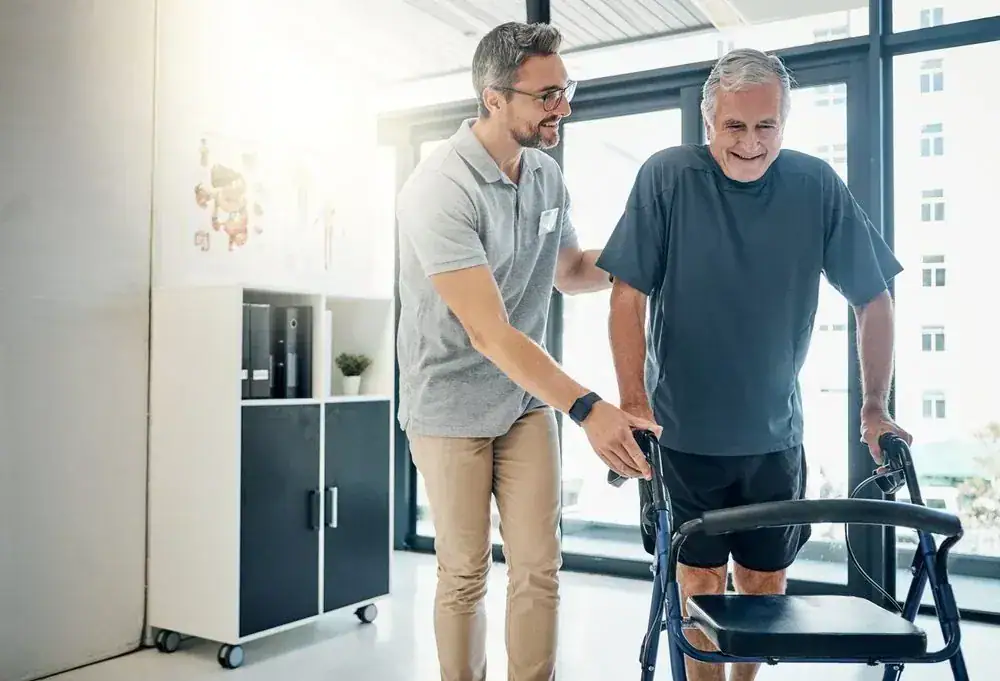
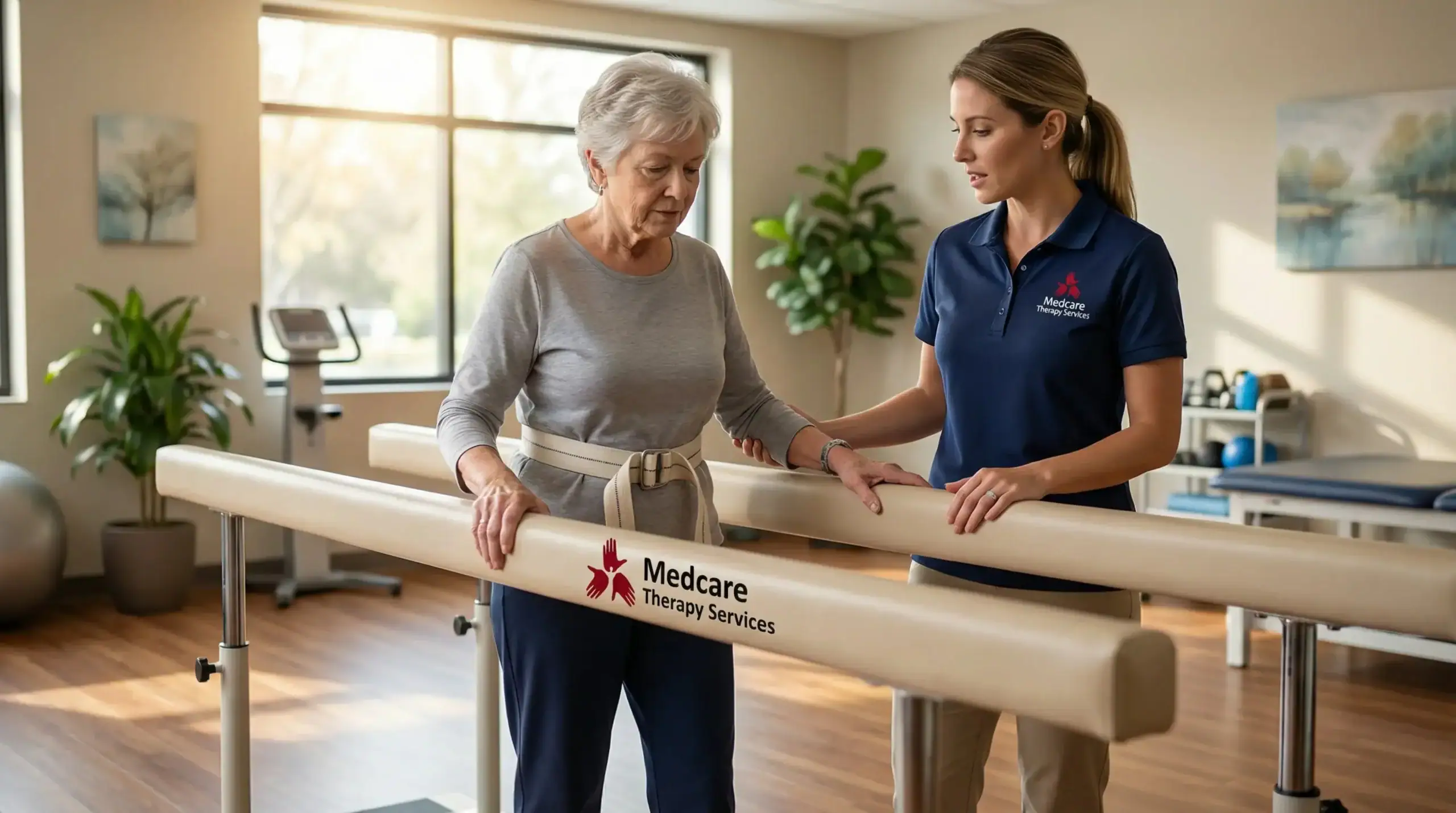
You know the statistics. One in three adults over 65 falls each year on Long Island. Nassau County ranks fourth in New York State for fall-related incidents, and 88% of injury hospitalizations for older adults here are caused by falls.
But statistics don’t tell the whole story. What really matters is whether you can walk to the mailbox without second-guessing your balance. Whether you can stand up from a chair without bracing yourself. Whether you feel steady enough to live the way you want.
Physical therapy for balance works. Research shows that targeted exercises improve strength, mobility, and confidence while reducing your actual risk of falling. You’re not just doing generic stretches. You’re retraining your body to respond when it needs to, building the kind of strength that keeps you upright when the ground isn’t perfectly flat.
The goal isn’t to avoid movement. It’s to move better. When your balance improves, your world opens back up. You stop planning your day around what feels safe and start doing what you actually want to do.
We’ve been serving Long Island since 2010. We specialize in in-home physical and occupational therapy for seniors who find it difficult to leave the house or simply prefer the comfort and convenience of receiving care at home.
Our therapists are licensed, Medicare-approved, and trained in Otago fall prevention protocols. That means you’re working with someone who understands how falls happen and how to stop them before they do. We don’t treat you like a number. Every evaluation is thorough. Every exercise program is customized. Every visit is scheduled around your life, not ours.
East Hills and the surrounding Nassau County communities have unique needs. Many of our clients are managing multiple health conditions, living alone, or caring for a spouse. Transportation is a barrier. Time is limited. Trust matters. We’ve built our reputation by showing up consistently, treating people with respect, and delivering results that actually improve daily life.
Your first session starts with a conversation. We ask about your medical history, your current symptoms, and what’s been limiting you. If you’ve fallen before, we want to know when, where, and what happened. If you haven’t but you’re afraid you will, that matters too.
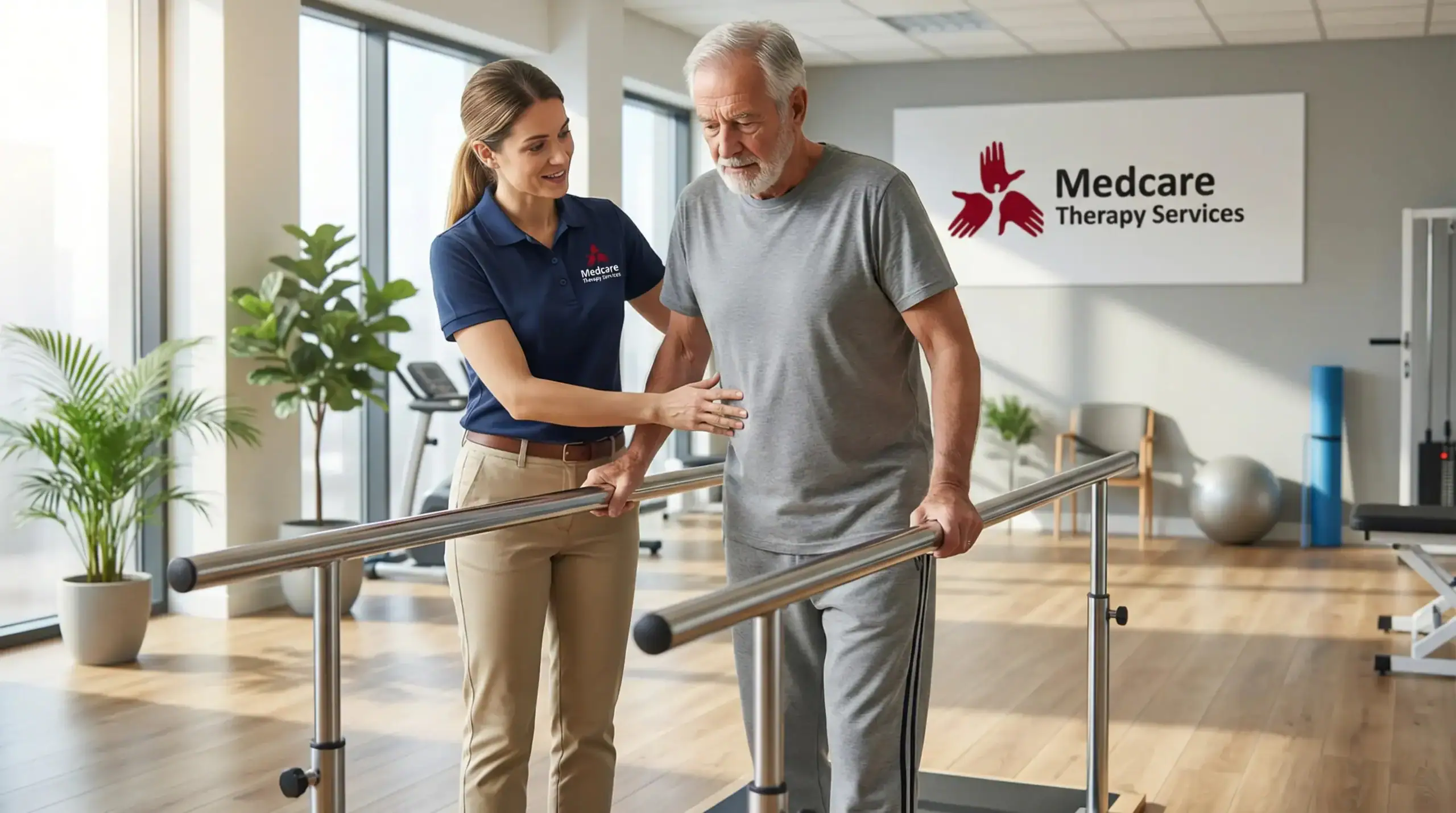
Next comes the assessment. We evaluate your strength, balance, gait, and mobility. We watch how you move through your home. We identify risks you might not have noticed—uneven flooring, poor lighting, furniture placement. This isn’t about judgment. It’s about information.
From there, we design your program. You’ll receive a customized set of exercises based on what your body needs most. Some focus on lower extremity strength. Others target dynamic balance or coordination. We also provide gait training if your walking pattern has changed or feels unsteady.
Each session is one-on-one in your home. You’re not sharing time with other patients or waiting for equipment. We bring what’s needed, work at your pace, and adjust as you improve. Between visits, you’ll have a home exercise plan. It’s not complicated. It’s practical, manageable, and designed to fit into your routine without taking over your day.
Ready to get started?
You’ll receive a full fall risk assessment that looks at strength, balance, mobility, and environmental factors. This isn’t a checklist. It’s a detailed evaluation that helps us understand where your risks are highest and what we can do about them.
Your exercise program will include senior balance exercises tailored to your current ability level. These are evidence-based movements shown to reduce falls in older adults. Expect exercises that challenge your stability in a controlled way—standing on one leg, weight shifts, step-ups, and movements that mimic real-world scenarios like reaching for something on a shelf or turning around quickly.
We also provide gait training. If your walking pattern has changed due to injury, surgery, or simply aging, we work to restore a safer, more efficient stride. You’ll learn how to navigate stairs, curbs, and uneven surfaces with more confidence.
Long Island seniors face specific challenges. Many East Hills residents live in multi-level homes with stairs. Winter weather creates slip hazards. Limited access to specialized balance centers means many people go without the care they need. We address those gaps by bringing expertise directly to you, covered by Medicare, with no need to arrange transportation or leave your home.
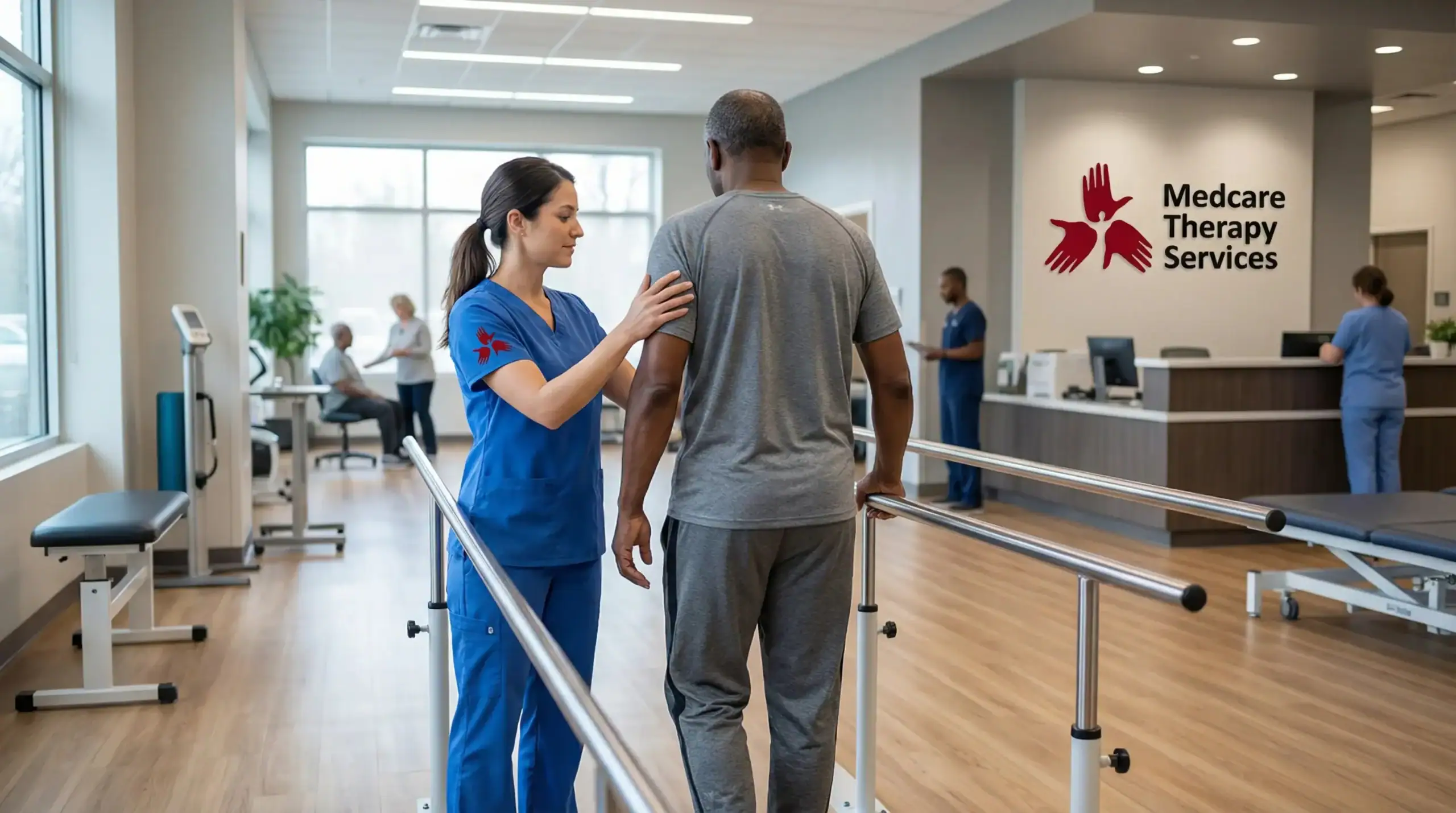
If you’ve fallen in the past year, you need an evaluation. If you feel unsteady when standing up, walking, or turning, you need an evaluation. If you’re avoiding activities because you’re afraid you’ll fall, that’s another sign.
Even if you haven’t fallen yet, certain risk factors make therapy worthwhile. Muscle weakness, balance problems, dizziness, vision changes, or taking multiple medications all increase your fall risk. So does a history of stroke, Parkinson’s, arthritis, or neuropathy.
The truth is, most people wait too long. They assume unsteadiness is just part of getting older, or they don’t want to admit they’re struggling. But falls don’t usually come out of nowhere. There are warning signs, and physical therapy can address them before a fall happens. If you’re questioning whether you need help, that’s usually enough reason to get assessed.
You’ll do exercises that challenge your stability in safe, controlled ways. That might include standing on one leg while holding onto a counter, then progressing to doing it without support. Weight shifts from side to side or front to back. Heel-to-toe walking. Step-ups onto a low platform.
We also incorporate functional movements—things that mimic what you do every day. Sitting down and standing up from a chair without using your hands. Reaching overhead or bending down to pick something up. Turning your head while walking. These aren’t random. They’re designed to strengthen the exact movements that prevent falls in real life.
Your program will progress as you get stronger. What feels challenging in week one should feel manageable by week four. That’s when we increase the difficulty. The goal is continuous improvement, not staying comfortable. But we also don’t push you into anything unsafe. Every exercise is adapted to your current ability, and we’re right there with you.
Yes. Medicare Part B covers outpatient physical therapy and occupational therapy when it’s medically necessary. Fall prevention and balance training fall under that coverage as long as you have a physician’s order and meet the criteria.
You’ll be responsible for your standard Medicare cost-sharing—typically 20% of the Medicare-approved amount after you’ve met your deductible. If you have a Medicare Supplement plan, it may cover some or all of that remaining cost. If you have a Medicare Advantage plan, your coverage and copay structure may differ, so it’s worth checking your specific plan details.
We handle the billing and work directly with Medicare. You don’t need to file claims or manage paperwork. If you’re unsure about your coverage, we can help you verify your benefits before starting therapy. The key is that this isn’t considered experimental or optional care. It’s a proven, medically necessary intervention, and Medicare recognizes that.
It depends on your starting point and your goals. Some people see significant improvement in four to six weeks. Others benefit from a longer program, especially if they’re recovering from an injury or managing a chronic condition that affects balance.
Most programs involve one to two visits per week. Each session lasts about 45 minutes to an hour. Between visits, you’ll have exercises to do on your own. Consistency matters more than intensity. Doing a little bit every day will get you further than doing a lot once in a while.
We reassess your progress regularly. If you’re improving quickly, we adjust the program to keep challenging you. If progress is slower, we dig into why and modify the approach. The program ends when you’ve met your goals—whether that’s walking without a cane, feeling confident on stairs, or simply moving through your day without fear. Some people continue with a maintenance program after that. Others feel ready to manage on their own.
You’re being treated in the environment where you actually live. That matters because the risks in your home are different from the risks in a clinic. We can assess your lighting, your flooring, your furniture arrangement. We can practice walking from your bedroom to your bathroom, or going up and down your actual stairs.
There’s also no transportation barrier. If you’re already unsteady, getting in and out of a car and navigating a parking lot adds risk. If you don’t drive, you’re dependent on someone else’s schedule. In-home therapy removes all of that. We come to you, on time, ready to work.
And frankly, most people are more comfortable at home. You’re not worried about what you’re wearing or who’s watching. You can move at your own pace without feeling rushed. You have access to your own bathroom, your own kitchen, your own furniture. It’s less stressful, more private, and more practical. For seniors in East Hills who value independence and convenience, in-home therapy just makes sense.
Physical therapy prevents falls because it addresses the specific reasons people fall. Weak legs, poor balance, slow reaction time, abnormal gait—these are all measurable, treatable problems. Exercise alone might help, but it’s not targeted. Physical therapy is.
Research backs this up. Studies show that structured balance and strength training reduces fall risk by nearly 25%. Programs like Otago, which we use, have been tested on thousands of older adults and consistently show results. You’re not guessing. You’re following a protocol that works.
The difference between physical therapy and generic exercise is the assessment, the customization, and the progression. We identify your weak points and build a program around them. We make sure you’re doing exercises correctly so they actually work. And we adjust as you improve so you keep getting stronger. That’s not something you get from a YouTube video or a group fitness class. It’s skilled care, and it makes a measurable difference in whether you fall or stay upright.
Other Services we provide in East Hills