
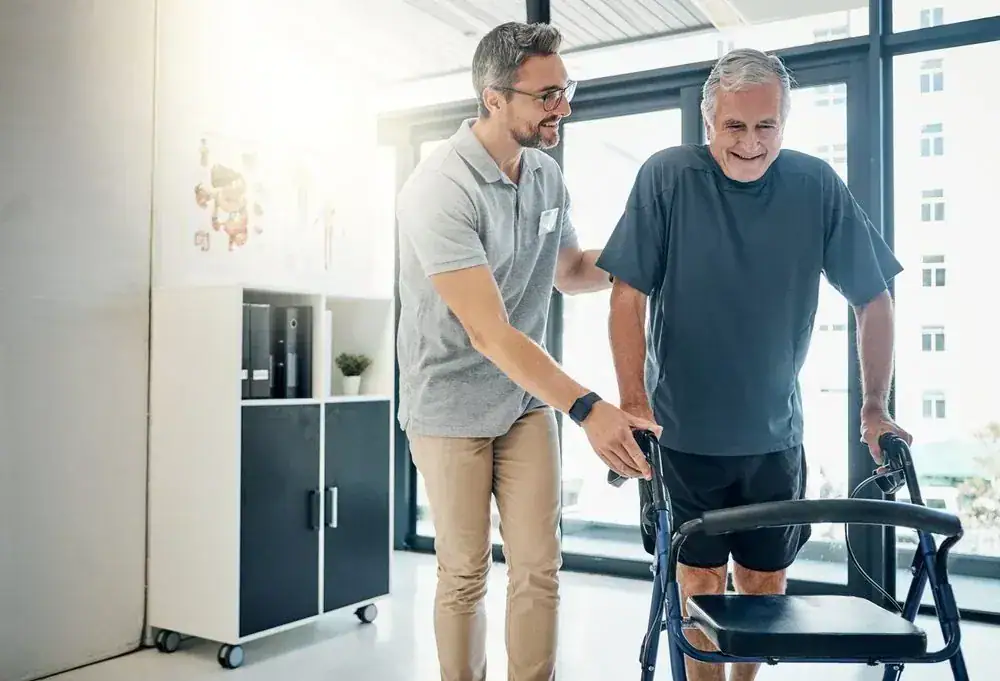
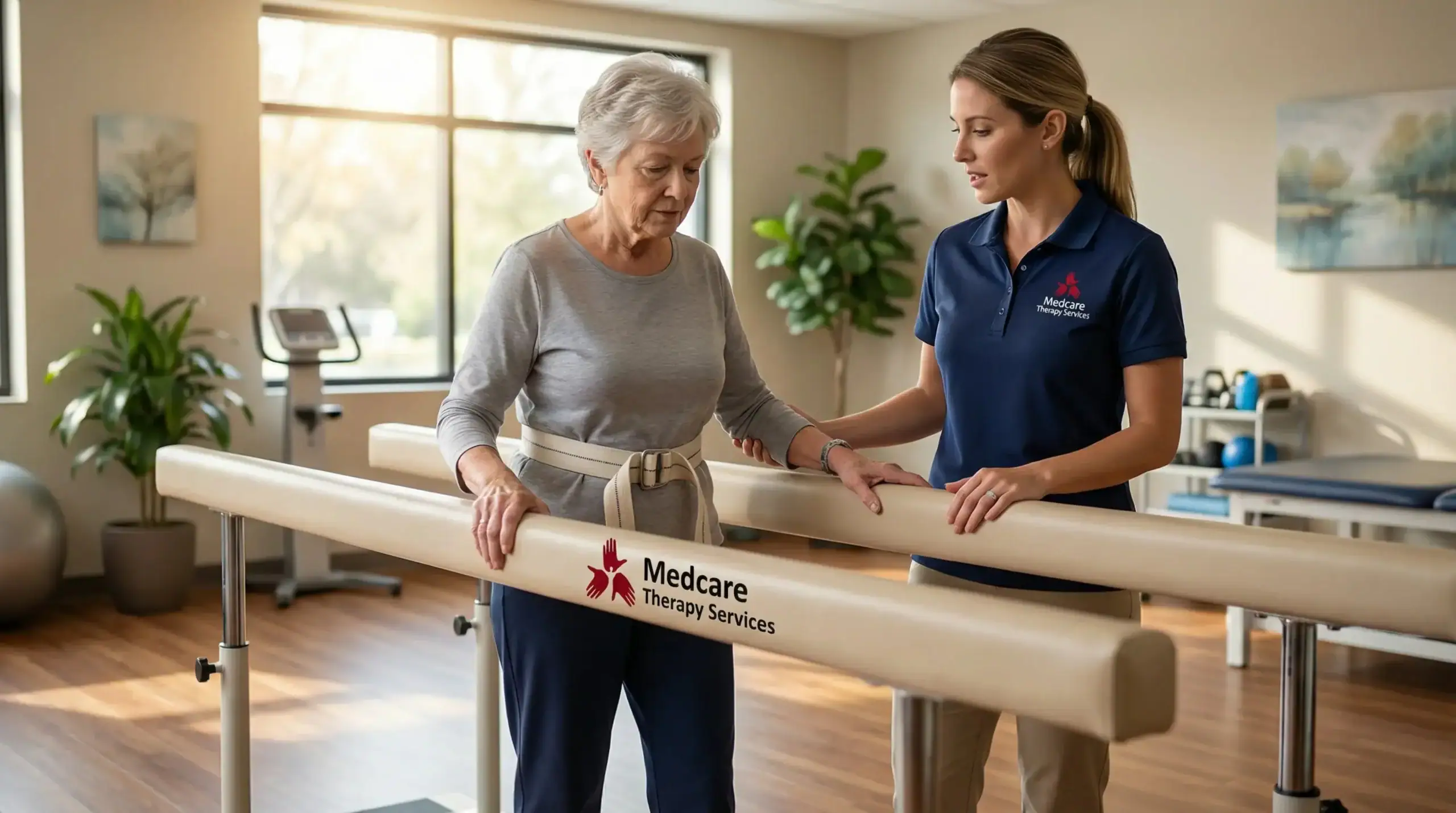
You’re not imagining it. Your balance isn’t what it used to be, and that unsteadiness is affecting more than just your body.
It’s changing how you move through your day. You’re second-guessing stairs. Avoiding walks you used to enjoy. Maybe you’ve already had a close call, or you’re watching a loved one slow down because the fear of falling is taking over.
Here’s what changes when you address it: you move through your home without hesitation. You get up from a chair without bracing yourself. You walk to the mailbox, the kitchen, the bathroom without that nagging worry in the back of your mind. Your independence stays intact because your body is stronger, your balance is sharper, and your confidence comes back.
That’s what senior balance exercises and targeted physical therapy for balance actually do. They don’t just reduce fall risk on paper. They give you your life back, in your own home, on your terms.
We’ve been providing in-home physical therapy across Long Island for over a decade. We’re not new to this, and we’re not experimenting with your safety.
Our therapists come to your home in Deer Park because we know getting to an office isn’t always easy, and honestly, it shouldn’t have to be. You’re more comfortable at home. You’re safer at home. And that’s where the work should happen.
We accept Medicare and most commercial insurance, so cost doesn’t become another barrier. We’ve built our reputation on showing up, doing the work, and helping people stay independent longer. That’s it.
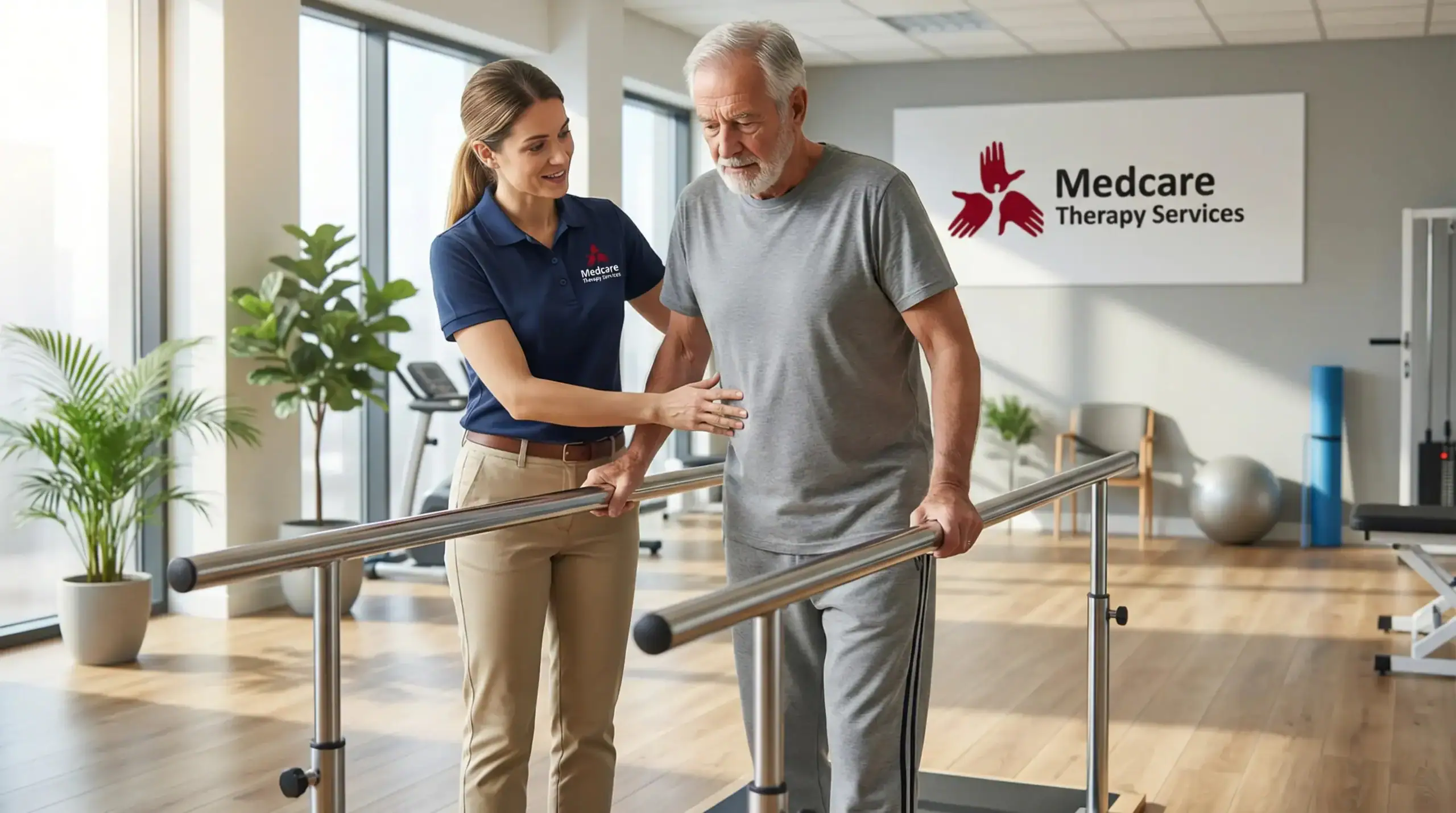
First, we come to your home in Deer Park and do a full fall risk assessment. We’re looking at your strength, your balance, how you move, and what in your environment might be working against you. This isn’t a generic checklist. It’s specific to you.
From there, we build a personalized plan. That might include balance exercises for seniors, strength training, gait work, or coordination drills. Everything is designed around what your body needs and what your daily life demands.
You’ll work with the same licensed physical therapist each visit. Sessions happen in your home, on your schedule. We track your progress, adjust as you improve, and make sure you’re not just going through the motions—you’re actually getting stronger and more stable.
Most people start seeing improvements within a few weeks. Better balance. Less hesitation. More confidence doing the things they’ve been avoiding.

Ready to get started?
Every plan starts with a comprehensive evaluation. We assess your balance, strength, mobility, vision, medication side effects, and home safety. This gives us a full picture of where your fall risk is coming from.
Your therapy sessions include evidence-based balance training and strengthening exercises tailored to your ability level. We use proven programs that have been shown to reduce falls by 35-40% in older adults. These aren’t generic exercises you could find online. They’re progressed based on your improvement and adjusted when something isn’t working.
In Deer Park and across Long Island, falls are a leading cause of injury for adults over 65. Nassau County ranks fourth in New York State for fall-related hospitalizations, with 88% of injury admissions in seniors tied to falls. You’re not overreacting by taking this seriously.
We also provide family education and home modification recommendations. Sometimes it’s as simple as removing a rug or improving lighting. Other times, we’ll suggest grab bars or assistive devices. Small changes make a big difference, and we’ll walk you through what actually matters.
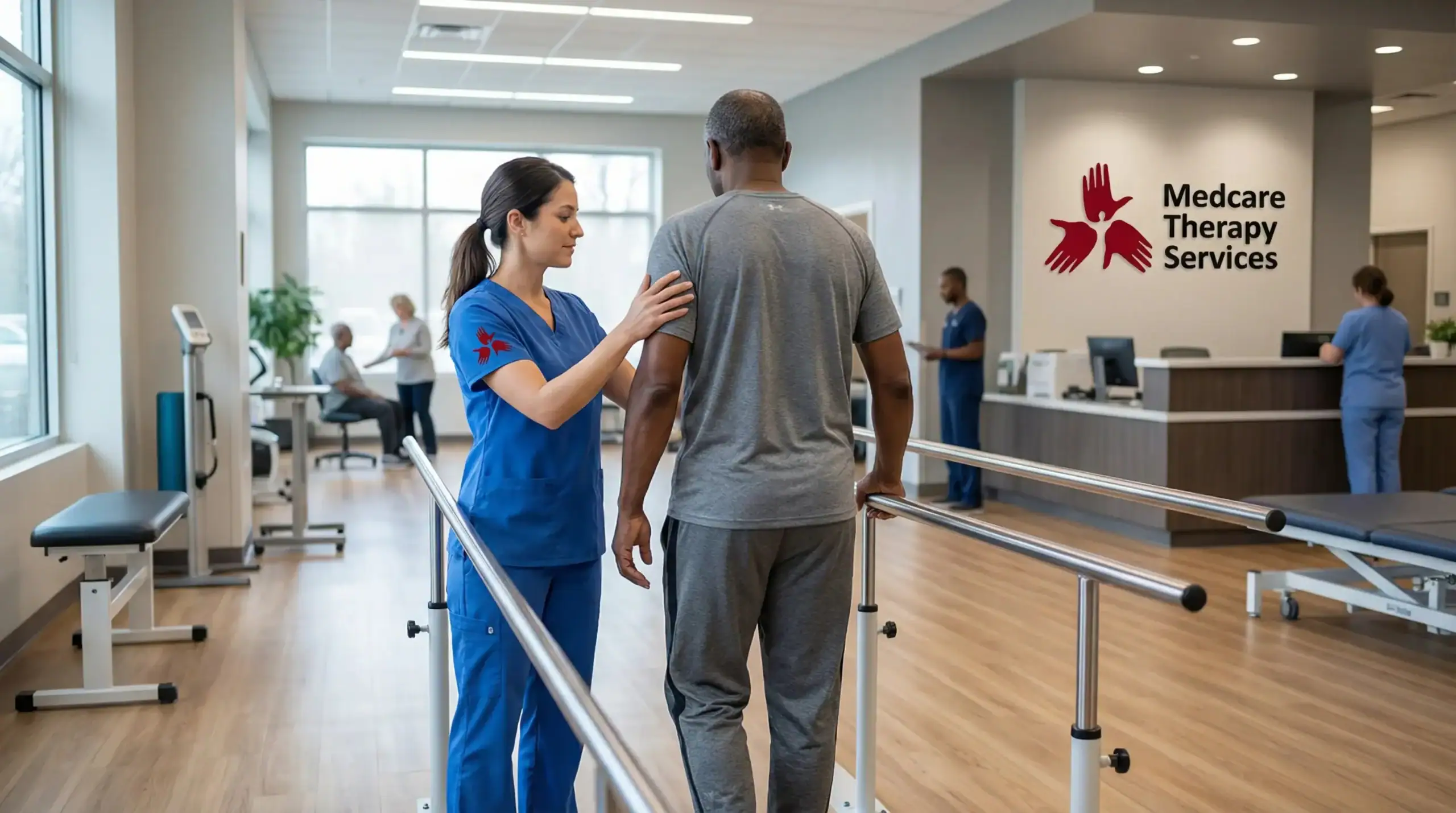
If you’ve fallen in the past year, your risk of falling again doubles. That’s not meant to scare you—it’s just the reality. But even if you haven’t fallen, there are other signs worth paying attention to.
Do you feel unsteady when you stand up or walk? Do you avoid certain activities because you’re worried about losing your balance? Have you noticed your legs feel weaker than they used to? These are all red flags.
Other risk factors include taking multiple medications, having vision problems, experiencing dizziness, or living in a home with stairs, loose rugs, or poor lighting. If any of this sounds familiar, a fall risk assessment is worth your time. It’s not about labeling yourself as “high risk.” It’s about knowing where you stand so you can do something about it before a fall happens.
Yes, Medicare Part B covers physical therapy when it’s medically necessary, and fall prevention absolutely qualifies. If you’re homebound—meaning leaving your home requires considerable effort due to mobility or health issues—you’re eligible for in-home therapy.
We accept Medicare and handle the billing directly. You’ll be responsible for your standard copay or coinsurance, but there are no surprise fees or upfront costs beyond what your plan requires.
We also accept most commercial insurance plans. During your first call, we’ll verify your coverage and let you know exactly what to expect. The goal is to remove barriers, not create them. If cost has been holding you back from getting help, let’s at least have the conversation and see what’s actually covered.
In-home therapy puts you in the environment where you actually need to be safe. We’re not working with you on gym equipment in a clinic. We’re addressing the real challenges you face every day—getting out of your chair, walking to the bathroom, navigating your kitchen.
There’s also the practical side. If you’re already unsteady or worried about falling, getting to and from appointments adds stress and risk. Transportation becomes another obstacle. At home, you’re comfortable, you’re safe, and we can see firsthand what’s making your space harder to navigate.
For a lot of people in Deer Park, especially those living alone or without reliable help, in-home therapy is the only realistic option. And honestly, it’s often more effective because we’re treating you in the context of your actual life, not a controlled clinic setting.
It depends on where you’re starting and what your goals are. Some people see noticeable improvement in balance and confidence within four to six weeks. Others need a few months, especially if there’s significant weakness or multiple risk factors to address.
We’re not interested in dragging this out longer than necessary. The goal is to get you stronger, more stable, and confident enough to maintain your progress on your own. Once you hit that point, we’ll transition you to a home exercise program you can continue independently.
That said, some people choose to continue with periodic check-ins or maintenance sessions, especially if they have chronic conditions that affect balance. That’s completely up to you. We’ll be transparent about where you are, what’s working, and when you’re ready to manage things on your own.
Absolutely. In fact, if you’ve already fallen, therapy becomes even more important. Falling once doubles your chance of falling again, but that’s not inevitable. It just means your body needs targeted work to rebuild strength, balance, and coordination.
After a fall, a lot of people develop a fear of falling again. That fear leads to less activity, which leads to more weakness, which increases fall risk. It’s a cycle, and physical therapy breaks it.
We’ll work on the physical side—strengthening your legs, improving your balance, and retraining your gait. But we’ll also work on your confidence. You’ll practice movements in a controlled way until they feel safe again. Over time, that hesitation fades, and you start moving like yourself again. The fall doesn’t have to define what comes next.
Being careful helps, but it’s not a strategy. You can’t tiptoe through life hoping nothing goes wrong. Balance exercises—real, evidence-based ones—actually change how your body responds when you’re off-balance.
Programs like the Otago Exercise Program, which we use, have been shown to reduce falls by 35-40% in older adults. That’s not luck. That’s your muscles getting stronger, your reaction time improving, and your body learning how to catch itself before a stumble turns into a fall.
The exercises we prescribe aren’t complicated, but they’re specific. They target the muscle groups and movement patterns that matter most for stability. And they’re progressed over time as you get stronger. You’re not just “staying active.” You’re training your body to be more resilient. That’s what actually keeps you safe.
Other Services we provide in Deer Park