
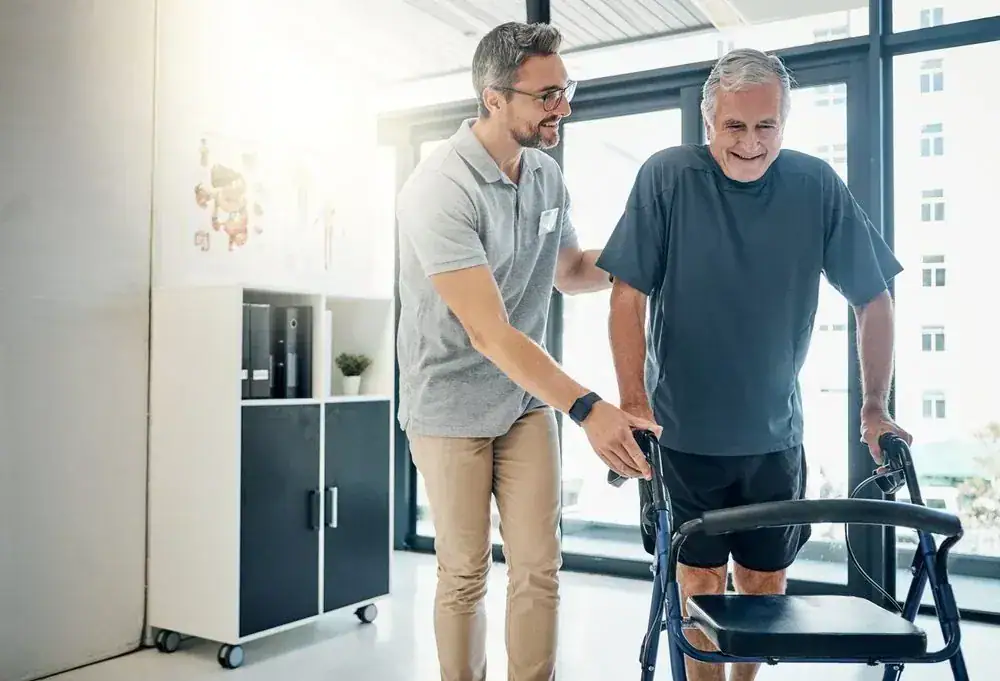
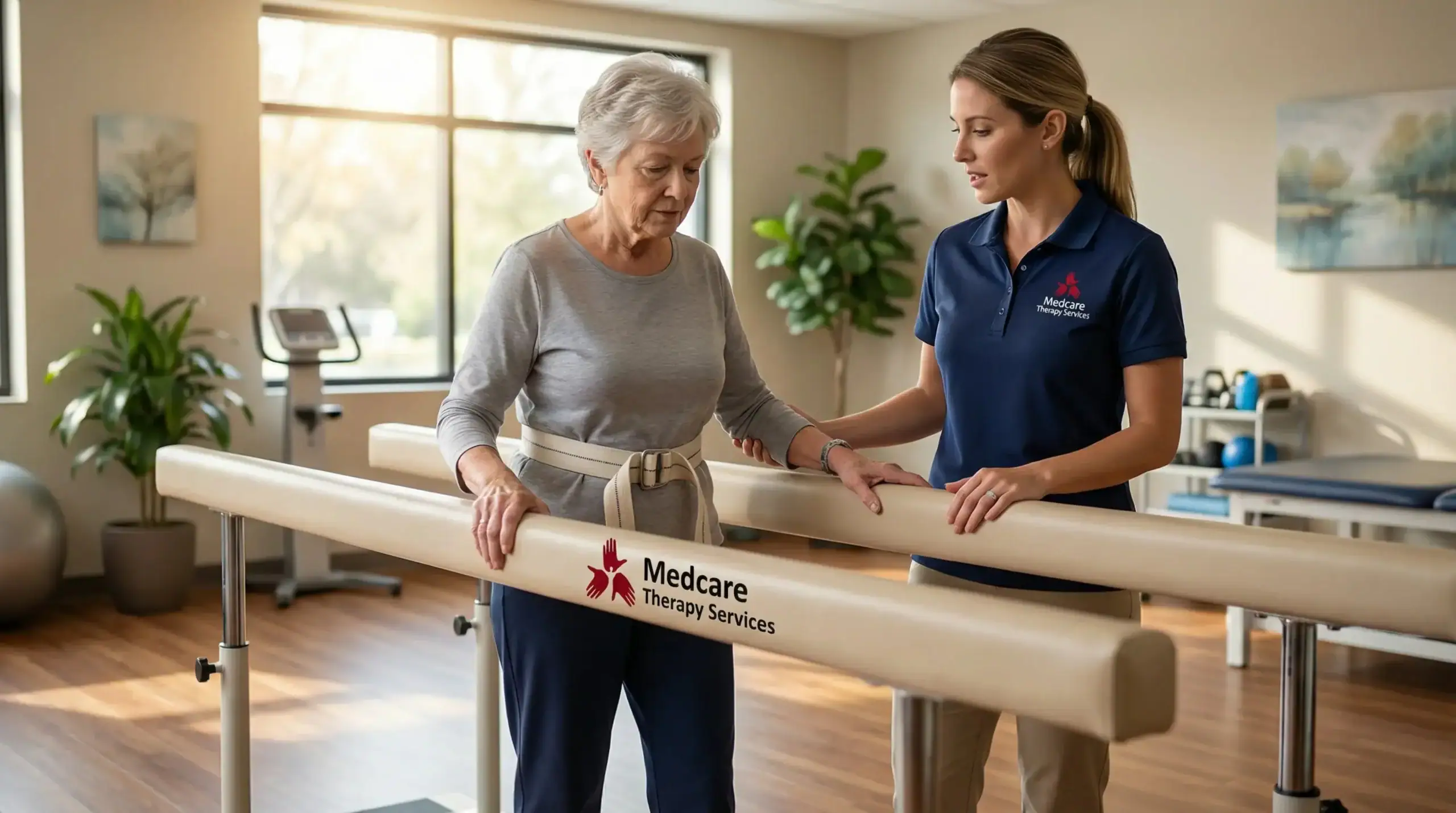
You’re not imagining it. That hesitation before you stand up, the extra second you take before walking to the kitchen, the way you grip the counter a little tighter than you used to—those small moments add up. And they chip away at the independence you’ve worked your whole life to maintain.
Balance exercises for seniors aren’t about getting you ready for a marathon. They’re about making sure you can get out of bed, walk to the mailbox, and move around your own home without fear. Research shows that targeted balance training can reduce fall risk by up to 24%, and the improvements show up fast—better posture, steadier gait, more confidence in how your body responds.
What changes after a few weeks of consistent work? You stop planning your day around what feels safe. You stop avoiding stairs or putting off errands because you’re worried about losing your footing. You start trusting your body again, and that shift changes everything.
We’ve been providing in-home physical therapy across Long Island for over a decade. We’re not a corporate chain. We’re a local team that understands what it’s like to live in Copiague, Amityville, Babylon, and the surrounding towns—where sidewalks aren’t always even, where winter means ice, and where getting to a clinic isn’t always realistic.
We specialize in elderly fall prevention because we’ve seen what happens when it’s ignored. Nassau County ranks 4th in New York State for fall-related incidents, and 88% of injury hospitalizations for adults over 65 here are due to falls. Those aren’t just statistics. They’re your neighbors, your friends, maybe even you.
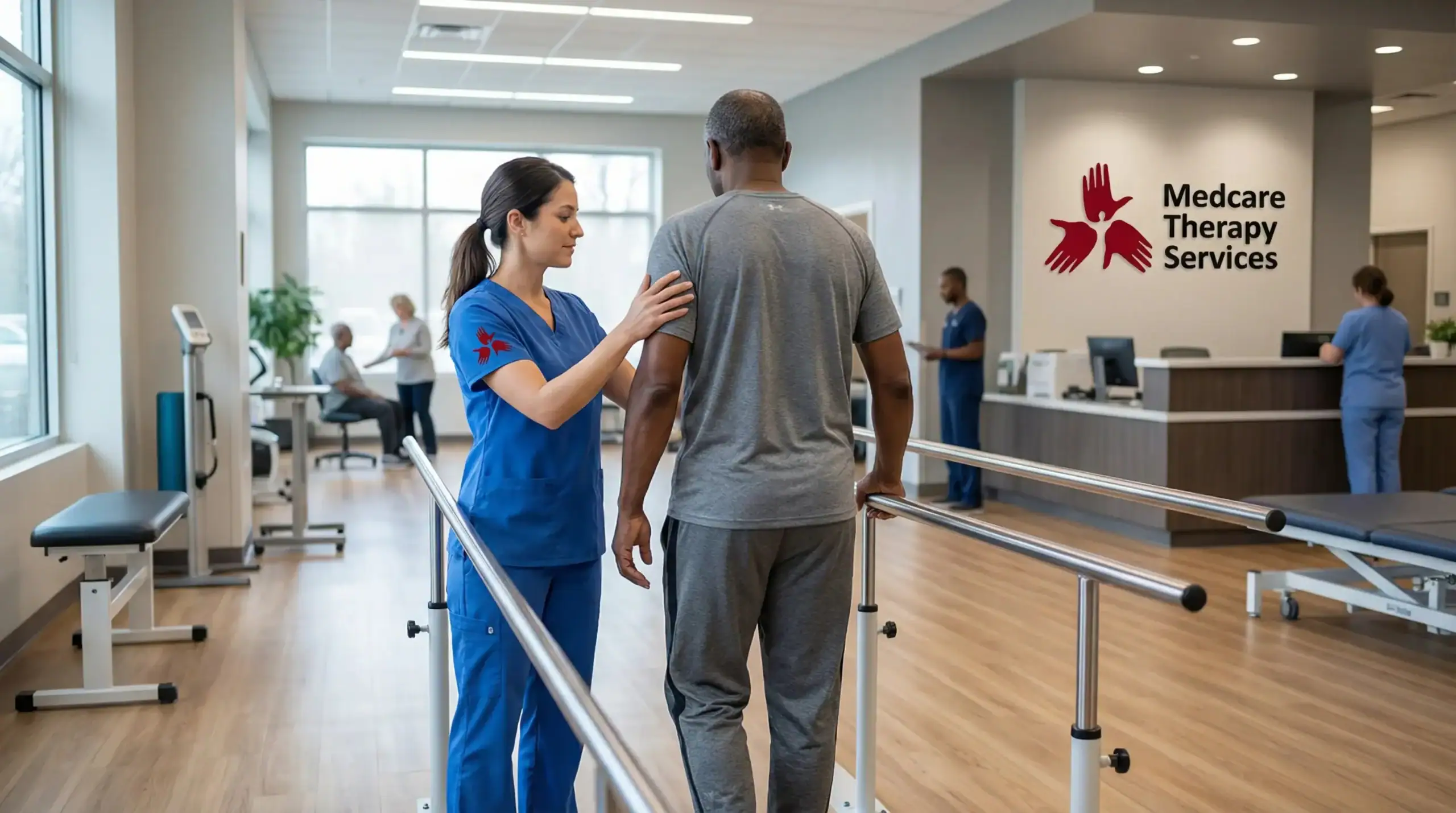
Our therapists are trained in evidence-based programs like the Otago fall prevention protocol. We come to your home, assess your specific risks, and build a plan that fits your body, your space, and your goals. And because we accept Medicare, cost doesn’t have to be the reason you wait.
It starts with a conversation. We ask about your history—have you fallen before, do you feel unsteady, what activities make you nervous? Then we schedule an in-home evaluation where one of our licensed therapists comes to you.
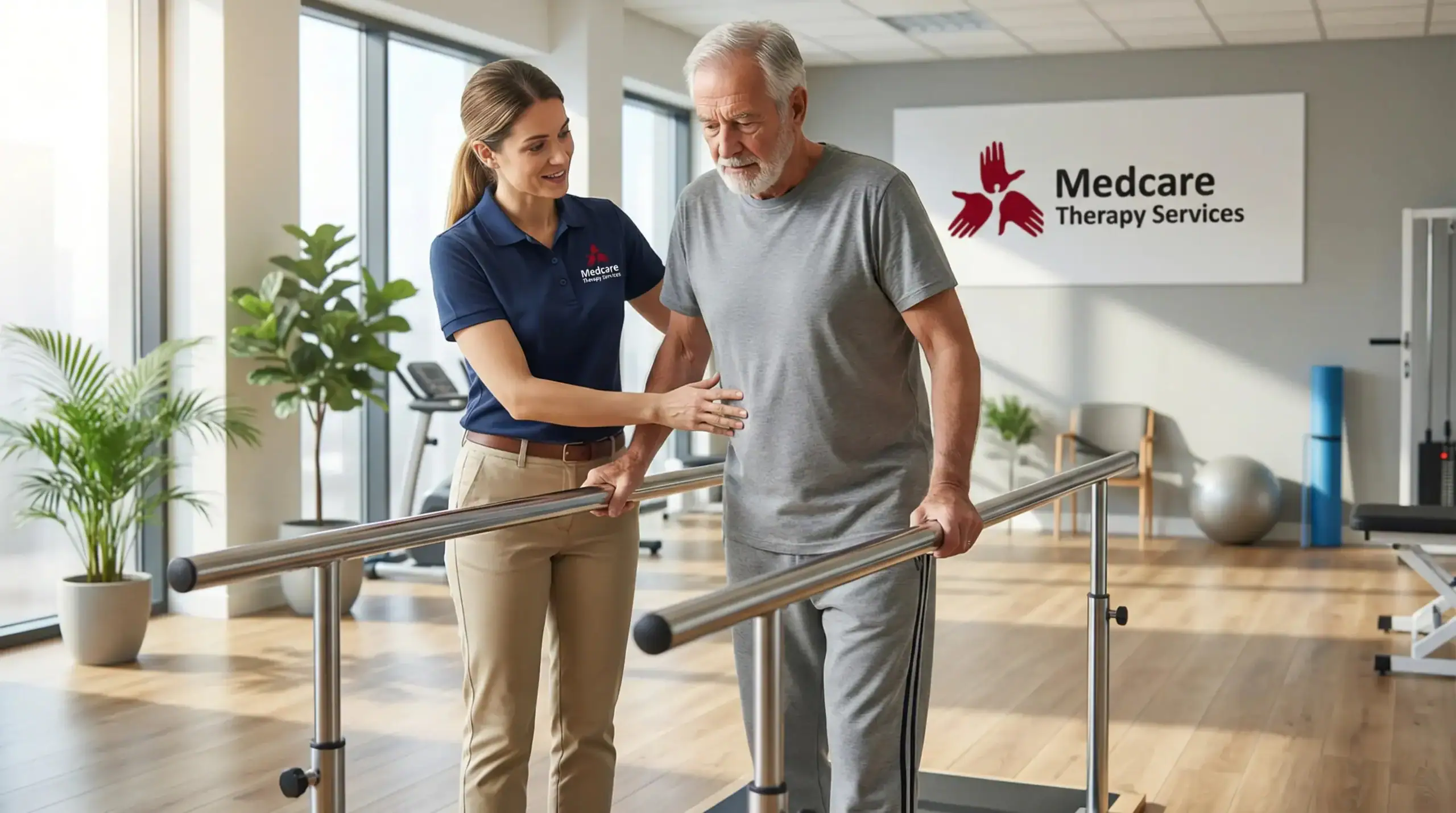
During that first visit, we assess your balance, strength, gait, and home environment. We’re looking at how you move, but also at the layout of your space—rugs, lighting, furniture placement, bathroom setup. Falls are rarely caused by one thing. It’s usually a combination of muscle weakness, poor balance, and environmental hazards.
From there, we design a personalized program. That might include strength training to stabilize your legs and core, balance exercises to improve your reaction time, and gait training to restore a natural walking pattern. We also give you specific recommendations for making your home safer—simple changes that reduce risk without turning your house into a hospital.
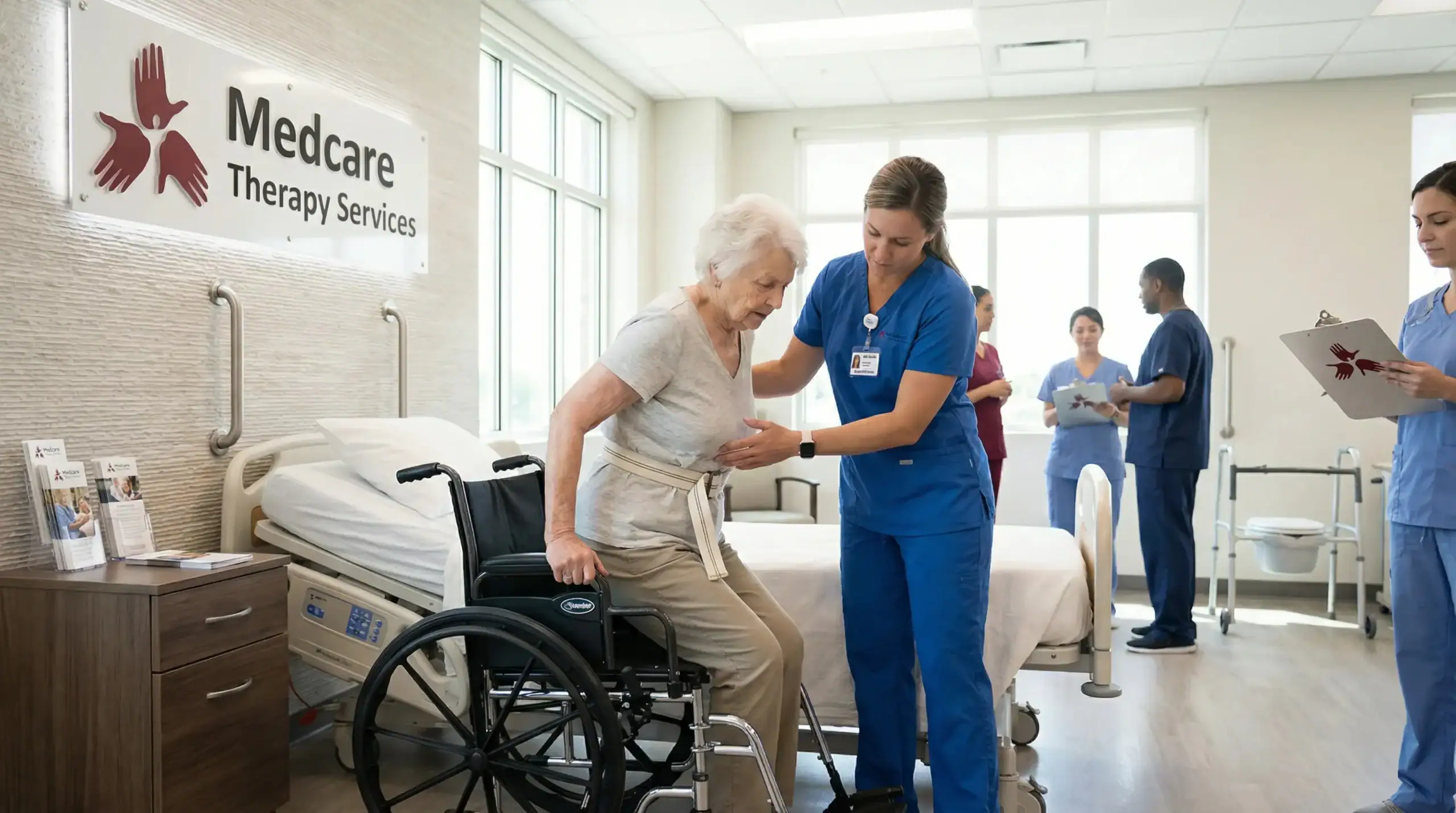
Sessions happen in your home, on your schedule. You’re not fighting traffic or trying to get to a clinic. You’re working with a therapist who knows your name, understands your goals, and adjusts the program as you improve.
Ready to get started?
Every program is different because every person is different. But here’s what most of our clients in Copiague and the surrounding areas receive: a full fall risk assessment, a customized exercise plan that includes balancing exercises and strength work, gait training to improve how you walk, and a home safety evaluation with practical modifications you can make right away.
We also involve your family if you want them included. A lot of our clients find that having a spouse or adult child understand the plan makes it easier to stay consistent. And because falls often happen due to multiple factors—medication side effects, vision changes, muscle weakness—we coordinate with your doctor when needed.
Long Island’s older adult population has grown nearly 28% in the past decade, and Copiague reflects that trend. More seniors are choosing to age in place, which makes sense. But aging at home safely requires preparation. The difference between a fall that leads to hospitalization and one that doesn’t often comes down to whether your body is conditioned to catch itself—and whether your environment supports that.
Our programs are built around what works. We use techniques proven to improve stability even in adults over 80. We don’t guess. We follow the research, and we adjust based on your progress.
If you’ve fallen even once in the past year, your risk of falling again doubles. That’s not meant to scare you—it’s just the reality of how balance and confidence work after a fall. Your body starts compensating, you move differently, and those changes can actually increase instability.
But you don’t need to have fallen to be at risk. Other signs include feeling unsteady when you stand up, needing to hold onto furniture or walls when you walk, avoiding certain activities because you’re worried about losing your balance, or noticing that your legs feel weaker than they used to. Medications that cause dizziness, vision problems, and chronic conditions like arthritis or neuropathy also increase fall risk.
A fall risk assessment gives you a clear answer. We test your balance, strength, and gait, and we look at environmental factors in your home. From there, you’ll know exactly where you stand and what needs attention. Most people wait until after a fall to get help. You don’t have to.
In-home therapy lets us see how you actually move in your actual environment. A clinic is controlled, flat, well-lit, and obstacle-free. Your home isn’t. We need to see how you navigate your bathroom, how you handle stairs if you have them, whether your rugs slide, and how your furniture is arranged.
It also removes the barriers that keep people from getting care in the first place. If you don’t drive anymore, if getting in and out of a car is difficult, if the idea of sitting in a waiting room exhausts you before you even start—those things matter. Therapy only works if you can actually do it consistently.
And there’s something about being in your own space that makes the work feel more relevant. You’re not doing generic exercises on a clinic floor. You’re practicing the exact movements you need to do every day—getting out of your chair, walking to the kitchen, stepping into the shower. That specificity makes the progress faster and more meaningful.
Most people notice a difference within three to four weeks if they’re consistent with their exercises. That doesn’t mean you’re done in a month—it means you start feeling steadier, more confident, and less hesitant when you move. The improvements build from there.
Balance training works because it retrains your body’s reflexes and strengthens the muscles that keep you upright. Even if you haven’t exercised in years, your body responds. Studies show that seniors who do consistent balance exercises improve their gait, posture, and stability regardless of age. We’ve worked with clients in their 80s and 90s who’ve made significant progress.
The timeline depends on where you’re starting and how often you practice. We typically recommend two to three sessions per week at first, along with exercises you do on your own between visits. The more you put in, the faster you’ll see results. But even small, steady progress adds up to a big difference in how you move through your day.
Yes. Medicare Part B covers physical therapy when it’s medically necessary, and fall prevention absolutely qualifies. If you’ve fallen, if you’re at risk of falling, or if you have a condition that affects your balance or mobility, you’re likely eligible.
We handle the Medicare paperwork and verification, so you’re not navigating that process on your own. After your initial evaluation, we’ll know exactly what your coverage looks like and whether you have any out-of-pocket costs. Most of our clients in Copiague and across Long Island use Medicare, and the process is straightforward.
What matters more than the billing is whether you’re getting the care you need. A fall can cost you your independence. It can lead to hospitalization, surgery, long-term rehabilitation, or worse. The national healthcare cost for fall-related injuries in older adults hit $80 billion in 2022. Preventing a fall is a lot less expensive—and a lot less painful—than recovering from one.
We walk through your home and identify anything that increases your fall risk. That includes obvious hazards like loose rugs, clutter in walkways, or poor lighting, but it also includes things you might not notice—grab bars that aren’t installed correctly, furniture that’s too low or too high, slippery bathroom floors, or stairs without proper railings.
We’re not there to judge how your home looks. We’re there to make it safer. A lot of falls happen in familiar spaces because you’re moving on autopilot and you don’t see the risk until it’s too late. Our job is to spot those risks before they become problems.
After the evaluation, you’ll get specific recommendations. Some are free or low-cost—rearranging furniture, adding non-slip mats, improving lighting with brighter bulbs. Others might require a small investment, like installing grab bars in the shower or adding a railing to your front steps. We prioritize what matters most based on your mobility and daily routine. The goal is to make your home work for you, not against you.
It’s not just exercise. It’s targeted, progressive training designed to address the specific reasons people fall—weak legs, poor balance, slow reflexes, and unstable gait. Generic exercise might help, but it’s not the same as a program built around fall prevention.
Physical therapy for balance focuses on strengthening the muscles that stabilize your body, improving your reaction time so you can catch yourself if you start to lose your footing, and retraining your gait so you walk with better posture and control. We also work on flexibility, because stiff joints and tight muscles limit your ability to move safely.
The research backs this up. Targeted exercise programs reduce fall risk by 23% to 24%, and those results hold up across age groups. Even better, the benefits extend beyond just preventing falls. You’ll likely notice that you have more energy, that daily activities feel easier, and that you’re less afraid to move. That confidence is just as important as the physical improvements. Fear of falling can be just as limiting as the fall itself.
Other Services we provide in Copiague