
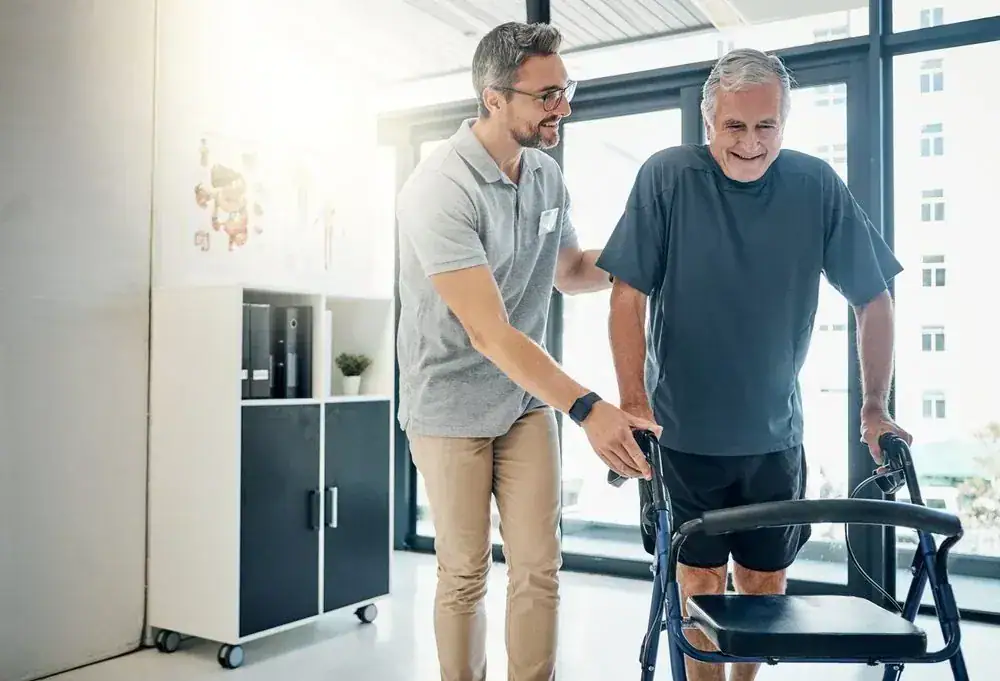
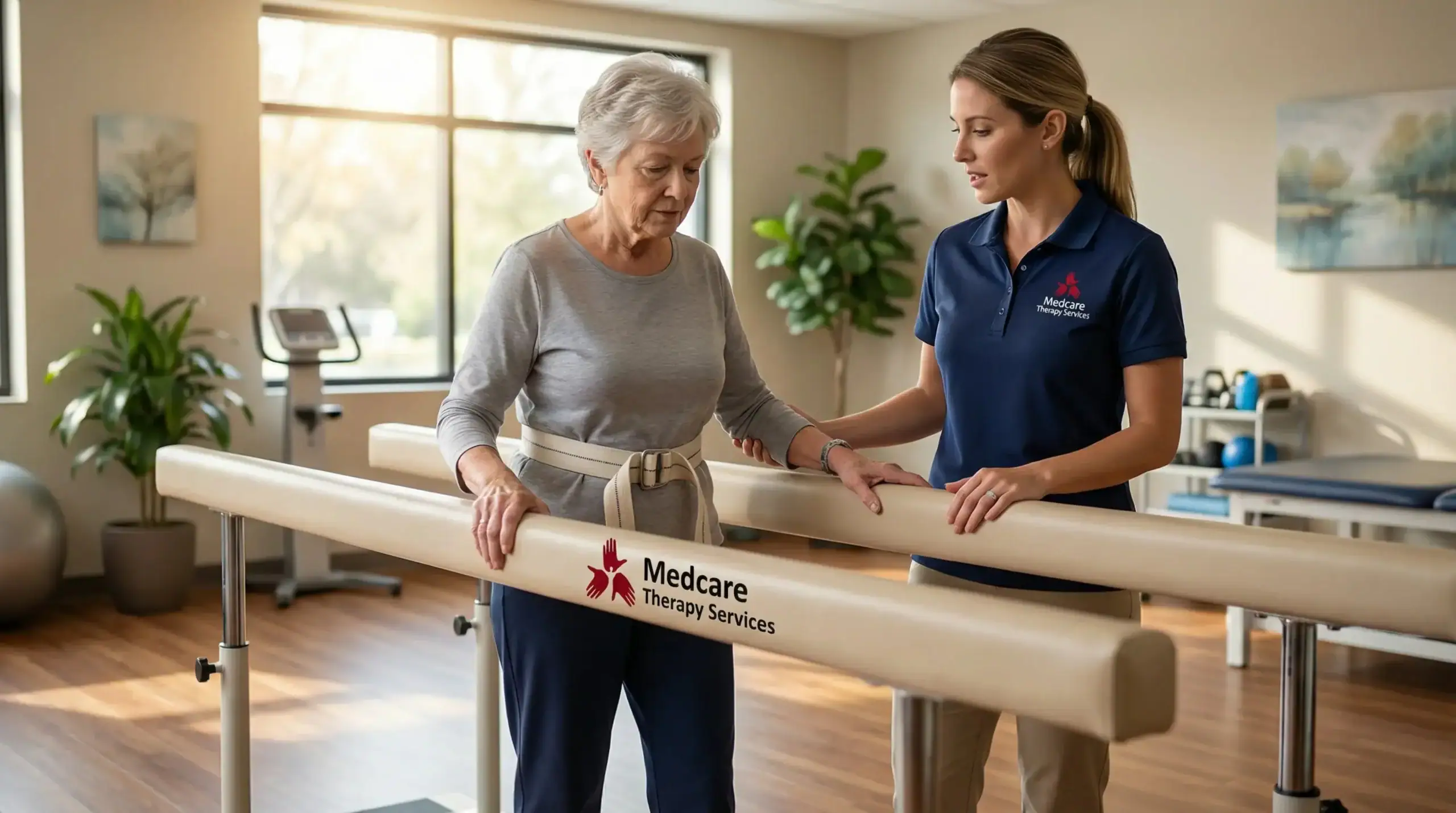
You’re not imagining it. Your balance isn’t what it used to be, and that hesitation you feel when you reach for something or walk down the stairs? That’s real. It’s also fixable.
Falls aren’t just accidents. They’re warnings. And if you’ve already fallen once, your risk of falling again doubles. That fear starts to creep in, and before long, you’re avoiding activities you used to do without thinking. Shopping feels risky. Cleaning becomes dangerous. You start limiting your life to stay safe.
Here’s what changes with the right intervention. You rebuild strength in the muscles that keep you upright. You retrain your body to react when you lose your footing. You learn which environmental hazards in your home are actually putting you at risk, and how to fix them. Most importantly, you stop waiting for the next fall and start moving through your day with confidence again.
Physical therapy for balance isn’t about getting back to where you were twenty years ago. It’s about giving you the stability and strength you need to live independently today, in the home you’ve worked your whole life to stay in.
We’ve been providing in-home physical and occupational therapy across Long Island since 2010. That’s over a decade of working with seniors in Cold Spring Harbor, Huntington, Northport, and surrounding Nassau and Suffolk County communities who want to age in place safely.
Our therapists are licensed, experienced, and trained specifically in fall prevention protocols. They come to your home, assess your unique risk factors, and build a treatment plan around your environment, your health conditions, and your goals. No generic programs. No rushing you through exercises in a crowded clinic.
We accept Medicare and most commercial insurance, so cost doesn’t have to be a barrier. And because we treat you in your own space, we see the real hazards, the actual layout, and the daily routines that matter. You’re not just another appointment. You’re someone’s parent, someone’s neighbor, someone who deserves to feel steady on their feet again.
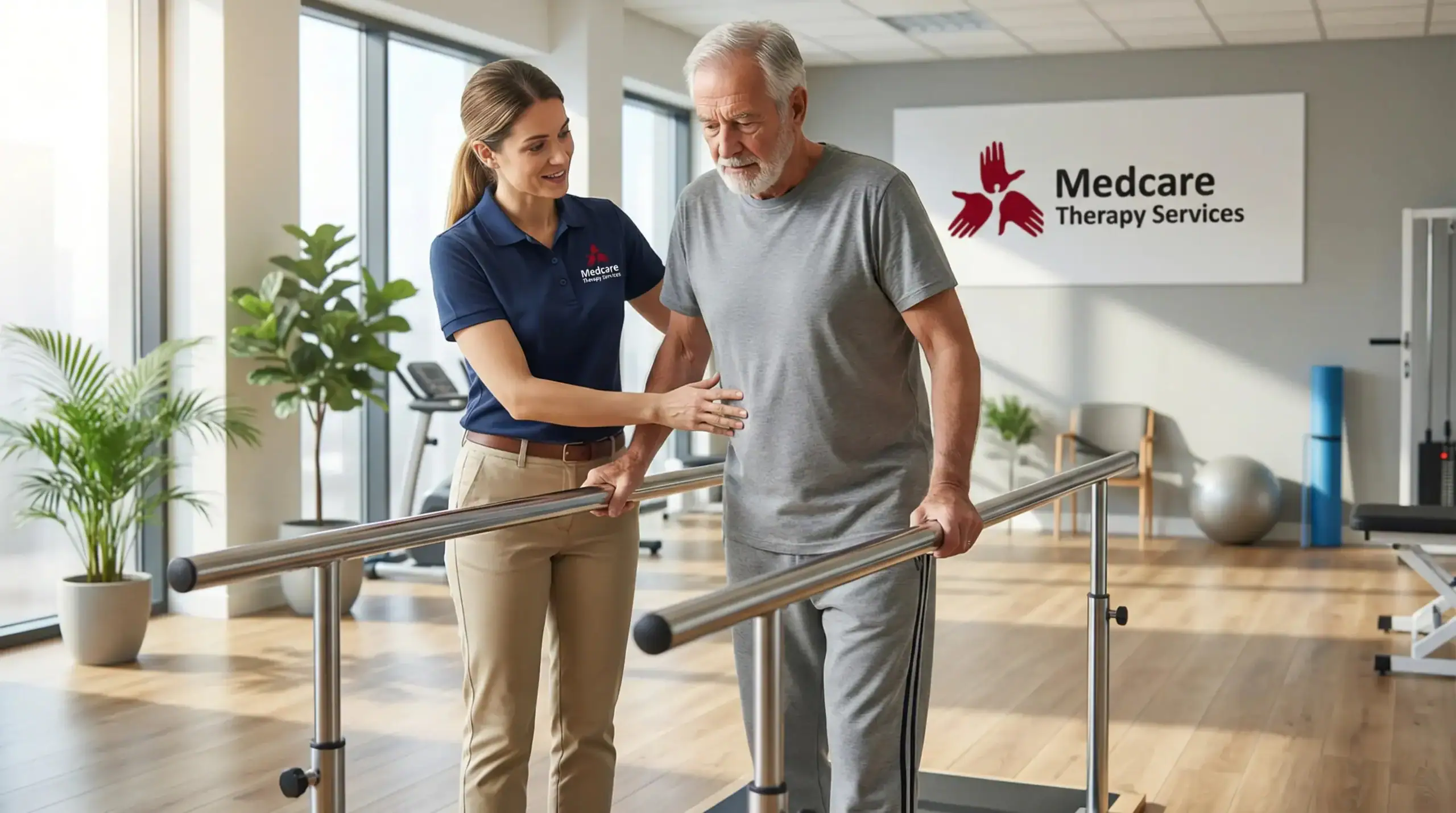
Your therapist starts with a comprehensive fall risk assessment. This isn’t a checklist. It’s a real evaluation of your strength, your balance, your gait, your medications, and your home environment. They’re looking for the combination of factors that increase your risk, because most falls aren’t caused by one thing. They’re caused by several.
From there, they design a multicomponent exercise program. That means balance training and strength work, tailored to your current ability level. You’re not doing exercises that feel impossible or pointless. You’re doing movements that directly improve your stability and coordination. Gait training helps you walk with better posture and rhythm. Strength exercises target the muscle groups that keep you upright when you stumble.
You’ll also get education on home safety. Your therapist will point out hazards you might not have noticed: loose rugs, poor lighting, clutter in walkways, slippery bathroom floors. They’ll recommend modifications and, if needed, help you understand when assistive devices like grab bars or walkers make sense. Every session is one-on-one, in your home, on your schedule. Progress is measured, adjustments are made, and you stay in control of your care.

Ready to get started?
You get personalized treatment from a licensed physical or occupational therapist trained in Otago fall prevention protocols. Otago is one of the most researched and effective fall prevention programs in the world, combining balance and strength exercises proven to reduce falls in community-dwelling older adults.
Your program includes therapeutic exercises designed to improve coordination, stability, and muscle control. You’ll work on gait training to improve your stride, walking pattern, and use of assistive devices if needed. Home safety education is built in, so you’re not just stronger, you’re also smarter about your environment.
Cold Spring Harbor and the surrounding North Shore communities have a higher-than-average senior population. Many homes here are older, with stairs, uneven surfaces, and layouts that weren’t designed with aging in place in mind. Your therapist understands the local housing stock and the specific challenges Long Island seniors face, from icy driveways in winter to navigating multi-level homes without elevators.
Medicare covers these services when you meet homebound criteria, which doesn’t mean you’re bedridden. It means leaving home takes considerable effort due to mobility limitations, health conditions, or safety concerns. If getting to an outpatient clinic is difficult, dangerous, or just not realistic for you, you likely qualify. We handle the insurance verification and paperwork so you can focus on getting better.
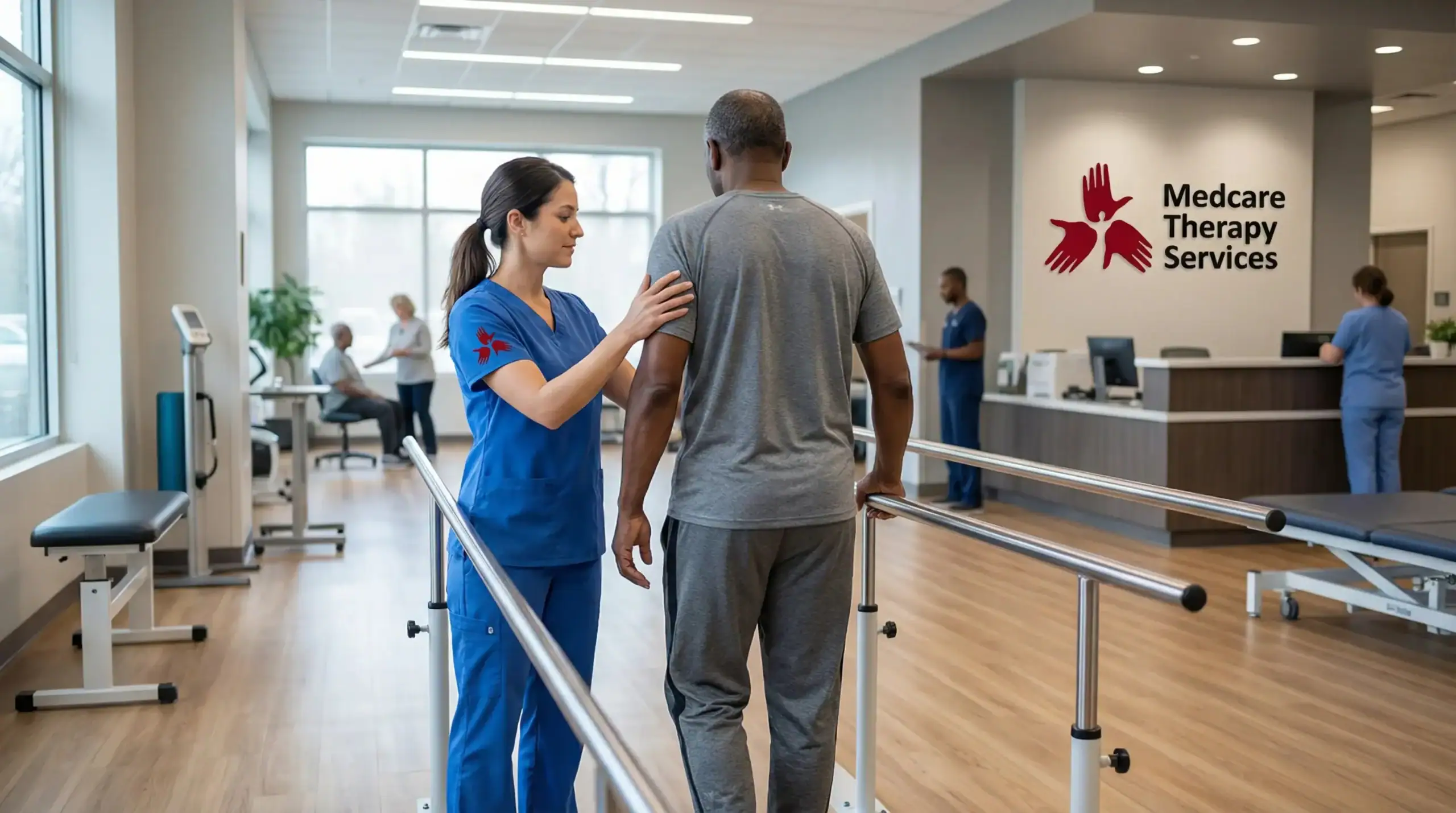
If you’ve fallen in the past year, your risk is already elevated. Falling once doubles your chances of falling again. But even if you haven’t fallen yet, certain factors put you at higher risk.
Chronic conditions like arthritis, diabetes, Parkinson’s, stroke, or heart disease all affect balance and mobility. Taking multiple medications, especially those that cause dizziness or drowsiness, increases your risk. Muscle weakness, joint stiffness, poor vision, and foot problems all contribute. So do environmental hazards like poor lighting, loose rugs, or clutter.
If you’ve noticed yourself feeling unsteady, grabbing onto furniture or walls for support, or avoiding certain activities because you’re worried about falling, those are signs. Your physical therapist will conduct a formal fall risk assessment that measures your balance, strength, gait, and home environment to give you a clear picture of where you stand and what needs to change.
In-home therapy eliminates the transportation barrier. If getting to a clinic means asking family for rides, navigating icy parking lots, or struggling with mobility limitations, you’re already starting therapy at a disadvantage. When your therapist comes to you, you save energy for the actual work.
More importantly, your therapist sees your real environment. They’re not guessing about your home layout or asking you to remember details. They’re walking through your space, identifying hazards, and designing exercises that translate directly to your daily life. If you struggle with your bathroom setup, they see it. If your stairs are a problem, they’re right there working on solutions.
You also get true one-on-one attention. No waiting rooms, no shared equipment, no rushing through exercises because the next patient is waiting. Your entire session is focused on you, in the environment where you actually need to be safe and stable. That’s a level of personalization and practical application you can’t get in a clinic setting.
Yes, Medicare Part B covers outpatient physical and occupational therapy in your home when you meet homebound criteria. Homebound doesn’t mean you never leave your house. It means leaving home requires considerable effort due to illness, injury, disability, or safety concerns.
If you have difficulty walking, need assistance or assistive devices to leave home, or if leaving home is medically contraindicated, you likely qualify. Many seniors in Cold Spring Harbor meet these criteria simply because they have mobility limitations, chronic conditions, or safety concerns that make getting to appointments difficult or risky.
Your therapist will work with your physician to establish medical necessity and homebound status. We accept Medicare and nearly all commercial insurance plans, and we handle the verification and authorization process. You’ll know your coverage before treatment starts, so there are no surprises. If you have questions about your specific plan, we can walk you through it during your initial call.
Most patients see measurable improvements in balance and strength within four to six weeks of consistent therapy. But the timeline depends on your starting point, your specific risk factors, and how well you’re able to participate in exercises between sessions.
Your therapist will establish baseline measurements during your initial assessment, then track your progress throughout treatment. You’ll see improvements in how long you can stand on one foot, how steady you feel during daily activities, and how confident you are moving around your home. Some changes happen quickly. Others take longer.
The goal isn’t just short-term improvement. It’s building habits and strength that last. Your therapist will teach you exercises you can continue independently after formal therapy ends. Fall prevention is ongoing. Even after you’ve completed your program, maintaining your strength and balance through regular exercise is what keeps you safe long-term. Most programs run for several weeks to a few months, depending on your needs and insurance coverage.
That fear is completely understandable, and it’s also one of the most important reasons to start therapy now. Fear of falling often leads to reduced activity, which leads to muscle weakness and joint stiffness, which actually increases your fall risk. It becomes a cycle.
Physical therapy breaks that cycle. You start with exercises at your current ability level, in a controlled environment, with a trained professional right there. As you rebuild strength and balance, your confidence comes back. You’re not just hoping you won’t fall. You’re actively reducing the risk factors that caused the fall in the first place.
Your therapist will also address the psychological component. They’ll help you understand what happened, what’s changed, and what you can control moving forward. You’ll learn how to recover if you do lose your balance, how to get up safely if you do fall, and how to move through your home with better awareness and stability. The goal is to replace fear with competence, so you’re not limiting your life to avoid risk. You’re managing risk so you can keep living.
Falls are not an inevitable part of aging. They’re preventable. The idea that falling is just something that happens as you get older is dangerous because it stops people from taking action.
The research is clear. Multicomponent exercise programs that combine balance and strength training reduce fall risk by up to 30%. Home safety modifications reduce risk even further. Physical therapy addresses the modifiable risk factors: weak muscles, poor balance, unsafe environments, and improper use of assistive devices.
Yes, your body changes as you age. But those changes don’t have to result in falls. With the right intervention, you can maintain the strength, stability, and coordination you need to move safely. Over 14 million older adults fall every year, and most of those falls are preventable. Therapy doesn’t eliminate every risk, but it dramatically reduces the odds. And for most people, that difference is what allows them to stay in their home, stay independent, and avoid the serious injuries that come with falls.
Other Services we provide in Cold Spring Harbor