
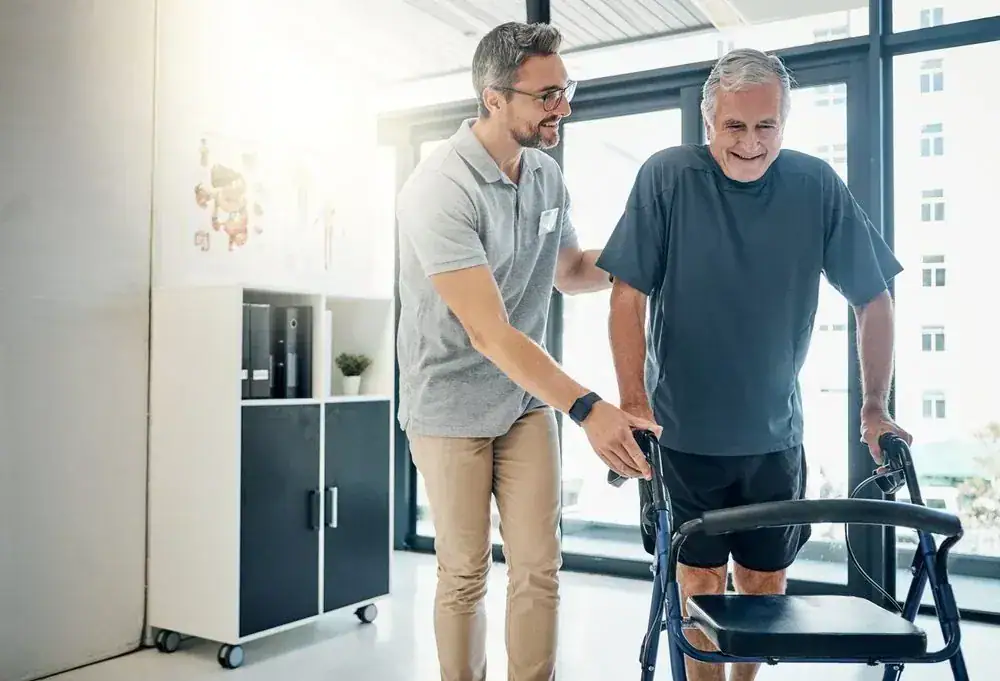
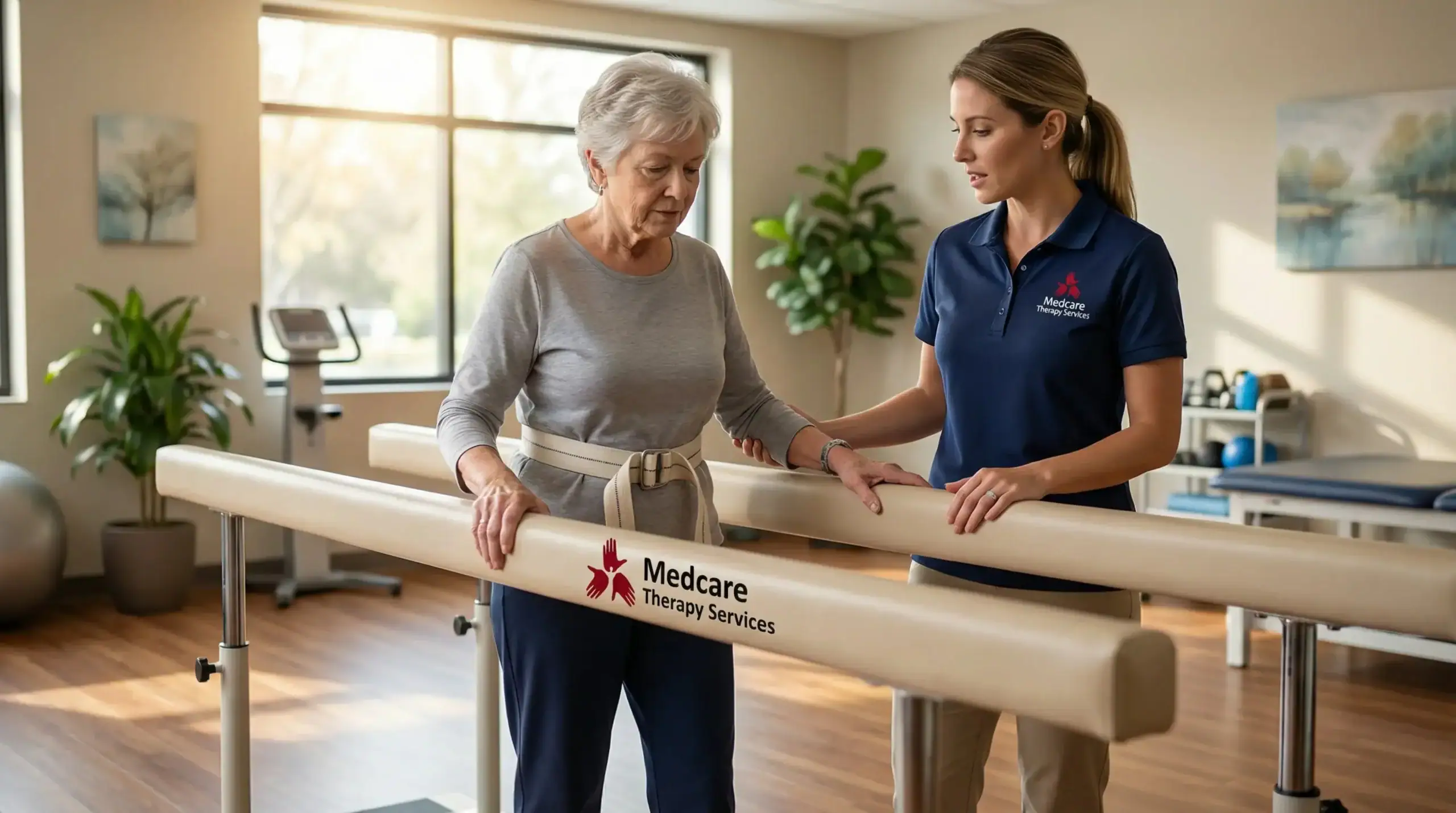
You stop planning your day around what might go wrong. You walk to the mailbox without gripping the railing. You get up at night without turning on every light or waking your spouse.
That’s what happens when balance exercises for seniors are done right. Not generic stretches from a handout. Not one-size-fits-all videos. Actual assessment-based training that targets what’s making you unsteady in the first place.
Here’s what matters: one in four adults over 65 falls every year. But falls aren’t inevitable. Balance training reduces fall risk by 24%, and the right exercises cut serious injuries by 27%. You’re not fragile. You might just need your strength, coordination, and confidence recalibrated by someone who knows how.
Most people wait until after a fall to get help. You’re here before that happens. That’s already smarter than most.
We’ve been serving Centereach, NY and the surrounding Long Island communities for years. We’re not a corporate chain. We’re a local practice that shows up, stays consistent, and actually remembers your name.
Our team includes licensed physical therapists who specialize in fall prevention and senior balance training. We don’t hand you a sheet of exercises and disappear. We assess how your body moves, where the weak points are, and what’s actually putting you at risk.
Centereach has a higher-than-average senior population—nearly 15% of residents are over 65. We see people from your neighborhood every week. We understand the homes here, the mobility challenges, the goals. You’re not a number. You’re someone we’re trying to keep out of the ER.
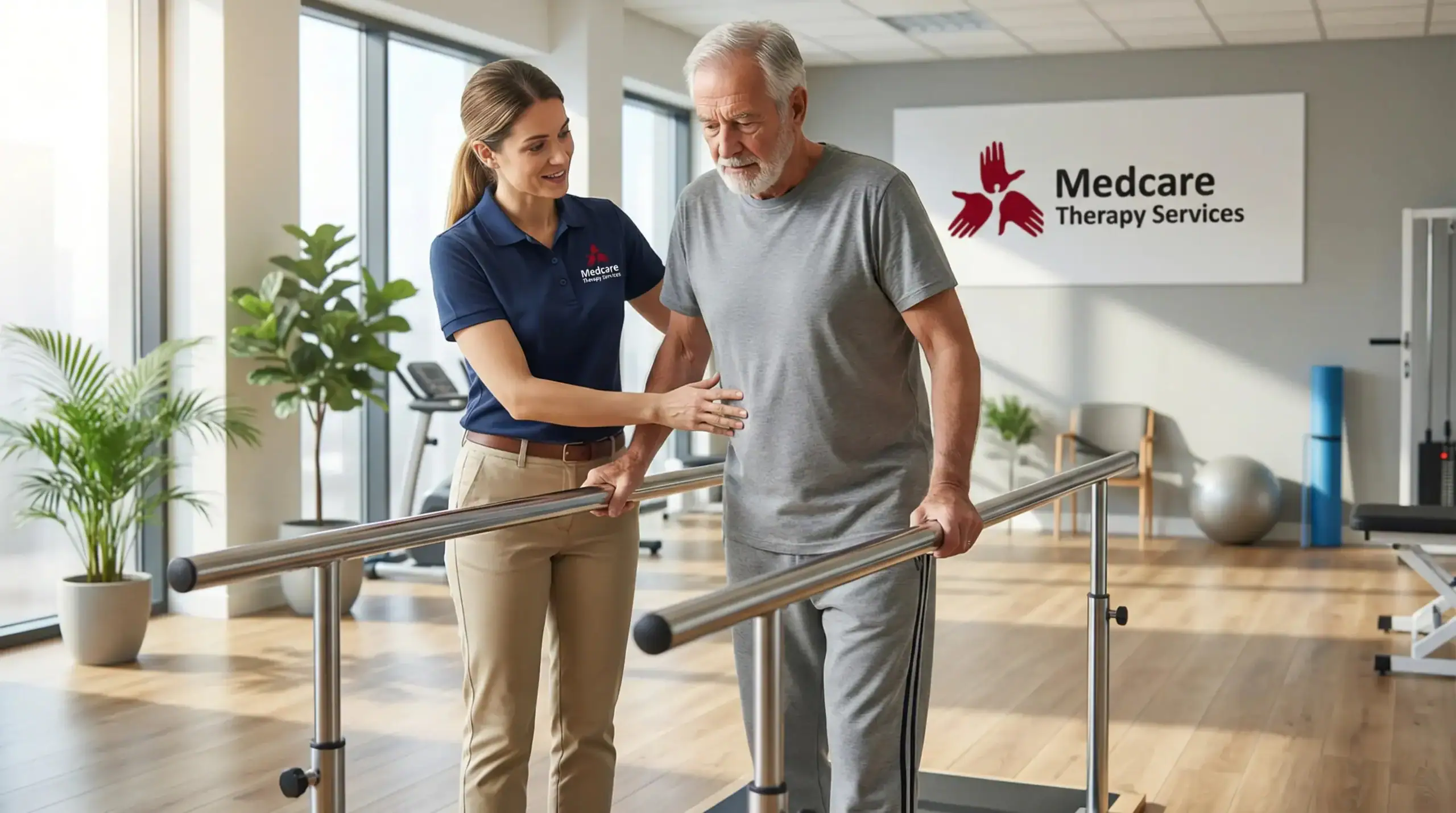
First visit is an evaluation. We check your balance, strength, joint mobility, gait, and reaction time. We ask about past falls, near-misses, medications, and what you’re afraid of. That last one matters more than people think.
From there, we build a program. It might include strength work for your legs and core. Balance exercises that challenge your stability in controlled ways. Coordination drills. Gait training. Sometimes we adjust how you’re moving at home—how you get out of bed, navigate stairs, or reach for things.
Sessions are usually twice a week to start. You’ll also get exercises to do at home, because real improvement happens between appointments, not just during them. As you get stronger and steadier, we reduce frequency and transition you toward independence.
The goal isn’t to keep you here forever. It’s to give you the tools to stay stable on your own. Most people see measurable improvement in 6 to 8 weeks. Some faster, some slower. Depends on where you’re starting and how consistent you are.

Ready to get started?
You get a full fall risk assessment. That means testing your balance in different positions, checking how well you recover from a stumble, and measuring leg strength. We also evaluate vision tracking, inner ear function, and how well your body knows where it is in space.
Then comes the exercise program. Balance exercises for seniors aren’t about standing on one foot and hoping for the best. We use progressive challenges—unstable surfaces, weight shifts, dual-task training where you move and think at the same time. It’s designed to mimic real life, not a gym.
We also talk about your home. Where are the rugs? How’s the lighting? Are you wearing shoes with grip? Environmental factors cause up to half of all falls in older adults. We can’t fix your house, but we’ll tell you what to watch for.
And if you’ve already fallen, we work on that too. Falling once doubles your chance of falling again. Part of our job is breaking that cycle—physically and mentally. Fear of falling is real, and it makes you move differently. We address both.
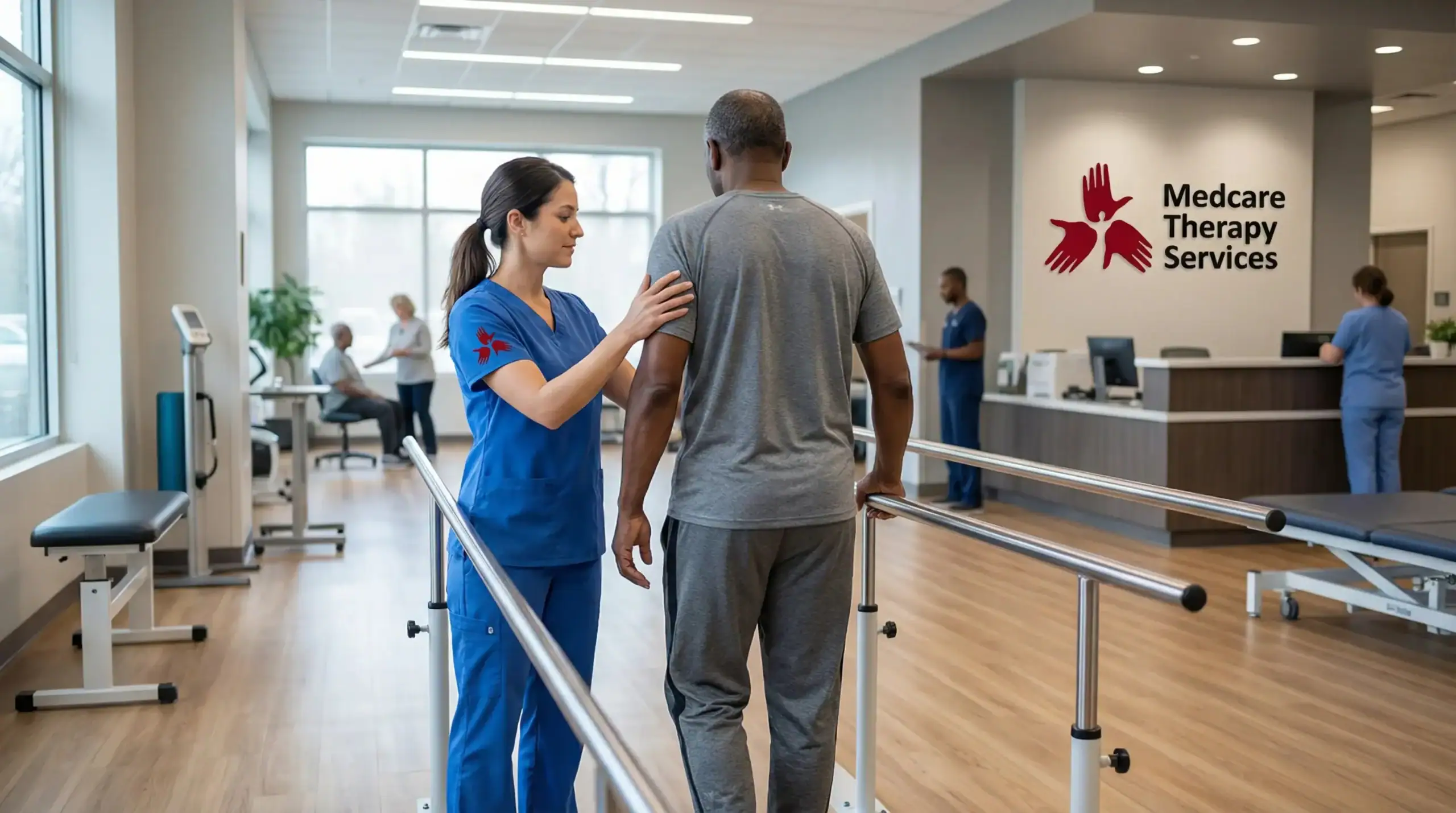
If you’ve fallen in the past year, you need it. If you’ve had a close call, you probably need it. If you’re avoiding activities because you’re worried about falling, you definitely need it.
Other signs: you feel unsteady when you walk, you use walls or furniture for support, you’ve noticed your balance isn’t what it used to be, or you’re on medications that cause dizziness. Sometimes adult children notice it first—they see you moving more carefully or hesitating on steps.
You don’t have to wait for a doctor’s referral in New York, though insurance might cover more if you have one. If you’re on Medicare, fall prevention is often covered under physical therapy benefits. Start with a phone call. We’ll ask a few questions and tell you honestly whether we think therapy would help.
You can’t assess yourself. You don’t know if your balance problem is coming from weak hips, inner ear issues, poor proprioception, or something else. We do. And the fix is different depending on the cause.
Generic senior balance exercises might help, or they might miss the point entirely. Worse, they could be too easy to make a difference or too hard and increase your fall risk. We tailor the program to your specific deficits and progress it as you improve.
We also catch compensations. Most people develop movement patterns that feel stable but aren’t—like widening your stance or shuffling. Those tricks work until they don’t. We retrain your body to move correctly so you’re not just masking the problem. And if something’s going on that needs a doctor—like a neurological issue or medication side effect—we’ll catch that too and refer you out.
Most people feel more stable within 4 to 6 weeks if they’re consistent. Measurable improvements in strength and balance usually show up around the 8-week mark. But it’s not a light switch—you’ll notice small wins before that.
Week one, you might feel more aware of how you’re moving. Week three, stairs might feel less scary. Week five, you’re not grabbing the counter every time you bend down. It builds.
The research backs this up. Exercise interventions show a 23% drop in fall risk, but that’s with regular, progressive training over several weeks. If you come once and skip your home exercises, it won’t work. If you show up twice a week and do what we ask, it will. Duration depends on your starting point, your goals, and how much ground we need to cover. Some people are done in 8 weeks. Others need 12. We’ll know more after the first eval.
Usually, yes—if you have Medicare or most commercial insurance plans. Medicare Part B covers physical therapy when it’s medically necessary, and fall prevention qualifies if you’re at risk. You’ll have a copay, typically 20% after your deductible.
If you have a supplemental plan, that might cover the rest. Commercial insurance varies, but most plans cover PT with a referral. Some require prior authorization. We can check your benefits before you start.
Even without insurance, fall prevention therapy is cheaper than a fall. The average ER visit for a fall costs over $10,000. A broken hip can run $40,000 or more when you factor in surgery and rehab. Eight weeks of PT is a fraction of that. We’re not saying don’t use insurance—just that the math makes sense either way. Call us and we’ll walk you through what your plan covers and what your out-of-pocket would be.
No. It’s not too late. It’s actually more urgent, because every fall increases the likelihood of another one. But that pattern can be interrupted with the right intervention.
We see people after multiple falls all the time. The work is the same—we assess why you’re falling, address the physical deficits, and rebuild your confidence. Sometimes there’s deconditioning from being less active after a fall. Sometimes there’s lingering fear that’s making you move tentatively, which ironically makes you less stable.
If you’ve had a fracture or surgery, we adjust the program accordingly. You’re not starting from zero—you’re starting from where you are now, and we meet you there. The goal is still the same: reduce your fall risk, improve your balance, and get you moving safely again. Multiple falls mean you need help, not that help won’t work. Start now.
Yes, and honestly, that’s the best time to start. Prevention works better than rehab. If you’re noticing balance changes, feeling less confident, or just want to stay ahead of the curve, we can help.
We’ll do the same assessment we’d do for someone who’s already fallen—check your balance, strength, gait, and risk factors. Then we build a program that keeps you stable and strong as you age. Think of it as maintenance, not crisis management.
A lot of people in Centereach come in for exactly this reason. They’re in their late 60s or early 70s, still active, and want to stay that way. They’ve seen friends or family members fall and lose independence, and they don’t want that to be their story. Smart move. The earlier you address balance, the easier it is to maintain. You don’t have to wait for something bad to happen. You can just decide you’d rather not fall in the first place.
Other Services we provide in Centereach