
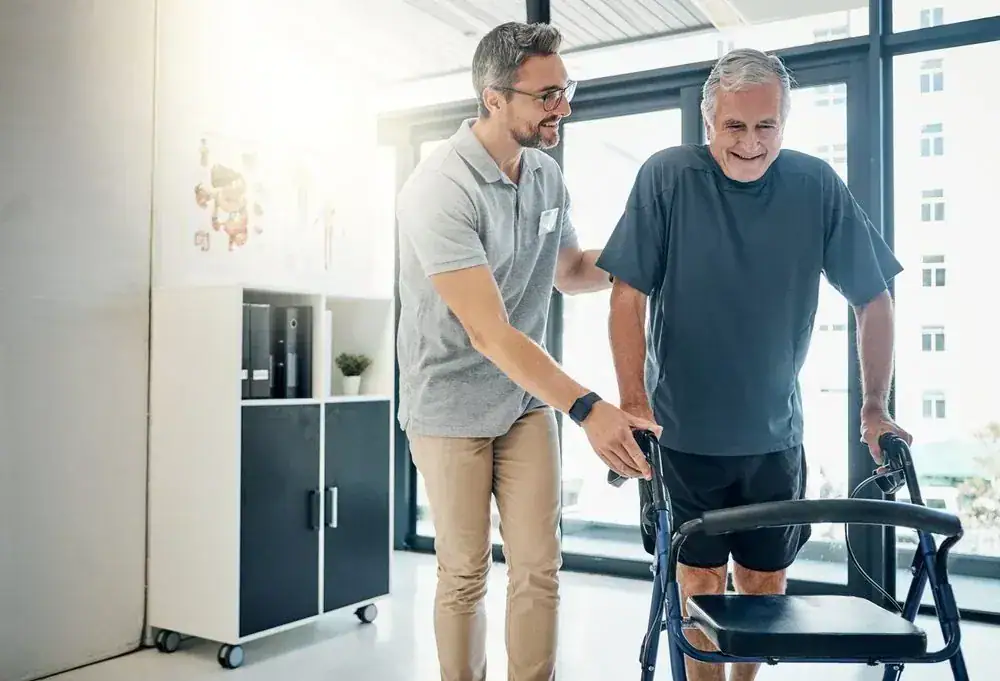
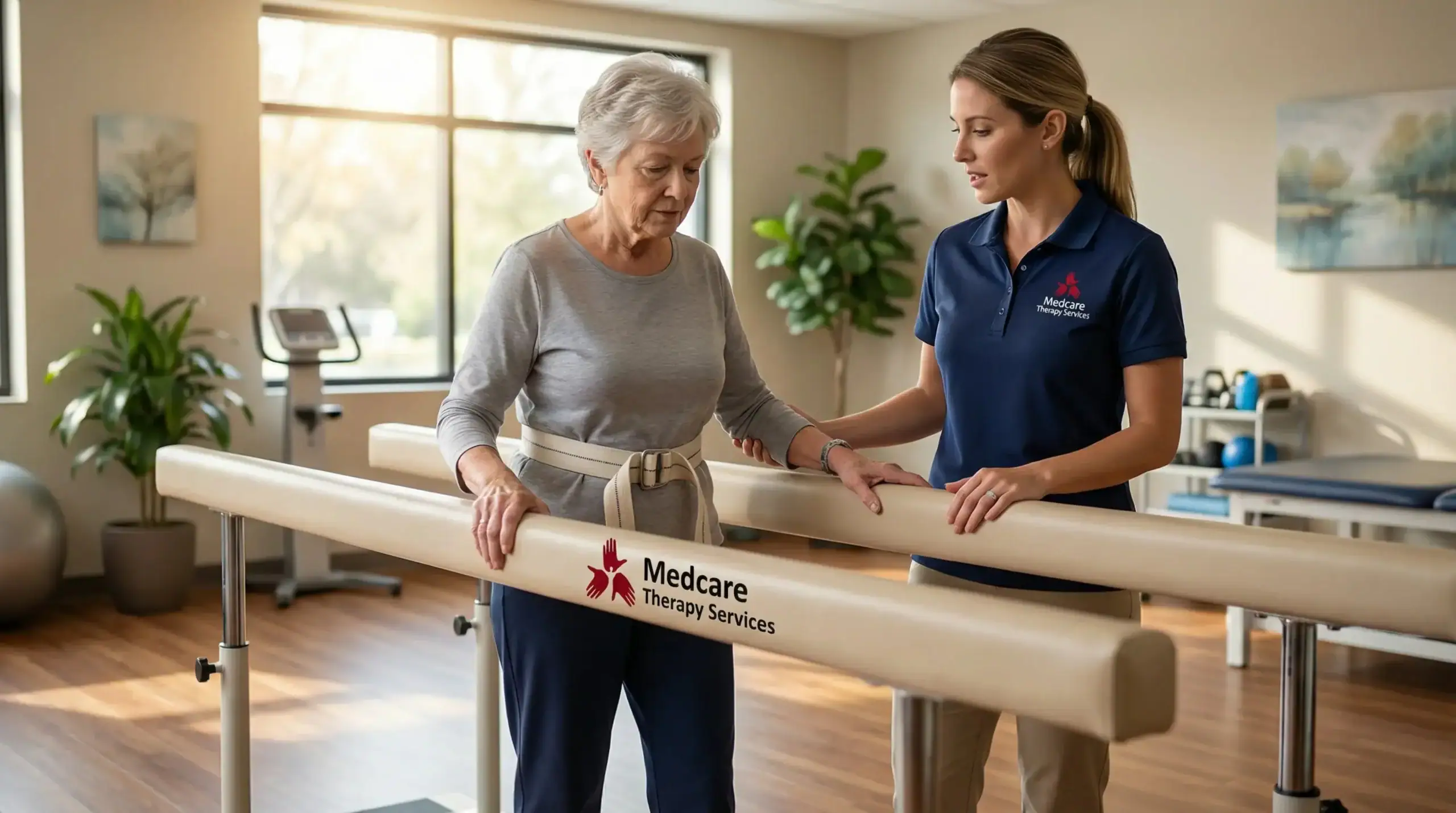
You know the feeling. That split-second hesitation before you stand up. The extra hand you keep on the counter when you walk through the kitchen. The worry that one misstep could change everything.
One in four adults over 65 falls each year, and most of those falls happen at home. But here’s what most people don’t realize: falling isn’t just part of getting older. Your balance, strength, and coordination can improve—at any age—with the right approach.
Physical therapy for balance works because it addresses what’s actually causing the instability. Weak hips. Tight ankles. Poor reaction time. Vision changes. Medication side effects. These are all things you can work on, and they make a measurable difference in how you move through your day.
When you improve your balance, you’re not just avoiding falls. You’re walking to the mailbox without thinking twice. You’re getting in and out of the shower with confidence. You’re staying in your home, on your terms.
We’ve been providing home-based physical therapy across Nassau and Suffolk Counties since 2010. We’re not a clinic where you have to figure out transportation or sit in a waiting room. We come to you.
Our therapists are trained in Otago fall prevention protocols—one of the most researched and effective fall prevention programs available. That means your treatment plan isn’t guesswork. It’s based on what actually works, customized to your home, your body, and your specific risk factors.
We accept Medicare and most commercial insurance, and in New York State, you can start therapy without a prescription. That removes one more barrier between you and feeling steady again. Bellmore residents don’t need to leave home to get the care that keeps them safe in it.

First, a licensed physical therapist comes to your home and does a full assessment. They’ll watch how you move, test your strength and balance, check your coordination, and walk through your home to spot hazards you might not notice. This isn’t a quick checklist—it’s a real evaluation of why you’re unsteady and what needs to change.
From there, your therapist designs a program based on what they found. You’ll work on balance exercises for seniors that target your specific weak points—maybe it’s hip strength, ankle mobility, or how quickly you react when you start to tip. These exercises happen in your home, using your furniture, your stairs, your bathroom. That’s the point. You’re training in the environment where you actually need to be stable.
Your therapist will also recommend modifications. Sometimes it’s as simple as removing a rug or adding a grab bar. Other times it’s adjusting how you get out of a chair or teaching a family member how to help you safely. You’ll get a home exercise plan to follow between visits, and your therapist tracks your progress to make sure you’re actually getting stronger and more stable—not just going through the motions.

Ready to get started?
You’ll receive one-on-one sessions with a licensed physical or occupational therapist who specializes in fall prevention in the elderly. Every visit is scheduled around your availability, and there’s no limit to how many questions you can ask.
Your program includes strength training that focuses on the muscles that keep you upright—your hips, core, and ankles. You’ll also work on balance exercises that challenge your stability in safe, controlled ways. These might include standing on one leg, weight shifting, or walking with direction changes. It sounds simple, but it’s highly effective when done correctly and progressed over time.
Bellmore has a mix of single-family homes, apartments, and senior living communities, and your therapy adapts to your space. Whether you’re navigating stairs, tight hallways, or a walk-up, we tailor the program to your real-world needs. You’ll also get gait training if your walking pattern is contributing to your fall risk, and education on how medications, footwear, or vision changes might be affecting your balance.
If you need adaptive equipment—like a walker, cane, or grab bars—your therapist will recommend what’s appropriate and show you how to use it correctly. They’ll also train your caregiver or family members on safe transfer techniques and positioning so everyone feels confident.

Yes. Medicare Part B covers outpatient physical therapy when it’s medically necessary, and fall prevention absolutely qualifies if you’re at risk. You don’t need to have already fallen to get approved—having balance issues, a history of falls, or conditions like arthritis, stroke, or Parkinson’s are all valid reasons.
There are annual caps on therapy benefits, but exceptions exist if your therapist documents that you need continued care. Most people don’t hit the cap, especially if therapy is focused and progressing well. We accept Medicare and handle the billing directly, so you’re not stuck figuring out paperwork on your own.
If you have a Medicare Advantage plan or supplemental insurance, coverage works a little differently depending on your plan. It’s worth calling your insurance to confirm your specific benefits, but in most cases, home-based physical therapy is covered the same way clinic-based therapy would be—sometimes with even fewer restrictions since you’re homebound.
Most people notice a difference within four to six weeks if they’re consistent with their exercises. That doesn’t mean you’re completely stable in a month—it means you start feeling more confident, your legs feel stronger, and you’re catching yourself faster when you start to lose balance.
Full improvement takes longer, usually two to three months of regular therapy and home exercise. The Otago program, which our therapists use, is typically done over several months with a specific progression. You’re not doing the same exercises the whole time—your therapist increases difficulty as you get stronger.
The timeline depends on where you’re starting from. If you’ve had a recent fall or surgery, it might take a bit longer. If you’re just noticing some unsteadiness and catching it early, you might progress faster. Either way, the goal isn’t to rush through it. It’s to make real, lasting changes that keep you stable long after therapy ends.
Absolutely. In fact, having a history of falls is one of the strongest indicators that you need therapy. Falling once doubles your chance of falling again, but that’s exactly why early intervention works. You’re addressing the problem before it becomes a pattern.
Your therapist will figure out why you fell. Was it weakness? Poor balance? A hazard in your home? Dizziness? Often it’s a combination. Once they know the cause, they can target it directly. If your legs gave out, you’ll work on strength. If you tripped, you’ll work on foot clearance and reaction time. If you got dizzy, they’ll coordinate with your doctor to rule out medical causes while working on stability strategies.
Some people worry that they’re “too far gone” or that they’ve lost too much strength. That’s rarely true. Even if you’ve fallen multiple times or you’re using a walker, you can still improve. The therapy just starts where you are and builds from there. The goal is to get you moving with less fear and more control, and that’s possible at any stage.
Not in New York. You can start physical therapy without a doctor’s prescription under direct access laws. That means if you’re noticing balance problems or you’re worried about falling, you can call and schedule an evaluation without waiting for a referral.
That said, if you’re using Medicare, the rules are slightly different. You can be seen for an initial evaluation and up to 30 days of treatment without a prescription, but after that, your therapist will need a signed plan of care from your doctor to continue. We usually coordinate this for you—it’s not something you have to chase down yourself.
If you have a primary care doctor, it’s still a good idea to let them know you’re starting therapy. They might have insights into your medications or health conditions that affect your balance, and your therapist can communicate with them to make sure everyone’s on the same page. But the bottom line is you don’t have to wait for permission to get started.
The exercises themselves might look similar, but the difference is in how they’re prescribed and progressed. A therapist evaluates your specific weaknesses and designs a program that targets what’s actually wrong. If your right hip is weak and your left ankle is stiff, you need different exercises than someone whose problem is inner ear related.
Generic balancing exercises you find online aren’t tailored to you. They might be too easy and waste your time, or too hard and put you at risk of falling during the exercise itself. A therapist makes sure you’re challenged at the right level and adjusts as you improve. They also catch compensations—like if you’re leaning too far forward or gripping too hard—that undermine the effectiveness of the exercise.
There’s also accountability. It’s easy to skip exercises when you’re on your own, especially if you’re not sure they’re working. A therapist tracks your progress, keeps you consistent, and adjusts the plan when something isn’t helping. You’re not guessing whether you’re doing it right—you know, because someone who’s trained in fall prevention is watching and correcting in real time.
Typically, you’ll start with two to three visits per week, depending on your fall risk and how much help you need. As you get stronger and more confident, visits usually taper down to once a week, then every other week. The total length of treatment varies, but most people are in active therapy for two to three months.
Between visits, you’ll have a home exercise program to follow. Your therapist will write it out, demonstrate it, and make sure you understand it before they leave. These exercises are just as important as the hands-on sessions—they’re what build strength and balance between visits. Your therapist will check in on how the home program is going and adjust it if something’s too hard or too easy.
If you’re in Bellmore and you’re homebound or have trouble getting to appointments, home-based therapy makes even more sense. You’re not spending energy on transportation or waiting rooms. We come to you, work with you in your actual environment, and leave you with a clear plan until the next visit. It’s efficient, and it keeps the focus where it should be—on keeping you safe and stable at home.
Other Services we provide in Bellmore