
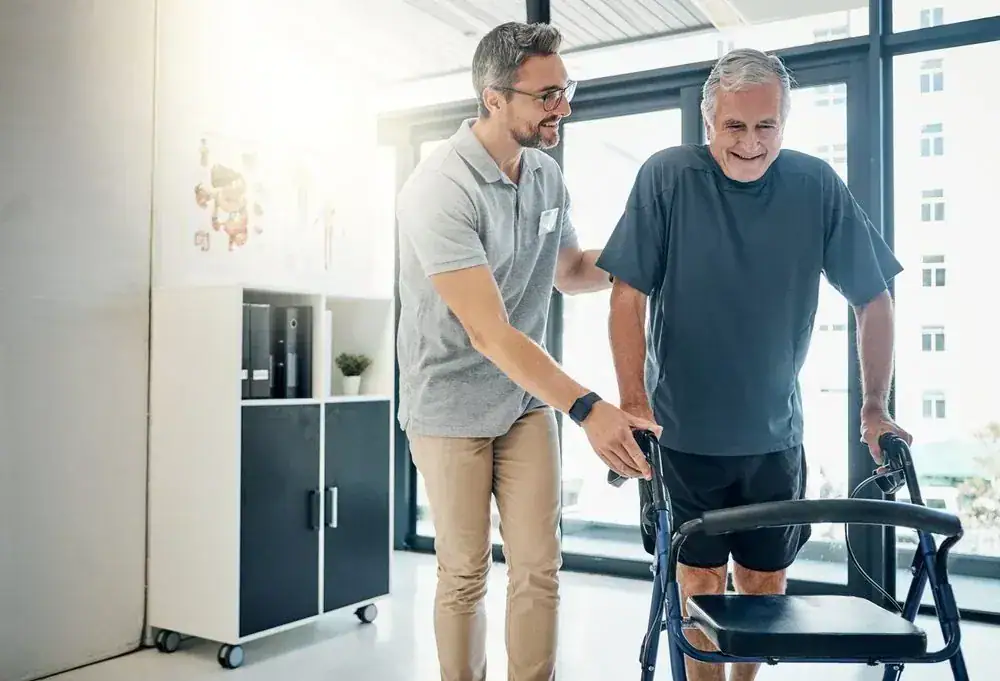
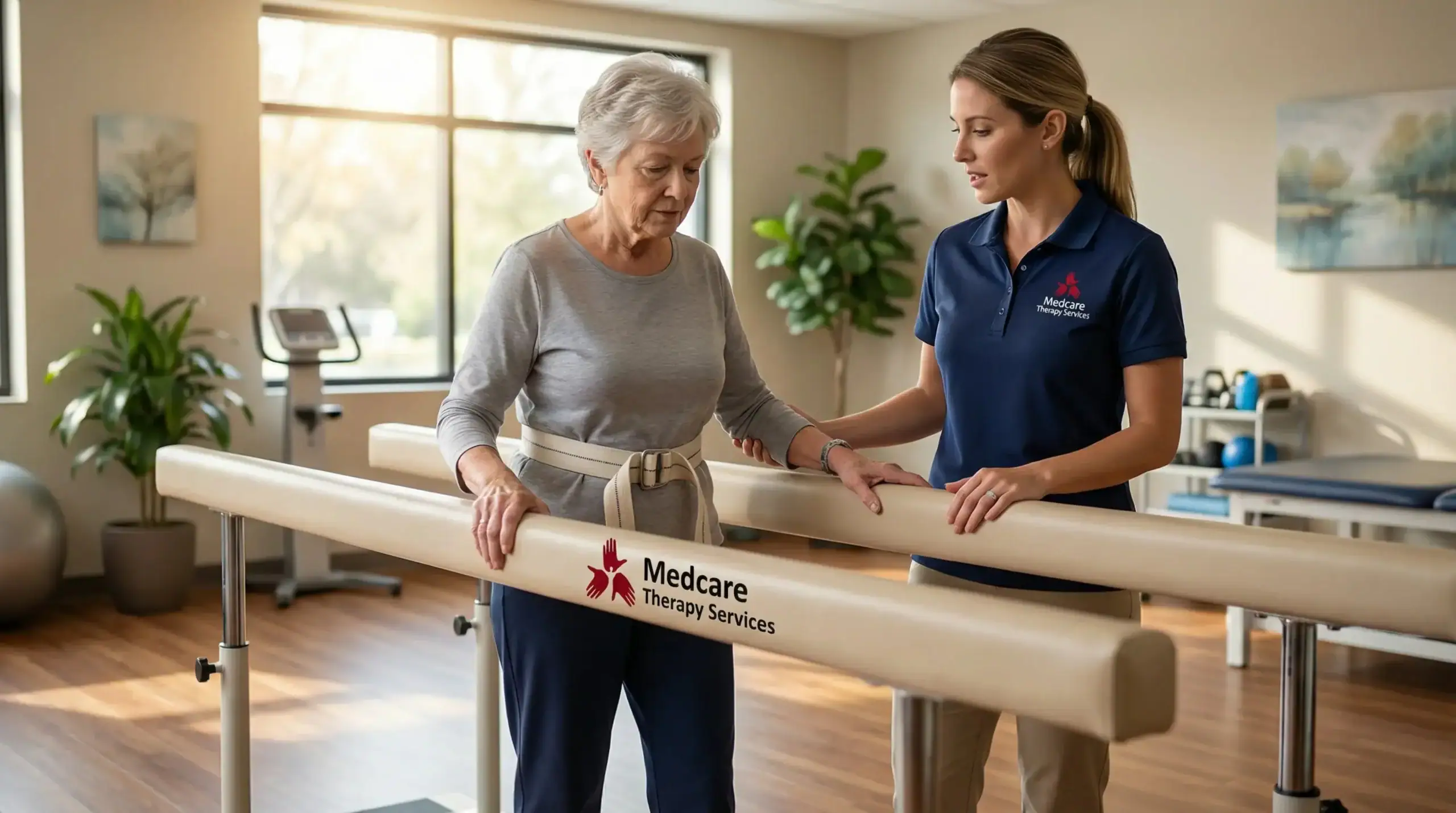
You stop second-guessing every step. The fear that’s been keeping you from walking to the mailbox or getting up in the night starts to fade.
Balance exercises for seniors aren’t about becoming an athlete. They’re about rebuilding the strength and coordination your body needs to move through your day without hesitation. When your legs are stronger and your balance is sharper, you’re not just safer—you’re more willing to do the things you’ve been avoiding.
Falls don’t just hurt physically. They chip away at your confidence and independence. Physical therapy for balance gives you both back. You’ll move with more control, react faster when you lose your footing, and trust your body again in situations that used to make you nervous.
Every 11 seconds, someone over 65 is treated in an emergency room for a fall. But falls aren’t random—they follow patterns. And those patterns can be interrupted with the right training, the right exercises, and someone who knows what to look for.
We’ve been serving Long Island communities like Bayville since 2010, bringing licensed physical and occupational therapists directly into your home. We’re affiliated with Physical Therapy Associates of Smithtown and Speonk Physical Therapy—practices with decades of experience treating older adults who need care but can’t easily get to a clinic.
Bayville’s median age is 51, and more than one in five residents are 65 or older. That number is growing fast across Nassau County. We built our fall prevention program specifically for this population—people who want to stay in their homes, stay active, and not live in fear of falling.
Our therapists are trained in the Otago Exercise Program, an evidence-based fall prevention method recognized internationally. We don’t just show up and run you through generic exercises. We assess your specific risk factors—strength, balance, gait, home layout—and build a plan around what your body actually needs.
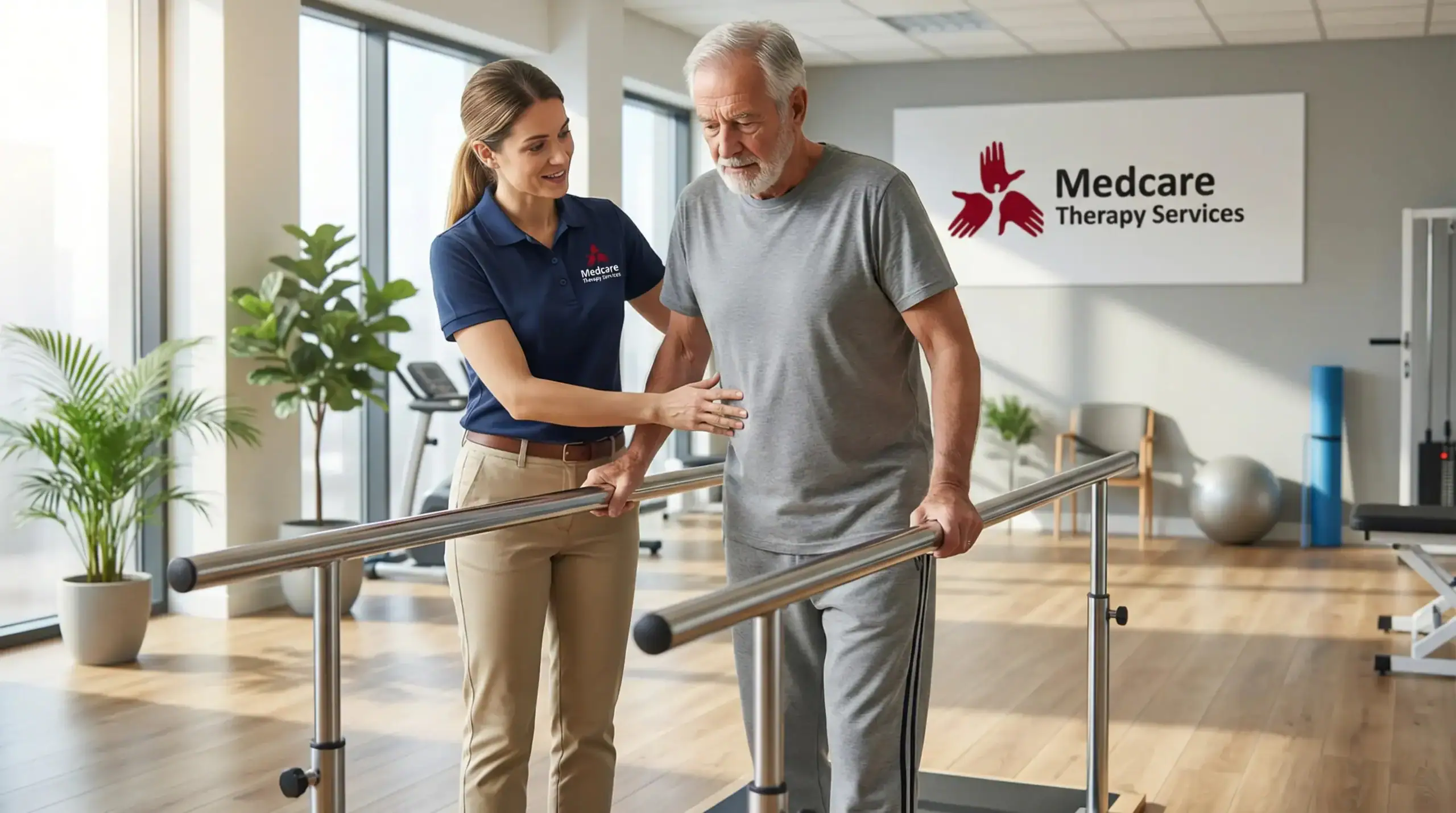
First, we come to your home for an evaluation. A licensed therapist will assess your balance, strength, walking pattern, and any environmental risks in your home—loose rugs, poor lighting, tricky stairs. This isn’t a quick checklist. It’s a full picture of what’s increasing your fall risk.
From there, we design a personalized program. That might include strength exercises to stabilize your legs and core, balance training to improve your reaction time, and gait work to help you walk more confidently. If you’ve already fallen, we’ll address the fear that’s likely making you move less—which only makes things worse.
Sessions happen in your home, usually two to three times a week to start. You’ll work with the same therapist each time, so they can track your progress and adjust as you improve. Everything is covered by Medicare as long as you meet eligibility requirements, which most seniors do.
Between sessions, you’ll have exercises to practice on your own. These aren’t complicated. They’re movements you can do holding onto a counter or sitting in a chair—small things that add up to major improvements in stability and confidence over time.

Ready to get started?
Your program starts with a full fall risk assessment. We evaluate muscle strength, joint flexibility, balance control, walking speed, and your home environment. If you’re on medications that affect balance or have vision issues, we factor that in too.
You’ll get a customized exercise plan that targets your specific weak points. That could mean leg strengthening exercises, standing balance drills, or coordination work. These senior balance exercises are designed to be done safely at home, with or without equipment, depending on what you need.
We also provide education—how to get up if you do fall, how to move safely around your home, what shoes to wear, and how to manage dizziness or lightheadedness. A lot of falls happen because people don’t know how their body is supposed to move in certain situations. We fill in those gaps.
In Bayville and across Long Island, transportation is a real barrier for older adults trying to access care. You don’t need to arrange a ride, navigate a parking lot, or sit in a waiting room. We bring everything to you. That’s not a convenience—it’s often the difference between getting help and going without it.
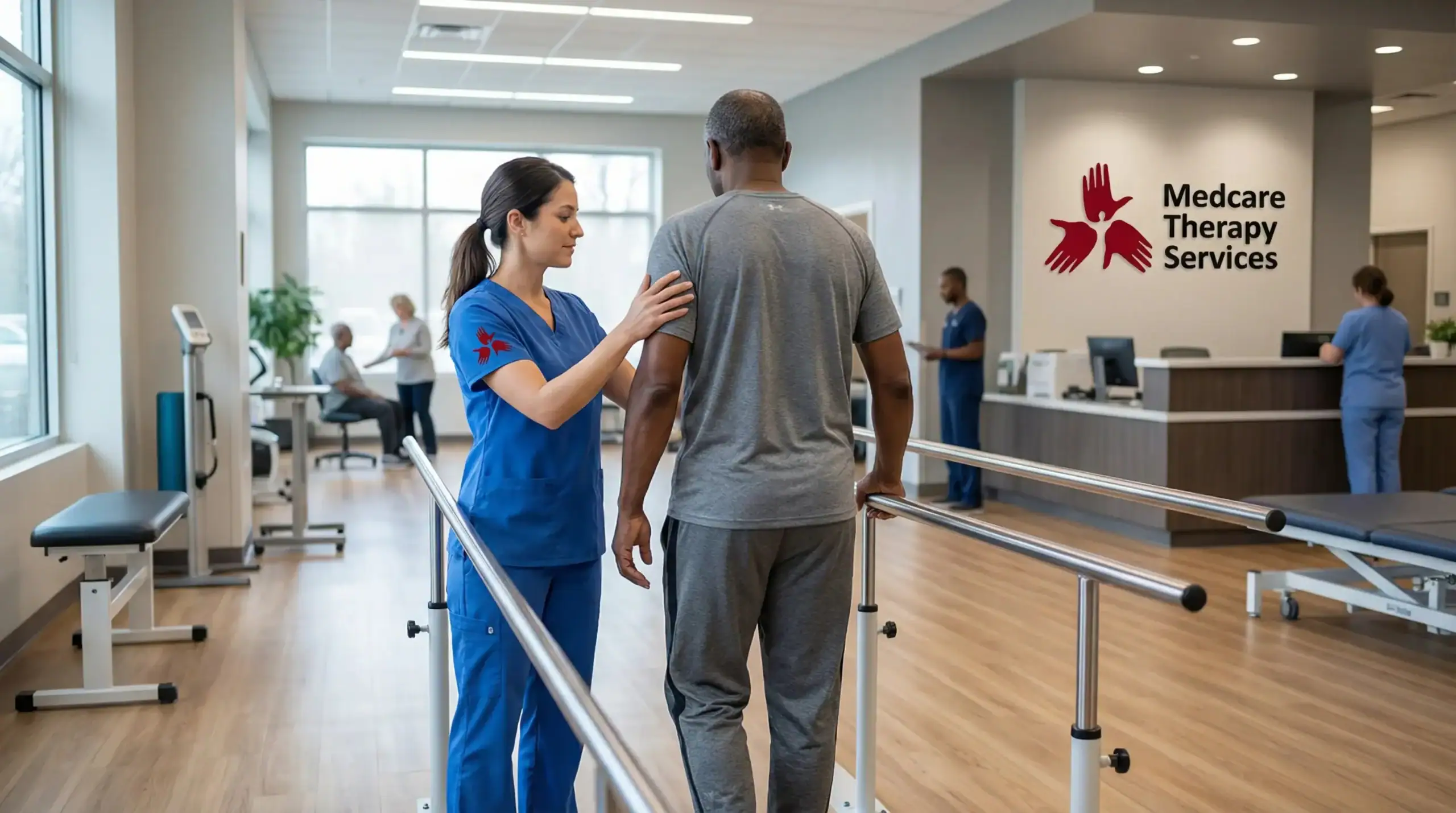
If you’ve fallen in the past year, you’re at higher risk. But even if you haven’t, there are other signs worth paying attention to.
Do you feel unsteady when you walk? Do you grab onto furniture or walls for support? Have you started avoiding stairs or certain rooms in your house because you don’t feel safe? Those are red flags. So is feeling dizzy when you stand up, or noticing that your legs feel weaker than they used to.
Certain medications—especially those for blood pressure, sleep, or anxiety—can affect your balance. Vision problems, numbness in your feet, and chronic conditions like arthritis or diabetes also increase your risk. If any of this sounds familiar, a fall risk assessment can give you a clear picture of where you stand and what needs attention.
Yes, as long as you meet Medicare’s requirements for home health services. Generally, that means you’re homebound or have significant difficulty leaving your home, and your doctor has ordered physical or occupational therapy.
You don’t need to be completely unable to leave the house—just that leaving requires considerable effort or assistance. Many seniors in Bayville qualify without realizing it. If you’re skipping doctor appointments because it’s too hard to get there, or if you only leave home once a week with help, you likely meet the criteria.
Medicare Part B covers the therapy itself. You’ll be responsible for your standard 20% coinsurance after your deductible is met, but there are no extra charges for us coming to your home. We handle all the billing and work directly with Medicare, so you’re not stuck managing paperwork or claims.
That’s exactly why we do this in your home with a licensed therapist right there. You’re not being asked to do anything risky or unsupervised.
Every exercise is tailored to your current ability. If you’re unsteady on your feet, we start with seated exercises or movements you do while holding onto a sturdy surface. As you get stronger and more confident, we gradually progress. You’re never pushed beyond what’s safe for your body right now.
Fear of falling is one of the biggest reasons older adults stop moving—and that creates a vicious cycle. You move less, you get weaker, and your risk actually goes up. Physical therapy for balance doesn’t just build strength. It rebuilds your confidence. You’ll start trusting your legs again, and that changes how you move through your day.
Most people notice a difference within four to six weeks, but it depends on where you’re starting from and how consistently you practice.
If you’ve lost a lot of strength or haven’t been active in a while, it might take a bit longer. But even small gains—like being able to stand from a chair without using your arms, or walking to the bathroom at night without holding the wall—make a real difference in your daily life.
Research shows that balance training programs can reduce fall risk by up to 50% when done correctly and consistently. That doesn’t happen overnight, but it also doesn’t take months and months. You’ll have exercises to do between therapy sessions, and those matter just as much as the time you spend with your therapist. The more you practice, the faster you’ll see results.
We use the Otago Exercise Program, which is specifically designed to prevent falls in older adults. It’s not generic physical therapy—it’s a research-backed protocol that’s been proven to reduce falls and fall-related injuries.
Otago focuses on strength and balance exercises that target the exact muscle groups and movement patterns involved in preventing falls. It’s progressive, meaning it adapts as you improve, and it’s designed to be done at home with minimal equipment. Our therapists are trained and certified in this method, so you’re getting specialized care, not a one-size-fits-all approach.
We also take a comprehensive look at your fall risk. That means evaluating your home environment, your medications, your footwear, your vision—all the factors that contribute to falls. A lot of programs just focus on exercise. We address the whole picture, because falls are rarely caused by just one thing.
Yes, you’ll need a physician’s order for home-based physical therapy. That’s a Medicare requirement, not ours.
If you already have a primary care doctor, they can write the order after a quick evaluation. If you don’t have a doctor or haven’t seen one recently, we can help connect you with a provider who can assess your needs and get the process started.
Once we have the order, we’ll contact you to schedule your initial evaluation. From there, we handle everything—verification with Medicare, scheduling, coordination with your doctor’s office. You don’t need to chase down paperwork or make a dozen phone calls. We’ve been doing this since 2010, and we’ve streamlined the process so it’s as easy as possible for you.
Other Services we provide in Bayville