
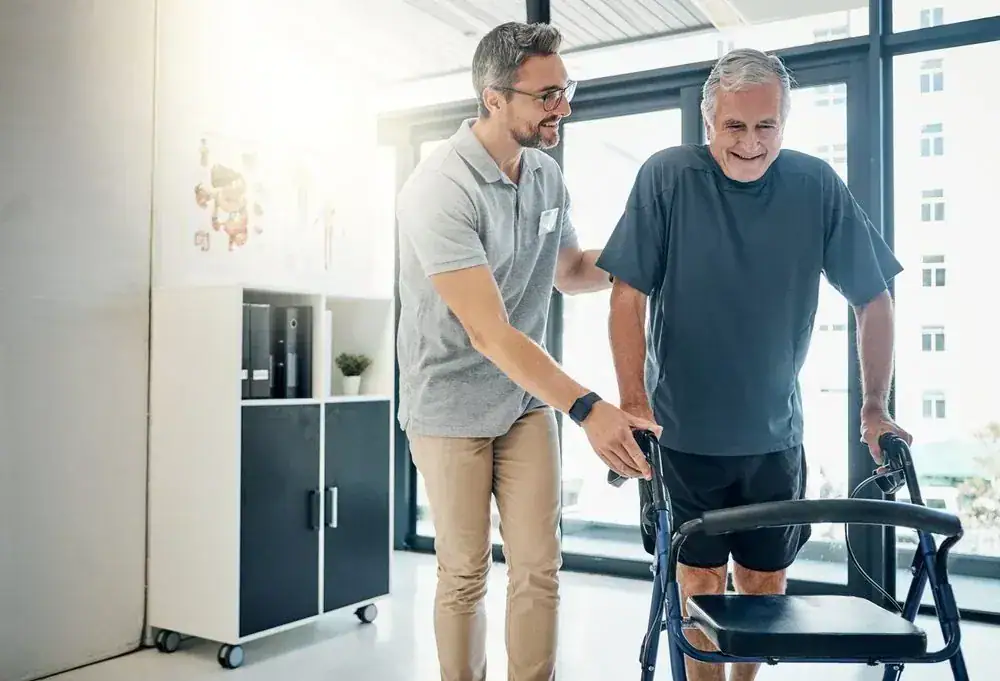
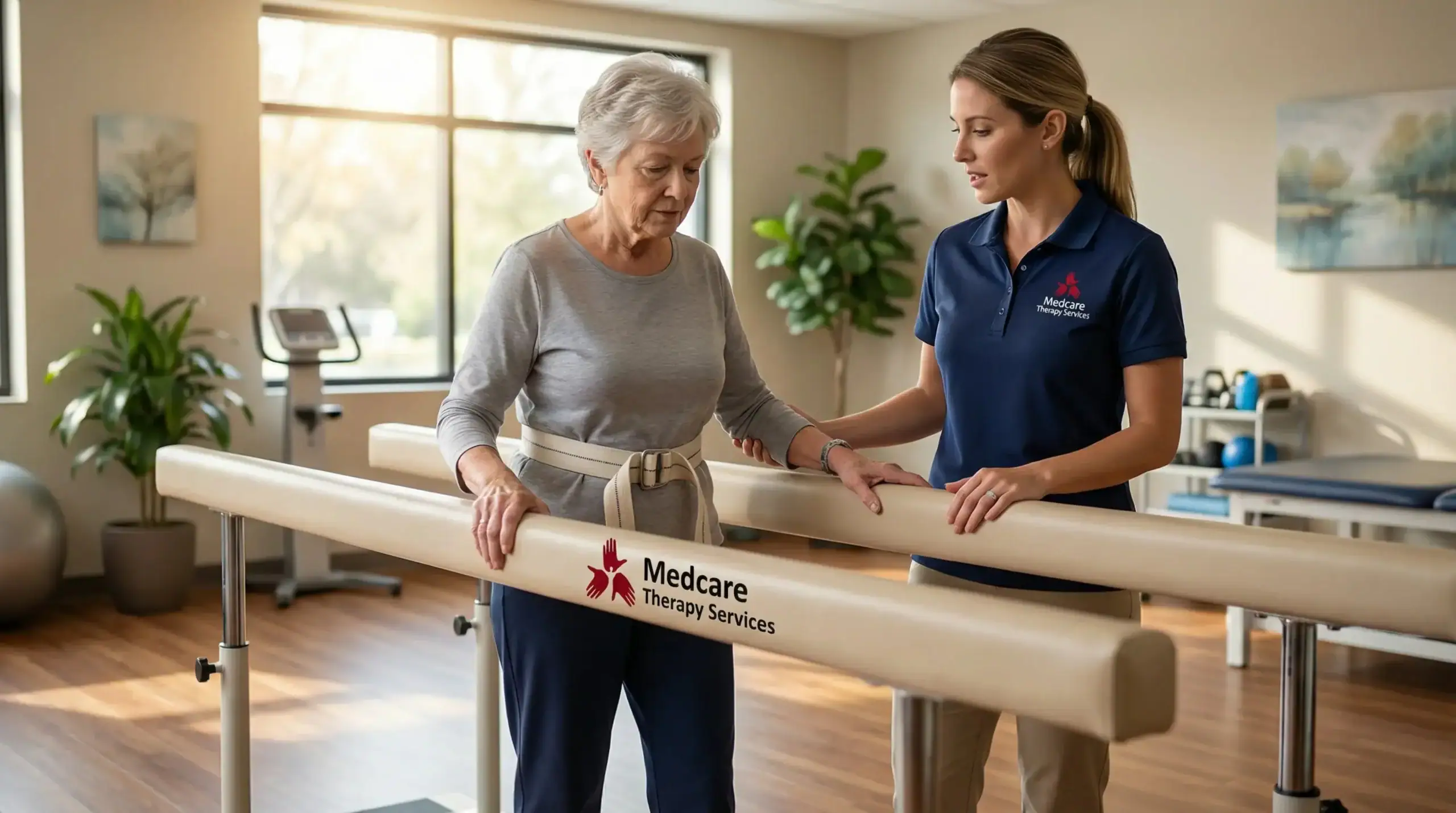
You stop planning your day around what feels safe. The bathroom at night doesn’t feel like a risk anymore. Getting the mail or walking to the car becomes automatic again, not something you have to think through.
That’s what happens when balance training actually works. Your body relearns how to catch itself. Your legs get stronger. Your confidence comes back because you’re not second-guessing every step.
Falls don’t just hurt physically. They change how you live. One in three adults over 65 falls each year, and many stop doing the things they love because they’re afraid it’ll happen again. Physical therapy for balance addresses that cycle early, before fear turns into isolation and weakness turns into injury.
The goal isn’t just preventing falls. It’s keeping you in your own home, doing what matters to you, without constantly wondering if you’re one misstep away from the emergency room.
We’ve been providing home-based physical therapy across Long Island for over a decade. We work with seniors in Barnum Island and throughout Nassau County who need fall prevention care but can’t easily get to a clinic.
Our therapists are licensed, experienced, and part of the American Physical Therapy Association. We accept Medicare and most commercial insurance, and we handle the paperwork so you don’t have to. Every visit is scheduled around your life, not ours.
Barnum Island’s senior population is growing, just like the rest of Nassau County, where nearly 39% of households now include someone over 65. That means more people are dealing with balance issues, mobility concerns, and the real fear of falling at home. We built our service model specifically for that reality.
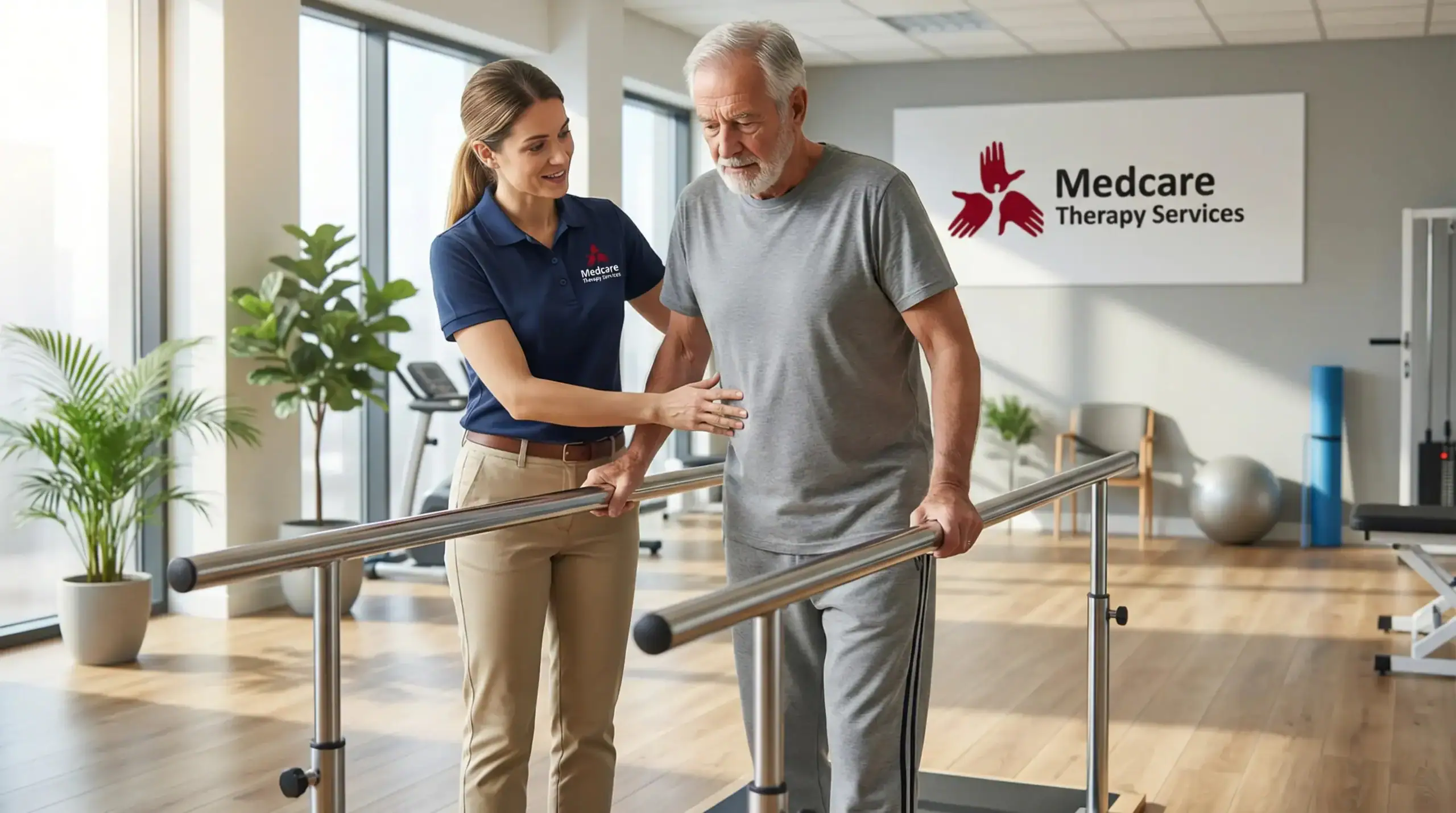
It starts with an assessment in your home. One of our therapists evaluates your balance, strength, walking pattern, and any environmental risks like loose rugs or poor lighting. This isn’t a generic checklist. It’s specific to how you move and where you live.
From there, we build a treatment plan based on what your body needs. That usually means balance exercises for seniors, strength training for your legs and core, and gait work to improve how you walk. Sessions typically run 30 to 45 minutes, three times a week, for about 12 weeks. Research shows that’s the window where you see the most improvement.
You’re not doing this alone. Your therapist is there every session, adjusting exercises as you get stronger and making sure you’re doing them correctly. We also talk through home safety changes that lower your risk between visits.
Most people notice a difference within a few weeks. Walking feels steadier. You’re not grabbing onto furniture as much. That nervous feeling when you stand up starts to fade. By the end of the program, the goal is that you’ve rebuilt enough strength and confidence to keep moving safely on your own.

Ready to get started?
Every plan includes one-on-one sessions with a licensed physical therapist who comes to your Barnum Island home. You’ll work on therapeutic exercises that target strength and balance, gait training to improve how you walk, and education on reducing hazards in your home.
We also assess the three systems your body relies on for balance: vision, your inner ear, and proprioception, which is your body’s sense of where it is in space. As you age, all three naturally weaken. Our therapy helps compensate for that decline by strengthening what still works and teaching your body to adapt.
Nassau County seniors face specific challenges. Many live on fixed incomes, with nearly half of those over 70 relying solely on Social Security. Transportation to a clinic isn’t always easy or affordable. That’s why we come to you. You get the same quality care without the logistical stress.
The program is covered by Medicare and most insurance plans. We verify your benefits upfront so there are no surprises. You’ll know what’s covered before the first visit. And because we’ve been doing this since 2010 across Long Island, we know how to work with insurers and get approvals quickly.
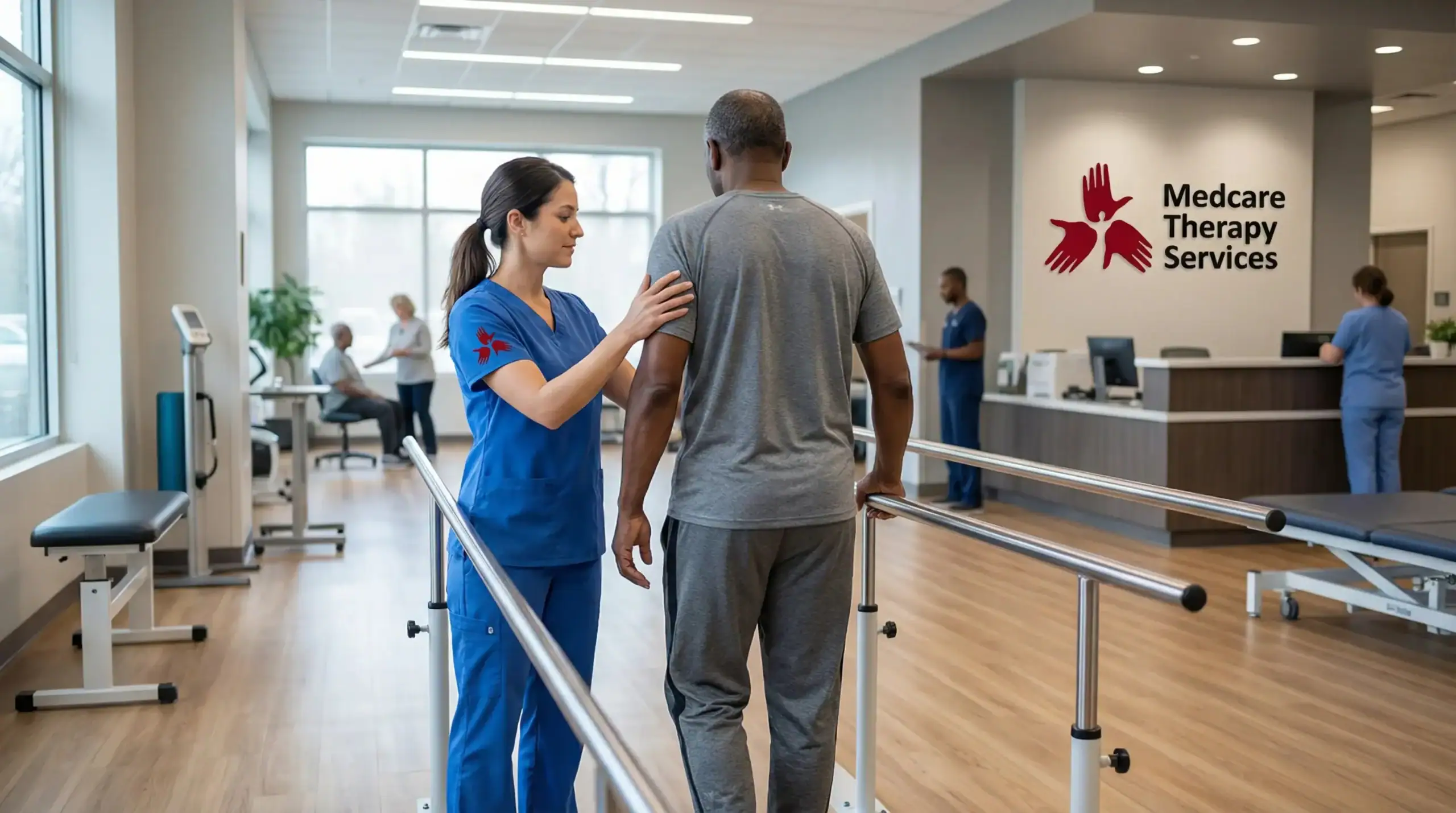
Most people notice small improvements within two to three weeks. You might feel steadier when you stand up or more confident walking around your house. The bigger changes, like measurable strength gains and significant fall risk reduction, usually show up around the six-to-eight-week mark.
Research backs this up. Studies show that 11 to 12 weeks of balance training, done three times a week for 30 to 45 minutes per session, delivers the best results. That’s the protocol we follow. You’re not guessing whether it’s working. Your therapist tracks your progress with objective measures like walking speed, balance tests, and how well you can perform daily tasks.
The key is consistency. Missing sessions or not doing the exercises correctly slows things down. But if you stick with the program, the data shows you can reduce your fall risk by up to 28%. That’s not a small number when you consider what’s at stake.
No. If anything, it’s more important. Falling once increases your risk of falling again, partly because of injury and partly because of fear. A lot of people who fall start limiting their activity, which makes them weaker, which makes falling more likely. It’s a cycle that our therapy is designed to break.
After a fall, we assess what contributed to it. Was it a balance issue? Muscle weakness? A trip hazard in your home? Poor lighting? Often it’s a combination. Once we know what happened, we can address it directly with exercises and environmental changes.
The other thing therapy does is rebuild your confidence. Fear of falling is a real barrier. It keeps people from walking, socializing, even moving around their own home. We work on that mentally and physically, helping you trust your body again while making sure it’s actually strong enough to support that trust.
Yes, as long as it’s medically necessary and prescribed by a doctor. Medicare Part B covers outpatient physical therapy, including home visits, if you meet certain criteria. You’ll need a physician’s order, and the therapy has to be provided by a licensed professional, which all of our therapists are.
We handle the insurance verification and billing. Before your first session, we confirm your coverage and let you know what your responsibility will be. Most people pay a copay or coinsurance after meeting their deductible, but the specifics depend on your plan.
If you have a Medicare Advantage plan or supplemental insurance, coverage can vary. We work with nearly all commercial insurers, so we’re used to navigating different policies. The goal is to make sure you get the care you need without surprise bills or administrative headaches.
You’re training in the environment where you actually live. That matters because the place you’re most likely to fall is your own home. We can spot hazards a clinic therapist would never see: the rug that slides, the step you always trip on, the lighting that makes it hard to see at night.
Home therapy also removes barriers. If you have trouble driving, don’t have reliable transportation, or feel anxious about leaving the house, you’re more likely to skip appointments. When we come to you, that’s not an issue. You get consistent care, which is what makes the program work.
There’s also something to be said for comfort. You’re in your own space, wearing your own clothes, moving around furniture and rooms you know. It’s less clinical and more practical. The exercises we do are tailored to your daily routine, not generic gym equipment. That makes it easier to keep up with them after therapy ends.
Falling is not inevitable. Yes, your balance systems weaken with age. But that doesn’t mean you’re powerless. Research shows that seniors who do regular balance and strength exercises reduce their fall risk by 28%. That’s a significant, measurable difference.
The reason it works is because balance is trainable. Your body can relearn how to stabilize itself, even if your vision or inner ear isn’t what it used to be. Exercises that challenge your balance force your brain and muscles to adapt. Over time, you get better at catching yourself, adjusting your posture, and moving without losing stability.
The alternative is doing nothing and hoping for the best. But hope isn’t a strategy when falls are the leading cause of injury-related death in older adults. More than 30,000 seniors die each year from fall-related injuries, and over 300,000 end up hospitalized with hip fractures. Those aren’t just statistics. They’re preventable outcomes, and therapy is one of the most effective ways to prevent them.
There are some clear signs. If you’ve fallen in the past year, that’s the biggest predictor. If you feel unsteady when you walk, grab onto furniture or walls for support, or avoid certain activities because you’re afraid of falling, those are red flags.
Other risk factors include muscle weakness, especially in your legs, difficulty getting up from a chair, dizziness or balance problems, and taking multiple medications that affect coordination or blood pressure. Vision problems and home hazards like poor lighting or clutter also increase risk.
During the initial assessment, we use standardized tests to measure your fall risk objectively. Things like how fast you walk, whether you can stand on one leg, and how well you recover when your balance is challenged. This gives us a baseline and helps us track improvement. If you’re unsure whether you’re at risk, the assessment will tell you. And if you are, we’ll have a plan to address it before a fall happens.
Other Services we provide in Barnum Island