
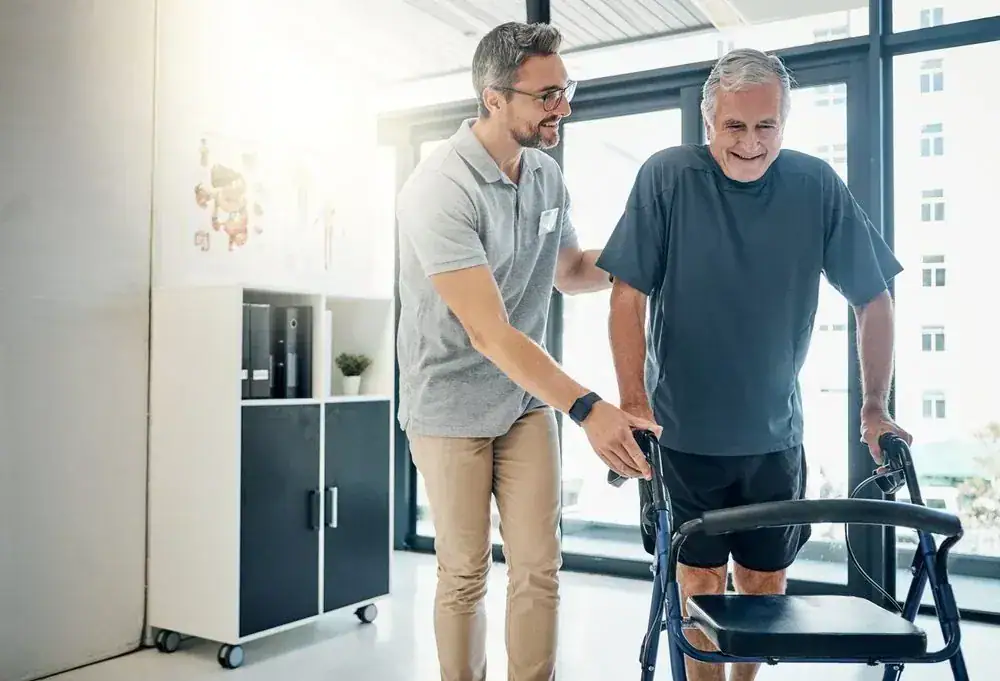
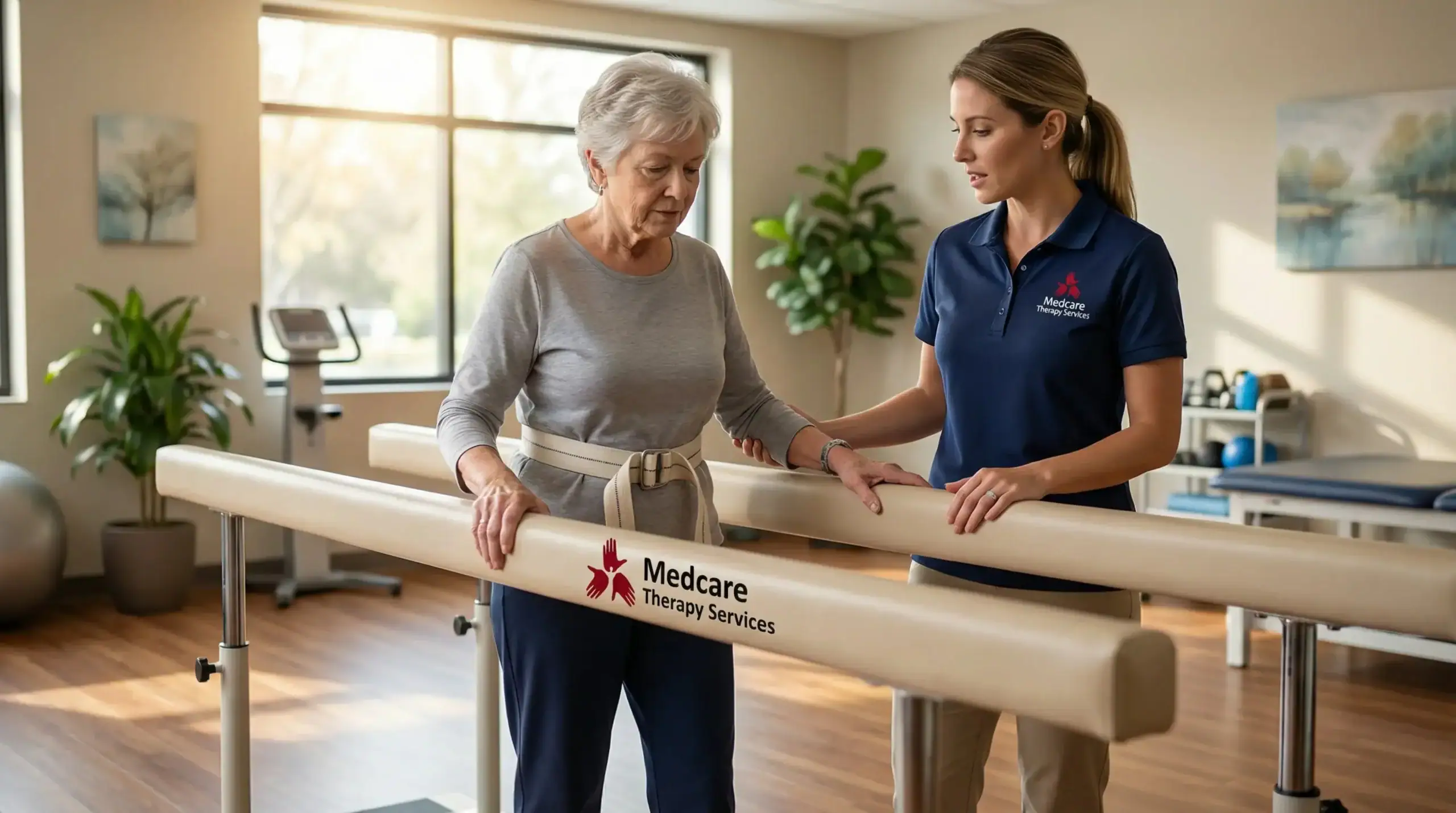
You stop second-guessing every step. Getting out of bed doesn’t require a mental checklist. Walking to the mailbox or reaching for something in the cabinet becomes automatic again, not a calculated risk.
That’s what happens when your muscles get stronger, your coordination sharpens, and your confidence comes back. You’re not just preventing falls—you’re reclaiming the freedom to move without fear.
In Nassau County, 88% of injury hospitalizations for adults over 65 come from falls. Most of those falls happen at home, in familiar spaces where you should feel safest. The good news is that targeted balance exercises and strength training can cut your fall risk by 30% to 35%, and the work happens right in your own living room.
We’ve been providing in-home physical therapy across Long Island for over a decade. We work with seniors who find it difficult to leave home, and we treat each person like family.
Our therapists are licensed, trained in evidence-based fall prevention programs, and familiar with the specific challenges Long Island seniors face. We accept Medicare and most commercial insurance, so cost doesn’t have to be a barrier to getting the care you need.
Atlantic Beach and the surrounding Nassau County communities have some of the highest fall rates in New York State. We’re here because this is where the need is greatest, and we know how to help.
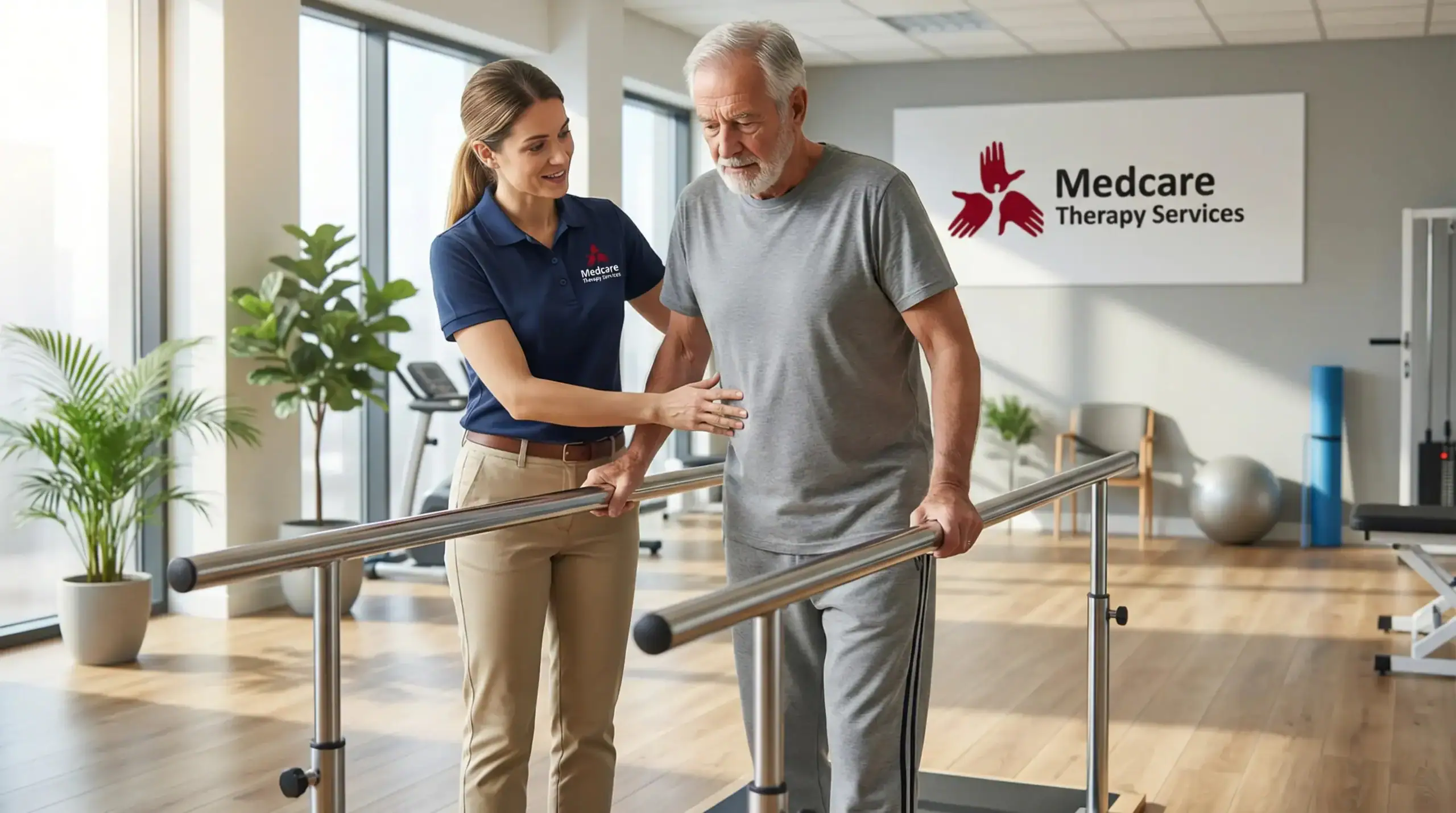
It starts with an assessment. A licensed physical therapist comes to your home and evaluates your strength, balance, gait, and any environmental risks. They’ll ask about medications, past falls, and what activities you’re avoiding because of fear.
From there, they build a personalized program. This isn’t a generic handout—it’s a plan designed around your specific weaknesses, your goals, and your home layout. You’ll work on balance exercises for seniors that target muscle groups you actually use every day. Core activation, leg strength, coordination drills—all chosen because they work.
Sessions happen in your home, on your schedule. Your therapist guides you through each movement, adjusts as you improve, and makes sure you’re doing everything safely. Over time, the exercises get easier. Your confidence grows. And the fear that’s been holding you back starts to fade.
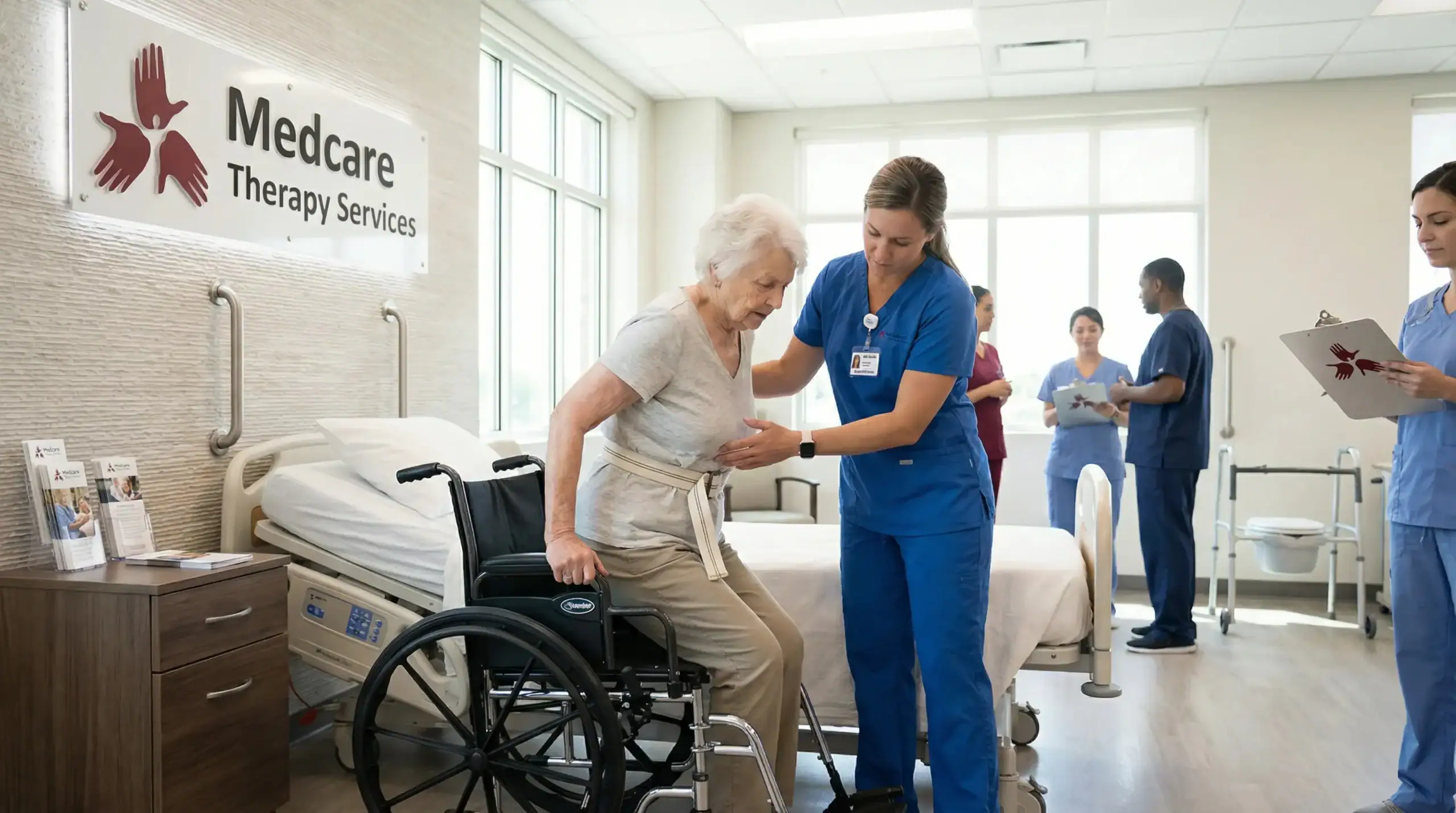
Ready to get started?
You get a full fall risk assessment that looks at strength, flexibility, balance, walking patterns, and home safety. Your therapist identifies what’s putting you at risk—whether it’s weak legs, poor coordination, medication side effects, or hazards in your environment.
Then comes the treatment plan. Expect senior balance exercises that rebuild stability, strength training to support your joints and muscles, and gait training to improve how you walk. If your home has risks like loose rugs or poor lighting, your therapist will point them out and suggest fixes.
In Atlantic Beach and across Nassau County, where falls send thousands of seniors to the ER every year, this kind of proactive care makes a measurable difference. You’re not waiting for a fall to happen. You’re addressing the root causes now, while you still have the ability to improve. And because we accept Medicare, the financial burden is manageable for most families.
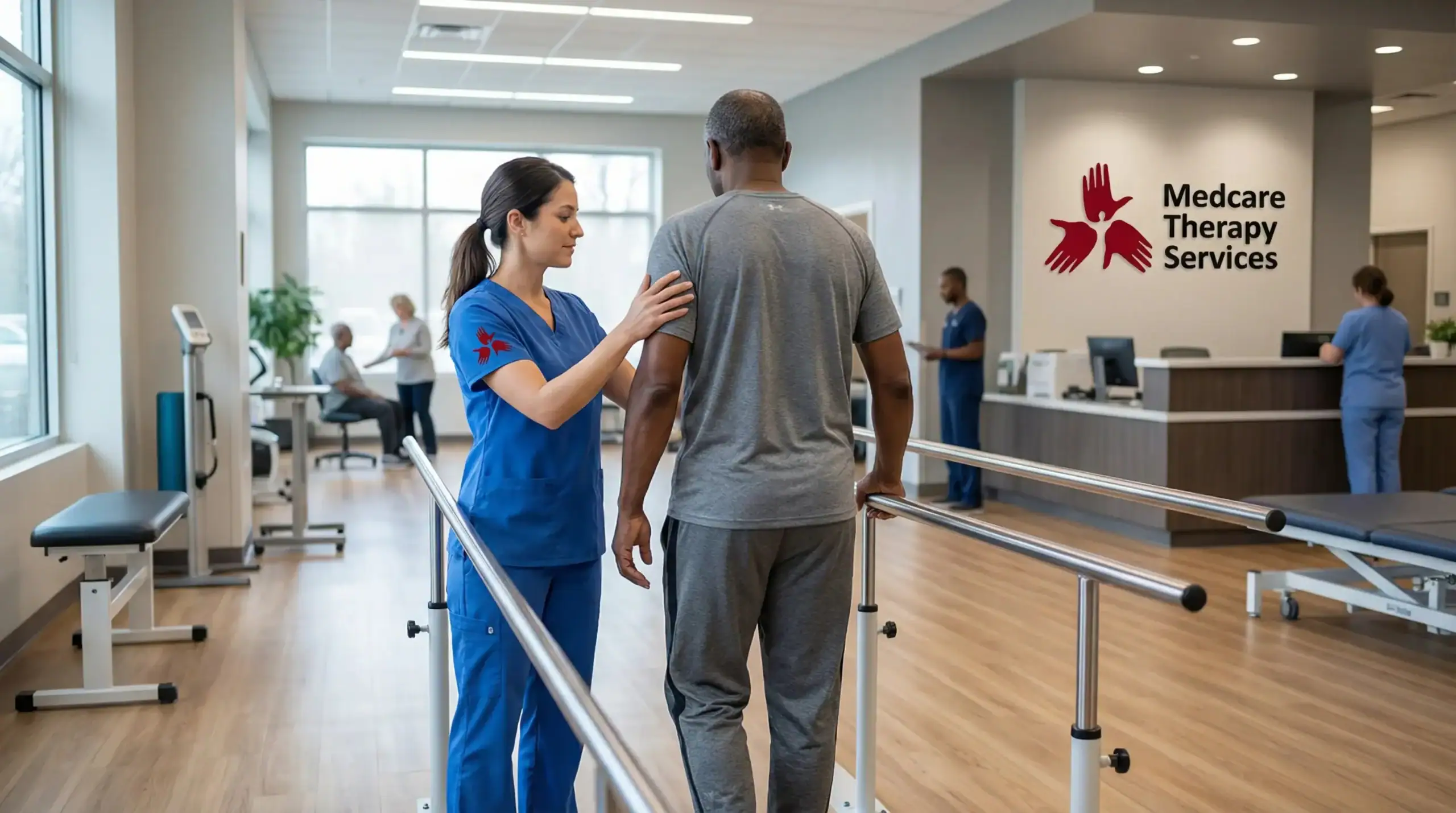
If you’ve fallen in the past year, you’re at higher risk. If you’re afraid of falling and have started avoiding certain activities, that’s another red flag. Taking four or more medications, feeling unsteady when you stand up, or needing to hold onto furniture when you walk are all warning signs.
Physical changes matter too. Weak legs, stiff joints, dizziness, or numbness in your feet all increase fall risk. So do vision problems and chronic conditions like arthritis or Parkinson’s.
A physical therapist can assess all of these factors during a home visit. They’ll test your balance, watch how you move, and identify specific weaknesses. From there, you’ll know exactly what needs attention and how to address it before a fall happens.
You’ll do exercises that mimic real-life movements. Standing on one leg, heel-to-toe walking, sit-to-stand drills, and weight shifts are common. These aren’t complicated—they’re designed to retrain your brain-body connection and strengthen the muscles you use to stay upright.
Your therapist might also include core exercises, leg lifts, and ankle strengthening. The goal is to make your body more stable and responsive when you encounter uneven surfaces, sudden movements, or distractions.
Everything is tailored to your current ability. If standing on one leg isn’t safe yet, you’ll start with something easier and progress from there. The exercises are done at home, often using a chair or countertop for support. No special equipment required.
Yes, Medicare Part B covers physical therapy for fall prevention when it’s medically necessary and prescribed by a doctor. That includes in-home therapy if you have difficulty leaving your house.
You’ll typically pay 20% of the Medicare-approved amount after you’ve met your deductible. If you have a Medicare Supplement plan or Medicare Advantage, your out-of-pocket costs may be lower.
We accept Medicare and nearly all commercial insurance plans. Our team handles the billing and works directly with your insurance provider, so you’re not navigating the paperwork alone. If you’re unsure about your coverage, we can verify your benefits before your first session.
Most people start feeling steadier within a few weeks, but meaningful improvement usually takes two to three months of consistent work. Research shows that programs like the Otago Exercise Program can reduce falls by up to 35% when done correctly over time.
Your progress depends on where you’re starting from, how often you practice, and whether you’re dealing with other health conditions. Some people see quick gains in strength and confidence. Others need more time to rebuild muscle and coordination.
The key is consistency. Your therapist will give you exercises to do between sessions, and sticking with them makes a big difference. This isn’t a quick fix—it’s a process that builds real, lasting stability.
In-home therapy lets your therapist see the actual environment where you spend most of your time. They can spot hazards you might not notice—loose rugs, poor lighting, clutter in walkways—and help you fix them.
It’s also more convenient. If getting to a clinic is difficult or stressful, you’re less likely to stick with treatment. When therapy happens at home, there’s no transportation barrier, no waiting room, and no added fatigue from the trip.
For seniors in Atlantic Beach and Nassau County who are already at high risk, staying home for therapy reduces exposure to additional fall hazards. You get personalized care in the place where you need to feel safest, and that makes the whole process more effective.
It’s not too late. In fact, falling once makes you more likely to fall again, so starting therapy now is critical. Many people develop a fear of falling after their first fall, which leads them to move less. That inactivity weakens muscles and balance even further, creating a dangerous cycle.
Physical therapy breaks that cycle. You’ll rebuild strength, improve coordination, and regain confidence in your ability to move safely. Your therapist will also address any lingering pain or mobility issues from the fall itself.
Every 11 seconds, an older adult is treated in the ER for a fall. Every 20 minutes, someone dies from one. But most falls are preventable with the right intervention. Starting therapy after a fall can be the difference between losing independence and getting it back.
Other Services we provide in Atlantic Beach