
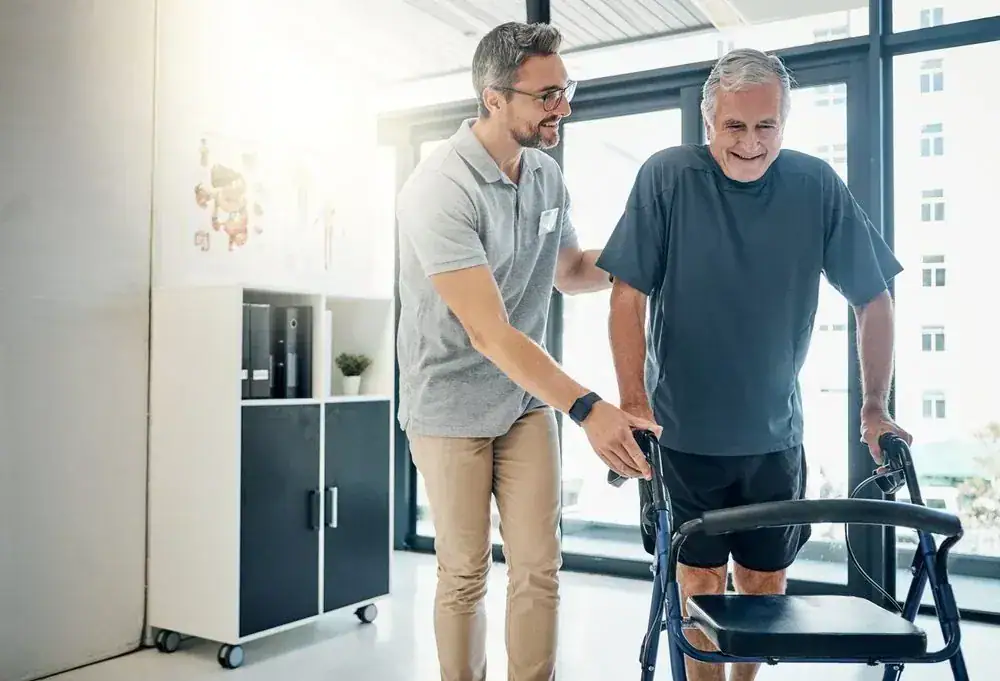
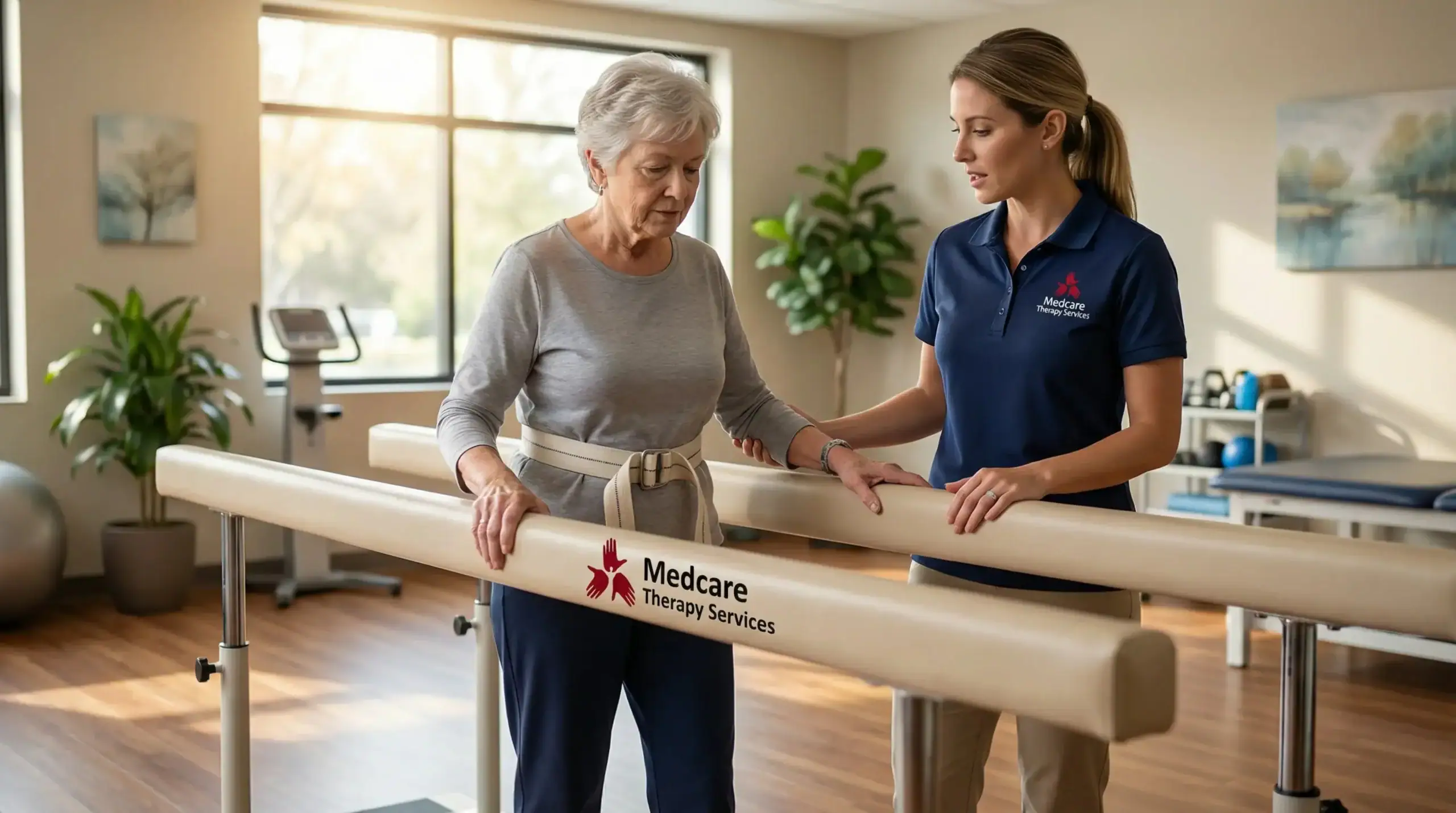
You’re not imagining it. That hesitation before standing up, the extra second you need to steady yourself, the way you avoid certain rooms in your own home—these aren’t just signs of getting older. They’re warning signs.
One in four adults over 65 falls each year. On Long Island, that risk is even higher than the state average. Nassau and Suffolk counties rank 4th and 5th statewide for fall-related incidents. If you live in Asharoken, NY, you’re statistically more at risk than almost anyone else in New York.
But here’s what matters: falls aren’t random. They follow patterns. They have identifiable risk factors. And they’re preventable.
Physical therapy for balance works. Studies show the right interventions reduce fall risk by 30-35%. That means better stability when you walk to the mailbox, more confidence getting in and out of the shower, and less anxiety about moving through your own home. You get to stay independent longer, avoid hospitalizations, and keep doing what you love without constant worry.
We’ve been providing in-home physical therapy across Long Island for over a decade. We’re not a corporate chain. We’re local therapists who understand the specific challenges Asharoken residents face—from the layout of older North Shore homes to the uneven sidewalks along Eaton’s Neck Road.
Our physical therapists are trained in evidence-based fall prevention programs, including the Otago Exercise Program. Every assessment is personalized. Every treatment plan is built around your home, your routine, and your goals.
We accept Medicare and come to you. No driving to appointments, no waiting rooms, no rushing through a 15-minute session. Just focused, professional care in the place where you actually need to feel safe.

Your first session starts with a fall risk assessment in your home. We look at your balance, strength, gait, and how you move through your daily routine. We also evaluate your environment—lighting, rugs, stairs, bathroom setup—to identify hazards you might not notice.
From there, we build a plan. That might include balance exercises for seniors, strength training, gait retraining, or specific interventions based on your risk factors. If you’ve had a fall before, we address what caused it. If you’re afraid of falling, we work on rebuilding confidence through controlled, progressive movement.
Sessions typically happen two to three times per week, depending on your needs. Each visit lasts about 45-60 minutes. You’ll do exercises during the session, and we’ll give you simple routines to practice between visits. Progress is tracked, adjustments are made, and you’ll see improvement within weeks—not months.
Most importantly, everything is designed around your life. If you need to strengthen your legs to get up from your favorite chair, that’s what we focus on. If stairs are the issue, we train for stairs. This isn’t generic senior fitness. It’s targeted fall prevention.

Ready to get started?
You get a full fall risk evaluation that measures balance, strength, reaction time, and mobility. We test how you move in real situations—standing from a chair, walking across the room, turning your head while walking. These aren’t arbitrary tests. They predict fall risk with accuracy.
Your program includes senior balance exercises tailored to your ability level. Some clients start with seated movements. Others begin with supported standing exercises. We meet you where you are, not where a textbook says you should be.
We also provide home safety recommendations. Small changes make a big difference. Removing tripping hazards, improving lighting, installing grab bars in the right spots—these aren’t just suggestions. They’re interventions that reduce falls by up to 35% when combined with physical therapy.
For Asharoken residents, we pay special attention to the unique layout of North Shore homes. Many properties here have multiple levels, older construction, and outdoor spaces that require navigation. We factor that in. If you need to manage stairs to access your bedroom or navigate a sloped driveway to get your mail, we train for that.

If you’ve fallen in the past year, you need an assessment. If you feel unsteady when walking, avoid certain activities because you’re afraid of falling, or grab onto furniture for support, those are clear signs.
Other red flags: dizziness when standing up, difficulty getting out of a chair without using your arms, shuffling your feet instead of taking full steps, or needing to look down constantly while walking. Even if you haven’t fallen yet, these patterns increase your risk significantly.
Your doctor might have mentioned balance issues, or you might just feel less confident than you used to. That’s enough. The earlier you address it, the easier it is to reverse. Waiting until after a fall means you’re recovering from an injury and retraining your balance at the same time. Prevention is always easier than rehabilitation.
Yes. Medicare Part B covers physical therapy for fall prevention when it’s medically necessary and prescribed by your doctor. That includes in-home therapy, which is what we provide.
You’ll need a referral or prescription from your physician. If you’ve already fallen, have a diagnosed balance disorder, or show signs of increased fall risk during a medical exam, you’ll likely qualify. Your doctor can also order therapy if you have conditions that affect balance—like neuropathy, arthritis, or vestibular issues.
Medicare typically covers a set number of sessions per year, and there may be a copay depending on your plan. We handle the billing and verification process, so you’re not navigating that alone. Most of our Asharoken clients use Medicare without any issues. If there’s ever a coverage question, we’ll let you know upfront before starting treatment.
Balance exercises you find online aren’t tailored to your specific risk factors. They don’t account for your strength level, your medical history, or the actual movements that make you unsteady. Physical therapy does.
We assess why you’re losing balance. Is it muscle weakness? Poor proprioception? Vestibular dysfunction? Inner ear issues? Each cause requires a different approach. A generic YouTube video can’t diagnose that. A licensed physical therapist can.
We also progress your exercises safely. Doing the wrong movement or advancing too quickly can increase fall risk instead of reducing it. We monitor your form, adjust intensity, and make sure you’re improving without putting yourself in danger. Plus, we’re there if something goes wrong. If you feel dizzy or unsteady during a session, we know how to respond. That safety net matters, especially in the early stages of treatment.
Most people notice improvements within three to four weeks. That might mean better stability when standing, less fear during daily activities, or increased confidence walking without support.
Measurable changes in strength and balance typically show up around the six-week mark. That’s when we retest your initial assessment metrics and compare progress. For some clients, the gains are dramatic. For others, it’s steadier and more gradual. Either way, the trajectory is upward.
Full fall risk reduction—the kind that shows up in long-term statistics—happens over two to three months of consistent therapy. That’s the timeline research supports, and it’s what we see in practice. The key is sticking with it. Skipping sessions or stopping early limits results. Fall prevention isn’t a one-time fix. It’s a process that builds strength, retrains movement patterns, and creates new habits that last.
We start by talking through your history. Have you fallen before? Do you feel unsteady? Are there specific activities that make you nervous? We also review your medications, since some prescriptions increase fall risk.
Then we do physical tests. You’ll stand from a chair, walk across the room, turn around, and sit back down. We’ll test your balance in different positions—eyes open, eyes closed, on one leg, with head movements. We check your strength, flexibility, and how well you respond to small challenges like stepping over an object or changing direction quickly.
We also walk through your home. We look at rugs, lighting, stairs, bathroom setup, and furniture placement. We identify tripping hazards and suggest modifications. Some changes are free—like rearranging furniture or removing clutter. Others might require minor updates, like adding a grab bar or improving a light fixture. Everything is practical and based on your actual space, not a generic checklist.
Yes. Even if you’ve fallen more than once, therapy can reduce your risk going forward. The goal is to break the cycle.
After a fall, many people become afraid to move. That fear leads to less activity, which leads to weaker muscles and worse balance, which leads to more falls. It’s a loop. Physical therapy interrupts that pattern by rebuilding strength and confidence in a controlled way.
We also figure out why you’re falling. Is it a strength issue? A balance problem? Environmental hazards? Medication side effects? Often, it’s a combination. Once we identify the causes, we can address them directly. That might mean targeted exercises, home modifications, or coordination with your doctor to review your prescriptions. The fact that you’ve fallen before doesn’t mean you’re destined to keep falling. It just means we have more information to work with.
Other Services we provide in Asharoken