
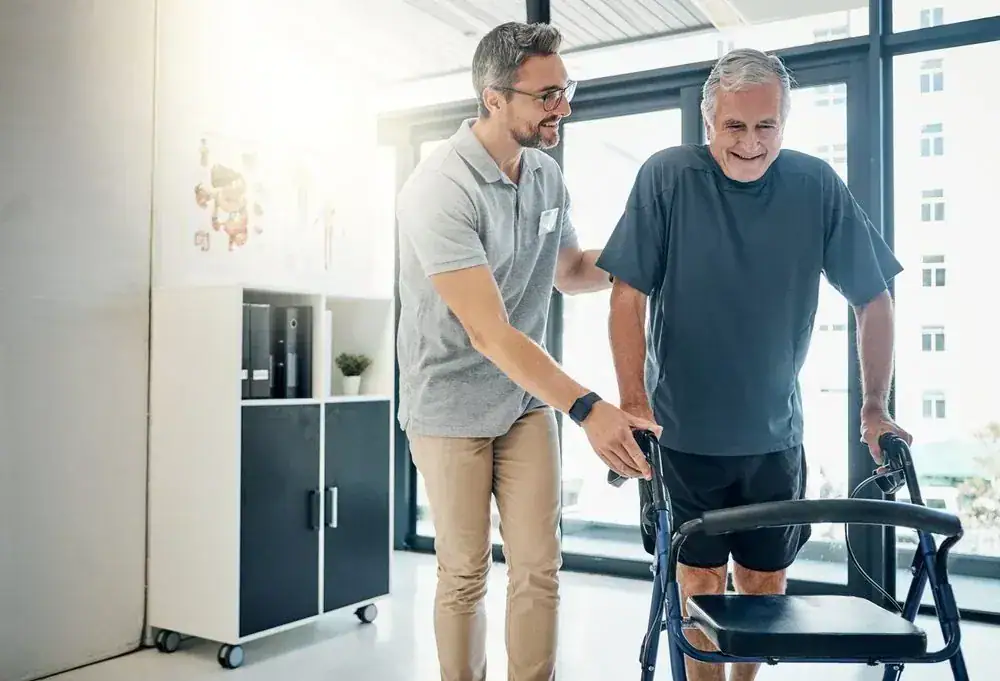
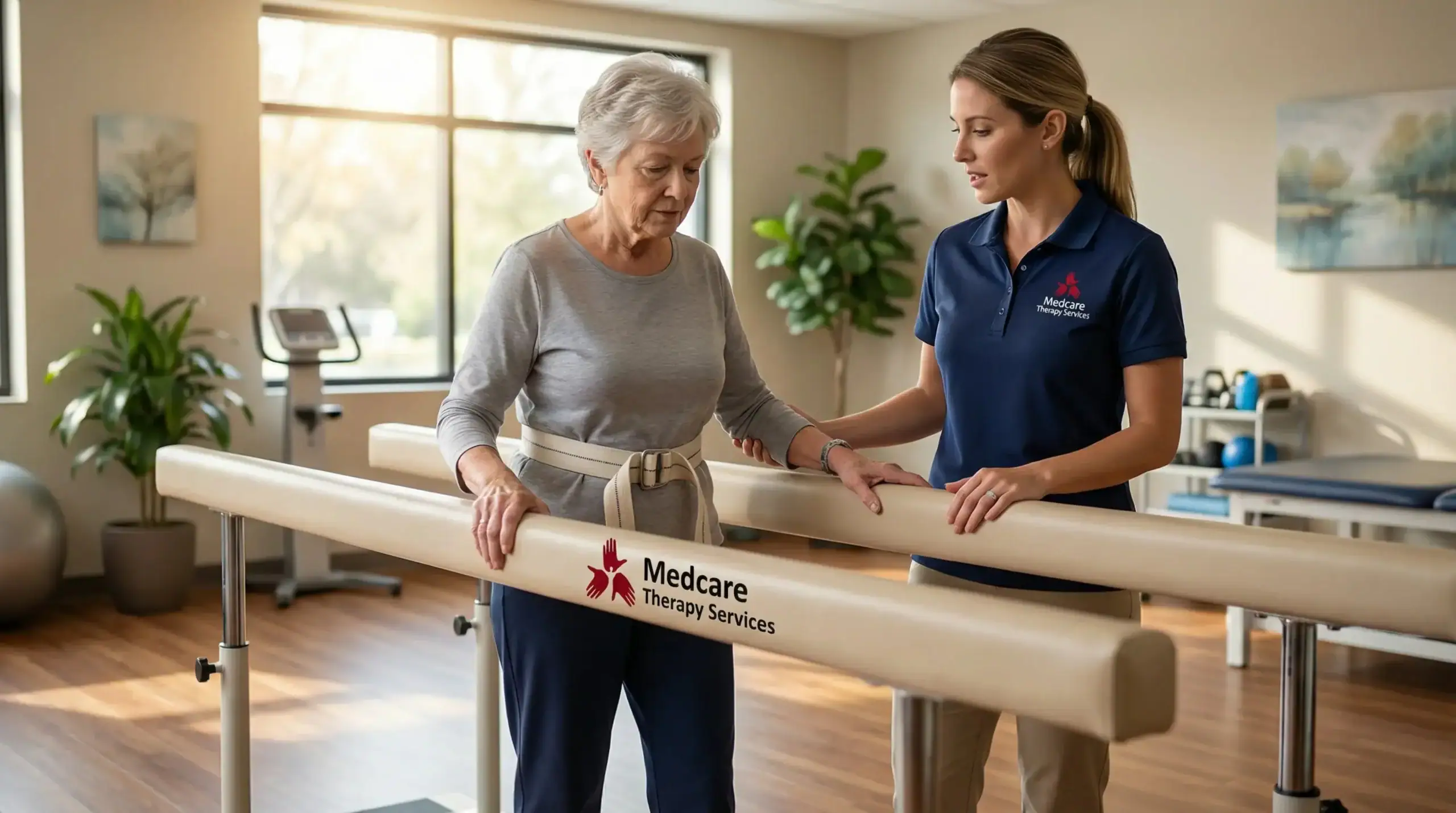
You stop second-guessing every step. Getting the mail, walking to the bathroom at night, reaching for something in the kitchen – these don’t have to feel risky anymore.
Balance exercises for seniors aren’t about becoming an athlete. They’re about staying in your own home, on your own terms. Most people start noticing real improvements within four to six weeks – steadier on their feet, more confident moving around, less worried about what might happen.
Falls aren’t just accidents. They’re often the result of muscle weakness, balance issues, and environmental factors that physical therapy can directly address. When you work with someone who knows how to assess your specific risks and build strength where it matters, you’re not just recovering – you’re preventing the next fall before it happens.
We’ve been serving Long Island families for over a decade. We’re Medicare-certified, and our therapists are trained in Otago fall prevention – one of the most evidence-based programs available for reducing fall risk in older adults.
Here’s what matters: we come to you. No arranging rides, no stressful trips to an office, no sitting in a waiting room. You get the same quality care you’d receive in a clinic, but in the place where you actually live and move every day.
Long Island seniors face higher fall risks than almost anywhere else in New York. Nassau and Suffolk counties rank fourth and fifth statewide for fall-related incidents. In Nassau County alone, 88% of injury hospitalizations for adults over 65 are due to falls. We built our practice around that reality – because if you live here, this isn’t optional. It’s survival.
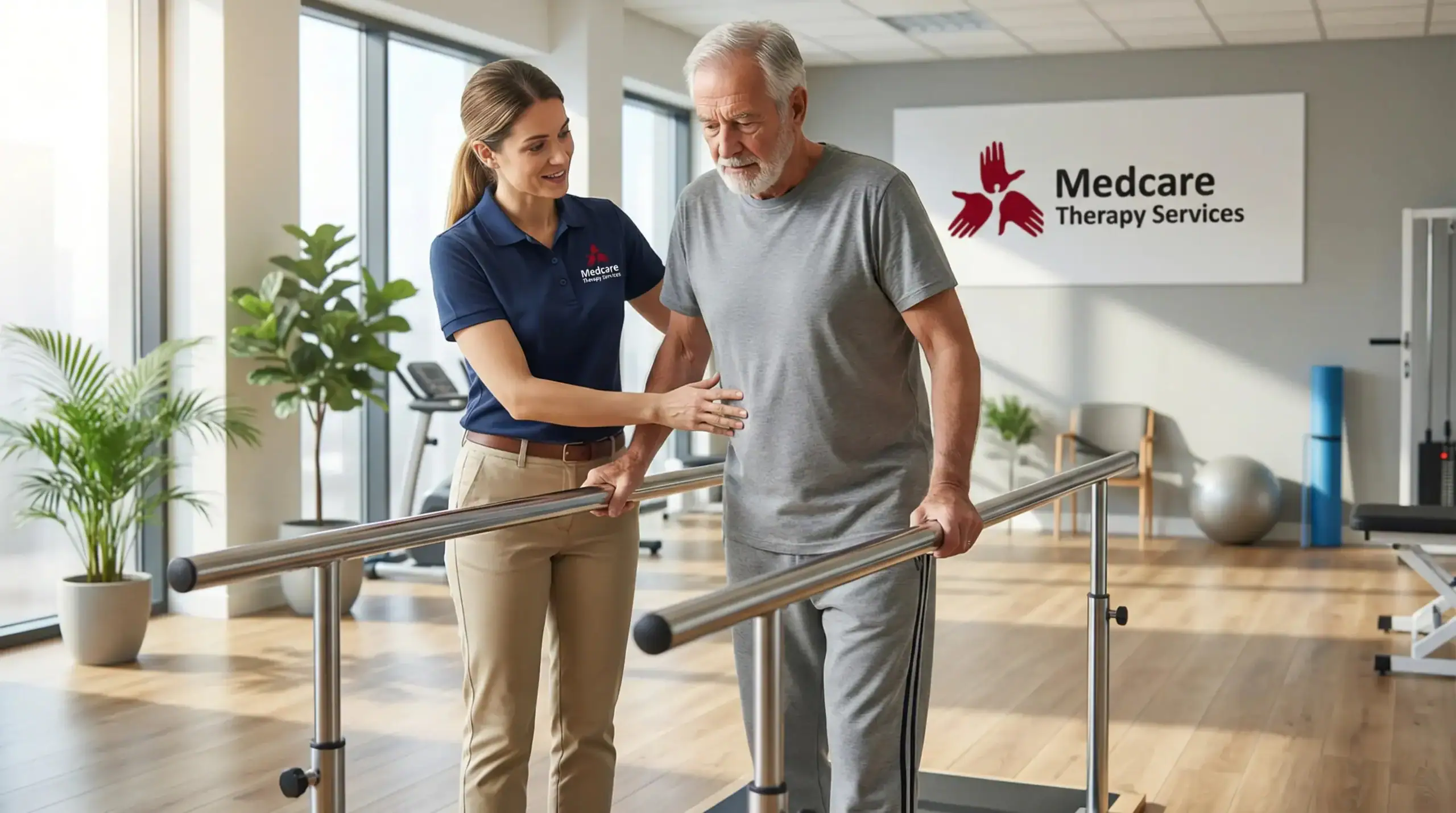
First, we assess your fall risk. A therapist comes to your home and evaluates your strength, balance, gait, and the environment you’re moving through every day. We’re looking at how you actually live – not how you perform in a clinic.
Then we build a plan specific to you. That might include balance training, strength exercises, gait retraining, or modifications to your home setup. Everything is designed around your goals, your limitations, and what’s realistic for your daily routine.
You’ll typically see us one to three times per week, depending on what you need. Sessions last about 45 minutes to an hour. Most people begin noticing improvements within a month, but the real benefits show up around eight to twelve weeks – that’s when strength, coordination, and confidence start to compound.
We also work with your family. If someone’s helping you at home, we make sure they understand what you’re working on and how they can support your progress without taking over.
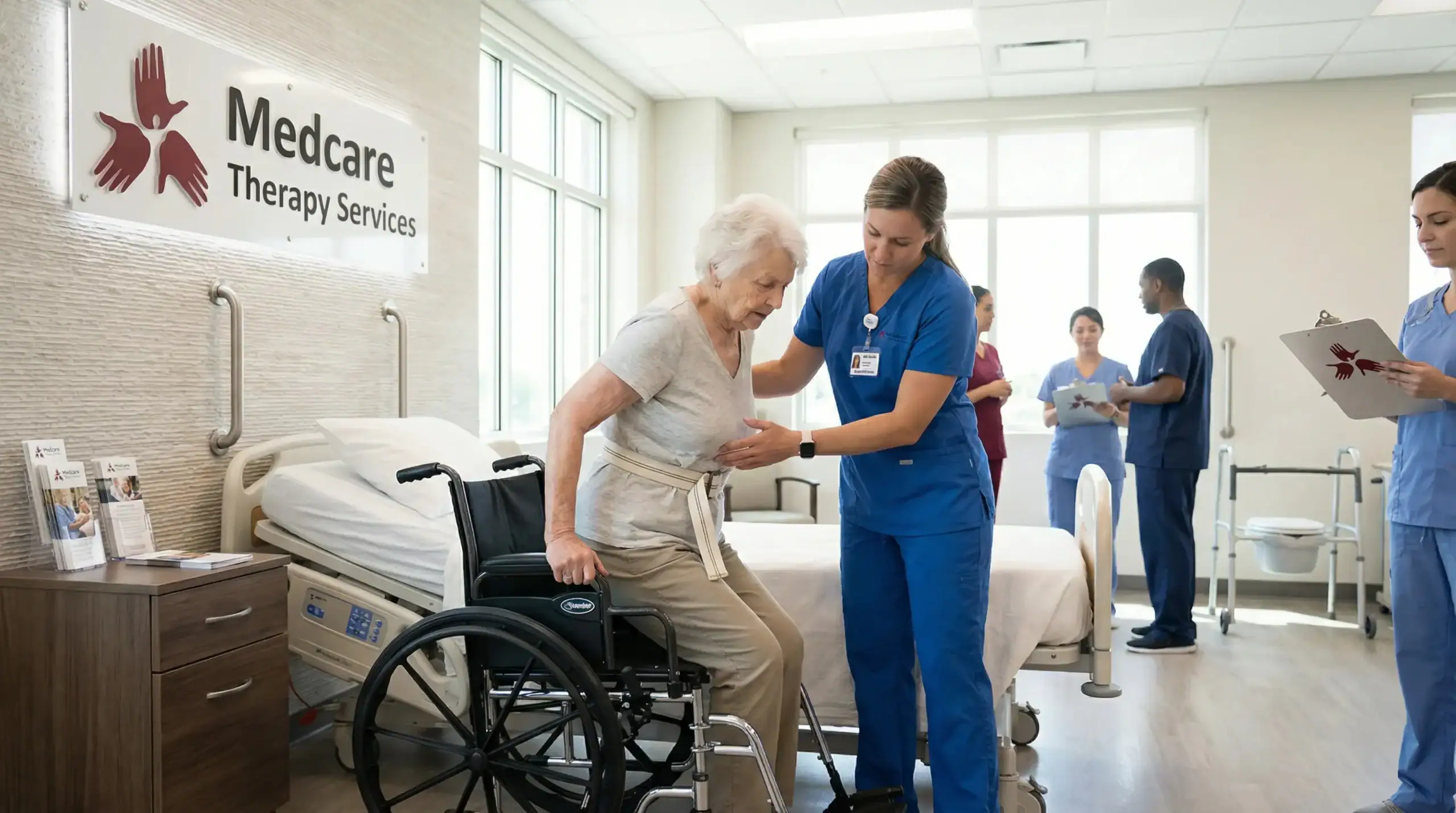
Ready to get started?
You get a full fall risk assessment that looks at strength, balance, mobility, and your home environment. We evaluate how you move through your space and identify what’s putting you at risk – loose rugs, poor lighting, furniture placement, or physical limitations that need attention.
Your program includes balance exercises tailored to your current ability. These aren’t generic stretches. They’re functional movements that train your body to catch itself, adjust to uneven surfaces, and recover when you feel unsteady. We also incorporate strength training, because weak muscles are one of the biggest contributors to falls in older adults.
Gait training is a major focus. How you walk matters. If your stride is short, your posture is off, or you’re compensating for pain or weakness, you’re at higher risk. We work on restoring a safer, more efficient gait cycle so every step feels more stable.
And because most falls happen at home – 55% inside, another 23% just outside – we address your environment. That might mean recommending grab bars, better lighting, or rearranging furniture. Small changes make a big difference when you’re moving through the same space every day.
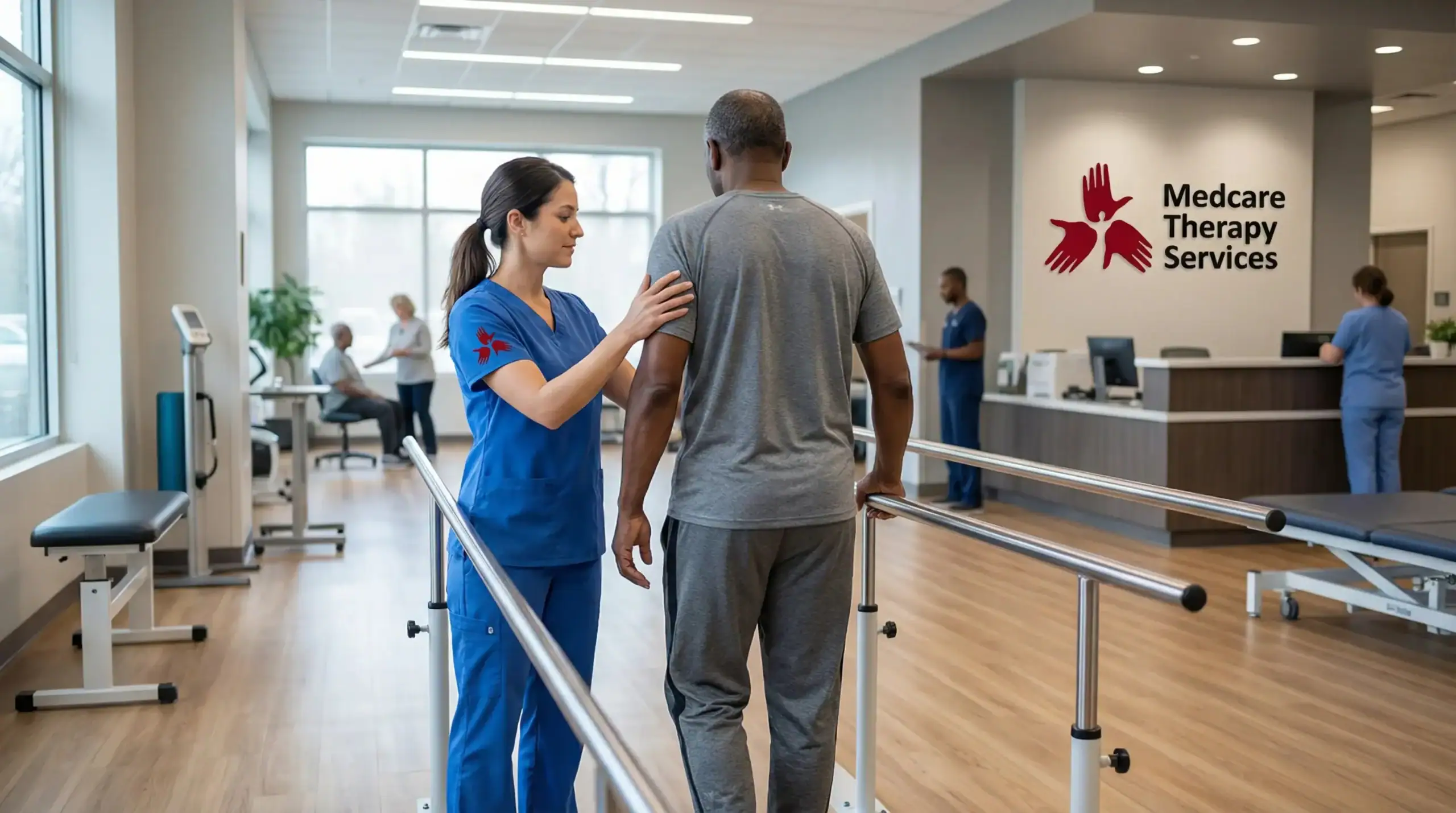
Most people start feeling steadier within four to six weeks of consistent therapy. That’s when you’ll notice improved confidence, better balance during daily activities, and less fear around movement.
The research backs this up. Balance exercises reduce fall rates by about 24%, and when combined with strength training, physical therapy can decrease fall incidents by up to 37%. But those results depend on showing up and doing the work – usually two to three sessions per week, plus home exercises in between.
Maximum benefits typically show up around eight to twelve weeks. That’s when strength, coordination, and muscle memory really start to compound. You’re not just reacting better when you feel unsteady – you’re moving in ways that prevent instability in the first place.
Yes, if you meet Medicare’s criteria for home health services. Generally, that means you have difficulty leaving your home due to mobility issues, medical conditions, or safety concerns – and a doctor has ordered physical therapy as part of your care plan.
We’re Medicare-certified, so we handle the billing and verification process directly. You’ll need a physician’s order and a documented need for skilled therapy, but if you’re already concerned about falling or have fallen recently, you likely qualify.
It’s worth noting that Medicare typically covers the therapy itself, though you may have copays or deductibles depending on your specific plan. We can walk you through what to expect during your initial call, and we’ll verify your coverage before starting treatment so there are no surprises.
No. In fact, falling once is one of the strongest indicators that you need therapy. People who fall once are twice as likely to fall again, and each subsequent fall increases your risk of serious injury – like a hip fracture, which almost always requires surgery and a long recovery.
Physical therapy after a fall focuses on rebuilding strength, restoring balance, and addressing whatever caused the fall in the first place. Maybe it was weak legs, poor balance, an environmental hazard, or a combination of factors. We assess all of it and create a plan to reduce the chance it happens again.
The goal isn’t just recovery – it’s prevention. You’re not starting from scratch. You’re building on what you can already do and strengthening the areas that put you at risk. And because we come to your home, we’re working in the exact environment where the fall happened, which makes the therapy more relevant and effective.
We’re treating you in the environment where you actually live. That means we see the stairs you use, the bathroom layout, the lighting, the rugs, the furniture – all the things that affect your safety every single day. A clinic can’t replicate that.
In-home therapy also removes the barriers that keep people from getting care in the first place. No arranging transportation, no stress about getting in and out of a car, no sitting in a waiting room. For older adults who find it difficult or unsafe to leave home, that’s not a convenience – it’s the difference between getting help and going without.
And because we’re in your space, we can make real-time recommendations that actually fit your life. We’re not guessing what your home looks like or telling you to “be careful on the stairs.” We’re looking at your stairs, watching how you navigate them, and creating solutions that work for your specific setup.
If you’ve fallen in the past year, you’re at risk. If you feel unsteady when you walk, avoid certain activities because you’re afraid of falling, or need to hold onto furniture to move around your home, you’re at risk. If you’ve noticed your balance isn’t what it used to be, that’s a red flag.
Other signs include difficulty getting up from a chair, shuffling your feet when you walk, or feeling dizzy or lightheaded when you stand. Muscle weakness, especially in your legs, is a major contributor. So is poor vision, certain medications, and environmental hazards like loose rugs or poor lighting.
One in four adults over 65 falls every year, but fewer than half tell their doctor. Many people stay silent because they’re afraid of losing independence or being forced into assisted living. But ignoring the problem doesn’t make it go away – it just increases the likelihood that the next fall will be worse. A fall risk assessment gives you a clear picture of where you stand and what you can do about it before something serious happens.
You’ll do functional exercises that train your body to handle real-life situations – not gym exercises for the sake of exercise. That includes balance training like standing on one foot, weight shifting, and controlled movements that challenge your stability in a safe way.
Strength training focuses on your legs, core, and hips – the muscle groups that keep you upright and help you recover when you feel unsteady. These might be simple exercises like sit-to-stand repetitions, leg lifts, or resistance band work. Nothing extreme, but enough to rebuild the strength you’ve lost over time.
Gait training is also a big part of the program. We work on how you walk – your stride length, posture, foot placement, and weight distribution. Small adjustments in your gait can make a huge difference in stability and confidence. And because we’re in your home, we practice on the surfaces you actually use – your floors, your stairs, your driveway – so the training transfers directly to your daily life.
Other Services we provide in Aquebogue