
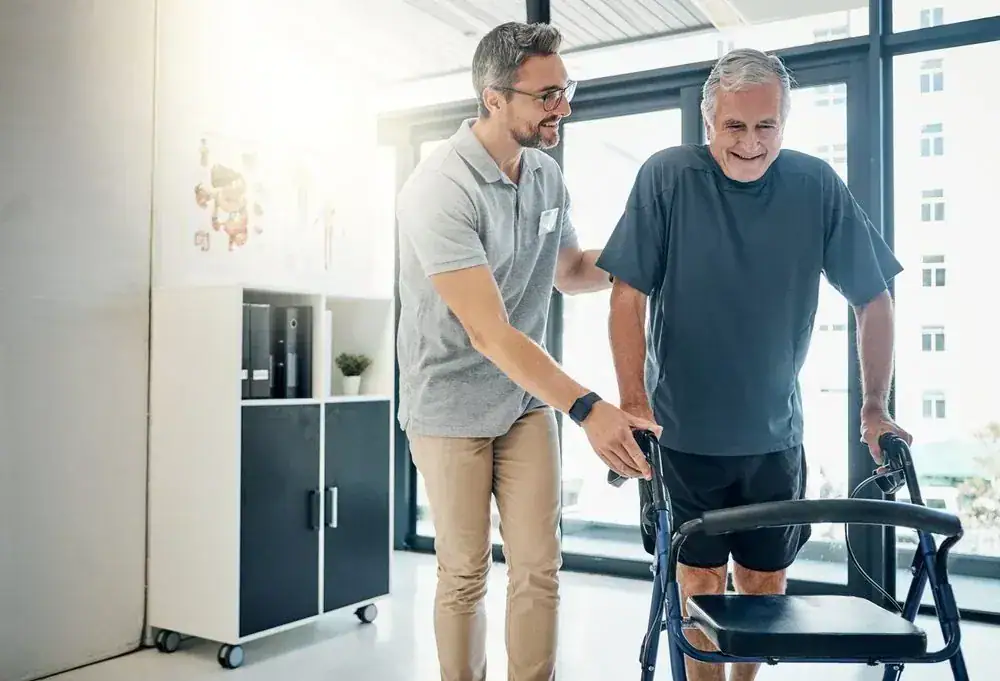
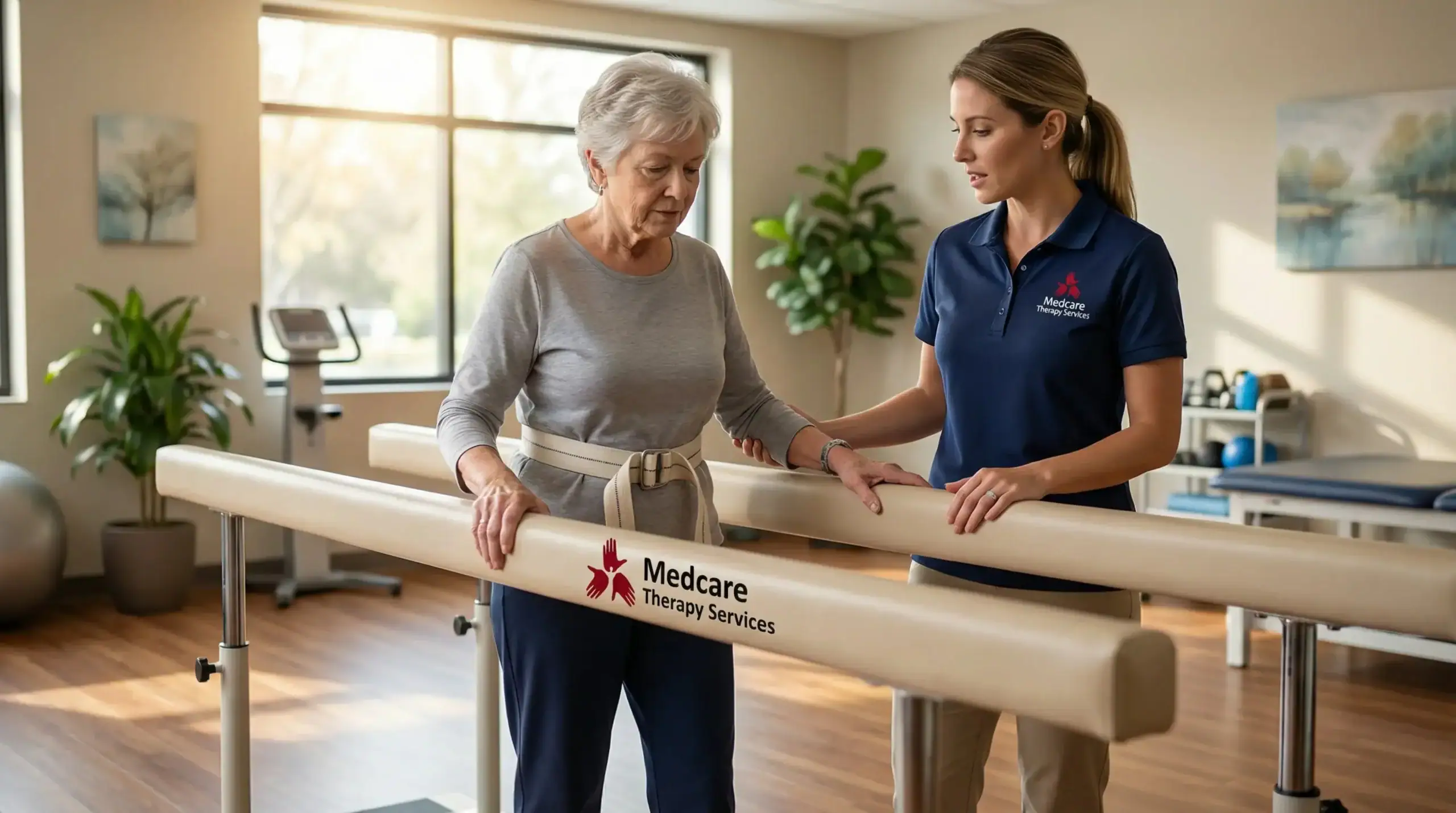
You’ve noticed the hesitation. Maybe it’s when you stand up too quickly, or when you’re walking on uneven pavement outside the Albertson post office. That split-second wobble that makes your heart race.
More than one in four older adults falls each year. In Nassau County alone, that translates to thousands of emergency visits, hospitalizations, and a fear that keeps people from doing what they love. But here’s what most people don’t realize: falls aren’t inevitable, and fear doesn’t have to run your life.
Physical therapy for balance can reduce your fall risk by 30-50%. That’s not a small number. That’s the difference between avoiding the grocery store and walking the aisles with confidence. Between skipping family gatherings and showing up without worry.
You get stronger. Your balance improves. The fear starts to fade. And you stay in control of your own life—without needing to leave your house to make it happen.
We’ve been serving Long Island communities like Albertson, Garden City, Williston Park, and Mineola since 2010. We specialize in bringing licensed physical and occupational therapists directly to your home—because we know that getting to an office isn’t always easy, and honestly, it shouldn’t have to be.
Our therapists don’t just run you through generic exercises. They assess your specific fall risks, your home environment, your daily routines, and build a plan around your life. Every session is covered by Medicare and most commercial insurance, so there’s no surprise bills or out-of-pocket stress.
We’ve built our reputation on treating people like family. That means showing up on time, listening more than we talk, and making sure you understand exactly what we’re doing and why it matters.
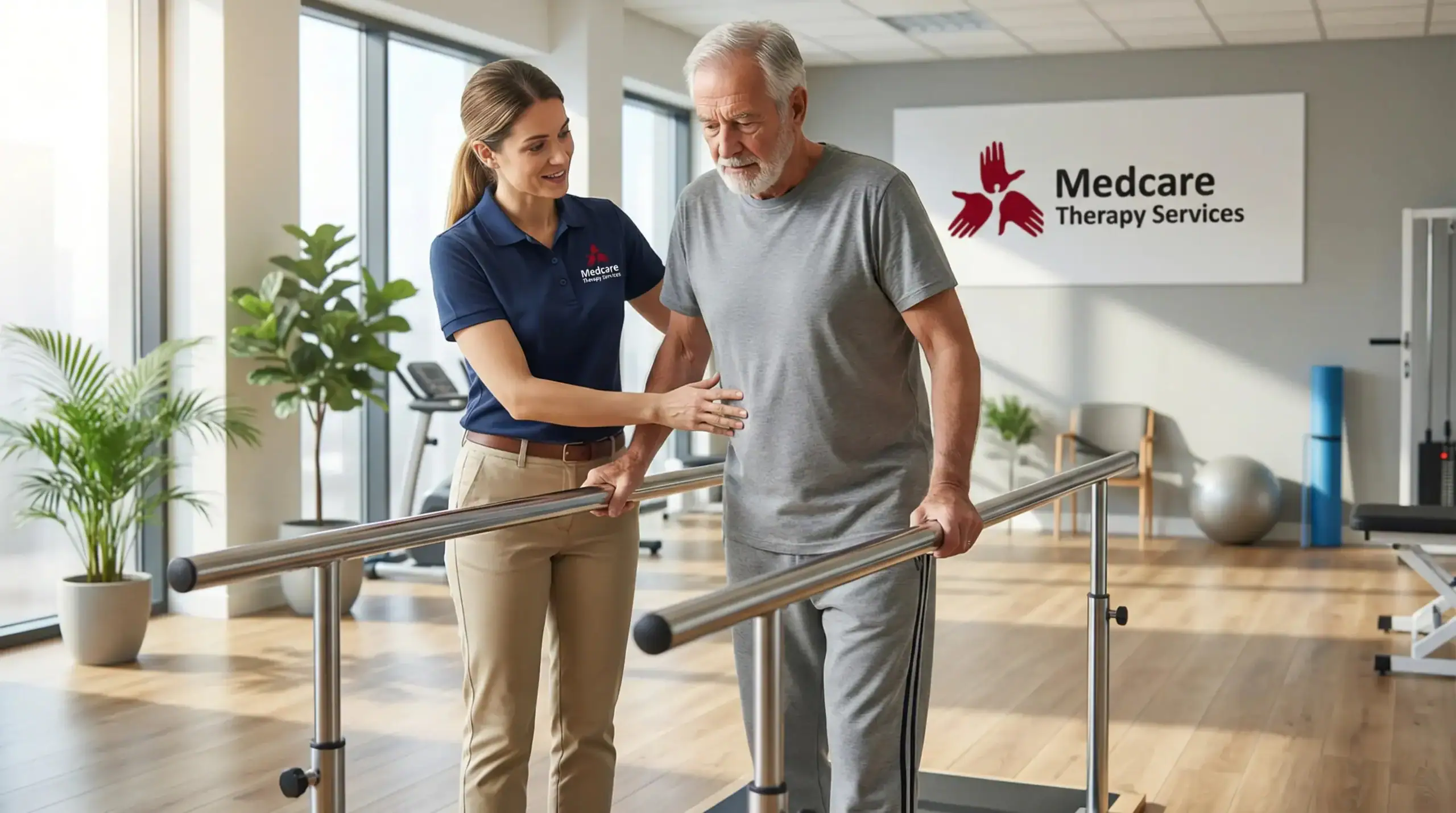
Your first session starts with a comprehensive fall risk assessment. Your therapist will evaluate your balance, strength, gait, flexibility, and coordination. They’ll also walk through your home with you, identifying hazards you might not have noticed—loose rugs, poor lighting, furniture placement that creates obstacles.
From there, you’ll get a personalized exercise program. This isn’t one-size-fits-all. If you’re dealing with weakness in your legs, we focus on strength training. If your balance is off, we work on exercises that challenge your stability in safe, controlled ways. If fear is holding you back, we address that too—because the psychological side of falling is just as real as the physical.
Sessions happen in your home, on your schedule. You’ll practice functional movements—things like standing from a chair, walking on different surfaces, reaching for items on a shelf. Real-world stuff that actually matters in your day-to-day life.
Over time, you’ll notice the difference. Movements feel steadier. Confidence builds. And the fear that used to follow you around starts to lose its grip.

Ready to get started?
You’ll receive one-on-one therapy sessions with a licensed physical or occupational therapist who comes to your home. Each visit includes balance training, strength exercises, gait training, and coordination work. Your therapist will also provide adaptive equipment recommendations if needed—things like grab bars, walkers, or canes that actually fit your body and your needs.
Here’s what makes this relevant for Albertson and the surrounding Nassau County area: 60% of fall-related hospitalizations happen at home. Your house is where you spend most of your time, and it’s where the risks are highest. That’s exactly why we work with you in your actual environment—not in some clinic that doesn’t look anything like your daily life.
You’ll also get a personalized home exercise plan that you can do between sessions. These aren’t complicated. They’re designed to fit into your routine without taking over your whole day. And your therapist will adjust the plan as you get stronger, so you’re always progressing without getting overwhelmed.
Medicare covers these services when medically necessary, and we handle the billing directly. You don’t need to worry about claim forms or reimbursement paperwork.
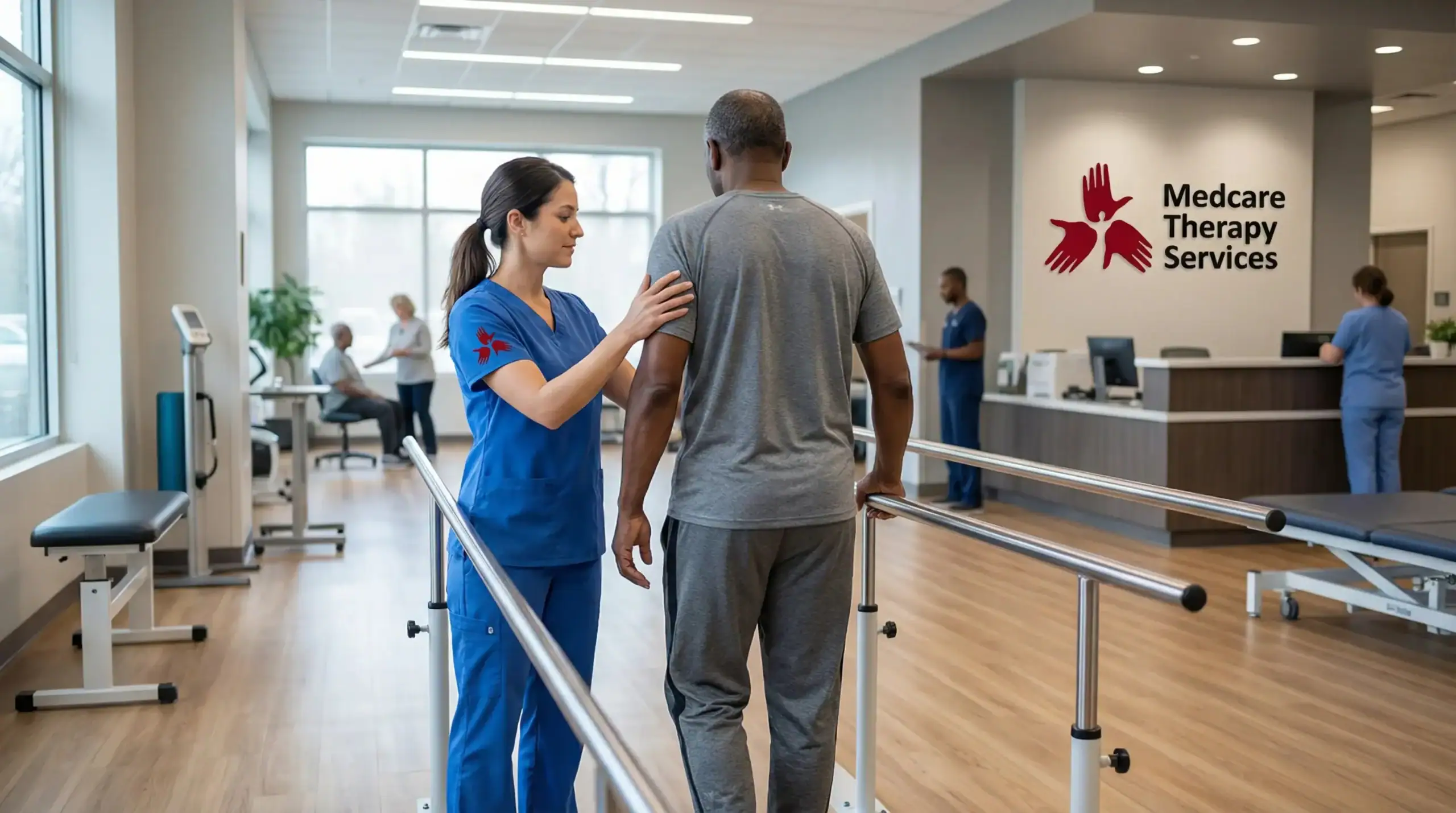
Most people start noticing small improvements within the first two to three weeks. You might feel steadier when you stand up, or more confident walking to the mailbox. Measurable changes in balance and strength typically show up around the four to six week mark, depending on how often you’re doing your exercises and how consistent you are with your sessions.
That said, fall prevention isn’t a quick fix. Studies show that multicomponent exercise programs—combining balance, strength, flexibility, and gait training—work best when sustained over several months. Your therapist will track your progress with objective measures, so you’re not just guessing whether it’s working.
The key is consistency. If you’re only doing exercises when the therapist is there, progress will be slower. If you’re practicing a little bit every day, even just 10-15 minutes, you’ll see results faster and they’ll stick.
Absolutely. In fact, if you’ve fallen recently, you’re exactly the person who benefits most from fall prevention therapy. After a fall, up to 70% of people develop a fear of falling again, and about half start limiting their activities because of that fear. The problem is, avoiding activity actually increases your fall risk because you lose strength and balance even faster.
Physical therapy addresses both sides of this. We rebuild the physical capabilities you need—strength, balance, coordination—and we also work on reducing that fear by gradually reintroducing movements in a controlled, safe way. You’re not being pushed to do anything dangerous. You’re being guided through exercises that prove to your brain and body that you can move safely.
Research shows that people who’ve fallen before and complete a structured physical therapy program reduce their risk of falling again by 30-35%. That’s significant. Your history doesn’t define your future—your actions right now do.
We specialize in home-based therapy for people who find it difficult to leave their house, but “difficult” can mean a lot of things. Maybe you don’t drive anymore and relying on family for rides feels like a burden. Maybe you use a walker and getting in and out of a car is exhausting. Maybe you’re dealing with multiple health conditions and a trip to a clinic wipes you out for the rest of the day.
If any of that sounds familiar, you’re a good fit for our services. Medicare covers home health physical therapy when it’s medically necessary and when leaving home requires considerable effort. Your doctor will need to refer you, and we’ll handle the rest.
Even if you can technically leave your home, there’s real value in working with a therapist in your actual environment. We can spot fall hazards in your house that wouldn’t come up in a clinic. We can practice the exact movements you do every day—navigating your hallway, your stairs, your bathroom. That specificity makes a difference.
Most people start with two to three sessions per week, depending on their fall risk level and insurance coverage. If you’re at high risk—maybe you’ve fallen multiple times recently, or you have significant balance issues—your therapist might recommend three sessions weekly at the start. If your risk is moderate and you’re relatively active, twice a week might be enough.
Sessions typically last 45 minutes to an hour. As you get stronger and more confident, the frequency often decreases. You might step down to once a week, then every other week, and eventually transition to a maintenance program you can do on your own with occasional check-ins.
Medicare generally covers up to three visits per week when medically necessary, but the exact number depends on your specific plan and your doctor’s orders. We work directly with your physician to make sure the treatment plan matches what you actually need—not just what insurance will pay for.
Your therapist will be transparent about the timeline from day one, so you know what to expect and can plan accordingly.
The exercises are functional, meaning they’re based on real movements you do every day. You’ll work on things like standing up from a chair without using your hands, walking heel-to-toe in a straight line, standing on one foot while holding a counter, and reaching for objects at different heights. These aren’t gym exercises—they’re life exercises.
You might also do strength training with resistance bands or light weights to build up your legs, hips, and core. Balance exercises could include standing on foam pads, shifting your weight side to side, or practicing turning around without losing stability. Flexibility work helps with your range of motion, which matters when you’re stepping over something or reaching into a cabinet.
Everything is tailored to your current ability level. If you’re using a walker, we’ll work with that. If you have arthritis or joint pain, we’ll modify exercises so they don’t make things worse. If you’re already pretty active, we’ll challenge you appropriately so you’re actually progressing.
Your therapist will demonstrate each exercise, watch you do it, correct your form, and make sure you feel safe before you try it on your own. You’ll never be handed a sheet of exercises and left to figure it out yourself.
Medicare Part B covers home health physical therapy when it’s medically necessary and ordered by your doctor. That means if your physician determines that you’re at risk for falls and that physical therapy in your home is appropriate, Medicare will cover it. You’ll be responsible for your standard Part B coinsurance (typically 20% after you’ve met your deductible), but there’s no additional charge beyond that.
We also accept most commercial insurance plans. If you have a Medicare Advantage plan or supplemental insurance, coverage can vary, so we’ll verify your benefits before starting treatment. Our team handles all the billing and paperwork directly with your insurance company—you don’t need to file claims or chase down reimbursements.
If you’re not sure whether you’re covered, call us. We’ll check your eligibility and give you a clear answer before your first session. No surprises, no hidden fees. You’ll know exactly what you’re responsible for upfront, and we’ll work with you to make sure cost isn’t the reason you skip the care you need.
Other Services we provide in Albertson