

You’re dealing with back pain that won’t quit, neck stiffness that limits how you turn your head, or muscle tension that makes simple tasks exhausting. You’ve tried over-the-counter options. Maybe you’re on prescription medication but don’t want to stay on it long-term.
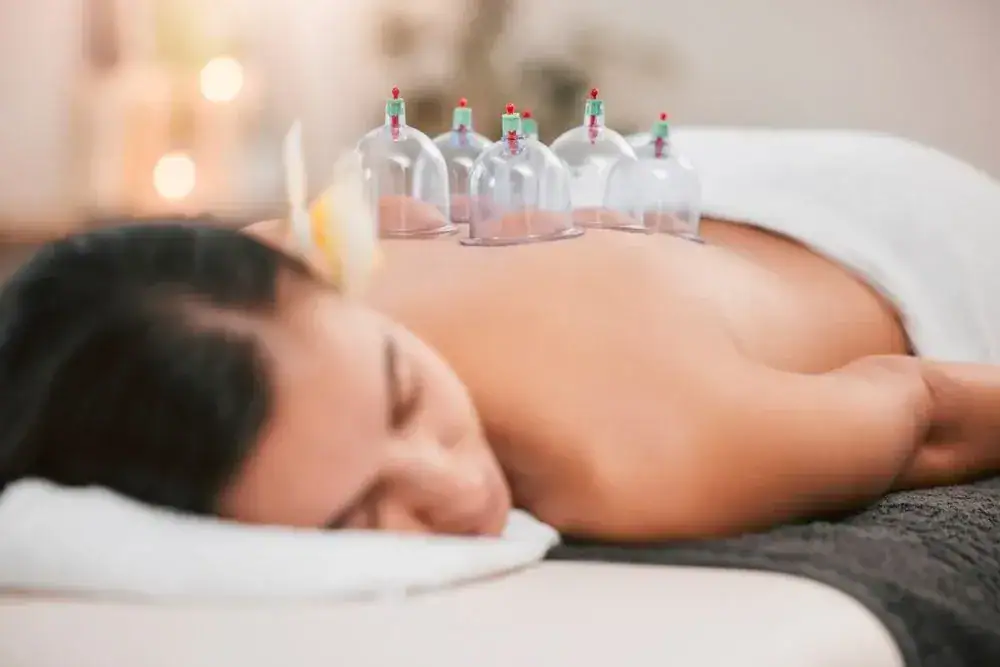
Cupping therapy works by creating suction on your skin that pulls blood flow to the affected area. That increased circulation helps reduce inflammation, loosens tight muscle fibers, and gives your body what it needs to actually heal. You’re not masking symptoms—you’re addressing what’s causing the discomfort.
Most people notice decreased pain within the first few sessions. Movement becomes easier. That constant ache in your lower back or shoulders starts to fade. You can sleep better because you’re not waking up from pain shifting positions.
This isn’t a temporary fix that wears off in a few hours. Cupping therapy supports your body’s natural healing process, which means the relief builds over time. You get back to work, exercise, and daily activities without constantly thinking about what hurts.
Medcare Therapy Services has been treating patients across Long Island since 2010, with affiliated centers like Physical Therapy Associates of Smithtown operating since 2000. Our therapists are licensed healthcare professionals trained in cupping therapy as part of a broader physical therapy approach.
We’re not a spa offering relaxation treatments. We’re a clinical practice focused on reducing pain and restoring function. That means your treatment plan is based on an actual assessment—your medical history, range of motion tests, and what’s limiting your daily life.
Wheatley Heights residents come to us because they need results, not just temporary relief. Whether you’re recovering from surgery, managing chronic pain, or dealing with a sports injury, you’re working with therapists who understand musculoskeletal conditions and how to treat them effectively. We verify every detail of our practice management to make sure your care is secure, accessible, and consistent across every visit.
Your first visit starts with an evaluation. We go through your medical history, assess your pain levels, and test your range of motion and strength. This tells us where the problem is and what’s causing it.
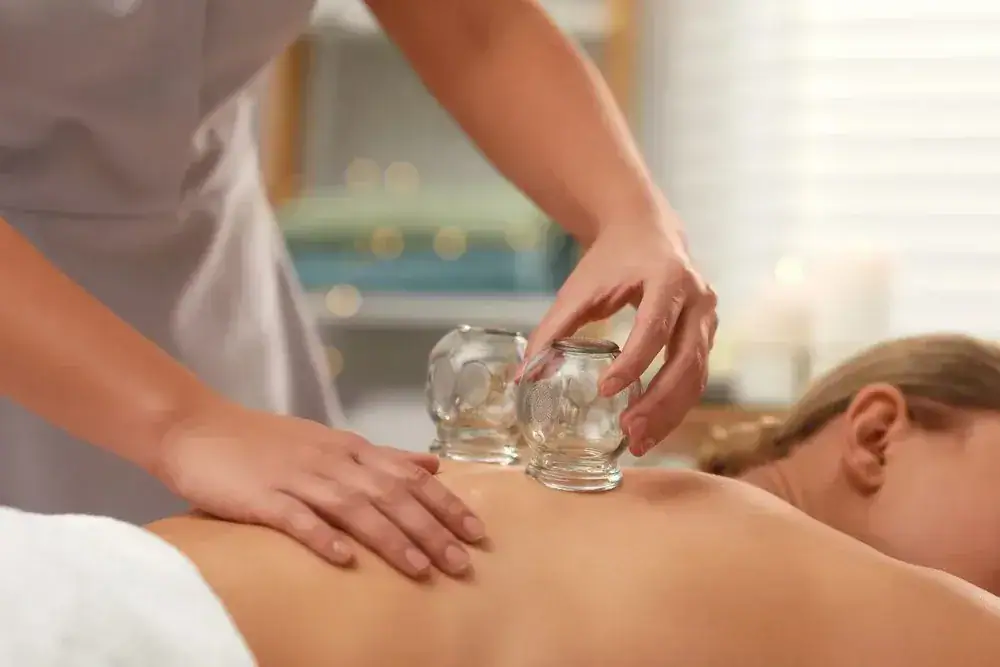
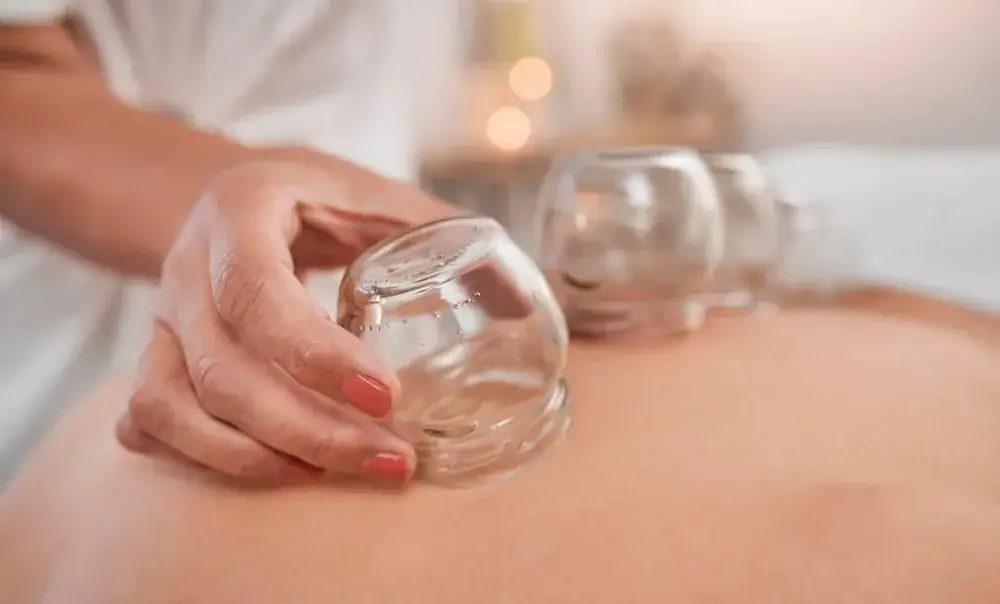
During the cupping session, we place specialized cups on the affected areas of your body. The suction pulls your skin upward slightly, which draws blood flow to that spot and encourages your muscles to release tension. Dry cupping is the most common method we use—no incisions, no needles, just controlled suction that your body responds to naturally.
Sessions typically last between 15 and 30 minutes depending on the treatment area. You might see circular marks on your skin afterward—that’s normal and fades within a few days. Those marks show where blood flow increased and healing is happening beneath the surface.
Most patients need multiple sessions to see lasting results. We usually recommend starting with twice a week, then tapering off as your pain decreases and mobility improves. Cupping works best when combined with other physical therapy techniques like manual therapy, stretching, or strengthening exercises. You’re not just getting one isolated treatment—you’re getting a full plan designed around what your body actually needs to recover.
Ready to get started?
Cupping therapy is effective for chronic back pain, neck pain, knee osteoarthritis, and muscle tightness that limits your movement. If you’re dealing with sciatica, rotator cuff issues, or lingering pain from an old injury, this treatment can help reduce inflammation and improve blood circulation to speed up recovery.
Wheatley Heights has a working population—office jobs, retail, healthcare, and management roles that put repetitive stress on your body. Sitting at a desk all day tightens your hip flexors and lower back. Standing on your feet for hours causes tension in your legs and shoulders. Cupping therapy addresses that built-up tension by releasing the muscle fibers that have been locked in place.
Athletes and active individuals use cupping to recover faster from workouts and injuries. If you’re dealing with tennis elbow, golf-related strain, or soreness from pickleball, cupping reduces exercise-induced muscle fatigue and gets you back to your routine quicker.
We also treat patients recovering from joint replacement surgery or rotator cuff repair. Cupping supports post-surgical rehabilitation by improving circulation around the surgical site and reducing stiffness as you regain strength. You’re not replacing physical therapy—you’re enhancing it with a technique that’s been used for centuries and is now backed by clinical evidence showing real pain reduction and functional improvement.
Yes, but it works best when combined with other treatments. Research shows moderate-quality evidence that cupping reduces pain for conditions like chronic back pain, neck pain, and knee osteoarthritis. The suction increases blood flow to the affected area, which helps decrease inflammation and allows tight muscles to relax.
You won’t see results from one session. Most people need consistent treatment over several weeks to notice significant pain reduction. Cupping isn’t a cure—it’s a tool that supports your body’s natural healing process while you’re also doing physical therapy exercises, improving your posture, or making other changes that address the root cause.
If you’ve been dealing with pain for months or years, cupping gives your body a boost it’s not getting on its own. The increased circulation brings oxygen and nutrients to areas that have been tight and restricted. That’s what allows healing to actually happen instead of just managing symptoms with medication.
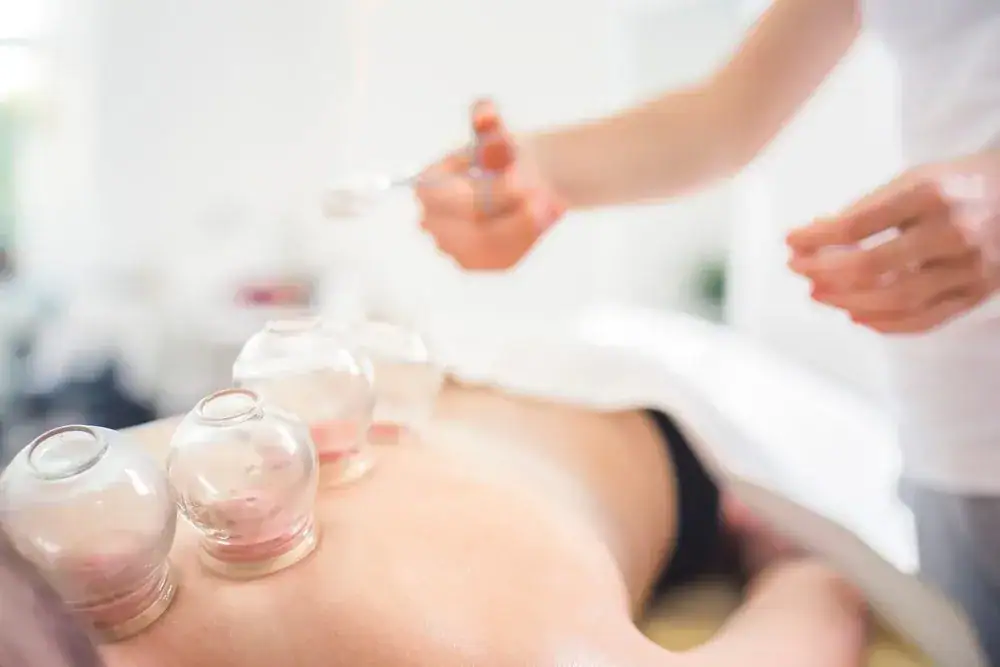
Dry cupping uses suction only—no incisions, no blood removal. We place cups on your skin, create a vacuum seal, and let the suction do the work. It’s non-invasive and safe when performed by a licensed physical therapist.
Wet cupping involves making small cuts in the skin to draw out blood, but that’s not something we do in a physical therapy setting. Dry cupping is what’s used in clinical practice because it’s effective for pain relief and muscle relaxation without any breaking of the skin.
Some practitioners also use massage cupping, where the cups are moved around while suctioned to your skin. That can help with broader muscle tension, but stationary cupping is more common for targeting specific pain points. Your therapist will decide which method works best based on your condition and treatment goals.
Usually between three and seven days. The circular marks you see after cupping aren’t bruises—they’re areas where blood flow increased beneath the skin. The darker the mark, the more stagnation or tension was in that area.
Those marks are actually a sign the treatment is working. As blood flow improves and your muscles release tension, the marks get lighter with each session. By your third or fourth treatment, you’ll likely notice they’re less intense and fade faster.
If you’re concerned about visible marks, let your therapist know. We can adjust the suction intensity or place cups in areas that are easier to cover with clothing. But for most people, the marks are a minor trade-off for the pain relief and improved mobility they’re getting from treatment.
Absolutely. Cupping works best as part of a broader treatment plan. If you’re already doing physical therapy for an injury, post-surgical recovery, or chronic pain, adding cupping can speed up your progress by improving circulation and reducing muscle tightness.
We integrate cupping into your existing plan based on what you’re dealing with. If you’re recovering from knee surgery, we might use cupping around the joint to reduce swelling and stiffness while you’re also doing strengthening exercises. If you have chronic neck pain, cupping can release tension in your upper back and shoulders while manual therapy addresses alignment issues.
Your therapist will evaluate whether cupping makes sense for your specific condition. Not every patient needs it, but for those dealing with stubborn pain or slow recovery, it’s an evidence-based option that can make a real difference in how quickly you get back to normal activity.
It depends on your plan. Cupping is often covered when it’s part of a physical therapy treatment plan prescribed by your doctor. Since we’re a licensed physical therapy practice, many insurance companies will cover cupping as part of your overall therapy sessions.
You’ll need to check with your insurance provider to confirm your specific coverage. Some plans cover it fully, others require a copay, and some may not include it depending on your policy. We can help verify your benefits before you start treatment so you know what to expect.
If your insurance doesn’t cover cupping, we’ll discuss the cost upfront. Most patients find it’s worth paying out of pocket because of how much it reduces their pain and improves their mobility. But we’re transparent about pricing—you’ll never get a surprise bill or unclear charges after your session.
Some people feel relief immediately after their first session. Others need a few treatments before they notice a significant change. It depends on how long you’ve been dealing with pain, how severe it is, and what’s causing it.
Acute injuries—like a muscle strain from overexertion—tend to respond faster. Chronic conditions that have been building for months or years take longer because your body needs time to reverse the inflammation and tension that’s been there. Most patients start seeing real improvement within two to three weeks of consistent treatment.
The key is sticking with the plan. If you come in once and expect all your pain to disappear, you’ll be disappointed. But if you commit to regular sessions and combine cupping with the exercises and lifestyle changes your therapist recommends, you’ll see lasting results that go beyond temporary relief.
Other Services we provide in Wheatley Heights