
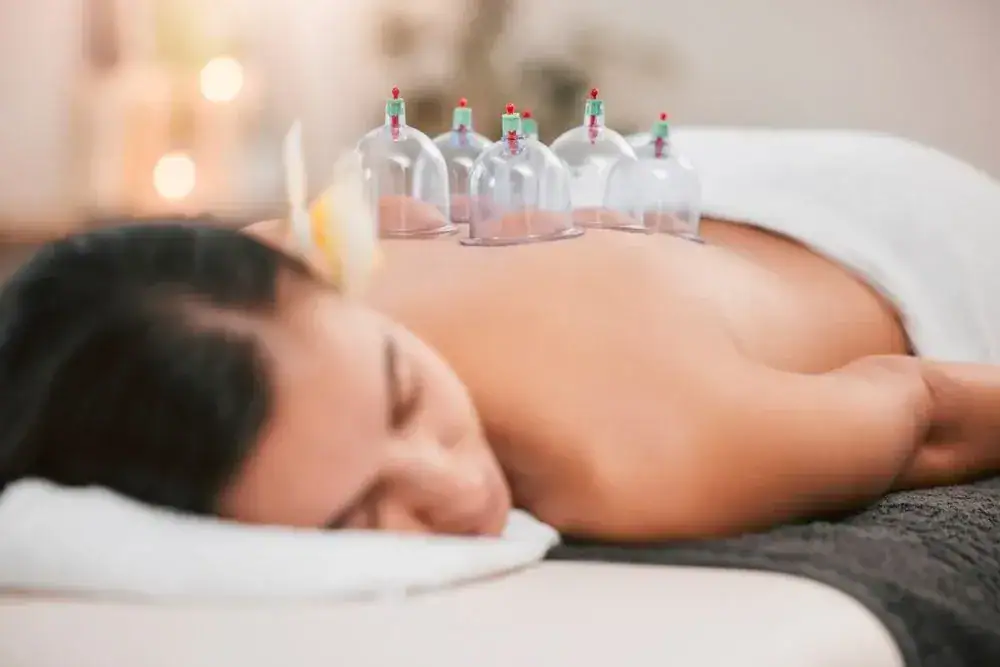

You’re not looking for temporary relief that wears off by dinner. You want to sleep through the night without waking up stiff. You want to play golf without your lower back locking up on the back nine. You want to pick up your grandkids without bracing for that sharp pull between your shoulder blades.
Cupping therapy works by creating suction that lifts and decompresses your muscles and connective tissue. That’s the opposite of a deep tissue massage that pushes down. The result is increased blood flow to areas that have been tight, restricted, or inflamed for weeks or months. More blood means more oxygen, faster healing, and less pain.
Most people notice their range of motion improves after just one session. The tightness that’s been limiting how you move starts to release. You’re not fighting your own body anymore. That’s when physical therapy, exercise, and daily movement stop feeling like a battle and start feeling possible again.
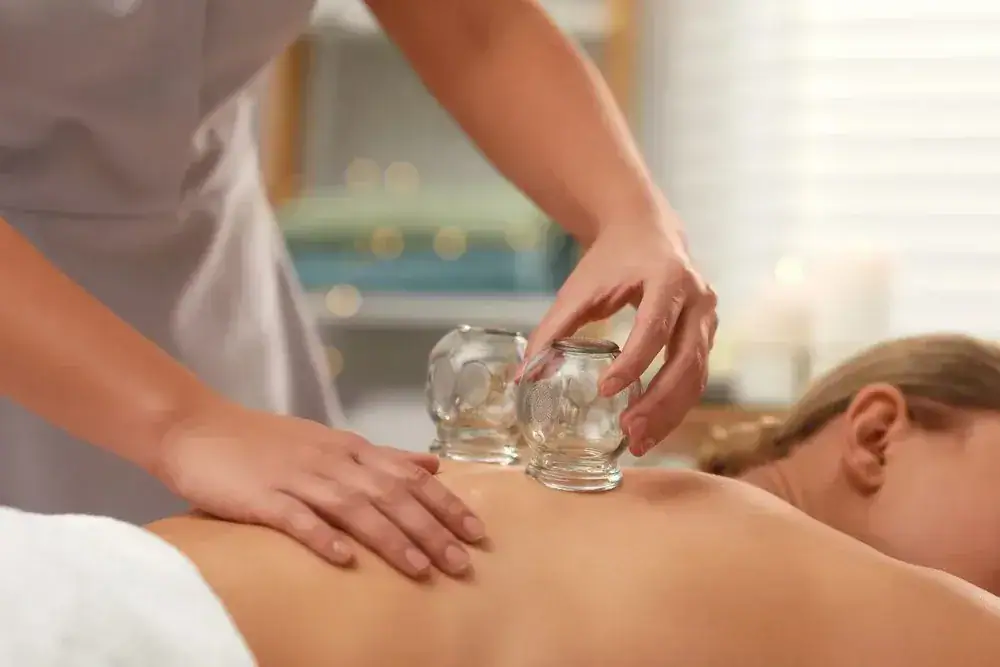
Your first visit starts with a conversation. We need to know where it hurts, how long it’s been going on, and what you’ve already tried. That tells us whether cupping is a good fit or if we need to combine it with other techniques like manual therapy or targeted exercises.
During the session, we place cups on the affected areas—usually your back, shoulders, neck, or legs. The cups create suction that pulls your skin and underlying tissue upward. It’s not painful. Most people say it feels like a strong pull or stretch. We leave them on for several minutes, sometimes moving them across your muscles to release deeper tension.
You’ll likely see circular marks afterward. They’re not bruises in the traditional sense—they’re a result of increased blood flow to the area. They fade within a few days and don’t hurt. What you will notice is how much looser and less restricted that area feels, sometimes immediately.
We usually recommend a series of sessions, especially if you’re dealing with chronic tightness or pain. Cupping works best when it’s part of a consistent plan that includes movement, strengthening, and lifestyle adjustments. That’s how you go from short-term relief to long-term improvement.
Ready to get started?
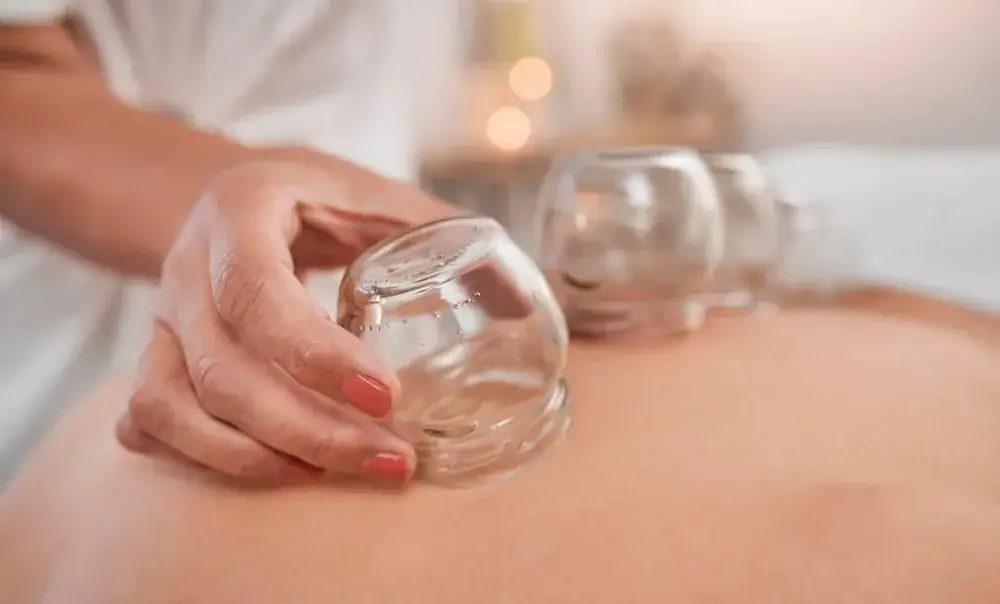
We use dry cupping, which is the most common form of cupping therapy in the United States. It’s non-invasive, doesn’t involve needles or incisions, and integrates easily with the rest of your physical therapy plan. The goal is to decompress tight muscles, increase circulation, and give your body the conditions it needs to heal itself.
In Westhampton Beach, we see a lot of people dealing with lower back pain, neck stiffness, and shoulder tension—often from repetitive movement, poor posture, or old injuries that never fully healed. Cupping helps address the soft tissue component of those problems. It’s especially effective when combined with stretching, strengthening exercises, and manual therapy.
You’re not just lying on a table hoping something works. You’re getting a targeted treatment from a licensed therapist who understands anatomy, movement patterns, and how to actually fix what’s broken. We’ll also teach you what to do at home so the progress you make here doesn’t disappear the moment you walk out the door.
This isn’t about selling you on alternative medicine. It’s about using a proven technique that’s been around for thousands of years and applying it in a modern, evidence-based way. Cupping therapy has been shown to help with chronic neck pain, low back pain, and fibromyalgia. We’re not guessing. We’re using what works.
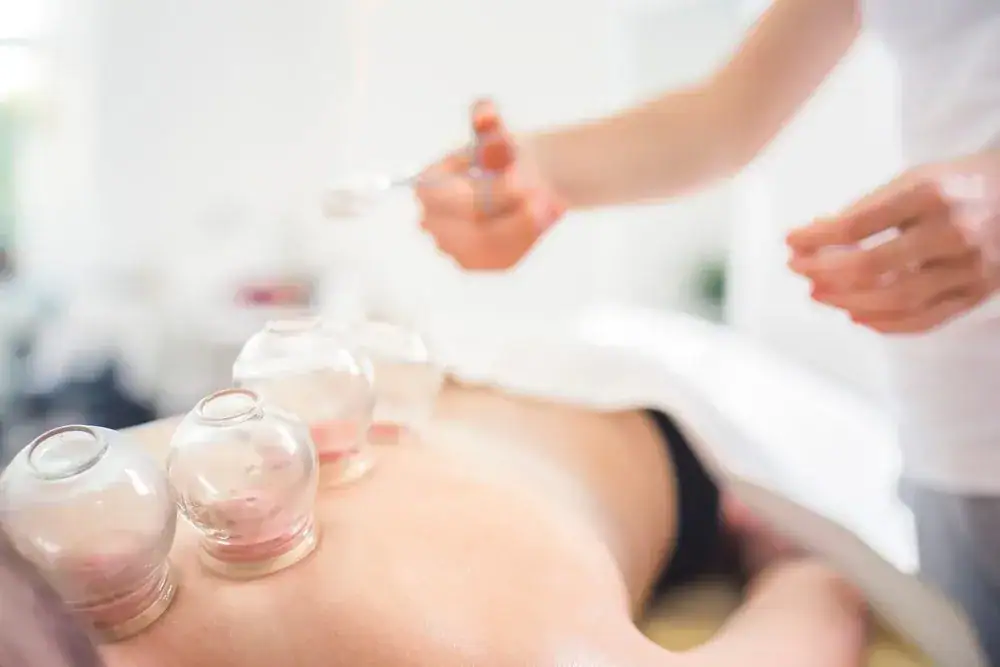
Yes, and the research backs it up. Cupping has been shown to reduce chronic low back pain, especially when it’s combined with other treatments like physical therapy and exercise. The suction helps release tight fascia and muscles that have been pulling on your spine and limiting your movement.
If your back pain is from sitting too much, old injuries, or muscle imbalances, cupping can give you the relief you need to start moving better again. It’s not a cure-all, but it’s one of the most effective tools we have for addressing soft tissue restrictions that don’t respond well to rest or medication.
Most patients notice a difference after two or three sessions. The key is pairing it with exercises that strengthen the muscles supporting your spine so the pain doesn’t just come back a week later.
Cupping leaves circular marks that look like bruises, but they’re not painful. They’re caused by increased blood flow to the area, which is actually part of the healing process. The marks usually fade within three to five days, and most people don’t feel any tenderness once the cups are removed.
During the session, you’ll feel a strong pulling sensation, but it shouldn’t hurt. If it does, we adjust the suction. The whole point is to release tension, not create more of it. A lot of people find the sensation relaxing, especially once the tight areas start to let go.
If you’re worried about visible marks and have an event coming up, just let us know. We can adjust the treatment or focus on areas that won’t be exposed. But for most people, the relief is worth a few days of temporary discoloration.
Massage pushes down into your muscles. Cupping pulls up. That difference matters because some types of pain and tightness respond better to decompression than compression. If you’ve ever had a deep tissue massage that felt too intense or didn’t quite reach the problem, cupping might be a better option.
Cupping is especially effective for releasing fascia, the connective tissue that wraps around your muscles. When fascia gets tight or adhered, it restricts movement and creates pain that doesn’t always respond to stretching or massage. The suction from cupping lifts that tissue and creates space for better circulation and mobility.
We often use both techniques depending on what you need. Some areas respond better to hands-on work, others to cupping. The goal is always the same: get you moving better with less pain.
It depends on what we’re treating and how long you’ve been dealing with it. If you pulled something recently and just need help speeding up recovery, you might feel significantly better after one or two sessions. If you’ve had chronic tightness or pain for months or years, it’s going to take longer—usually four to six sessions to see lasting improvement.
We don’t lock you into a long treatment plan. After your first session, we’ll have a better sense of how your body is responding and can give you a realistic timeline. Some people come in once a week, others every other week, depending on their schedule and goals.
The real progress happens when you combine cupping with the exercises and movement strategies we give you. That’s how you go from needing regular sessions to maintaining the results on your own.
Absolutely. Cupping is commonly used by athletes to speed up recovery, reduce muscle soreness, and improve flexibility. If you’ve strained a muscle, dealt with tendonitis, or just feel beat up after training, cupping can help by increasing blood flow to the injured area and reducing inflammation.
A lot of golfers, runners, and tennis players in Westhampton Beach use cupping as part of their regular recovery routine. It helps keep their muscles loose and prevent the kind of chronic tightness that leads to bigger injuries down the road. We also use it during rehab after sprains, strains, or overuse injuries to get people back to their sport faster.
The key is using it strategically, not randomly. We assess what’s tight, what’s weak, and what’s compensating, then use cupping to address the soft tissue restrictions while you work on strengthening and mobility. That’s how you actually fix the problem instead of just managing symptoms.
In most cases, yes—if it’s part of a physical therapy treatment plan. We bill cupping as a component of your overall therapy session, not as a separate service. That means if your insurance covers physical therapy, cupping is typically included.
Every insurance plan is different, so we recommend calling your provider to confirm your benefits before your first visit. We can also verify coverage for you and let you know what your out-of-pocket cost will be. Most patients with standard health insurance have at least partial coverage for physical therapy services.
If you don’t have insurance or prefer to pay out of pocket, we’ll give you clear pricing upfront. No surprises. No hidden fees. Just straightforward care that’s focused on getting you the results you’re looking for.
Other Services we provide in Westhampton Beach