

You’ve tried ice, heat, stretching, maybe even medication. The pain keeps coming back. Your neck stays stiff, your lower back locks up after sitting too long, and you’re tired of working around the discomfort instead of actually fixing it.
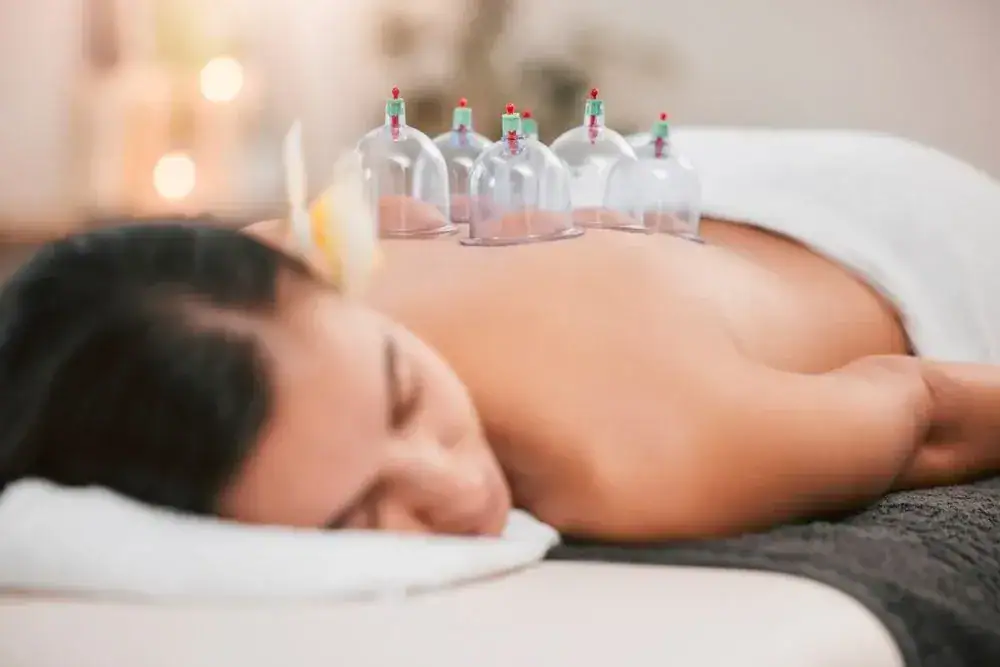
Cupping therapy works by increasing blood flow to tight, painful areas. When we place cups on your skin, they create suction that pulls fresh blood into muscles that have been starved of circulation. That means faster healing, less inflammation, and genuine relief that lasts longer than a heating pad or massage gun ever could.
Most people feel a difference after one session. Your range of motion improves. That nagging tightness in your shoulders or hips starts to let go. You’re not just managing pain anymore—you’re addressing what’s causing it in the first place.
This isn’t about temporary comfort. It’s about getting your body working the way it should so you can sleep through the night, play with your kids, or just get through your day without constantly adjusting how you sit or stand.
Medcare Therapy Services has been treating patients across Long Island since 2010. Our physical therapists are licensed healthcare providers trained in cupping techniques, myofascial release, and evidence-based pain management.
We’re not a spa. We’re a physical therapy practice that uses cupping as part of a comprehensive treatment plan. That means you’re getting care from someone who understands anatomy, movement patterns, and how to create lasting results—not just temporary relief.
West Islip has plenty of physical therapy options, and many of them are excellent. What sets us apart is how we treat you: like an individual with a specific problem that deserves a specific solution. We don’t rush appointments, we don’t use cookie-cutter protocols, and we don’t hand you off to an assistant after the first visit.
Your first visit starts with an evaluation. We’ll ask about your pain—where it is, how long you’ve had it, what makes it worse. We’ll also assess your movement and identify which muscles are tight, weak, or compensating for an injury.
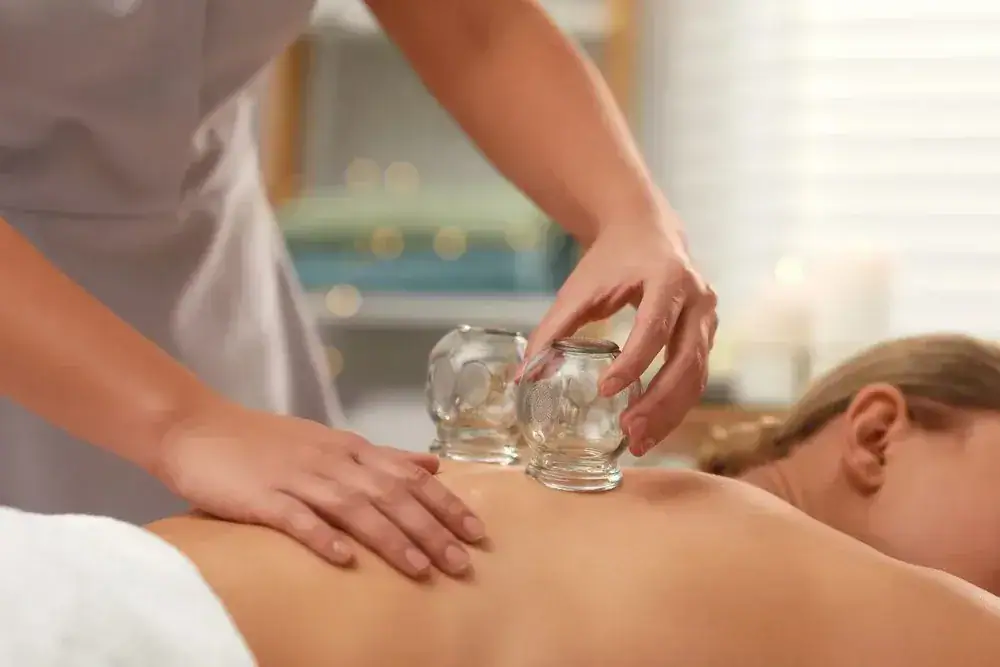
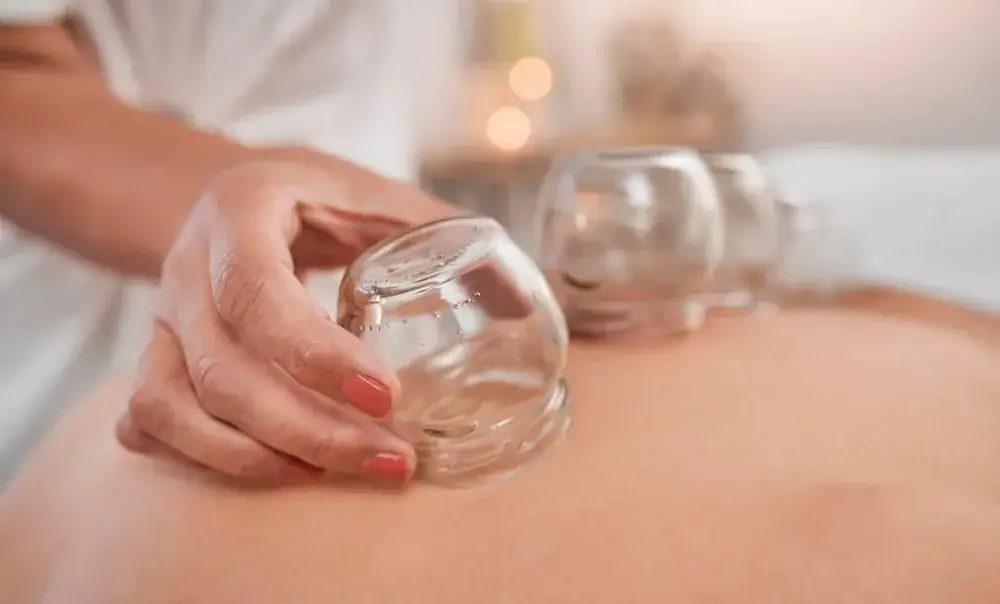
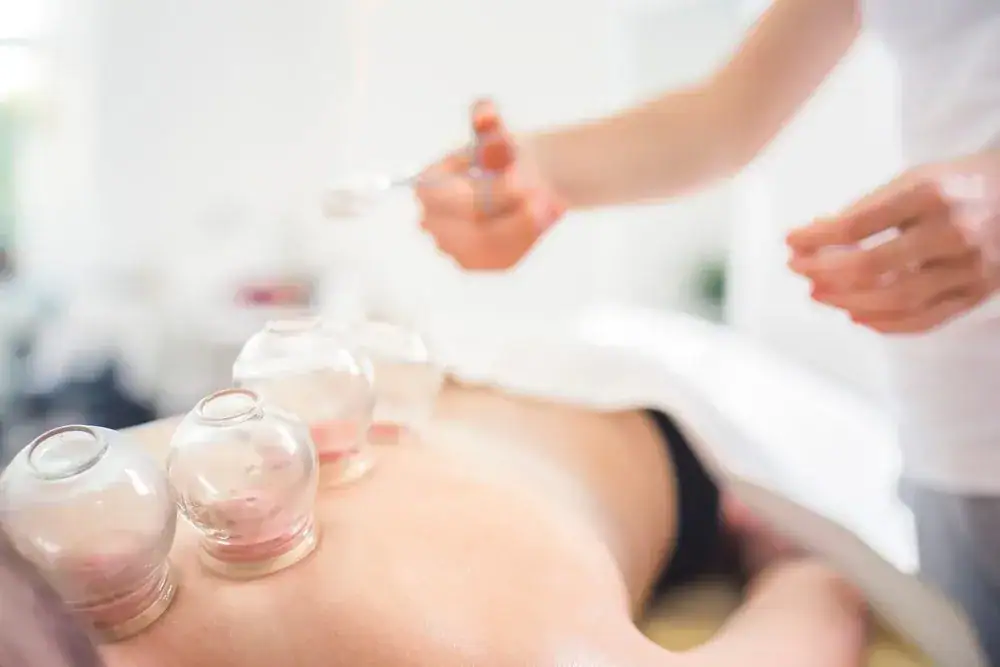
Then we’ll explain exactly how cupping fits into your treatment plan. Most sessions use dry cupping, where cups are placed on your skin to create suction. You’ll feel a pulling sensation, but it shouldn’t hurt. The cups stay in place for several minutes while blood flow increases and muscle fibers start to relax.
Some people see circular marks afterward. Those aren’t bruises—they’re a sign that stagnant blood and toxins are being pulled to the surface so your body can clear them out. The marks fade within a few days, and most patients say the relief is worth it.
Cupping works best when combined with other physical therapy techniques like stretching, strengthening exercises, and manual therapy. We’ll build a plan that makes sense for your schedule, your goals, and your body. You’re not locked into months of treatment—you’ll know early on whether this is helping.
Ready to get started?
Every cupping session at Medcare includes a full physical therapy evaluation, not just cup placement. You’re working with a licensed therapist who understands how your pain connects to movement dysfunction, posture, or past injuries.
We treat a lot of chronic back pain here in West Islip—it’s one of the most common complaints we see, especially in adults over 40. Cupping helps break up adhesions in the lower back and improves flexibility in the hips and spine. Many patients combine it with core strengthening to prevent the pain from returning.
Neck and shoulder tension is another big one. If you work at a desk or spend hours on your feet, you’re probably dealing with tight traps, limited neck rotation, or headaches that start at the base of your skull. Cupping releases that tension faster than stretching alone, and the effects stack over time.
We also see athletes dealing with muscle soreness, IT band tightness, and recovery issues. Cupping increases range of motion and speeds up healing between training sessions. It’s not a replacement for proper rehab, but it’s a powerful tool when used correctly.
Yes, but it depends on what’s causing your pain. Cupping is highly effective for musculoskeletal issues like tight muscles, trigger points, and restricted fascia. Multiple studies show it reduces pain intensity in conditions like chronic low back pain, neck pain, and knee osteoarthritis.
It works by improving circulation to areas that aren’t getting enough blood flow. When muscles stay tight for weeks or months, they develop adhesions and lose flexibility. Cupping breaks up that tissue restriction and allows fresh oxygen and nutrients to reach the area.
That said, cupping won’t fix a herniated disc, a torn ligament, or nerve damage. It’s a tool, not a cure-all. We’ll tell you upfront whether cupping is appropriate for your specific condition or if you need a different approach.
Most people notice improvement within one to three sessions. You’ll feel looser, move easier, and experience less pain during daily activities. But how many sessions you actually need depends on how long you’ve had the problem and how severe it is.
Acute pain—something that popped up in the last few weeks—usually responds quickly. Chronic pain that’s been around for months or years takes longer because your body has adapted to dysfunctional movement patterns. You’re not just treating the symptom; you’re retraining how your muscles and joints work together.
We’ll give you a realistic timeline after your evaluation. If you’re not seeing progress within a few visits, we’ll adjust the plan or recommend a different treatment. You shouldn’t have to guess whether it’s working.
Usually, yes. The circular marks you see after cupping aren’t bruises—they’re caused by blood being drawn to the surface of your skin. The darker the mark, the more stagnation was in that area. It’s actually a sign the treatment is working.
The marks typically fade within three to seven days. They don’t hurt, and most people forget about them after the first session. If you have an event coming up where you’ll be wearing something that shows your back or shoulders, just let us know and we can adjust the treatment area.
Some people don’t mark at all, especially if they’re well-hydrated and have good circulation. That doesn’t mean the treatment isn’t effective—it just means your body responded differently.
It depends on your plan. Cupping is often covered when it’s part of a physical therapy treatment plan, but not all insurers reimburse for it as a standalone service. We recommend calling your insurance company and asking whether “cupping as part of physical therapy” is a covered benefit.
At Medcare, we’ll verify your coverage before your first visit so there are no surprises. If cupping isn’t covered, we’ll let you know the out-of-pocket cost upfront. Many patients find it’s worth paying for even without insurance because of how much relief it provides compared to other treatments they’ve tried.
We also work with patients on payment plans if cost is a concern. The goal is to get you feeling better, not to create financial stress.
Absolutely. In fact, that’s how we prefer to use it. Cupping works best when combined with manual therapy, targeted exercises, and movement retraining. It’s not a standalone fix—it’s one piece of a complete treatment plan.
For example, if you’re dealing with lower back pain, we might use cupping to release tight muscles in your lumbar spine and hips, then follow up with core strengthening exercises to stabilize the area. Or if you have a frozen shoulder, we’ll combine cupping with joint mobilization and stretching to restore your range of motion.
The advantage of working with us instead of a massage therapist or acupuncturist is that we’re trained to address the root cause of your pain, not just the symptoms. Cupping is a tool we use to accelerate your progress, but it’s part of a bigger strategy to get you moving and feeling better long-term.
Cupping works well for soft tissue problems: muscle tightness, trigger points, fascial restrictions, and chronic pain related to poor posture or repetitive strain. We see great results with low back pain, neck and shoulder tension, IT band syndrome, plantar fasciitis, and post-surgical scar tissue.
It’s also effective for athletes dealing with delayed onset muscle soreness or anyone recovering from an injury that’s left them with lingering stiffness. The suction helps break up adhesions and improves tissue mobility, which speeds up the healing process.
Conditions that don’t respond as well include nerve pain, arthritis flare-ups, and structural issues like bone spurs or disc herniations. Cupping won’t hurt in those cases, but it’s not the right tool for the job. A thorough evaluation will help us determine whether cupping is appropriate for what you’re dealing with—and if it’s not, we’ll recommend something that will actually help.
Other Services we provide in West Islip