
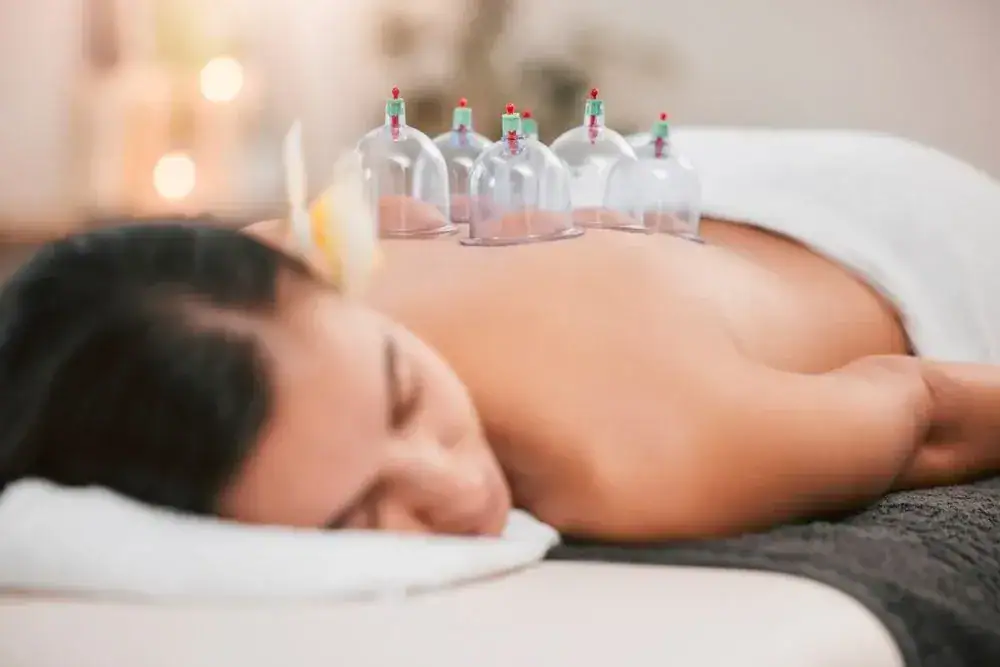

You’re dealing with neck pain that won’t quit, lower back stiffness that makes mornings miserable, or muscle tension that limits what you can do. You’ve tried heat, ice, stretching, maybe even medication. Nothing sticks.
Cupping therapy works by creating suction on your skin that pulls fresh blood into tight, painful areas. That increased circulation helps muscles relax, reduces inflammation, and gives your body what it needs to actually heal at the tissue level. It’s not a temporary cover-up.
Most people notice less pain after their first session. Over a few weeks, you’ll likely see better range of motion, less stiffness when you wake up, and the ability to do things you’ve been avoiding. The treatment doesn’t just mask symptoms—it addresses what’s causing them.
This isn’t about chasing trends. It’s about using a clinically supported method that helps with chronic neck pain, low back pain, fibromyalgia, and muscle recovery. You get real results without surgery, injections, or prescriptions.
We’ve been serving West Hempstead and Nassau County since 2010. Every therapist on our team is licensed, trained in proper cupping techniques, and works under clinical protocols—not spa settings.
We accept Medicare and most major insurance plans, which matters when you’re looking for legitimate medical care, not just wellness treatments. Our locations across Long Island give you access to consistent, professional therapy close to home.
You’re not walking into a franchise or a rotating door of staff. You’re working with therapists who evaluate your movement patterns, identify the root cause of your pain, and build a treatment plan that actually fits what’s going on with your body. West Hempstead residents come here because we don’t oversell or underdeliver.
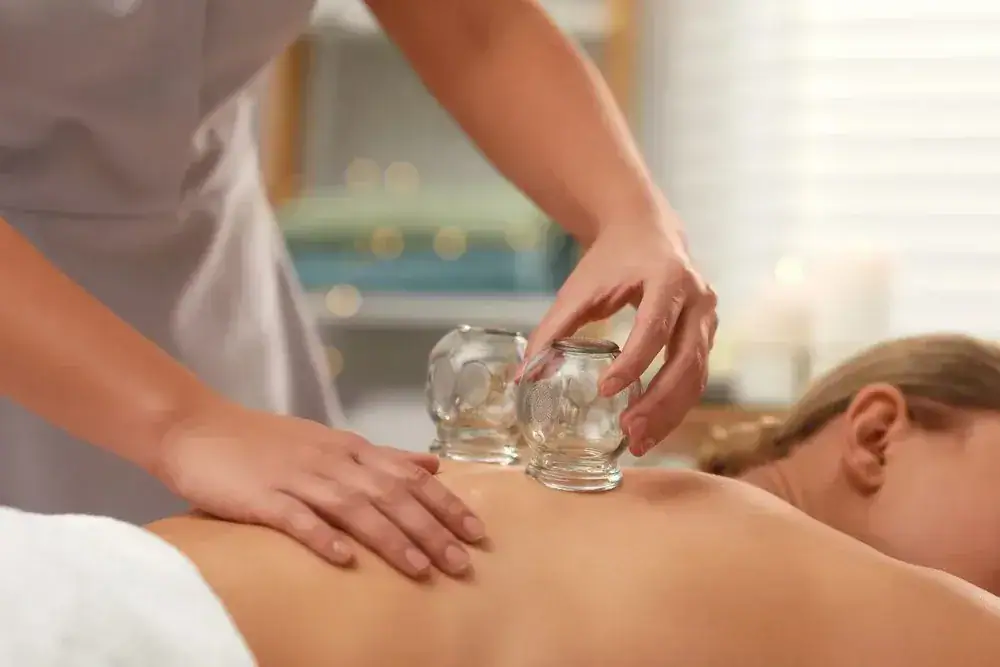
Your first visit starts with an assessment. We look at your pain history, test your range of motion, and figure out which muscles or fascia are tight, weak, or compensating. Cupping isn’t a one-size-fits-all treatment, so we don’t treat it that way.
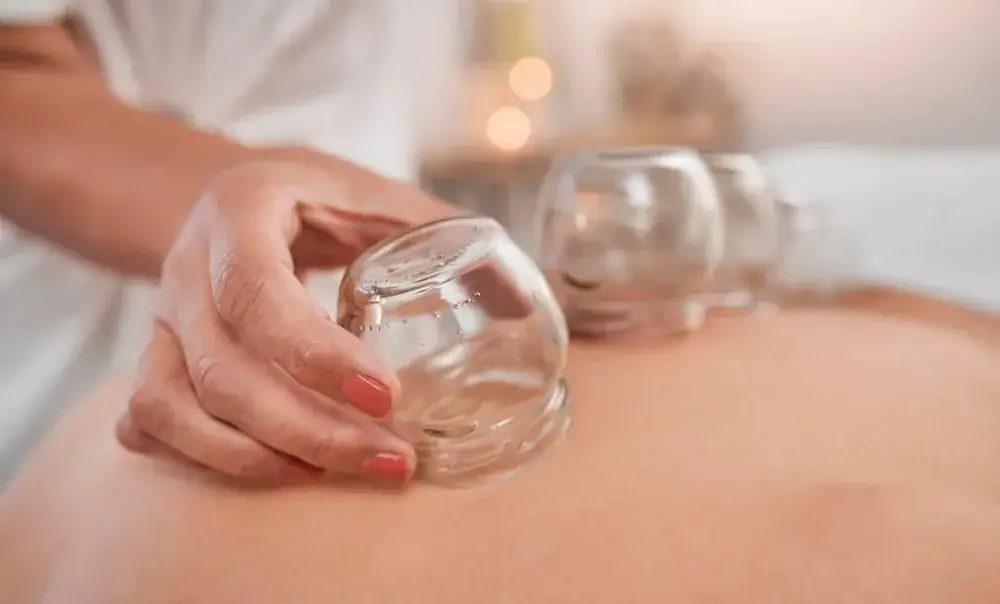
During the session, we place cups on targeted areas of your body. The suction draws your skin and underlying tissue upward, which increases blood flow and releases tension in the fascia and muscles. Most people describe it as a pulling sensation—not painful, just different. Sessions typically last 15 to 30 minutes depending on the treatment area.
You’ll see circular marks afterward. They’re not bruises in the traditional sense—they’re caused by the suction bringing blood to the surface. They fade within a few days and aren’t a sign of injury.
We track your progress over multiple sessions. Some people feel immediate relief. Others need a few treatments before they notice significant change. Either way, we adjust the approach based on how your body responds, not a generic schedule.
Ready to get started?
Cupping therapy at Medcare is part of a broader physical therapy approach. We don’t just slap cups on you and call it done. You get a full evaluation, a personalized treatment plan, and follow-up care that ensures you’re actually improving.
In Nassau County, chronic pain affects a significant portion of the population—especially among older adults dealing with arthritis, past injuries, or degenerative conditions. West Hempstead residents often come to us after trying other options that didn’t work. Cupping gives us another tool to address pain that’s been resistant to traditional methods.
We use dry cupping, which means no incisions or bloodletting. It’s non-invasive, low-risk, and integrates well with other therapies like manual therapy, strengthening exercises, and mobility work. If you’re already in physical therapy with us, cupping can be added to your existing plan.
Every tool we use is sterilized. Every session is documented. You’re getting clinical-grade care, not a wellness trend. And because we accept Medicare and most insurance, you’re not paying out-of-pocket for something that should be covered.
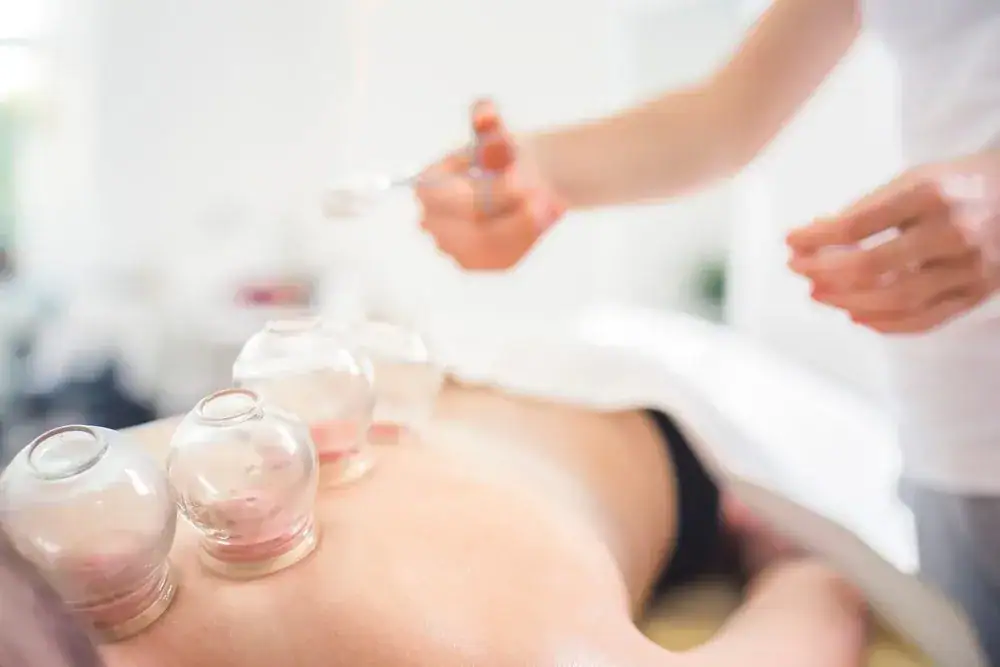
Yes, but it’s not magic. Research shows cupping therapy can reduce pain levels in people dealing with chronic neck pain, low back pain, knee osteoarthritis, and fibromyalgia. The suction increases blood flow to areas that aren’t getting enough circulation, which helps reduce inflammation and muscle tightness.
That said, it works best when it’s part of a larger treatment plan. If your pain is caused by poor posture, weak muscles, or movement dysfunction, cupping alone won’t fix it. But combined with physical therapy, strengthening, and mobility work, it can speed up your recovery and give you noticeable relief.
Not everyone responds the same way. Some people feel better immediately. Others need several sessions before they notice a difference. We track your progress and adjust the treatment if it’s not working the way it should.
If you’re receiving cupping as part of a physical therapy treatment plan, Medicare and most major insurance plans will cover it. The key is that it has to be provided by a licensed physical therapist and documented as medically necessary—not offered as a standalone spa service.
At Medcare, we handle the billing and work directly with your insurance. You won’t be surprised by random charges or told after the fact that it’s not covered. We verify your benefits upfront and let you know what to expect.
If you’re paying out-of-pocket or have a high deductible, we’ll walk you through the costs before you commit to treatment. Transparency matters, especially when you’re already dealing with pain and don’t need billing stress on top of it.
No. The circular marks you see after cupping are caused by suction pulling blood to the surface of your skin. They look like bruises, but they’re not the result of trauma or injury. They’re a normal part of the process and usually fade within three to seven days.
The color and intensity of the marks can vary depending on how much tension or stagnation is in that area. Darker marks often show up where circulation has been poor or muscles are especially tight. As you continue treatment and blood flow improves, the marks typically become lighter.
In rare cases, people with very sensitive skin might experience mild irritation or slight discoloration that lasts a bit longer. If you have a history of skin conditions, clotting disorders, or are on blood thinners, let us know during your evaluation. We’ll adjust the treatment or recommend an alternative if cupping isn’t a good fit for you.
Massage uses pressure to push into your muscles. Cupping does the opposite—it uses suction to pull tissue upward. That difference matters because it allows us to target fascia, release adhesions, and improve circulation in ways that hands-on pressure can’t always reach.
Cupping also works well for people who find deep tissue massage too painful or uncomfortable. The suction creates a stretch without the same level of force, which can be more tolerable if you’re dealing with acute pain or inflammation.
We often combine cupping with other treatments like manual therapy, dry needling, or corrective exercises. It’s not an either-or situation. Each method has a role, and we use what makes sense for your specific condition. If cupping isn’t giving you the results we want to see, we’ll pivot to something else.
It depends on what’s causing your pain and how long you’ve been dealing with it. Acute injuries or recent flare-ups might respond in one to three sessions. Chronic pain that’s been building for months or years usually takes longer—often six to eight sessions before you see significant, lasting improvement.
We don’t lock you into a preset number of visits. After your first session, we’ll have a better idea of how your body is responding and can give you a realistic timeline. Some people feel immediate relief and only need occasional maintenance. Others need consistent treatment over several weeks to break the pain cycle.
What matters is that we’re tracking progress, not just repeating the same treatment and hoping it works. If you’re not improving after a reasonable number of sessions, we reassess and change the approach. You shouldn’t be paying for something that isn’t helping.
Cupping is generally safe when performed by a licensed physical therapist who knows what they’re doing. The most common side effects are the circular marks, mild soreness, and occasional lightheadedness right after treatment. These are temporary and not harmful.
Serious side effects are rare but can happen if cupping is done incorrectly or on someone who isn’t a good candidate. Burns can occur with fire cupping (which we don’t use). Skin infections can happen if tools aren’t properly sterilized (ours are). Nerve irritation or worsened inflammation can result from overtreatment or poor technique.
That’s why it matters where you go. We evaluate your health history, check for contraindications, and monitor how your body responds throughout treatment. If you have open wounds, active infections, or certain medical conditions, we’ll either modify the treatment or recommend something safer. You’re not getting cupping just because you asked for it—you’re getting it because it’s appropriate for your situation.
Other Services we provide in West Hempstead